Stinging Nettle. Indigenous Processing and Use

Stinging Nettle, in various species of the genus Urtica, was an important resource for Indigenous people across the northern hemisphere of the planet. Its new shoots were eaten in the spring as a source of vitamins and minerals and the string made from its stalk was used to make everything from nets to the foundations for light clothing. See Skoglund et. al (2025) for overview of European usage. As stinging nettle needs partial shade and mineral rich soil that contains potassium and uric acid, it grows profusely on the cultural deposits built up at old village sites. The importance of nettle (Urtica dioica) in southern British Columbia is made clear in letters between James Douglas and the Hudson’s Bay company … Continue reading “Stinging Nettle. Indigenous Processing and Use”
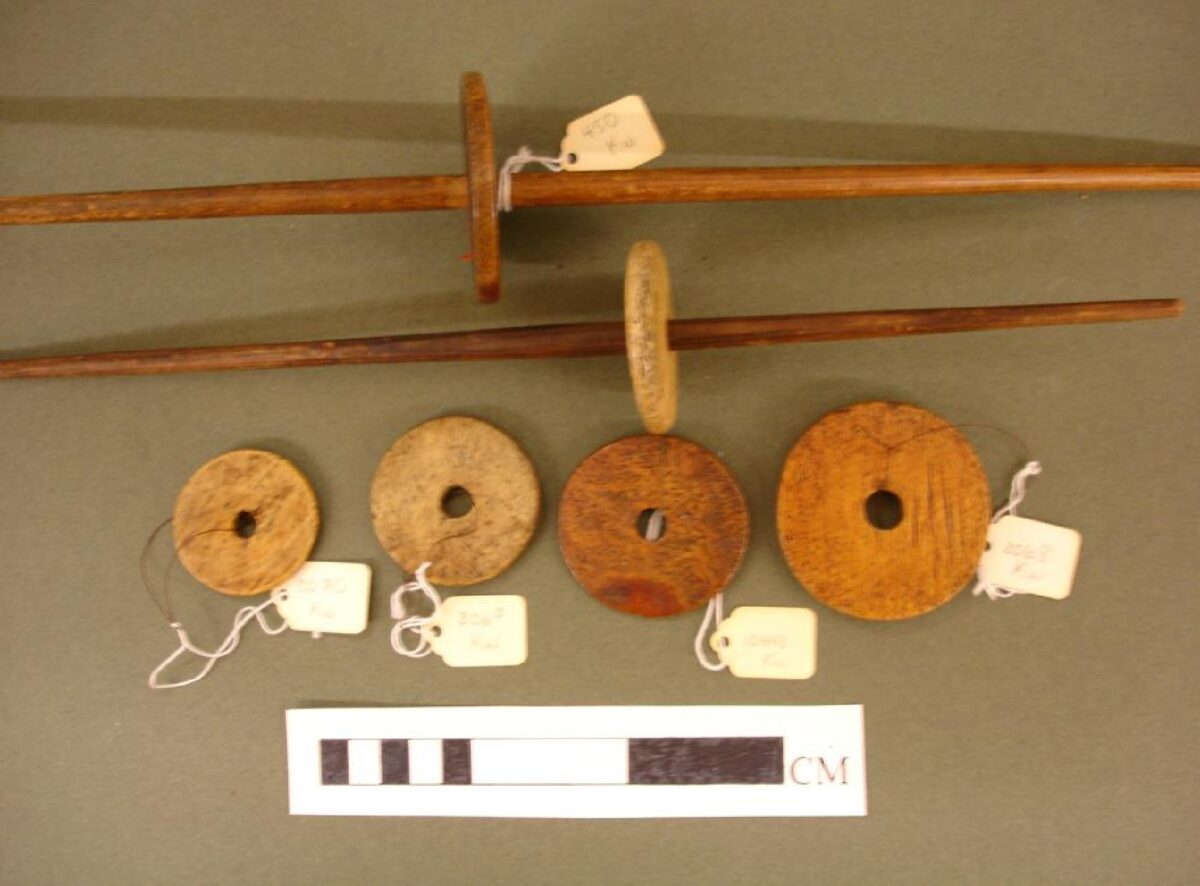
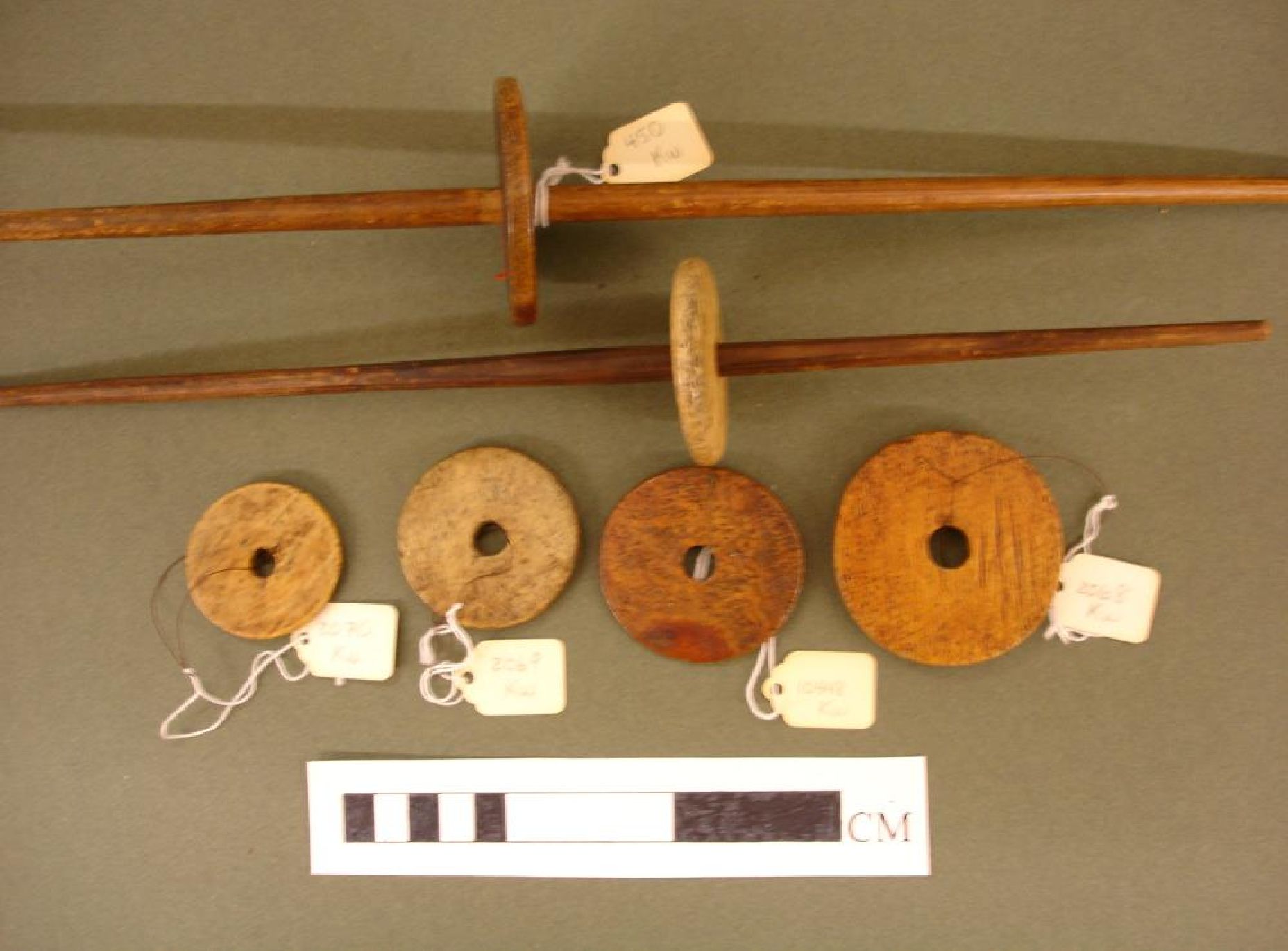
Spindle Whorls in British Columbia. Part 1.

December 6, 2016. By Grant Keddie. Introduction and Spindle Whorls in the Archaeology Collection of the Royal BC Museum Introduction In order to provide a broader understanding of the earlier history and origins of both historic and pre-contact spindle whorls used in British Columbia, I will provide a description with images of all the spindle whorls in the Archaeology and Ethnology collection of the Royal B.C. Museum. This will be presented in three Parts: (1) Introduction and Spindle Whorls in the Archaeology Collection of the Royal BC Museum. (2) Small Spindle Whorls in the Ethnology Collection of the Royal BC Museum. (3) Large Spindle whorls from speakers of the Salish language family in the Ethnology Collection of the Royal BC … Continue reading “Spindle Whorls in British Columbia. Part 1.”