Shark Man. Indigenous Shark Power.

Spear or Harpoon Point This uniquely carved bone point is one of my artistic favourites (Figure 1). It is missing its proximal end, which makes it difficult to tell if it was a spear or harpoon point. It is also difficult without knowing how in was attached, if directly, or via a fore shaft, to other parts of the shaft as seen in figure 4. The bone point was found during a joint archaeological recovery project, with volunteers from the Royal B.C. Museum and Sidney Museum. I was in charge of this project, which was the first in British Columbia to use a large power conveyor belt separator. The point is show here in figure 1, in a lighter tone … Continue reading “Shark Man. Indigenous Shark Power.”
Cultural Astronomy of the Indigenous Peoples of British Columbia

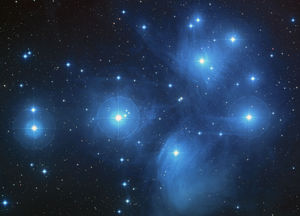
Preface The Territory shared by Indigenous People in British Columbia, and far beyond, is the sky. A sky filled with sentient beings on the move and stories to tell. The sky is an interactive map that is constantly on the move. It is a domain of cultural knowledge. For much of human existence people have seen the world of the sky as a reflection of their life on earth. It is obvious that the brightest stars and planets, and their movements, would become noticed. It is however, culture that blends them together, creating names and stories about what they are, and their relationships to each other. Celestial phenomena were incorporated into ritual, iconography, myth and shamanic activity. It is through … Continue reading “Cultural Astronomy of the Indigenous Peoples of British Columbia”

Nettle Fibre Beaters in the Collection of the Royal B.C. Museum

There are three wooden artifacts in the RBCM Ethnology Collection known as Nettle Fibre Beaters. Nettle beaters are much lighter than whale bone bark beaters that are designed for pounded larger cedar bark material. (See Keddie 2025; 2024; 2018 and 2016 for related material on Stinging Nettle). The nettle beater, RBCM2071, was purchased May 20, 1914 at Fort Rupert (Port Hardy) by Charles Newcombe. He noted: “Ft. Rupert 20/V/14. Yakuglas” – “Beating stick used in making nettle string found in house rubbish of old foundation”. This was mistakenly labeled on the Museum database as “bark beater”. Later additions to the RBCM database had: Paddle shape nettle beater with design. Kwakwaka’wakw Yellow cedar. Fort Rupert. Tsaxis. RBCN2071 nettle beater is an … Continue reading “Nettle Fibre Beaters in the Collection of the Royal B.C. Museum”

Stinging Nettle. Indigenous Processing and Use

Stinging Nettle, in various species of the genus Urtica, was an important resource for Indigenous people across the northern hemisphere of the planet. Its new shoots were eaten in the spring as a source of vitamins and minerals and the string made from its stalk was used to make everything from nets to the foundations for light clothing. See Skoglund et. al (2025) for overview of European usage. As stinging nettle needs partial shade and mineral rich soil that contains potassium and uric acid, it grows profusely on the cultural deposits built up at old village sites. The importance of nettle (Urtica dioica) in southern British Columbia is made clear in letters between James Douglas and the Hudson’s Bay company … Continue reading “Stinging Nettle. Indigenous Processing and Use”

Observations on the Shape of Adze Blades and Hafts

In the collection of the Royal B.C. Museum there is a unique distal section of an adzing tool composed of an elk antler sleeve with a nephrite adze blade still in place. There has been a debate as to weather these were fit onto the end of a strait chisel or a bent elbow adze and why some adzes were angled toward one side at the proximal end. Many broken to complete elk antler hafts have been found in ancient sites in the general area around the Salish Sea, but finding one with the cutting blade still in-situ is extremely rare. This one, with the Borden number DfRs-Y:11, is a very rare example. It was found in a midden at … Continue reading “Observations on the Shape of Adze Blades and Hafts”

Origin of the Signs of Lək̓ʷəŋən Project

The origin of many Indigenous related projects, such as the Signs of Lək̓ʷəŋən, get lost in time. This project began in 1993, as part of the plans to celebrate the 150th anniversary of the building of Fort Victoria and 125th anniversary of Victoria becoming the Capital of British Columbia. The Premiers Protocol Office invited individuals to established a celebrations committee from which a sub-committee was formed to celebrate Indigenous history. The sub-committee was made up of the late Chief Andy Thomas of the Esquimalt Nation, the late Chief Robert Sam, then a Councillor, and myself, then a curator of Archaeology at the Royal B.C. Museum. The celebrations sub-committee agreed that I would come up with a list of traditional place … Continue reading “Origin of the Signs of Lək̓ʷəŋən Project”

Camossung. Bridging two Worlds

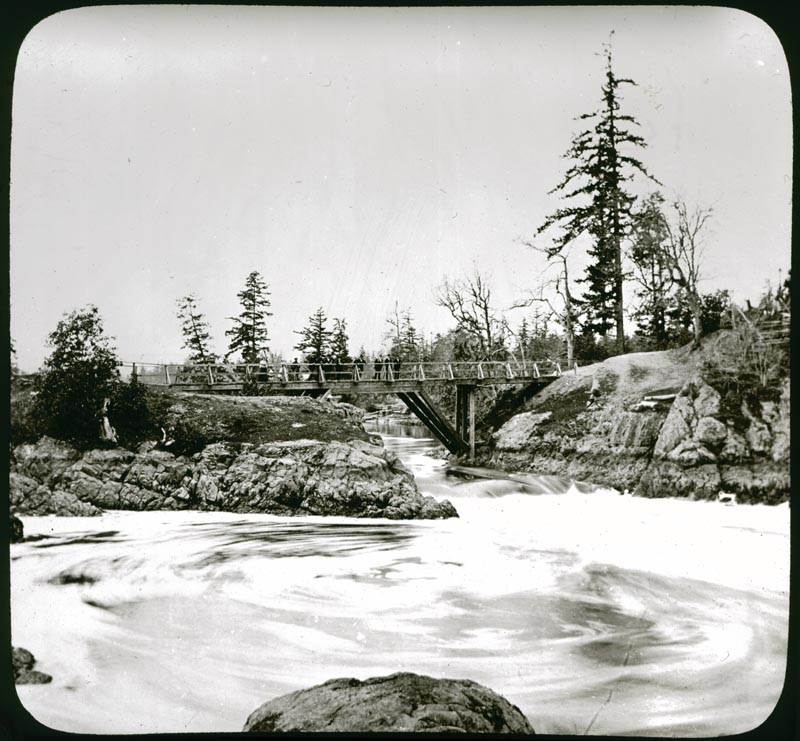
Introduction The Gorge Waterway is a special place in the tradition and economy of the Indigenous Lək̓ʷəŋən people of Greater Victoria. The Gorge reversing falls were the focus a special creation story for the Lək̓ʷəŋən, but also became a special place of celebration for the European populations that infiltrated into their territory. It is a story of transition between interconnected worlds with a moral that is aimed at bringing about a better world. A theme of preservation that transgresses time. The legend of this beautiful spot produced the first name “Fort Camosun” used by both the Indigenous Lək̓ʷəŋən peoples and fur traders (see appendix 2). Today it provides the name of Camosun College and Camosun Street. In the Lək̓ʷəŋən tradition, … Continue reading “Camossung. Bridging two Worlds”

The Archaeology of the Gorge Waterway of Greater Victoria

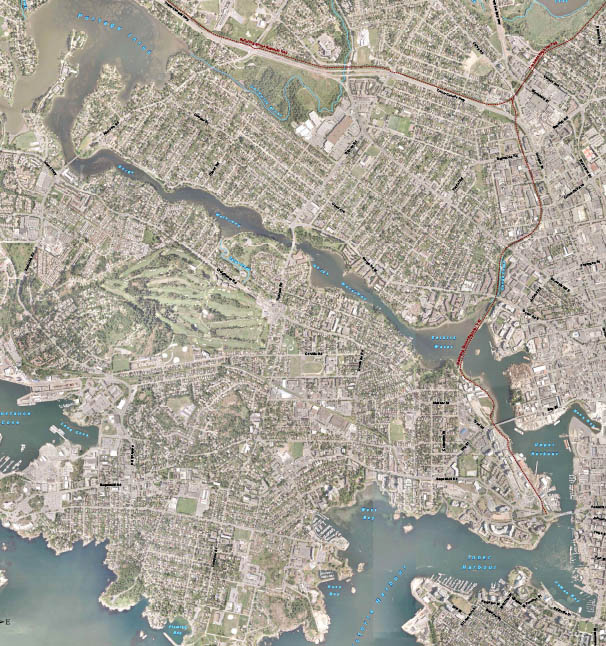
Part 1. The changing Landscape and Victoria Harbour to Selkirk Waters. The Changing Landscape Twenty-one thousand years ago the Gorge Waterway, Victoria Harbour and all the beaches around Victoria were all deep underwater. This was caused by the glaciers pushing the land down as they approached the Victoria Region (Miskelly 2012; Clague 1983). The land rebounded to 14 meters above the present sea level by Thirteen thousand years ago (Keddie 2019). By 11.200 years ago the land continued to rebounded and the Gorge appeared for a short period of around 1,000 to 2000 years as an ocean inlet. As the land continued to rebound, the upper Gorge became dry land by 9200 years ago. The Gorge and Victoria Harbour became … Continue reading “The Archaeology of the Gorge Waterway of Greater Victoria”

California Condor in British Columbia

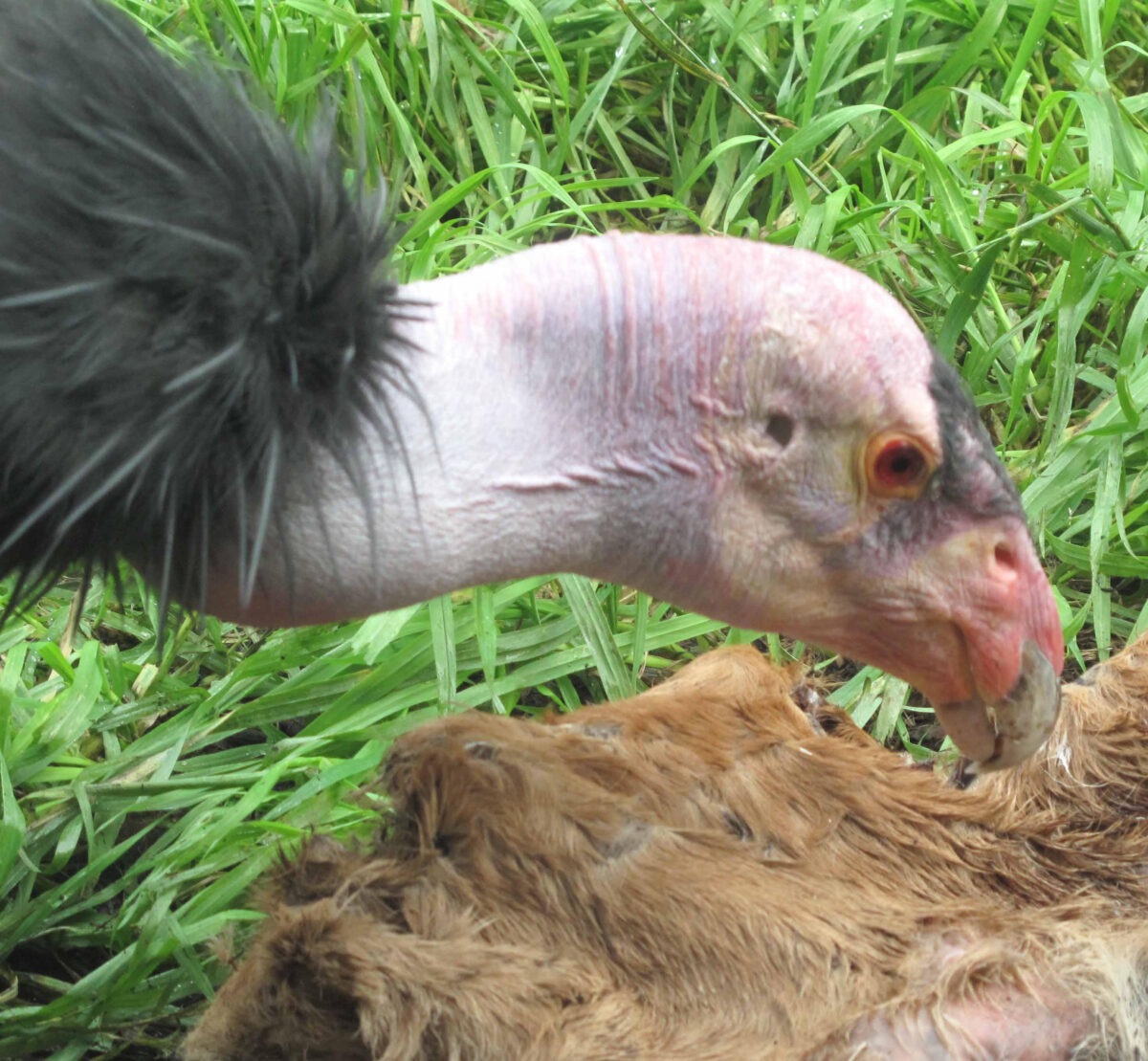
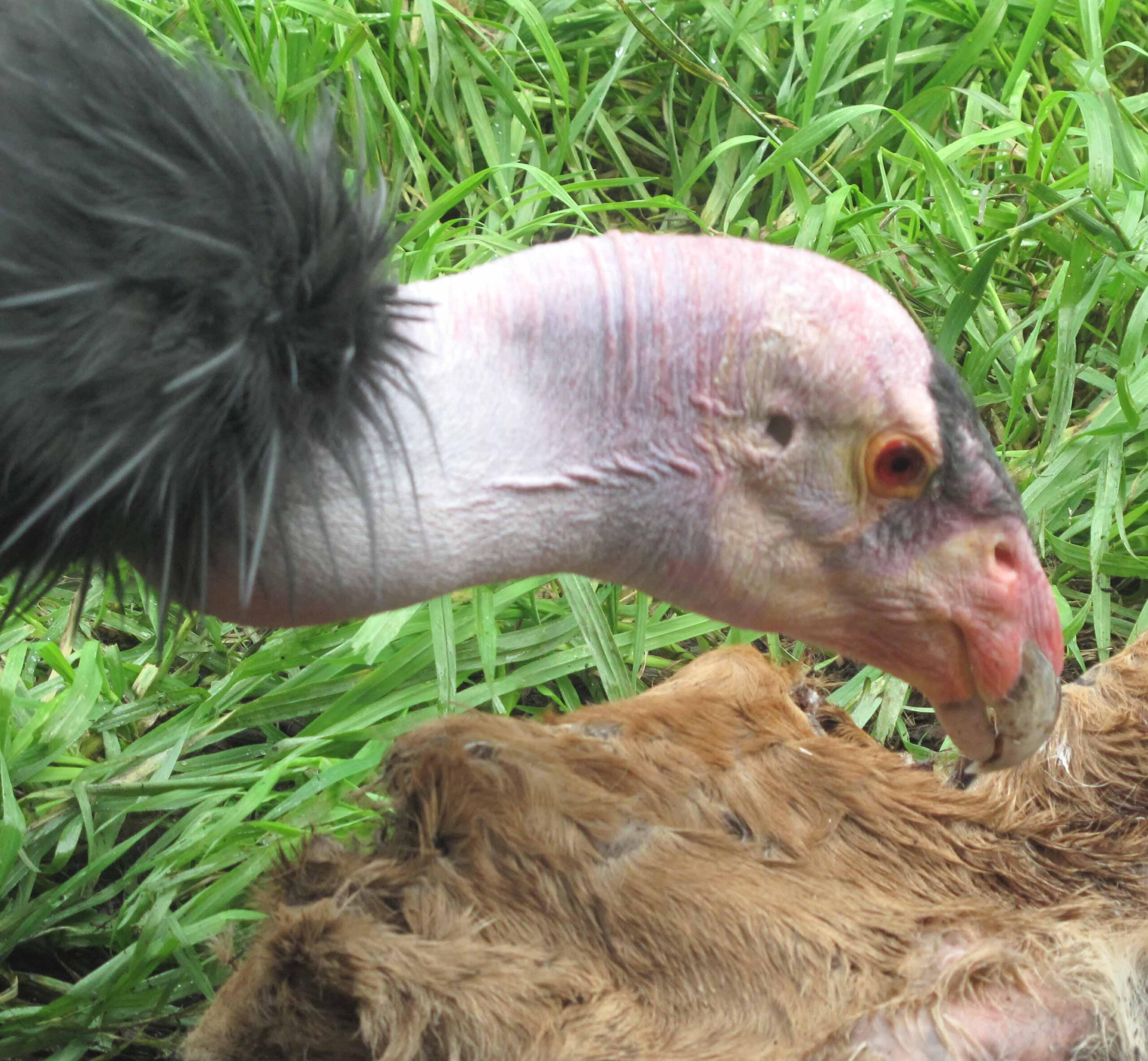
In 1969, I was part of the Simon Fraser Universities first Archaeological field school camped in the remote Kwatna Inlet. As I read every word of both volumes of Thomas McIlwrath’s classic study of the Nuxalk people of the Bella Coola Region (McIlwraith 1948), I wondered if those large birds mentioned in the mythology could be based on earlier occurrences of the California Condor or even an earlier relative of the Condor. I knew a few Condors had been sighted in British Columbia in the late 19th century (Fannin 1891; Rhodes 1893), but some biologists had suggested that these were extremely rare migrants from the south. At that time, no Condor bones had been found in British Columbia. But this … Continue reading “California Condor in British Columbia”

W̱SÁNEĆ (Saanich) Fishing Camps on the Goldstream River Delta

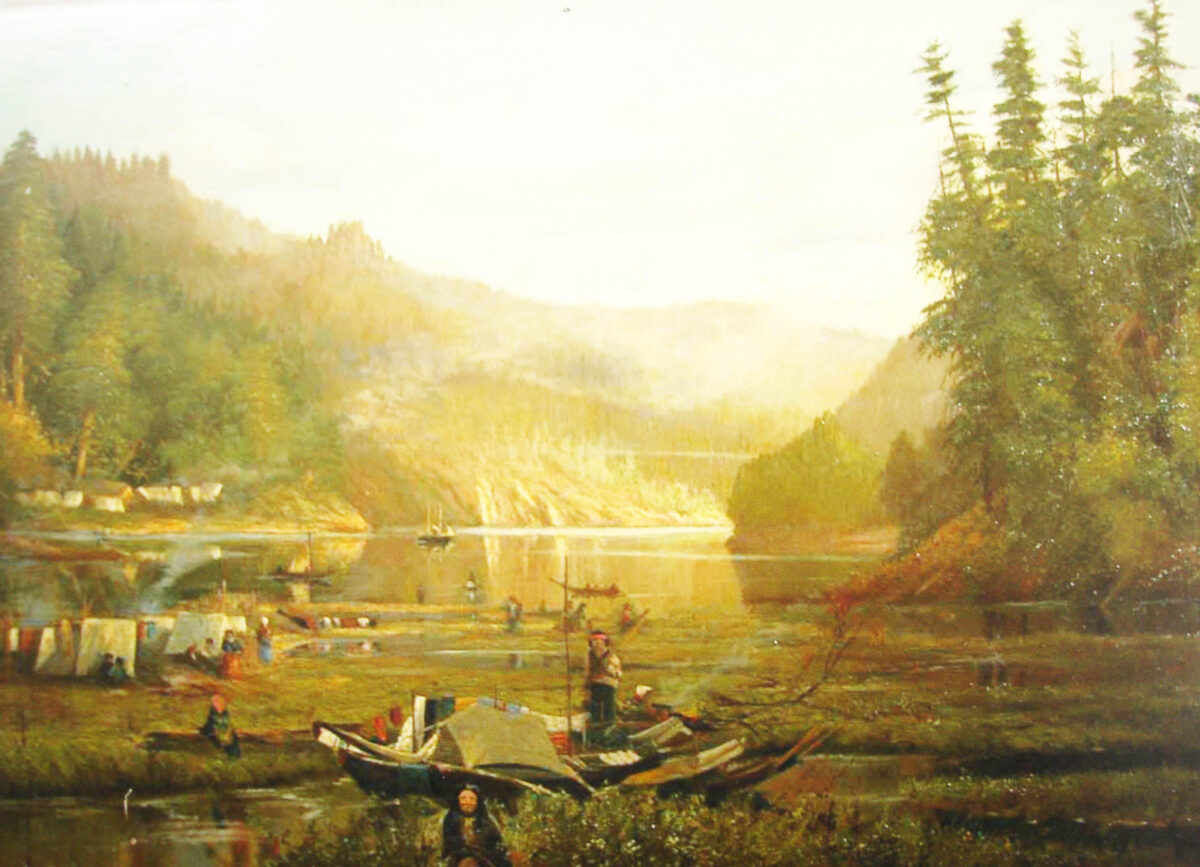
Introduction A period of Destruction and Realignment The W̱SÁNEĆ, Tommy Paul, referred to an epidemic that devastated his people six generation before him: “That terrible sickness. It is true. It belongs to the story of my Chilangwin” (Lugrin 1931). Elders told the story of “Kwalarhunzit” who began his training as a warrior at 13 years of age after “a terrible epidemic of smallpox had just decimated the Saanich Indians and crippled their resistance to the raids of their enemies. …His first fight was against some southern natives who were visiting relatives at the big settlement near Sidney”. At this time there was a village of people on Mayne Island who invited Kwalarhunzit to a deer hunt but ended up fighting … Continue reading “W̱SÁNEĆ (Saanich) Fishing Camps on the Goldstream River Delta”