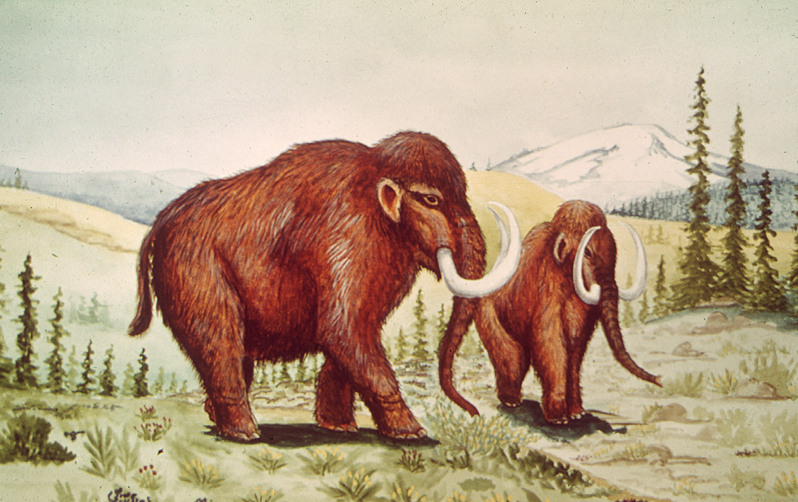
Mega Fauna Publication Abstracts with Grant Keddie as a co-author.

Canadian Journal of Earth Sciences. 2 May 2024. https://doi.org/10.1139/cjes-2023-0102 Survival of mammoths (Mammuthus sp.) into the Late Pleistocene in Southwestern British Columbia (Vancouver Island), Canada. Laura Termes, Grant Keddie, Richard Hebda, Pat Trask, Victoria Arbour, Camilla Speller, L. Paskulin, Chris Ramsey and Michael Richards. Abstract As part of a larger project identifying and directly radiocarbon dating Late Pleistocene megafaunal remains in British Columbia (B.C.), Canada we have confirmed the identity of many newly identified mammoth (Mammuthus sp.) specimens (n=32) from Vancouver Island in Southwestern B.C. We undertook radiocarbon dating on all specimens and were able to obtain dates (due to preservation) on 16 of these remains, including re-dating a previously dated mammoth using newer radiocarbon extraction methods. The mammoth dates … Continue reading “Mega Fauna Publication Abstracts with Grant Keddie as a co-author.”
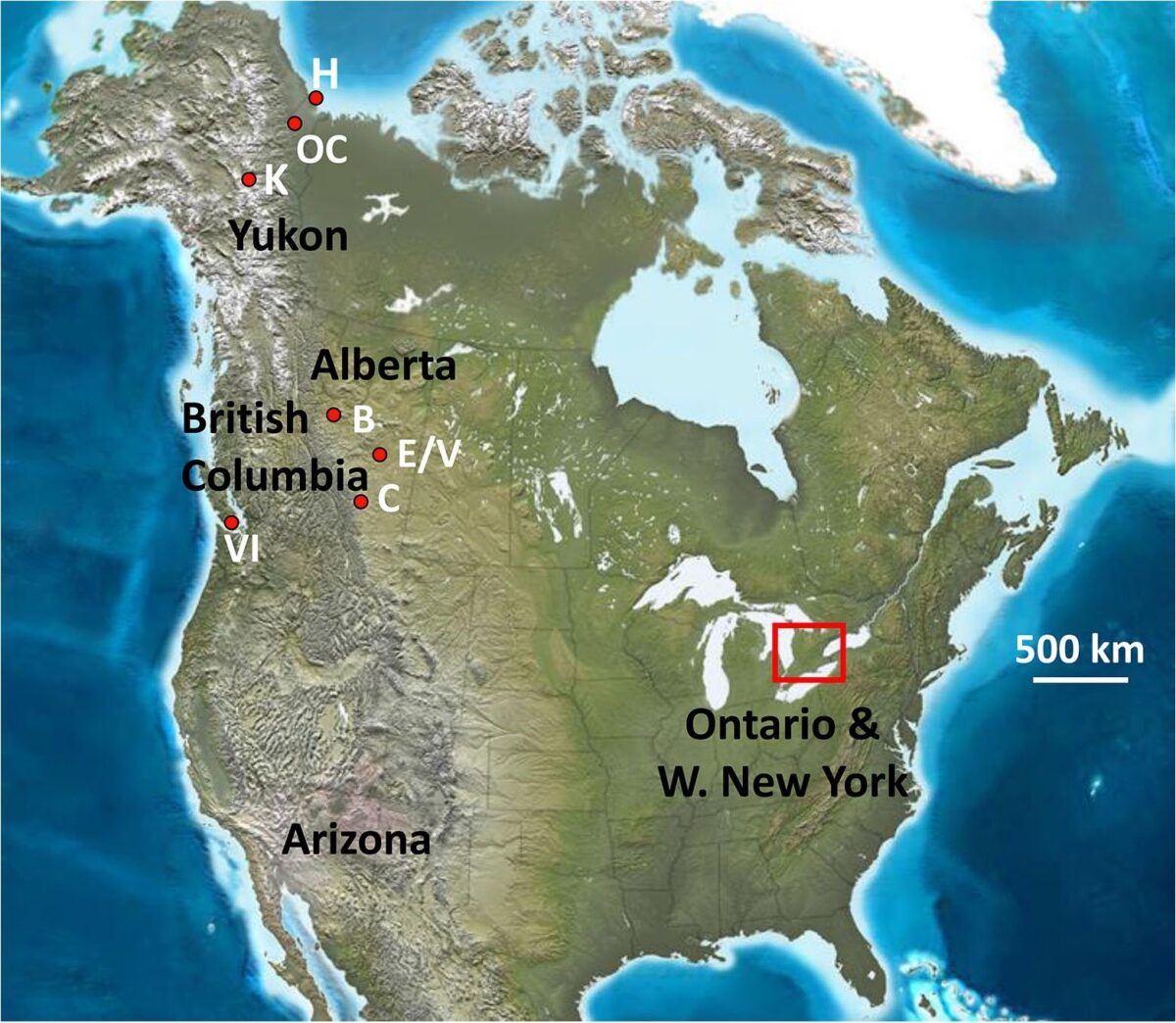
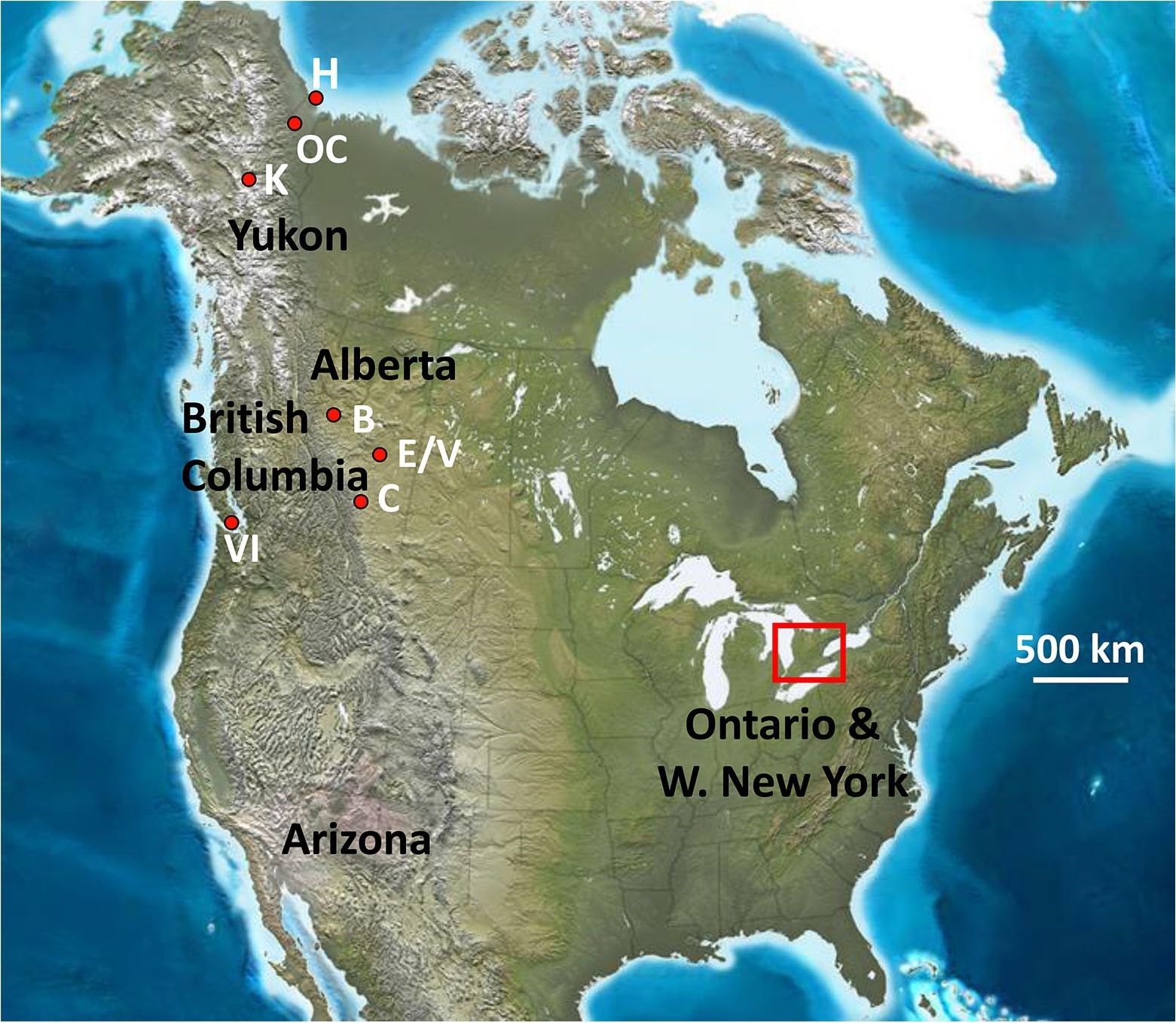
Taxonomy, location of origin and health status of proboscideans from Western Canada investigated using stable isotope analysis

by Jessica Z Metcalfe, Fred Longstaffe, Christopher N/ Jass, Grant D. Zazula and Grant Keddie. ABSTRACT: We investigated the application of stable isotope analysis of proboscidean remains (collagen in bone/ dentin/cementum and structural carbonate in enamel bioapatite) for genus-level identification of isolated specimens, assessment of geographical origins, and testing for nutritional stress. Mammoths (Mammuthus sp.) tended to have higher d15Ncol and lower d13Ccol than mastodons (Mammut americanum), but differences were not significant in every location. Determining the genus of isolated specimens may be possible for locations and time periods with good isotopic baselines, but environmental changes can confound interpretations. For example, an Alberta proboscidean with a d15Ncol of +1.4%o (characteristic of mastodons) ultimately proved to be a mammoth. Its surprisingly … Continue reading “Taxonomy, location of origin and health status of proboscideans from Western Canada investigated using stable isotope analysis”