Victoria. A Place of Strong Fibre

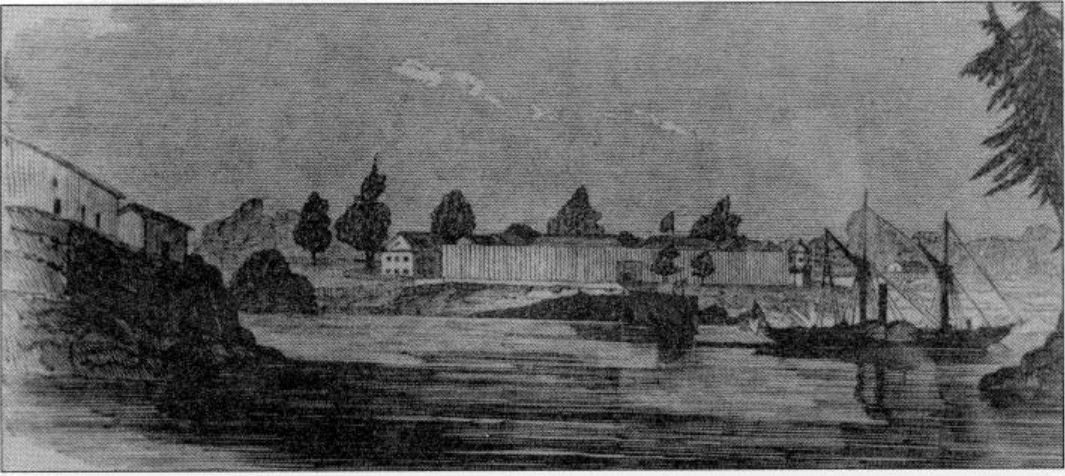
Originally published in Discovery, 1993:3. Summer 1993. By Grant Keddie In April 1843, native people were hired to cut posts for the walls of the first non­native buildings on the southern tip of Vancouver Island: Fort Camosun. They were given a 2’/2-point Hudson’s Bay blanket for every 40 posts, each measuring 3 feet in diameter by 22 feet long (1×7 m). On I June, about 40 men and 3 officers from the Hudson’s Bay Company began building the fort. The fort was initially referred to as Fort Camosun, and then between 6 August and 4 December as Fort Albert, in spite of an official letter dated 14 April from the Hudson’s Bay Company, which refers to the general location as: … Continue reading “Victoria. A Place of Strong Fibre”
Wooden Self-Armed Fishhooks from the Salish Sea.

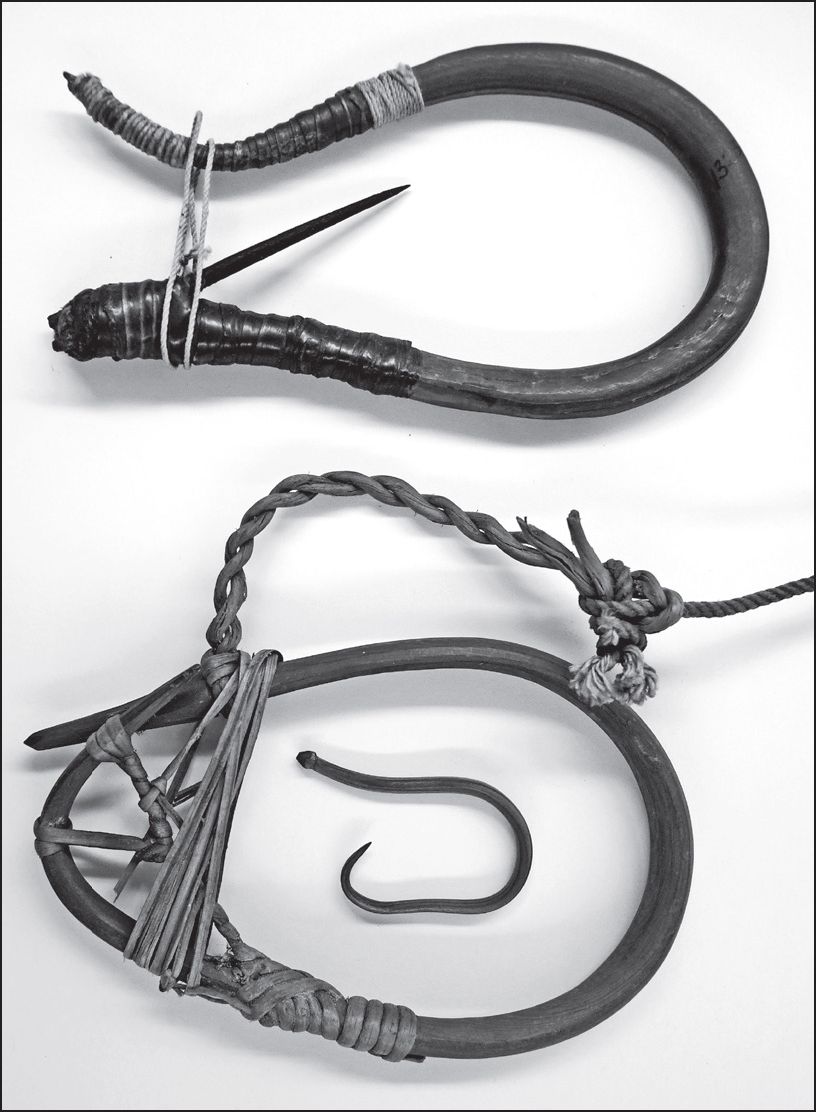
Chapter in Waterlogged: Examples and Procedures for Northwest Coast Archaeologists. Washington State University Press, Pullman, Washington, 2019. Edted by Kathryn N. Bernick. By Grant Keddie Wet sites contain many artifact types that link the archaeological and ethnographic records. Occasionally they also produce objects that do not match the known record. Here, I expand upon our knowledge of one unusual type, the self-armed wooden fishhook, and examine Croes’ (2003:52—55) hypothesis that the technology survived into postcontact times on the northern Northwest Coast but not in the south. This hypoth­esis assumes that self-armed wooden fishhooks were used for catching cod in both regions. However, ethnographic and ethnohistoric evidence for the northern coast indicates that self-armed wood hooks were used to catch sablefish rather than … Continue reading “Wooden Self-Armed Fishhooks from the Salish Sea.”

A Modern Stone Figure on a Lekwungen Landscape

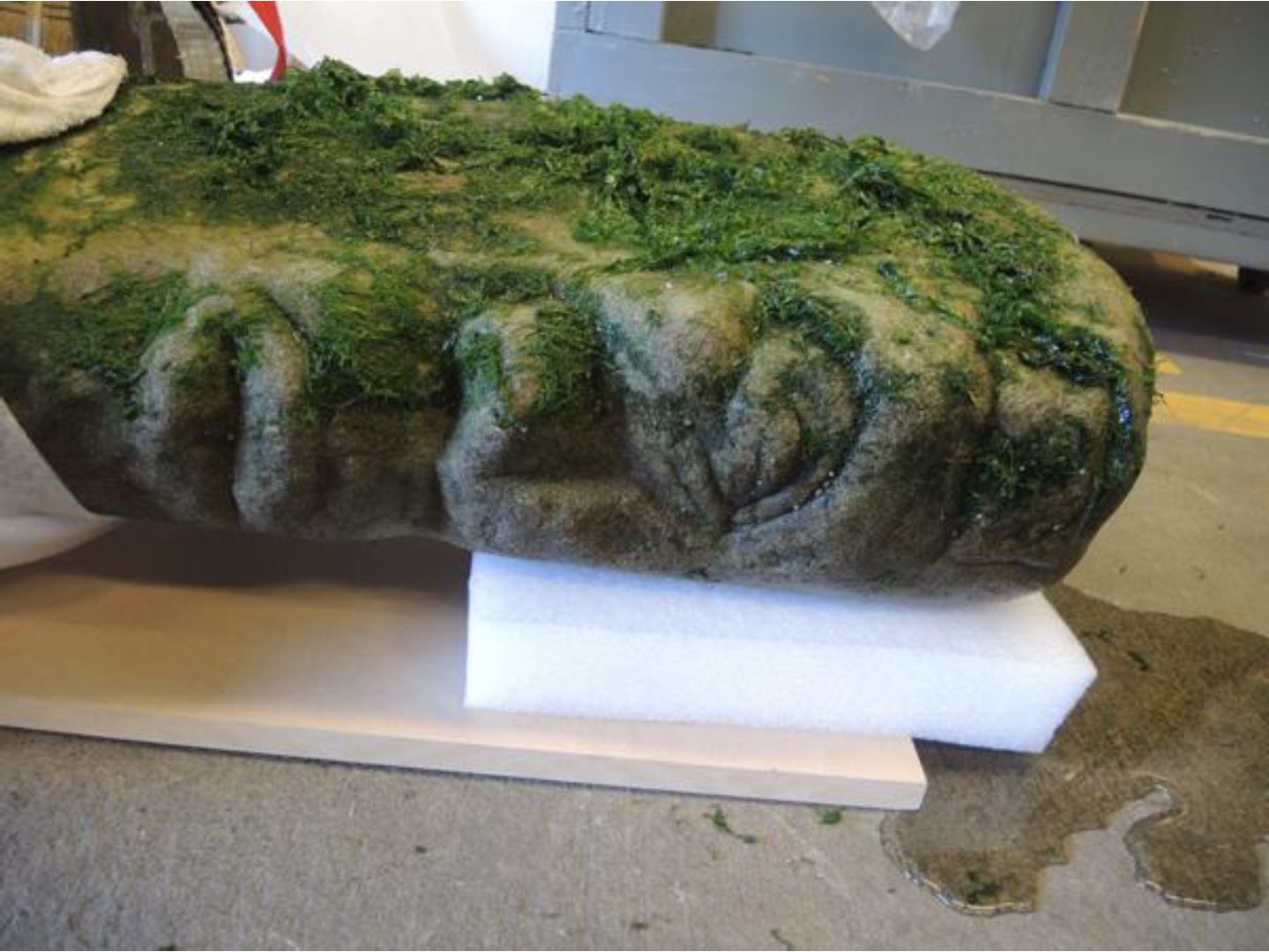
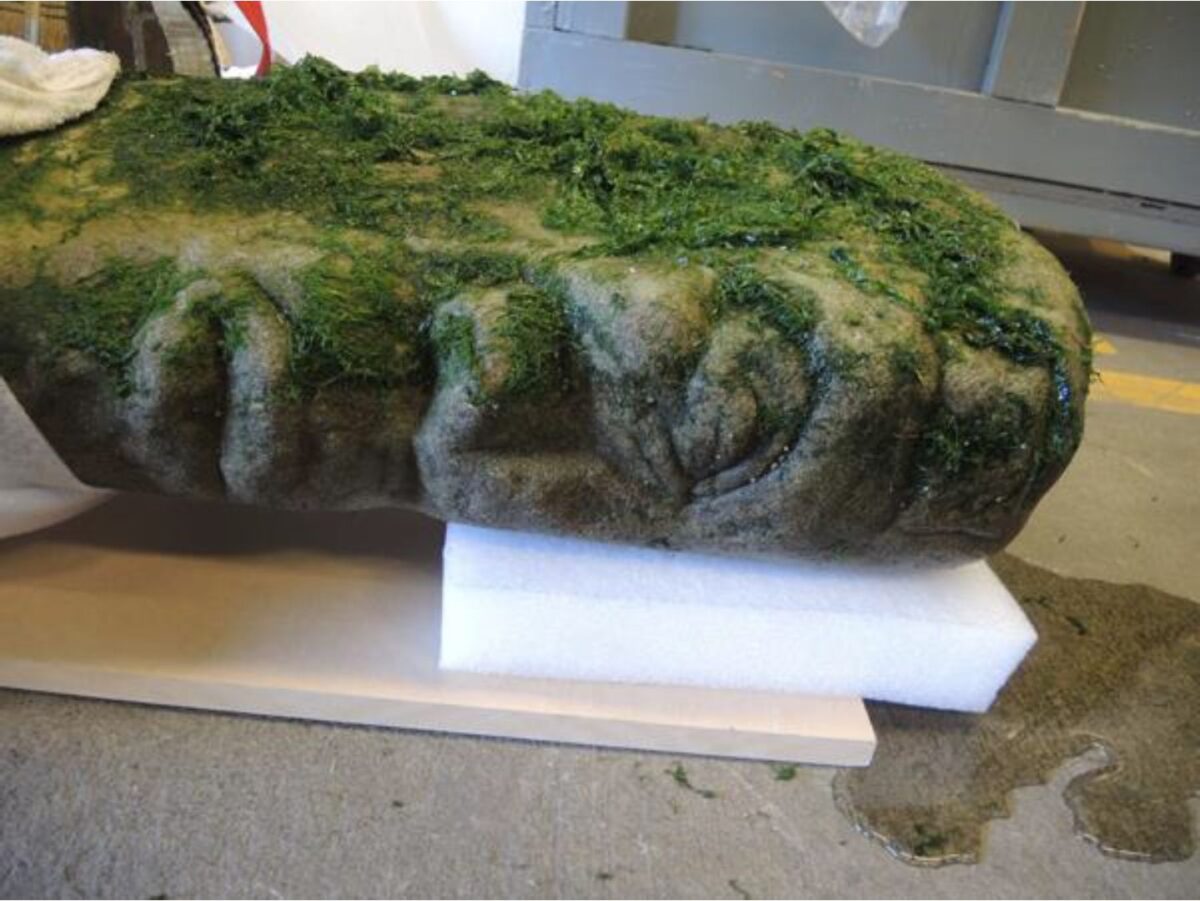
By Grant Keddie 2021. By Grant Keddie In the summer of 2020, I recovered a large 240 lb stone figure with a team of four others from the waters near Finlayson Point on the southern shores of Victoria (see Appendix 1). At the time I looked at the cultural context and physical evidence and determined that I would treat the cultural landscape and oral history as the more favourable evidence that the stone figure was likely to be an old Indigenous ritual figure. It turned out that I initially erred on suggesting that the stone figure was an old one when a modern-day stone carver told the media that he carved the stone. Here I provide a summary of how … Continue reading “A Modern Stone Figure on a Lekwungen Landscape”

Bird Leg Rings

Bird Leg Rings on the Northwest Coast? By Grant Keddie There are a variety of small artifacts found on the Northwest Coast that are often assumed to be forms of body adornment. Some of these likely had other functions. Three examples described here, might normally be assumed to be pendants. I think we should consider the possibility that these may have been used as bird leg rings for holding live decoy birds or pets. A common type of artifact in Polynesia is the kaka poria or bird leg ring made of stone or whale, bird and human bone. They were used to hold tame kaka birds (Nestor meridionalis) as a decoy for capturing wild birds in the forest (Phillips 1955:145). … Continue reading “Bird Leg Rings”