Indigenous Bark Shredders of British Columbia

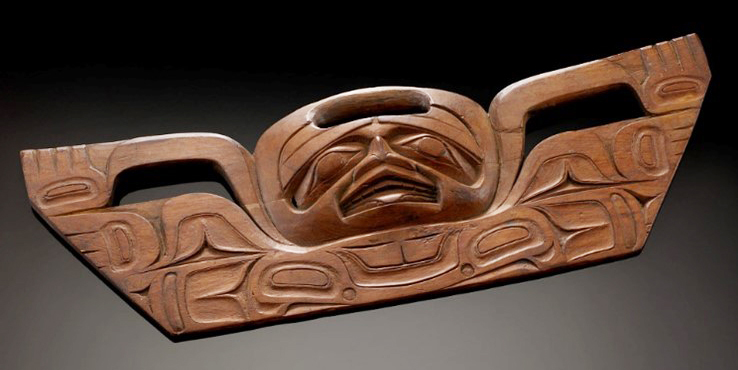
August 05, 2024. Preface The study of the history of bark shredders and bark beaters is important as they were used in the production of one of the most significant raw materials used by Indigenous peoples on the coast of British Columbia – cedar. As Richard Hebda has shown: “Beginning about 5,000 years ago, closed forests dominated by Douglas-fir and including western red cedar (Thuja plicata) and western hemlock developed in the region as climate cooled and moistened” (Hebda 2024). Richard Hebda and Rolf Mathews (1983) showed the correlation between the “maximums of the cedar pollen curves 2000 to 5000 years ago and the development of massive timber working”. They suggested that “it was only during the latter part of … Continue reading “Indigenous Bark Shredders of British Columbia”
Mistaken Indigenous Wool Dogs

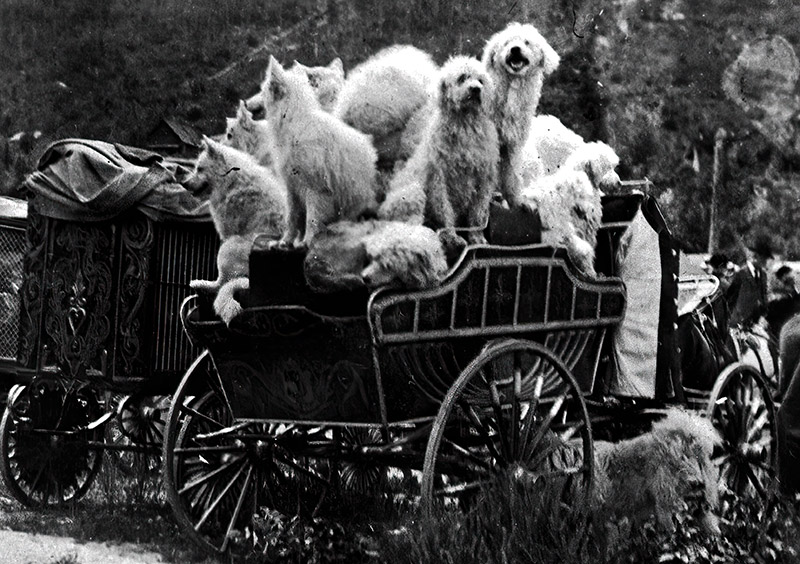
By Grant Keddie. June 3, 2023. Introduction It has occasionally been assumed that photographs of small white dogs with Indigenous people or on Indigenous reserves in late 19th and early 20th century are “wool dogs”. This is not likely the case as these dogs had become extinct as a physical type before this time period. The dog images referred to above do not fit specific characteristics of the wool dogs and are most likely one of several varieties of small white dogs introduced from Europe as far back as the 1850s. See Appendix 1 for the images and commentary on dogs suggested as wool dogs. In 19th century British Columbia non-Indigenous dogs were brought here by explorers, gold miners, surveyors, … Continue reading “Mistaken Indigenous Wool Dogs”

Mat Creasers and Cattails

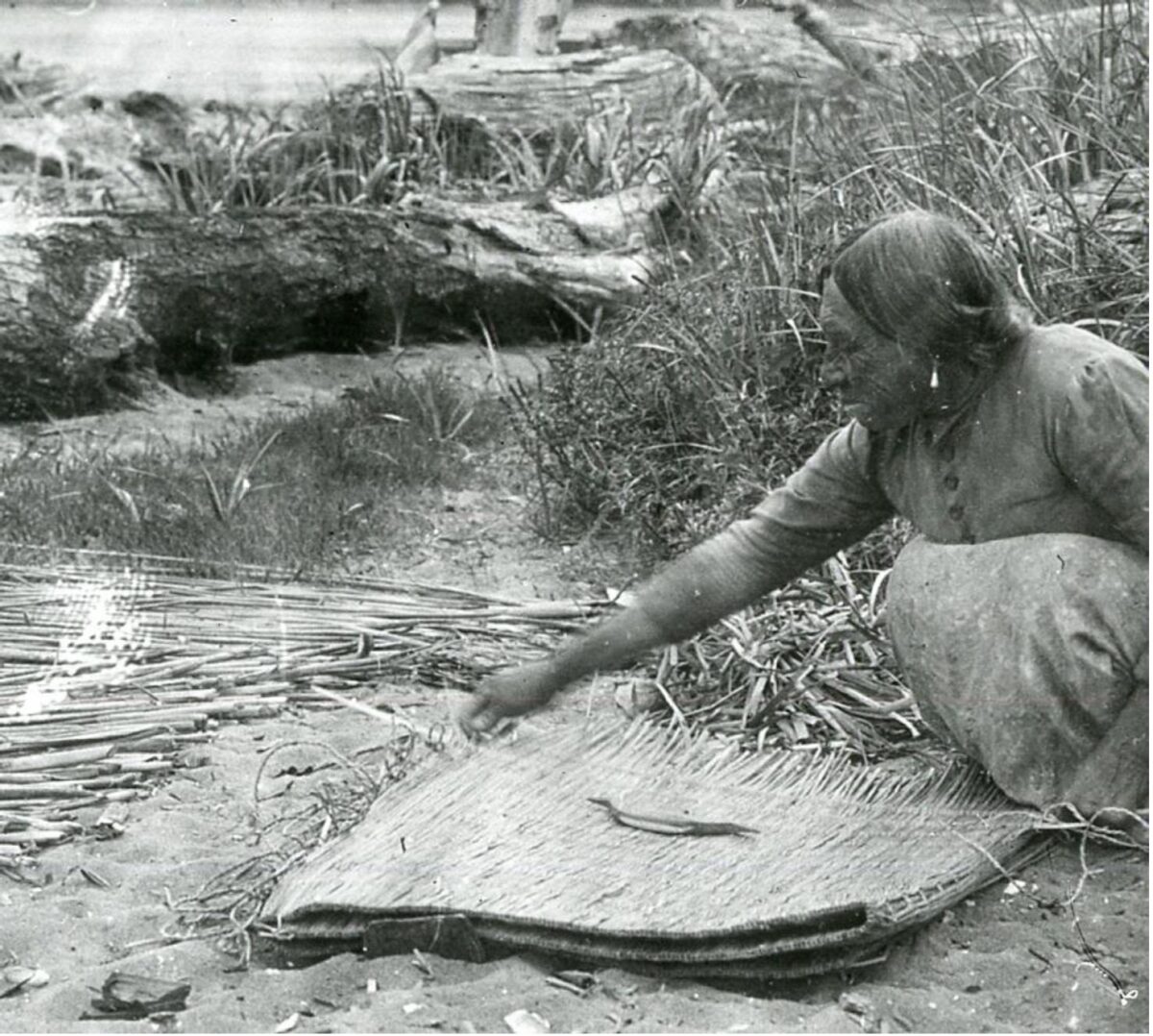
By Grant Keddie.   April 10, 2023. Introduction Cattail (Typha latifolia) mats were one of the most prolific artifacts found in traditional cultures in coastal areas of southern British Columbia and northwestern Washington State. They were used to construct the walls and roofs of temporary shelters at fishing camps, for insulating walls in winter houses, as covers to protect canoes and their contents, for light baskets, for bedding, sitting on and as mats for storing food and preparing food on. What are called mat creasers were important tools used in the production of a number of these cultural items. A mat creaser was an important tool that, used in conjunction with a needle, crimped the split cattail reeds in order to … Continue reading “Mat Creasers and Cattails”

Wooden Self-Armed Fishhooks from the Salish Sea.

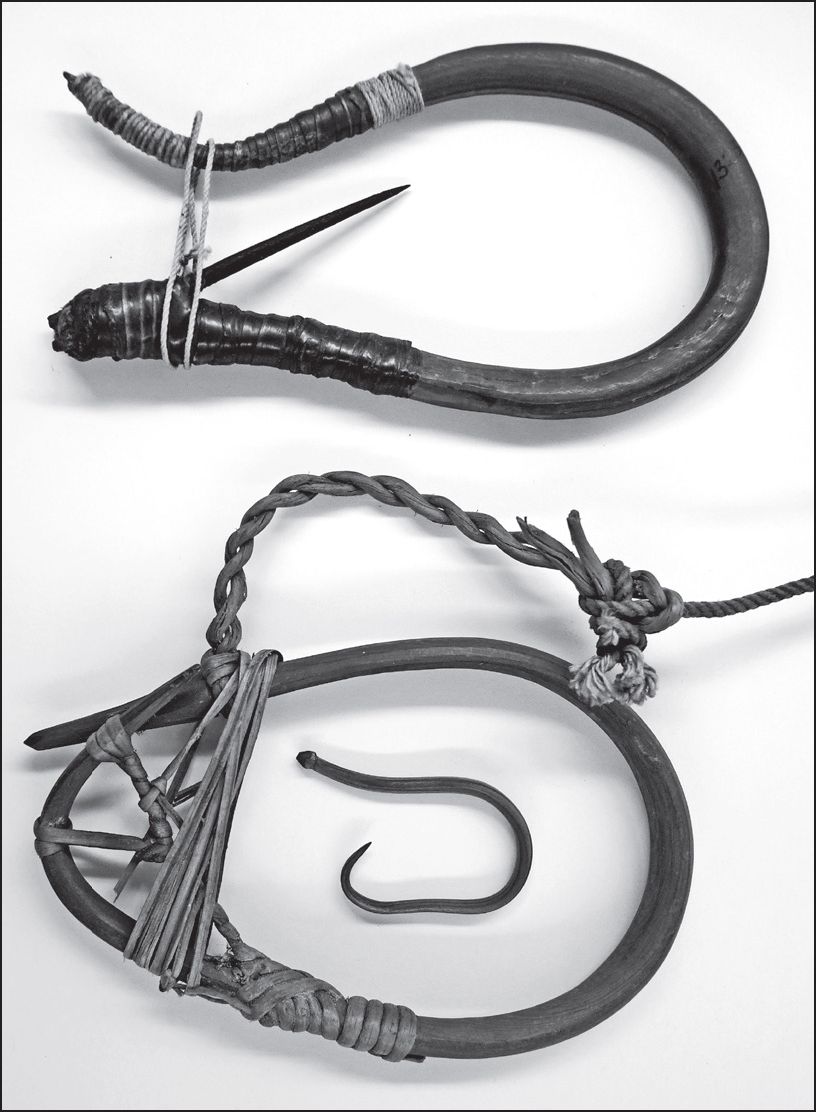
Chapter in Waterlogged: Examples and Procedures for Northwest Coast Archaeologists. Washington State University Press, Pullman, Washington, 2019. Edted by Kathryn N. Bernick. By Grant Keddie Wet sites contain many artifact types that link the archaeological and ethnographic records. Occasionally they also produce objects that do not match the known record. Here, I expand upon our knowledge of one unusual type, the self-armed wooden fishhook, and examine Croes’ (2003:52—55) hypothesis that the technology survived into postcontact times on the northern Northwest Coast but not in the south. This hypoth­esis assumes that self-armed wooden fishhooks were used for catching cod in both regions. However, ethnographic and ethnohistoric evidence for the northern coast indicates that self-armed wood hooks were used to catch sablefish rather than … Continue reading “Wooden Self-Armed Fishhooks from the Salish Sea.”