The Rocks of Harling Point

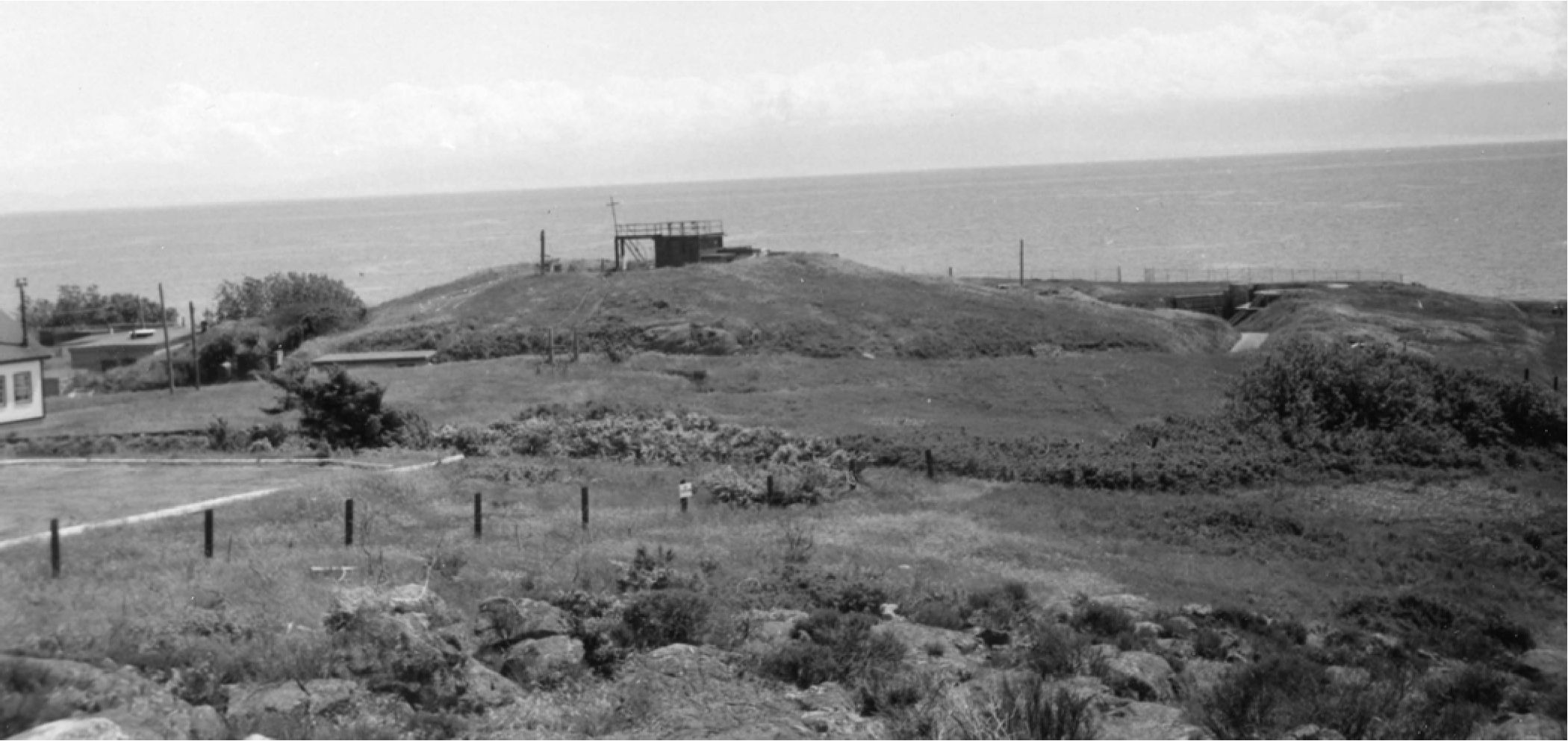
Originally published in Discovery, 19(1). Winter 1991. By Grant Keddie One of the most fascinating places to visit on southern Vancouver Island is Harling Point in the Victoria municipality of Oak Bay between Gonzales Bay and McNeill Bay. Many people go to Harling Point to see the Chinese cemetery. You can walk up to the large concrete cremation pillars and altar and see where, in the early 1900s, relatives placed food and burned colourful rice-paper offerings for the dead. The Chinese traditionally choose locations for important cultural activities, such as burials, that are in harmony with nature by following the practice of feng-shui. In Western terms, this is geomancy, the selection of particular sites of land whose inherent qualities are … Continue reading “The Rocks of Harling Point”
James Squameyuqs

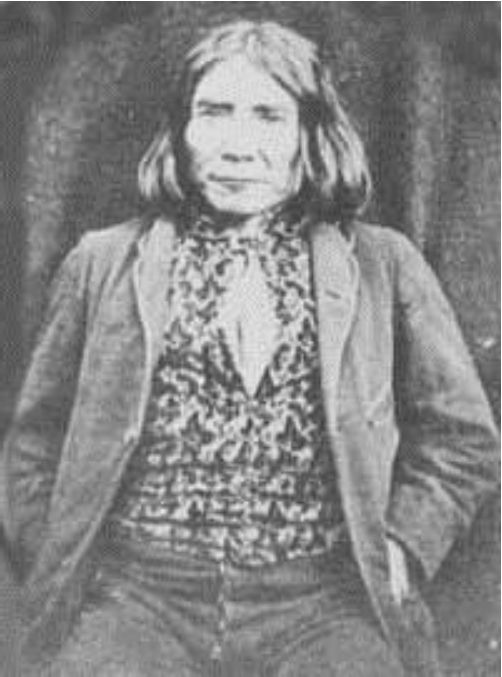
By Grant Keddie James Squameyuqs–Songhees Chief 1864-1892 James Squameyuqs (Grand fir tree), also spelt as Scomiak, Comey-uks, Kumayaks, Skomiax, Skomiak, Scomiax and Somiax, was born about 1797. On 12 November 1864 he became the second chief of the Songhees since the founding of Fort Victoria. “Comey-uks” is the second person listed on one of the aboriginal treaties made by Governor James Douglas in 1852. This treaty was called the South Saanich Treaty, but included the area south of the territory of the Saanich people, from Cowichan head to Mount Douglas. Songhees band member James Fraser related how his grandfather, the first Songhees chief, named Freezy, or Chee-al-thluc, “invited James Kumeyaks of Sidney Island to move to Victoria”. In 1867 Squameyuqs’s home … Continue reading “James Squameyuqs”

The Archaeology and History of Macaulay Point.

By Grant Keddie. Inspired by the Landscape As Donald Macaulay with his Tsimshian wife Margaret and the first four of their six daughters Mary, Flora, Catherine and Sarah, gazed out at the beautiful ocean view and the fields draped with blue camas, he must have been reminded of his native home on the Scottish Isle of Lewis. It was 1850, and Macaulay was bailiff of the new 600-acre Viewfield Farm owned by the Puget Sound Agricultural Company. Macaulay could hardly have known that this landscape would one day be named after him. Or that it would become a popular military camp in the late 1890’s, where Victoria’s citizens flocked to witness regimental demonstrations. Macaulay Point was first named Sailor Point … Continue reading “The Archaeology and History of Macaulay Point.”

The Victoria Legislative Building Properties and Indigenous Peoples

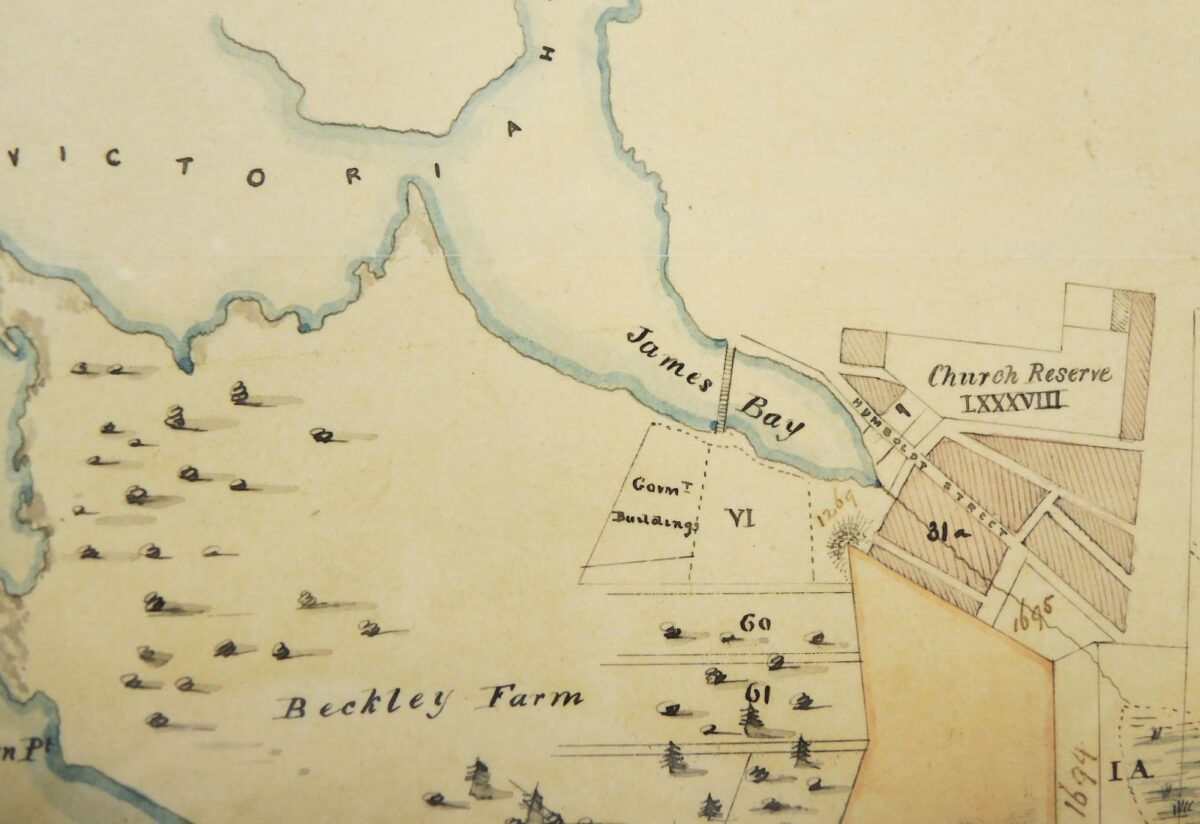
By Grant Keddie (June 11, 2020) The properties on which our legislative buildings are now located in Victoria Harbour are within the traditional territory of the Lekwungen First Nations, today represented by the Esquimalt and Songhees Nations. There is clear evidence in the form of written documents and maps that James Douglas intended this property to become an Indigenous Reserve as part of the treaty settlements of 1850. (See Appendix 1: The Paper Reserve.) The legislative property is shown on this 1862 map to the left of lot VI belonging to James Douglas. It is located at the southern foot of the James Bay Bridge. (BC Archives 11520A. Part of Beckley Farm No.4.) The Lekwungen people were rightfully compensated, in … Continue reading “The Victoria Legislative Building Properties and Indigenous Peoples”

The 1843 Observations of the Lekwungen People by Jean Baptiste Zacharie Bolduc.

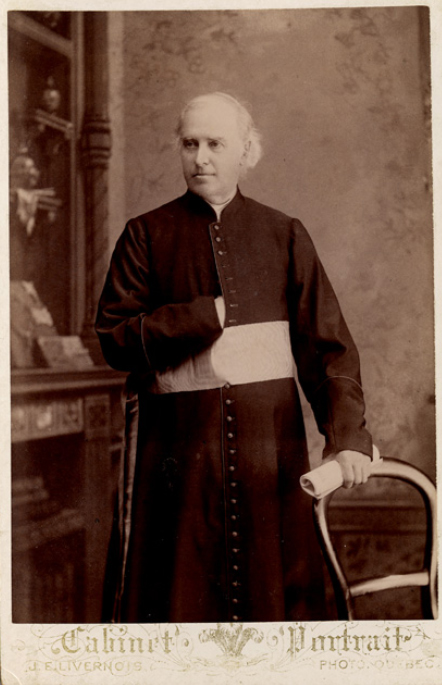
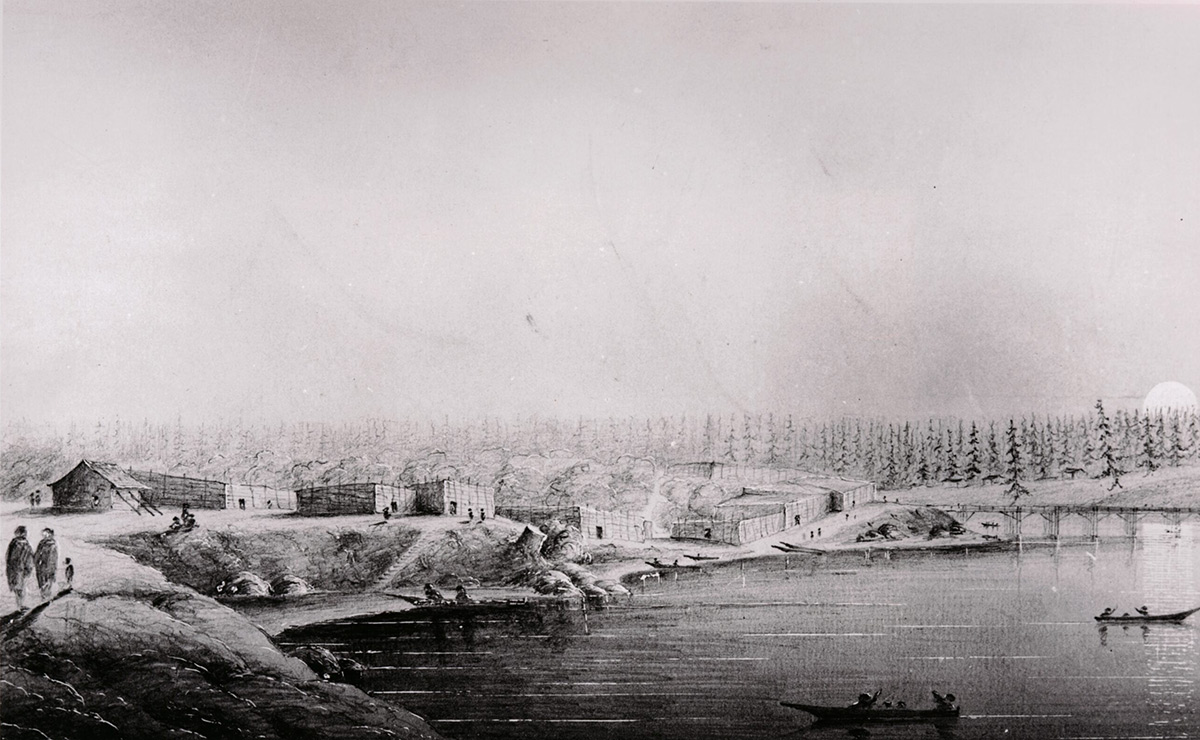
During the first visits of Hudson’s Bay Company officials to Victoria Harbour—William McNeil in 1837 and McNeil with John Work and John McLoughlin in 1839—there was no information recorded about the Indigenous Lekwungen peoples of the area. (Keddie 2003) The first information was recorded in 1842 during the visit of the company’s James Douglas to settle on the location of the future Fort Camosun—later Fort Victoria. It was during Douglas’s second visit in 1843 that he brought along the Québécois Jesuit Jean Baptiste Zacharie Bolduc, a missionary who was part of the Quebec Mission to the Pacific Northwest (fig. 1). The accounts of the Bolduc provide some of the most important observations of the Indigenous peoples in the Victoria region, more so than … Continue reading “The 1843 Observations of the Lekwungen People by Jean Baptiste Zacharie Bolduc.”

The Victoria Smallpox Epidemic of 1862

By Grant Keddie Preface One of the great tragedies in the History of British Columbia was the smallpox epidemic of 1862-63, which killed thousands of Indigenous peoples. A previous pandemic spreading across northern North America from the western Atlantic coast hit British Columbia around 1780, before non-Indigenous settlement in the region. Estimates from other documented areas would suggest that at least 80% of the population may have died from this first introduction of smallpox into the region. This massive interruption would have resulted in the re-alignment of Indigenous societies. In early 1853, a smallpox epidemic spread from the Columbia River to Neah Bay on the Olympic Peninsula of Washington State, causing a heavy death toll in that area. George Gibbs … Continue reading “The Victoria Smallpox Epidemic of 1862”

Dogs of Siberia. Food for Thought on Indigenous dogs of British Columbia.

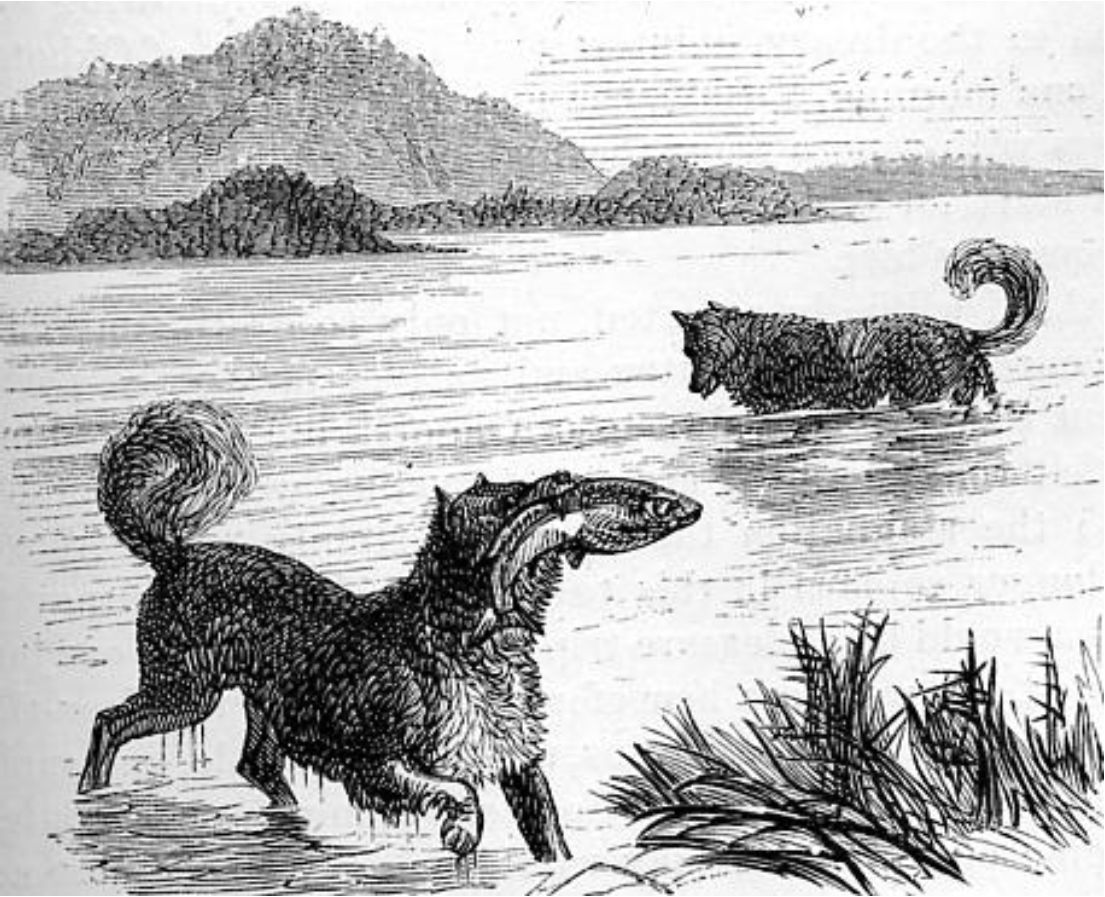
2022. By Grant Keddie. Introduction Studies on Indigenous dogs and wolfs have greatly expanded in recent years with an emphasis on genetic evolution and isotopic analysis to examine regional differences in food consumption, numbers and other cultural patterns (Fedge et. al. 2021; Peri et. al. 2021; Albizuri et. al. 2021; Ramos-Madrigal et. al. 2021; Coelho et. al. 2021; Feuerborn et. al, 2021; McKechnie et. al. 2020; Frantz et. al. 2020; Bergstrom et, al, 2020; Mikkel-Holger 2020; Hillis et. al. 2020; Harris 2020; Sinding 2020; Ameen et. al. 2019; Leathlobhair et. al. 2018; Losey et. al. 2018 & 2020; Germonpre, Mietje et. al. 2017; Lee et. al. 2015; Shannon et. al. 2015; Ames et. al. 2015; Loftus et. al. 2014; Asch … Continue reading “Dogs of Siberia. Food for Thought on Indigenous dogs of British Columbia.”

James Keddie and the Legend of the Dragon’s Hole of Kinnoull Hill, Perth, Scotland.

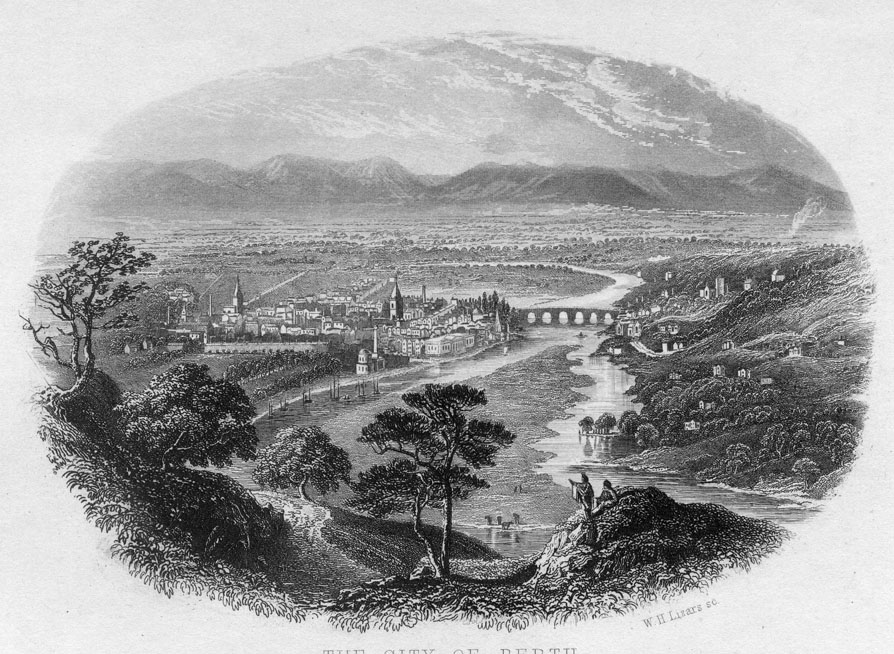
By Grant Keddie, The legend of the Dragon’s Hole on Kinnoull Hill outside Perth, is about dragons, magic stones, Beltane rituals, Christian appropriation, an echoing hollow, the Scottish hero Wallace’s hide out, Saints and one of my prankster ancestors James Keddie. Through his actions around 1600, James Keddie, a tailor living in Perth, managed to wedge himself into the story. The legend has become a blend of different versions from different times. Changes in names and places in stories take a different focus for new story tellers, as I do here by providing more of a highlight on one of my ancestors and their role in this convoluted story of the Dragon’s Hole. The Setting The scene of the dragon’s … Continue reading “James Keddie and the Legend of the Dragon’s Hole of Kinnoull Hill, Perth, Scotland.”