Butchering Sea Lions with Stone Tools

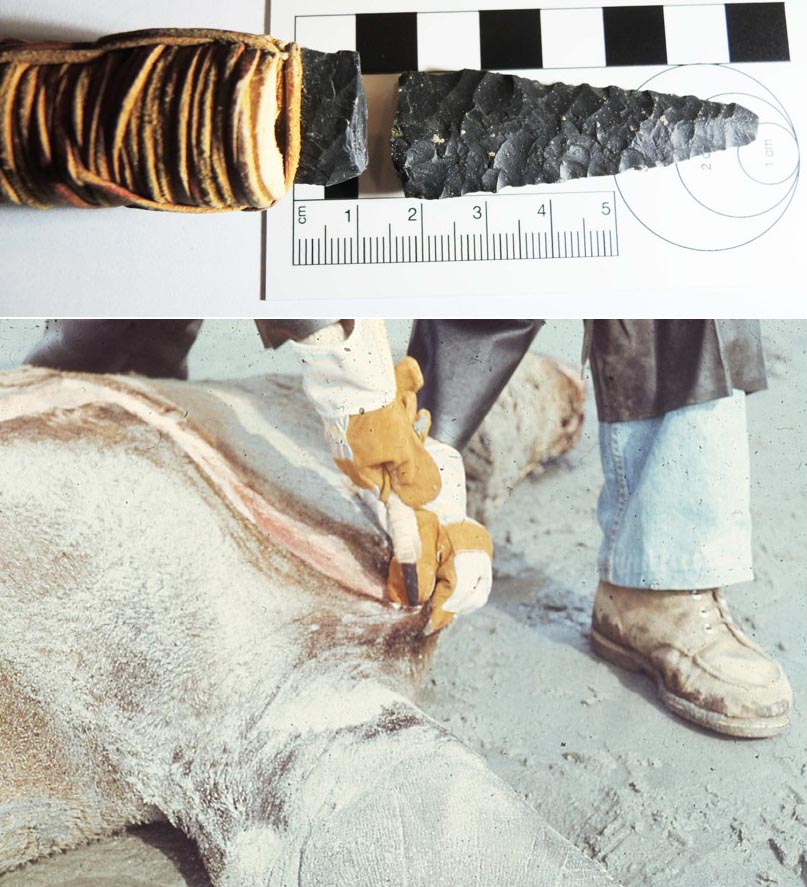
Preface “Carcass butchery is a culturally mediated behavior that reflects the technological, social, economic and ecological factors that influence human diet and foodways. Butchery behavior can thus reveal a great deal about the lives of past peoples” (Egeland et. al. 2024). Egeland. et.al., examined 236 studies on butchery, published between 1860 and 2021, to observe trends. This involved both studies that involved the reconstruction of ethological knowledge and archaeological evidence. The majority of these were undertaken on large bovids. The authors were interested in making recommendations for future studies. They note that one should look for evidence such as: “cut mark frequences on carcasses of different body sizes and taxon”. Part of this study looked at factors such as what … Continue reading “Butchering Sea Lions with Stone Tools”
The Extinct Caribou of Haida Gwaii

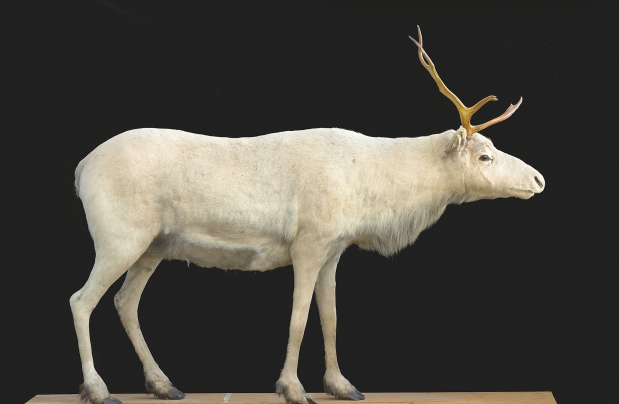
Preface I have always had a love of caribou and was saddened to learn about the extinction of the Dawson caribou (Rangifer tarandus dawsoni) after seeing its physical remains in the (then) Provincial Museum collection. This seemed to have been a preventable extinction. I learned about the importance of caribou and their habitat when doing an archaeological survey of portions of Wells Grey Park in 1970. I met Ralph Ritcey who gave me a copy of his recent paper on the mountain caribou of Well’s Grey (Ritcey 1970). I also met Park supervisor, Charlie Shook (1924-2000). Charlie guided big game hunters to the park in the 1940s, he started as an assistant ranger in the park in 1954, and worked … Continue reading “The Extinct Caribou of Haida Gwaii”

Lekwungen Resources. Part 2. Birds

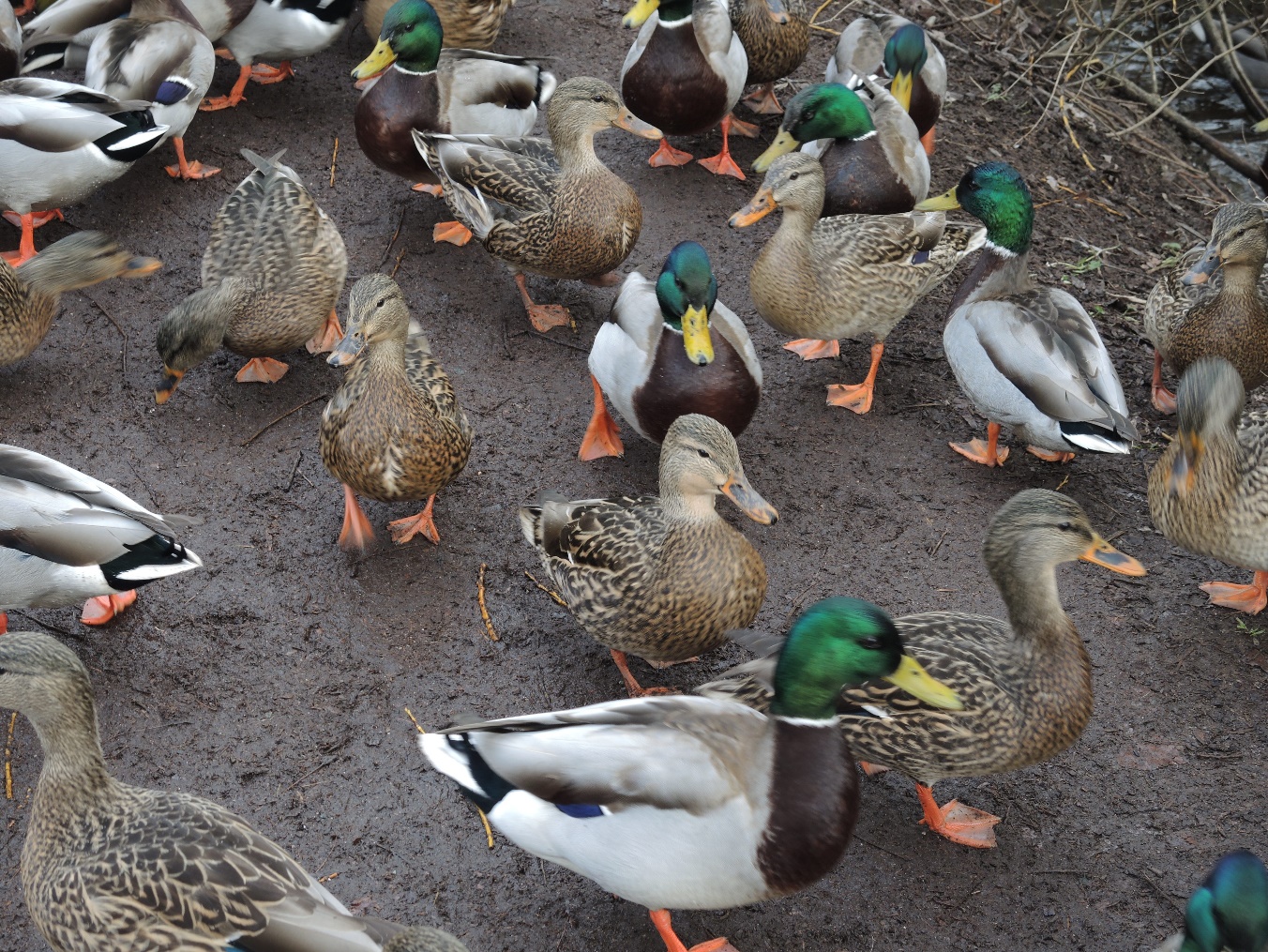
By Grant Keddie Introduction The Lekwungen needed to be keen observers of the natural world of which they are part. Knowledge of bird behaviour was important not only to secure them as a source of food, but also to inform them about where the fish resources were. Birds were an import feature of ceremonial and religious life which included everything from their display on clothing and masks, to the mimicking of bird behavior in dances, and their role as mythic ancestors. Bird names were given to months as both indicators of time or as important food sources in that month. Birds were imbedded in Lekwungen culture. There are around 390 species of birds sighted in the Greater Victoria Region, many … Continue reading “Lekwungen Resources. Part 2. Birds”

Bird Spears and Bird Arrows

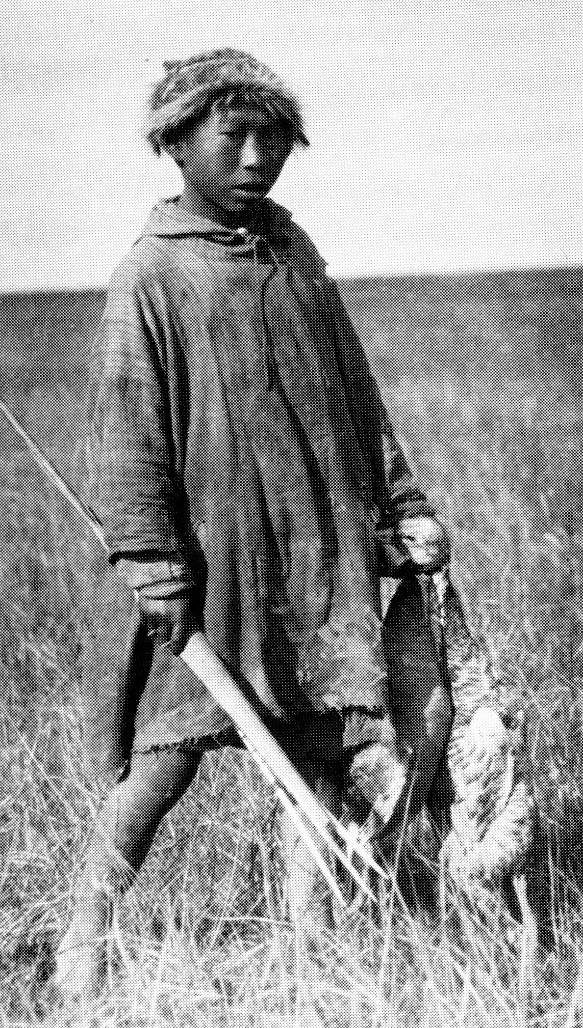
Grant Keddie. 2023. Introduction The identification of bone projectile points found in archaeological sites that were used as components of bird spears and bird arrows are difficult to identify. This is due, in part, to the lack of Museum ethnographic examples with accurate documentation. Old traditional bird spears or arrows are rare in Museum collections. With the introduction of iron and the gun, the components of the spears and arrows changed and then they disappeared from use. Bird spears have several components: a shaft, a central bone point with up to five other bone points of several sizes or two bone points positioned at the same level on the distal end of the spear. Most of these are barbed but … Continue reading “Bird Spears and Bird Arrows”

A Cordova Bay Inland Indigenous Resource Site

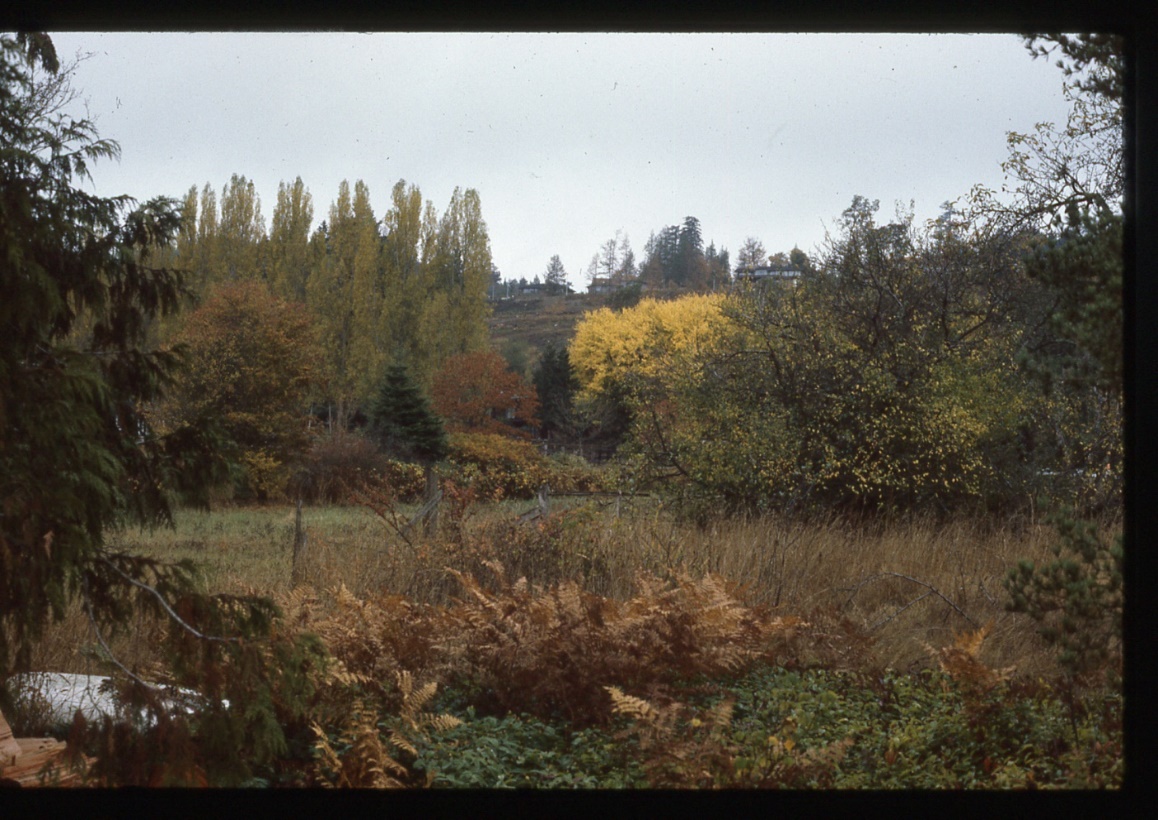
In Greater Victoria, inland Indigenous resource sites have been recorded in the past as a result of people finding artifacts while digging in their yards or construction projects turning them up accidently. They general do not have the easier to distinguish features of fire altered rocks and shell layers that are common in ocean shoreline sites. Archaeological testing was generally not done in the past where there was no previous record of a site being at a specific location. Many individual artifacts have been found along creeks and around swamps in greater Victoria. This archaeological site, DdRu-82, is an uncommon exception in having a large number of artifacts found in a relatively small area. This Indigenous resource location was on … Continue reading “A Cordova Bay Inland Indigenous Resource Site”

Marmot Trap Triggers in the Royal B.C. Museum Ethnology Collection

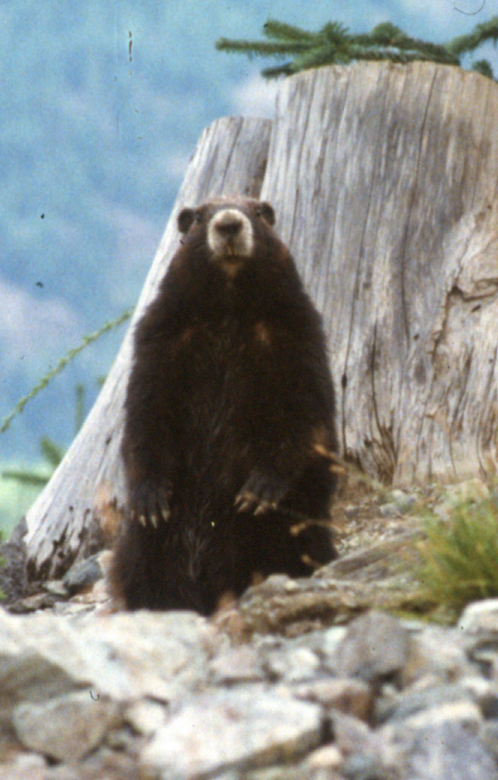
May 28, 2019. By Grant Keddie. Introduction Marmots were hunted in many parts of British Columbia for their furs and their fat content. Both Coastal and Interior peoples went into the mountains every fall to hunt them. Some First Nations continue to hunt marmots. See Appendix 1, First Peoples and Marmots of British Columbia, for a detailed overview of the role of marmots in Indigenous societies. Deadfall traps and snares of various sizes were used for catching most species of mammals as well as birds. There are several types and sizes of artifacts in this general category of trap devices that were used by the Tlingit and their inland relatives for trapping mainly marmots and ground squirrels. Small deadfall trap … Continue reading “Marmot Trap Triggers in the Royal B.C. Museum Ethnology Collection”

Hunting the Devil

By Grant Keddie Aboriginal peoples, from the central coast of British Columbia to SW Alaska, represent the octopus in their art, myths and ceremonies. All First Nations peoples living along the coast also ate octopuses, which are high in protein. But while there are many historical accounts of skinned octopus arms being used to bait hooks for halibut fishing, there are few descriptions that have been uncovered about where and how octopuses were caught. Some accounts have been found for the south end of Vancouver Island. In 1951, James Fraser of the Songhees told anthropologist Wilson Duff that the “big rock” in Gonzales Bay was called “devilfish rock” and “If you touch that rock, devilfish come up.” It was also … Continue reading “Hunting the Devil”