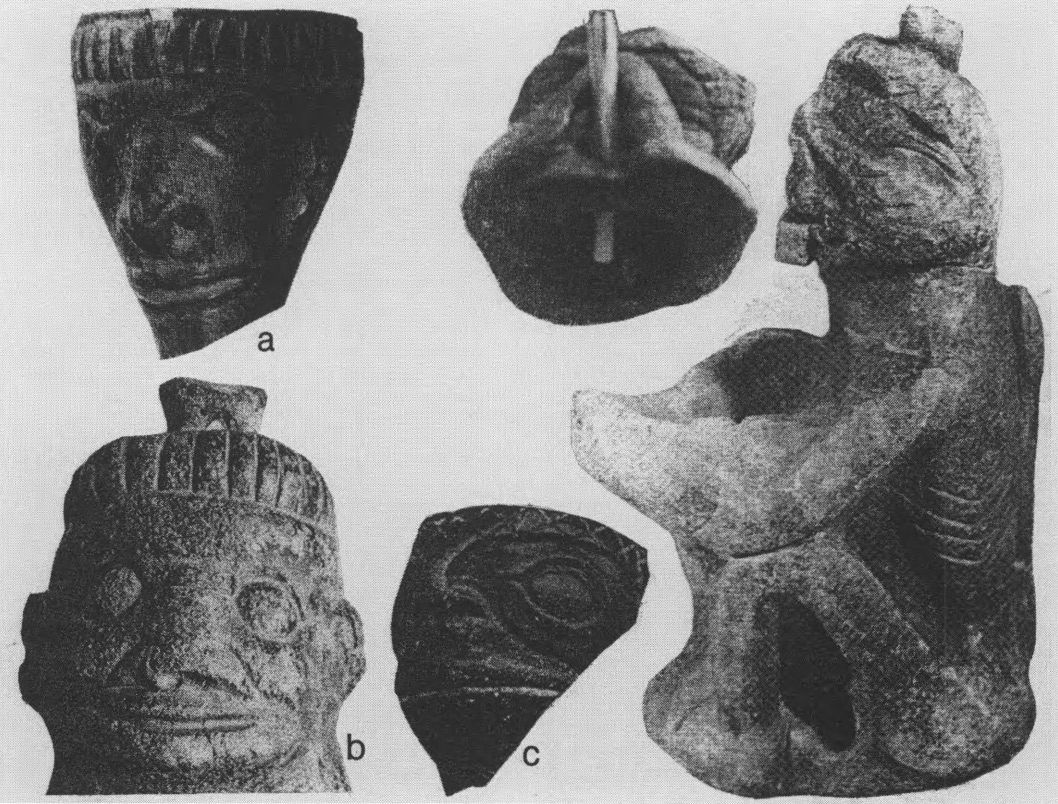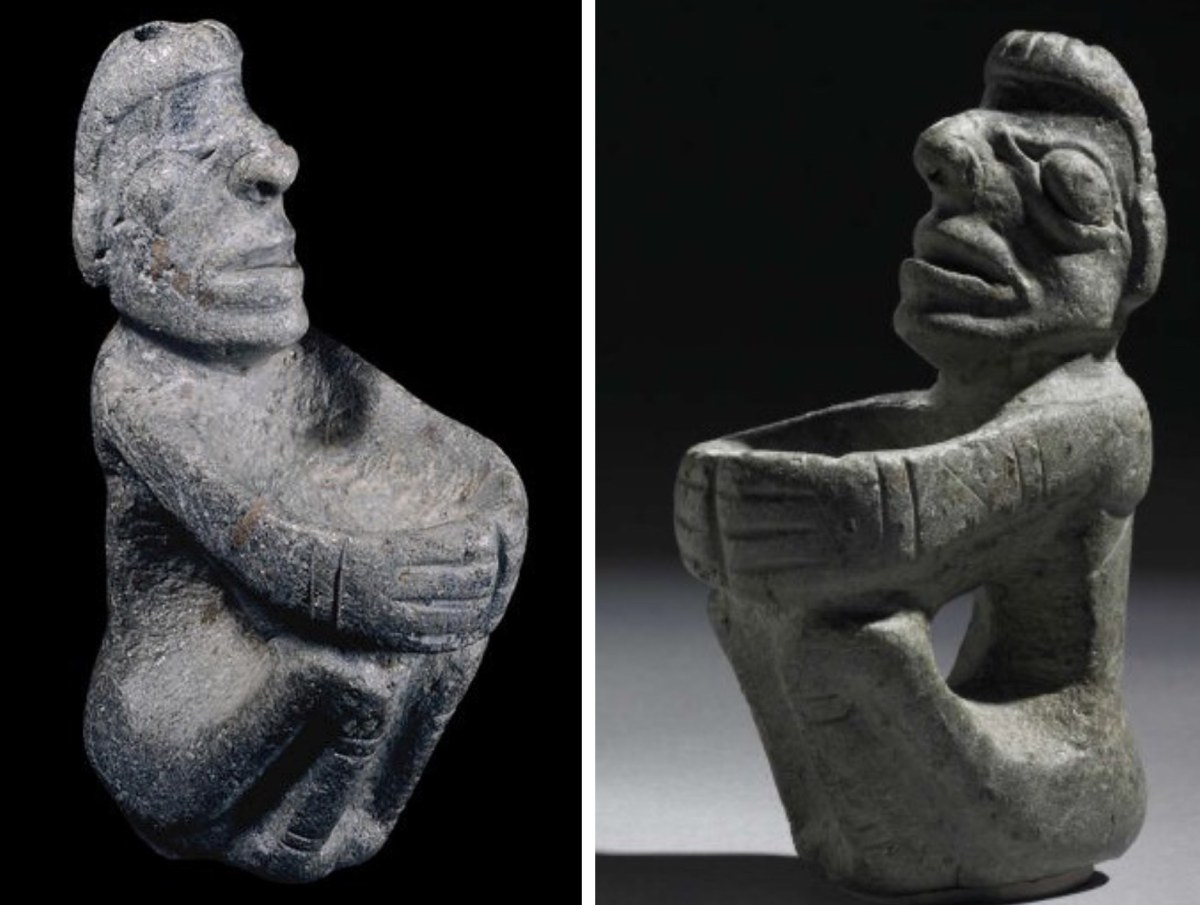
Stone Human Seated Figurine Bowls

Part 3. Cowichan to Courtney Part three includes 12 bowls from locations between Cowichan and Courtney on Vancouver Island, with a few close Gulf Islands included. This is not a complete listing, as there are a number of seated human stone bowls or fragments from private collections that are not included here. Some individuals with private collections, for various reasons, do not want their names made public. I have only included previous owner names here. Many of the images I have copied over the last 50 years from various sources for different purposes. The current location of some and the names of photographers is not known. Porlier Pass Bowl This bowl (Figure 1 & 2), is now in a private … Continue reading “Stone Human Seated Figurine Bowls”
Indigenous Combs of British Columbia

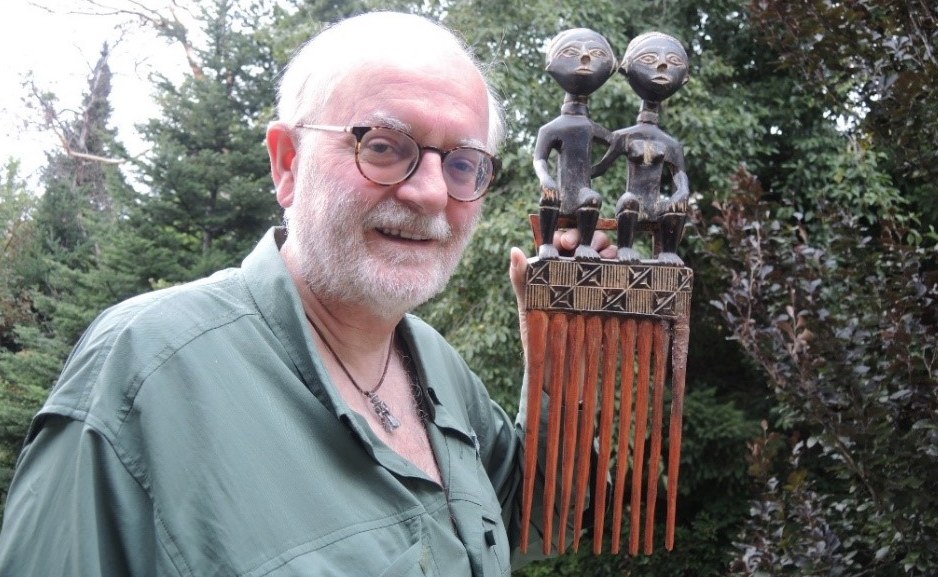
By Grant Keddie. Preface Combs are artifacts used by many cultures around the world over thousands of years. They are used primarily for disentangling and arranging the hair, but also as decorative items for holding the hair and head pieces, they have evolved into symbols of status or authority and cultural identity. To make a point, I show an extreme physical example of an Ashanti comb from Ghana in figure 1. Large Ashanti prestige combs were given by men to women as an act of devotion and commitment. In the 1970s, African combs took on a role in African American culture and politics where they became a sign of solidarity to the Black Power movement as a cultural statement. Combs … Continue reading “Indigenous Combs of British Columbia”

Aboriginal Use and Context of Pipes, Tobacco, and Smoking in Northwestern North America

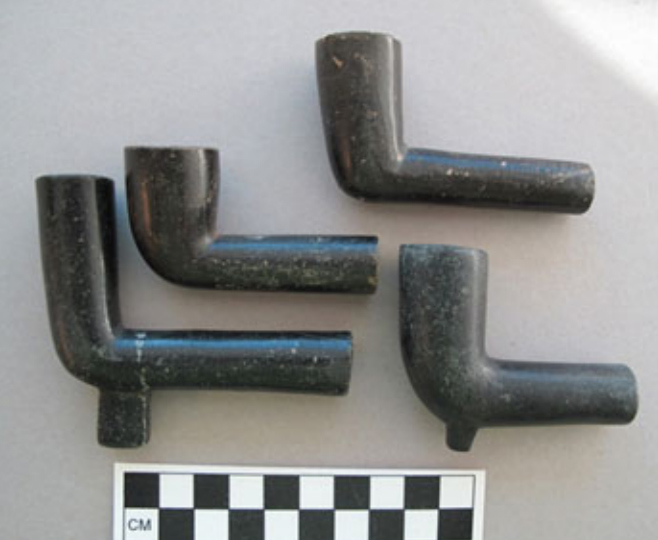
Originally published in Perspectives on the Archaeology of Pipes, Tobacco and other Smoke Plants in the Ancient Americas. Interdisciplinary Contributions to Archaeology. Springer, Cham. 2016. By Grant Keddie 9.1 Introduction Aboriginal groups in the far northwest of North America were some of most northerly Native peoples throughout the Americas to use tobacco (Turner and Taylor 1972). This chapter provides an overview of tobacco consumption and smoking practices of Native peoples living in British Columbia, Canada, and the Northwest Coast of the United States. The discussion breaks the larger region into three subregions— the Interior Plateau of southern British Columbia, the Northern Coast of Alaska and British Columbia, and the Southern Coast of British Columbia—to compare and contrast the uses of … Continue reading “Aboriginal Use and Context of Pipes, Tobacco, and Smoking in Northwestern North America”

A New Look at Northwest Coast
Stone Bowls

Originally Published in Archaeology of Coastal British Columbia: Essays in Honour of Professor Philip M. Hobler. SFU Archaeology Press. 2003. By Grant Keddie Introduction One morning in the spring of 1969, I went with my field-school professor, Phil Hobler, to re­discover the Bella Coola village of Anutcix (FaSu 10) near the mouth of the Kwatna River. When we located the site and its distinct shell mound features, Phil commented on how each site is different and can tell us different things. His teaching style was to have us ask questions rather than just listen to answers. When I found the first donut stone, Phil asked me to look at the evidence and tell him what it was. Today when I … Continue reading “A New Look at Northwest Coast
Stone Bowls”