Where is Urban Archaeology?

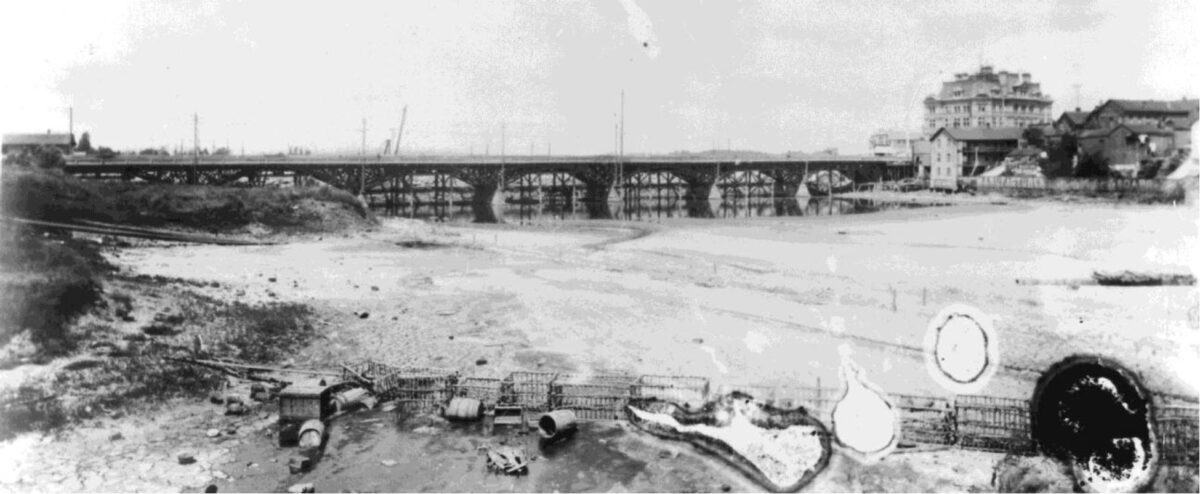
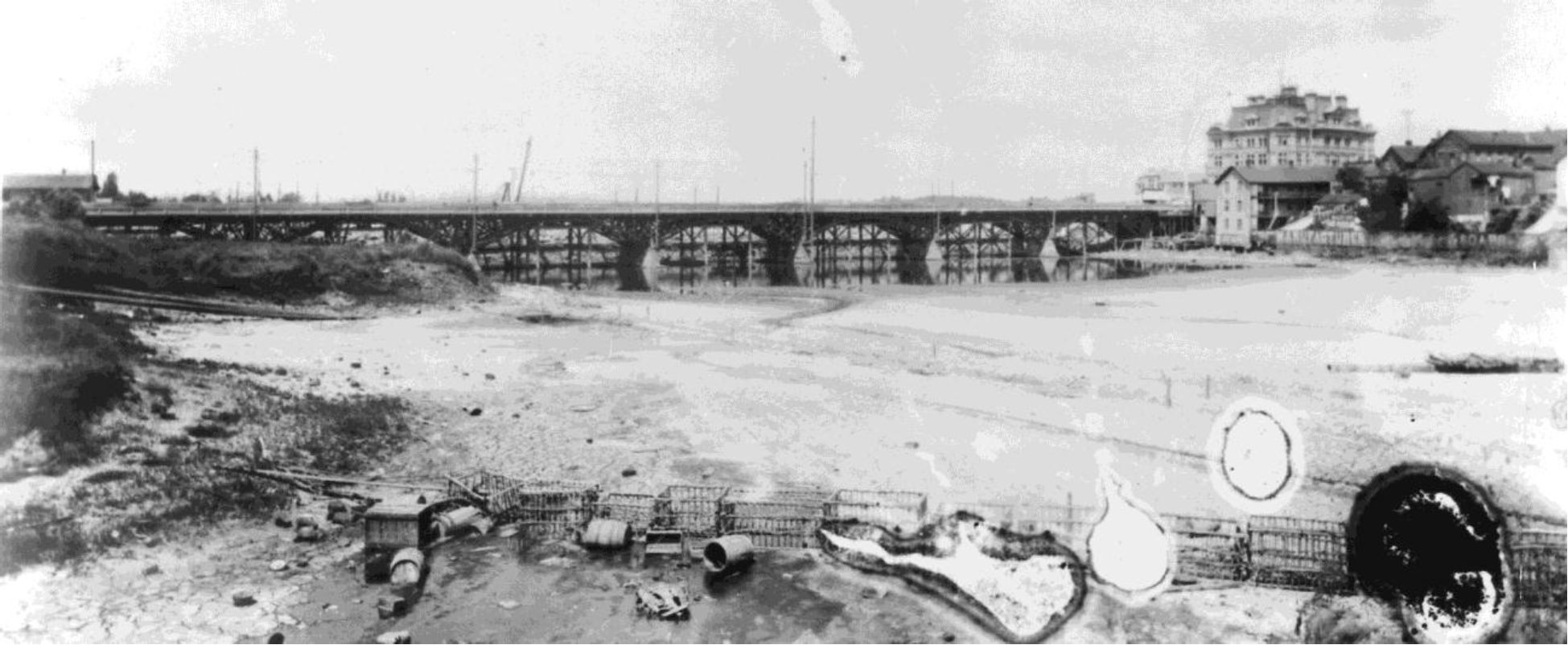
Originally Published in Discovery: Friends of the British Columbia Provincial Museum Quarterly Review, 15(3). By Grant Keddie.  July 1987. Introduction   “Diggers Uncover Bottle Bonanza” read the headline of a Victoria newspaper in October 1981. The article explained that “Excavators have struck it rich while dig­ging at the lawn bowling club beside Crystal Gardens”. There were, in fact, many interesting bottles and ceramic items found by the work crew excavating the foundation for the new clubhouse. But were these really a surprising discovery as the newspaper article seems to suggest? The answer is, of course, no! It was a well-known fact that this area was once the shoreline of James Bay. The area was often referred to around the turn … Continue reading “Where is Urban Archaeology?”
Ulna Bone Tools

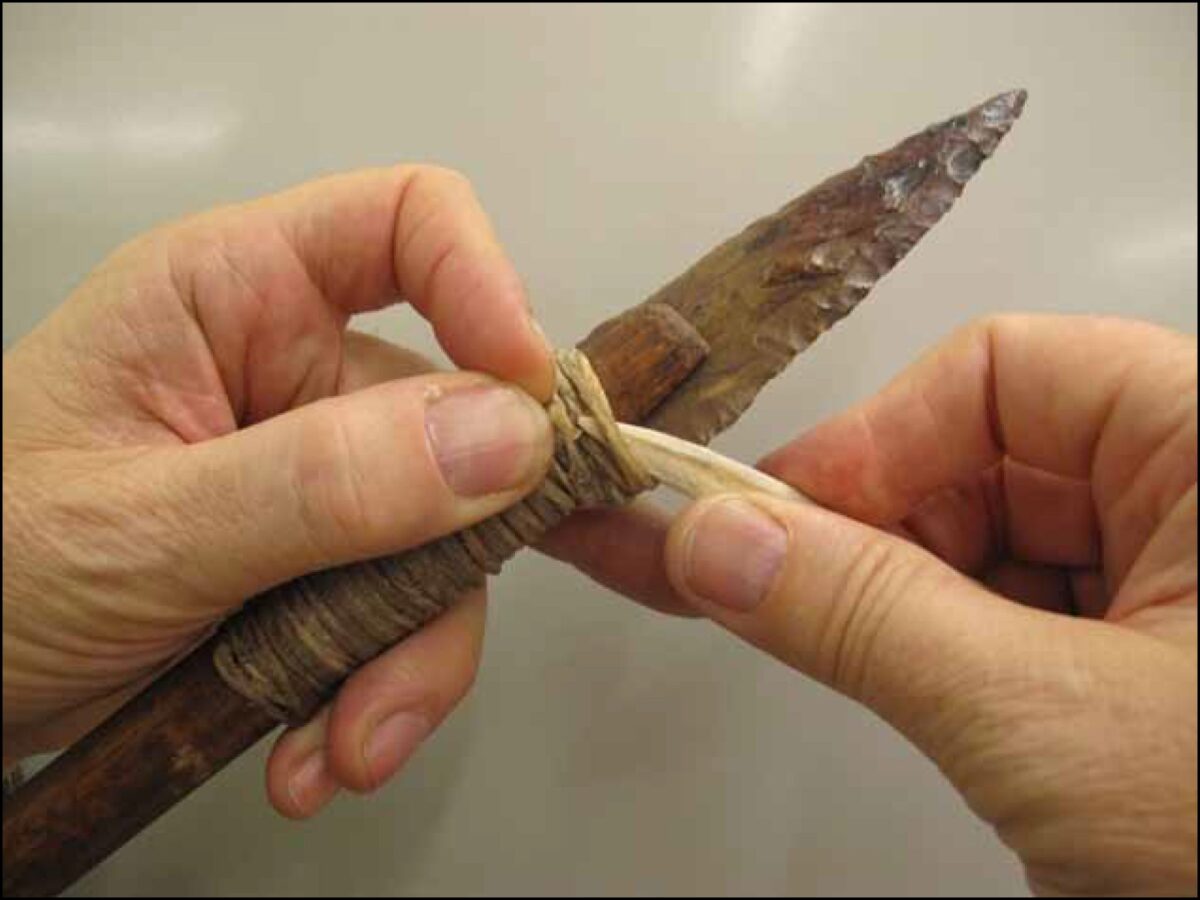
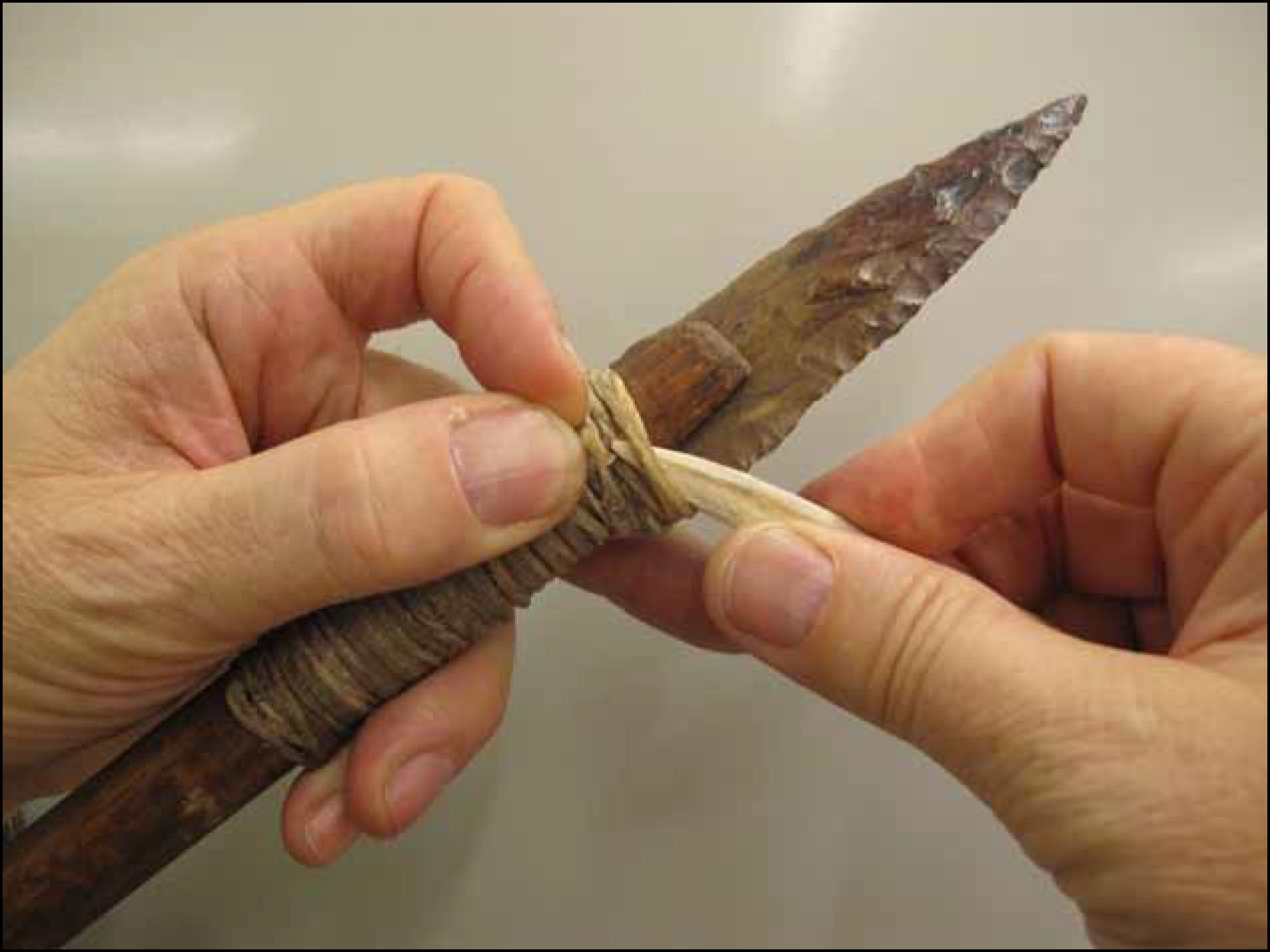
Originally published in The Midden, 44(3/4). Ulna Bone Tools: Identifying Their Function By Grant Keddie. 2012. Ulna tools have several main uses that are often not recognized in the archaeological literature. Based on my own experi­mental uses and an examination of the ethnographic literature, we can describe at least four different common uses of ulna tools. Ulna bones, which are the lower limb bones in animals, have a naturally shaped end that functions as a handle with little or no modification needed, and the pointed end is easy to shape into a functioning tool. The working ends of these tools need to be dif­ferent to fit the intended function. Non-ulna bones with similar ends may, of course, have similar functions. … Continue reading “Ulna Bone Tools”

Stone Cultural Feature in Thunderbird Park

By Grant Keddie.  22-02-2013. Introduction At the Royal B.C. Museum, in Victoria, British Columbia, a large natural stone with a shallow concave surface can be seen outside in the native plant garden near the North-East corner of Thunderbird Park (Figure 1 & 2).     This is a cultural object associated with First Nations that was once located south of Kamloops in the Southern Interior of British Columbia. The recorded details of its history are somewhat confusing. The natural shallow depression on the top of the rock fills with water when it rains, often forming unique patterns on the surface of the water. One could speculate that it may have been used like a mirror (Figure 3). During light rainfalls, … Continue reading “Stone Cultural Feature in Thunderbird Park”

The Atlatl Weapon

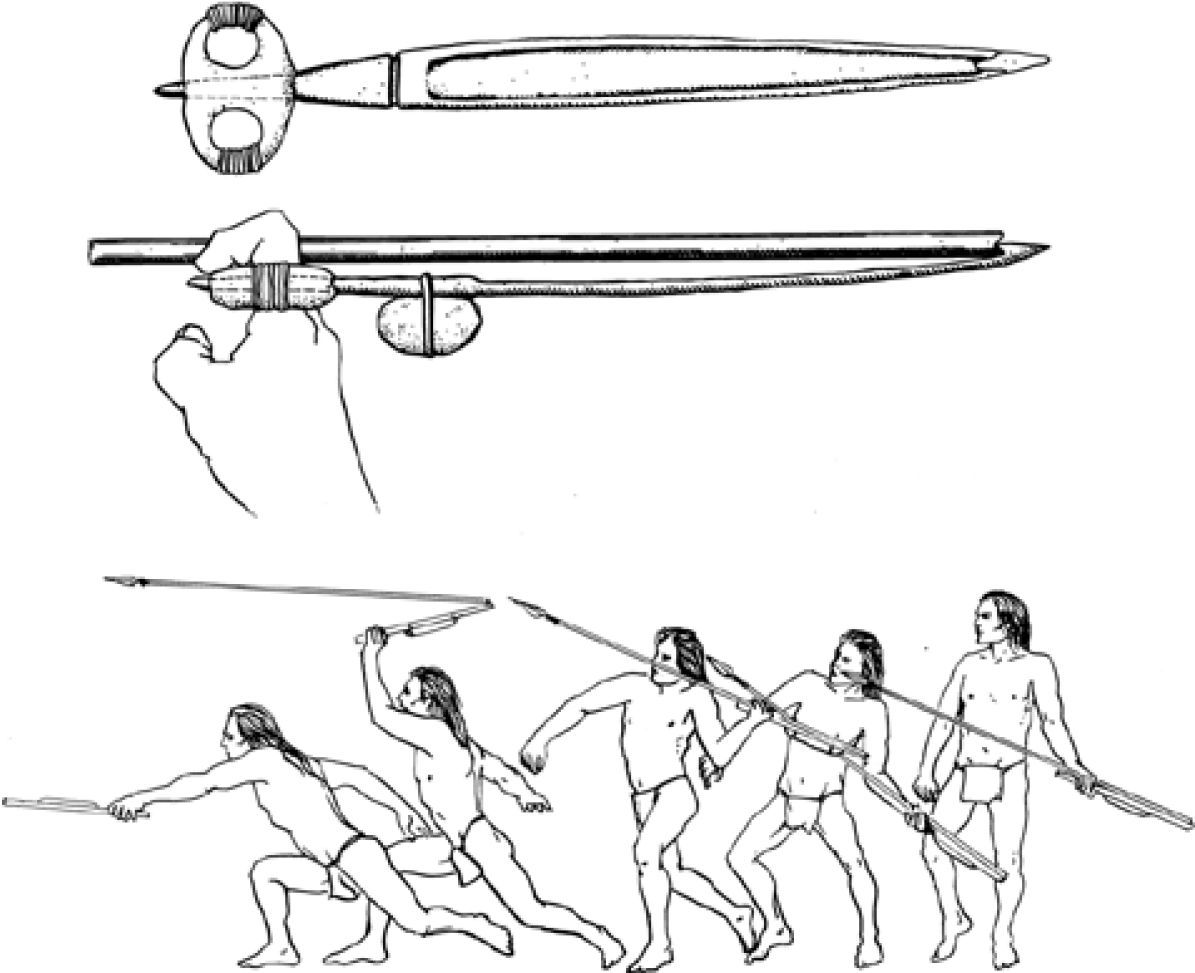
By Grant Keddie. 1988. Introduction The atlatl (pronounced at-ul-at-ul) is a fascinating weapon, used long before the bow and arrow. An atlatl is made of wood or antler, often thin and flat, and ranges from 30 cm to 1 meter in length. One end is held in the hand while the butt of a light spear is placed in a surface groove at the other end. At the end of the groove is a raised spur or attached pin to hold the bottom of the spear in place while it is held in a slightly raised position by the same hand that holds the handle end of the atlatl. Using the leverage of this short board, which functioned like an … Continue reading “The Atlatl Weapon”

JAMES TEIT DOCUMENT ON ROCK PAINTING

Compiled by Grant Keddie. 1982. Introduction The following typescript is from a handwritten letter sent in 1918 by James Teit of Spence’s Bridge, to Francis Kermode – then director of the Provincial Museum of Natural History [now the Royal B.C. Museum]. The original is in the James A. Teit Papers, Mss M3689 in the Glenbow Alberta Institute Archives. It is not known who typed the version I have. I have re-typed it to make it available electronically. The typescript is double spaced on four legal size pages. I have single-spaced it, but did not make any other changes. I left miss-spellings, grammatical errors, the one bracketed word “Render”, and some very long paragraphs. This is an important document, as it was written after Teit had traveled widely and had studied … Continue reading “JAMES TEIT DOCUMENT ON ROCK PAINTING”

Ritual Bowls

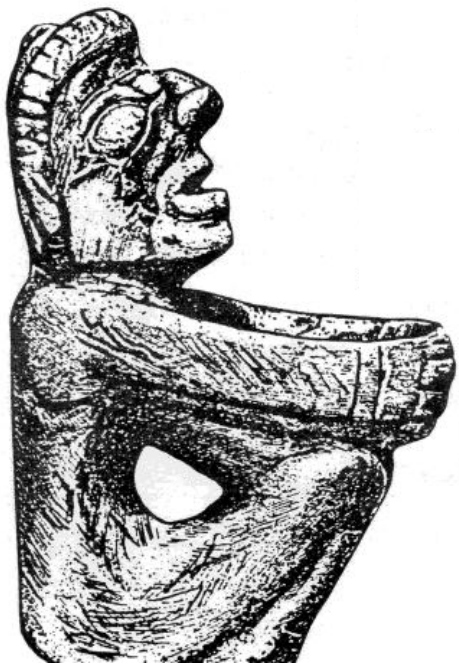
Originally published in The Midden, 14(6). February 1983. By Grant Keddie Ritual Bowls of the Salish Indians: Some Theories Two questions I am commonly asked when giving public demonstrations in artifact technology revolve around the use of stone bowls and whether or not individuals or families specialized in making these and other stone tools commonly found by the archaeologist. The purpose of this article is to 1) provide a brief summary of Wilson Duff’s conclusions regarding his ethnographic survey of the use of human seated figurine bowls (as presented in Prehistoric Stone Sculpture of the Fraser River and Gulf of Georgia – Anthropology in British Columbia, No. 5, 1956); 2) to present two accounts of stone bowl use not mentioned … Continue reading “Ritual Bowls”

Quiltanton Atlatl

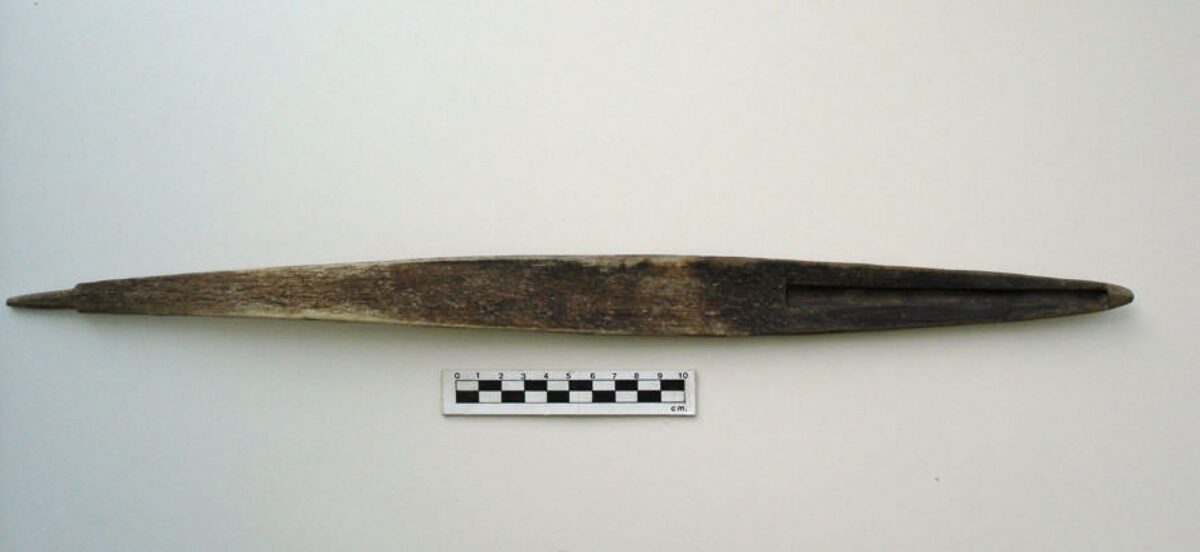
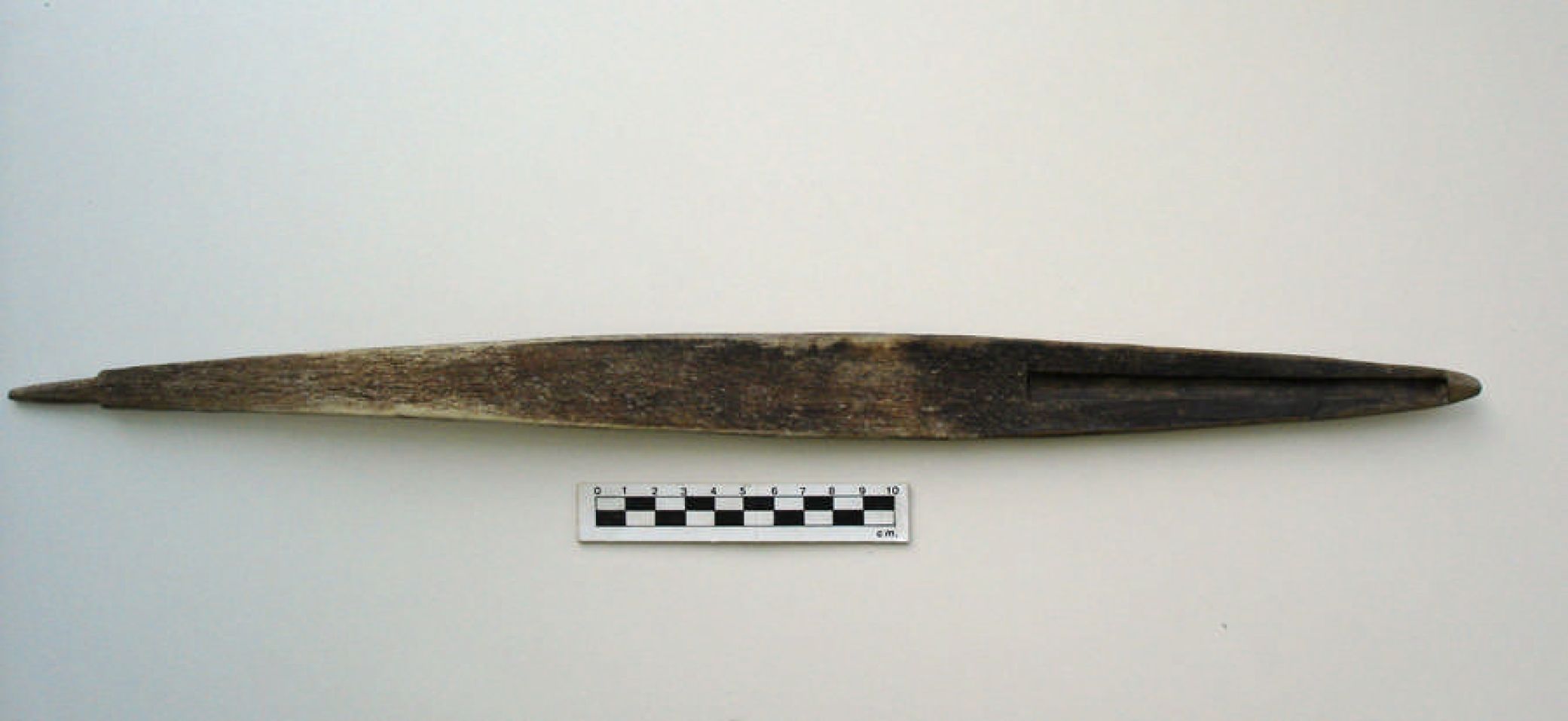
2007. By Grant Keddie Quiltanton Lake Atlatl (EcRg-Y:1). A Technical Description Introduction An Atlatl is a weapon composed of a flexible light spear or dart and a shorter throwing board that acts as a lever to propel the dart through the air. The throwing boards themselves are often called atlatls. This is currently the only example of the throwing board component of an atlatl weapon found in British Columbia. It was found in 1988 by Pat Rozek, a heavy equipment operator. Pat found it sticking out of the mud at the bottom of the freshly drained Quiltanton Lake – located in the Highland Valley east of Ashcroft in the southern Interior of British Columbia . A radio-carbon date obtained on … Continue reading “Quiltanton Atlatl”

The Mystery of the Saturna Island Figurine Head

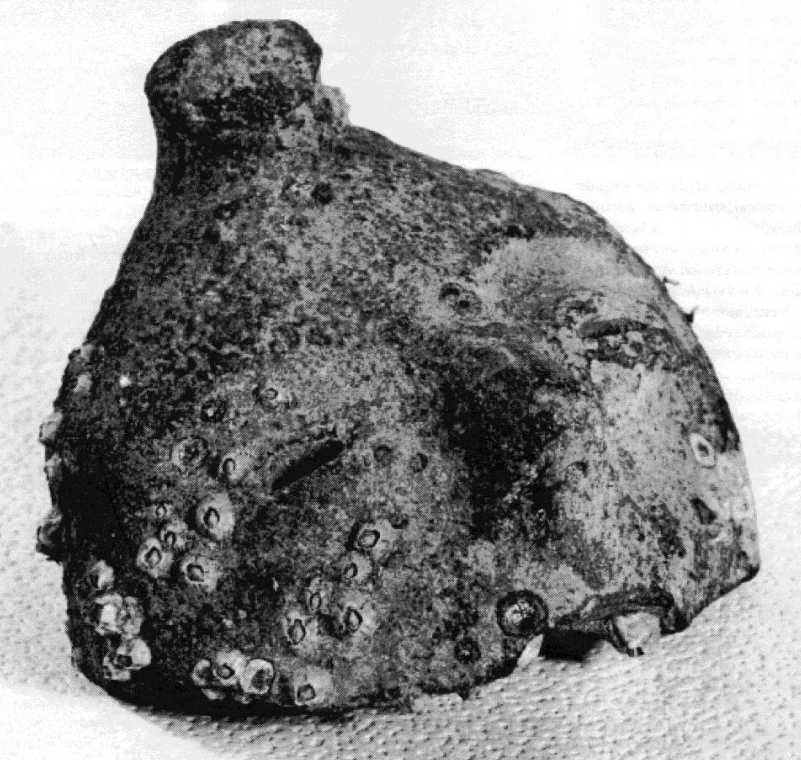
Originally published in The Midden, 24(3). 2011. By Grant Keddie David Scott’s Discovery and the Never Ending Story The topic of trans-Pacific contact is a controversial one. It is often said of academics that they ignore evidence that does not fit the accepted status quo. The story of this case is an interesting scenario of how the discovery of an artifact is dealt with when it does not fit our understanding of local history. This story transcends a period of four Museum Curators and now 62 years later is still unresolved. Are we dealing with evidence of ancient long dis­tance trans-Pacific voyaging, long distant trade between the continents of the New World, or an example of unusual refuse from the … Continue reading “The Mystery of the Saturna Island Figurine Head”

Kootenay Lichen Pounder

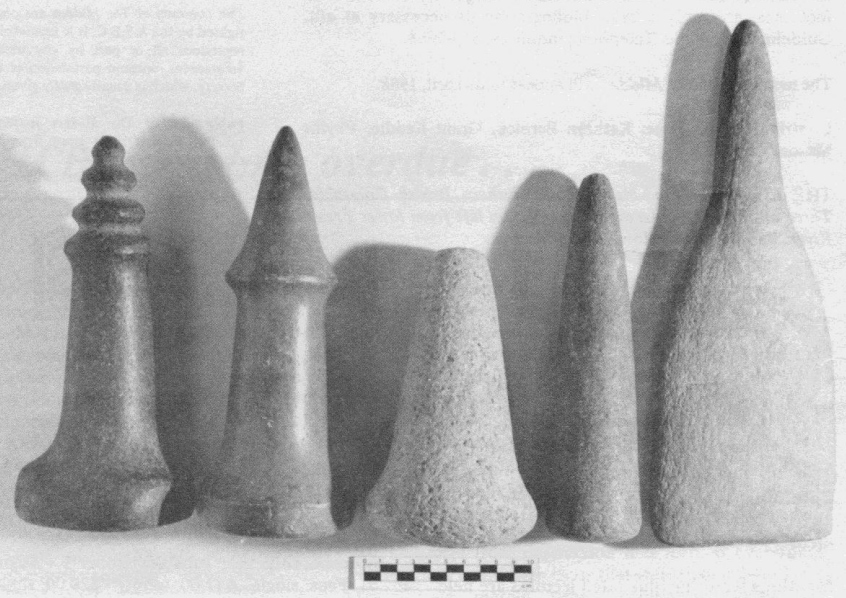
Originally published in The Midden, 20(1). February 1988. By Grant Keddie Flat, paddle-shaped, stone hand-mauls are found in some large prehistoric village sites in the southeastern interior of British Columbia. Many people have been curious as to what they were used for and how old they are. The specimen shown in Figure 1 seems to me to represent the native artisan’s “mental template” or perfect idea of what a hand-maul of this type should look like. The specimen is one of several hundred hand­mauls collected by Keith and Ellen Edgell from intermittently flooded sites along the Arrow Lakes. This particular specimen does not appear to have been used. Many similar artifacts are worn down almost to their handles; the bottoms … Continue reading “Kootenay Lichen Pounder”

Human Images. Clothing the Past

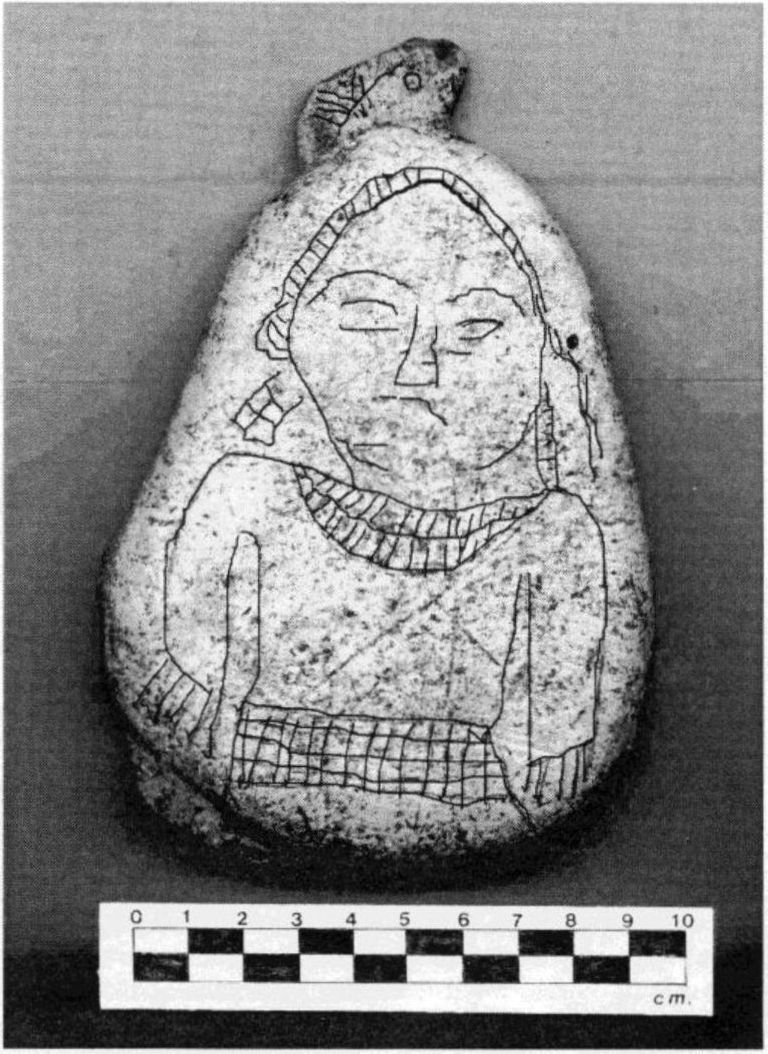
Originally published in The Midden, 41(3), 11-14. 2009. By Grant Keddie An important project launched by the Archaeological Society of British Columbia in the 1970s was the documentation of artifacts in private collections. Many of these collections are now dispersed, making this record an important contribution to the understanding of past human behavior—especially in the case of rarer objects. In the spirit of this project, I will describe four examples of rare human images from private collections and one from the Royal B.C. Museum collection. These human figures, one incised on siltstone and four carved of elk antler, may tell us about the kinds of clothing and other body adornment used by their makers. All examples are undated artifacts with … Continue reading “Human Images. Clothing the Past”