Boyhood of Adventure

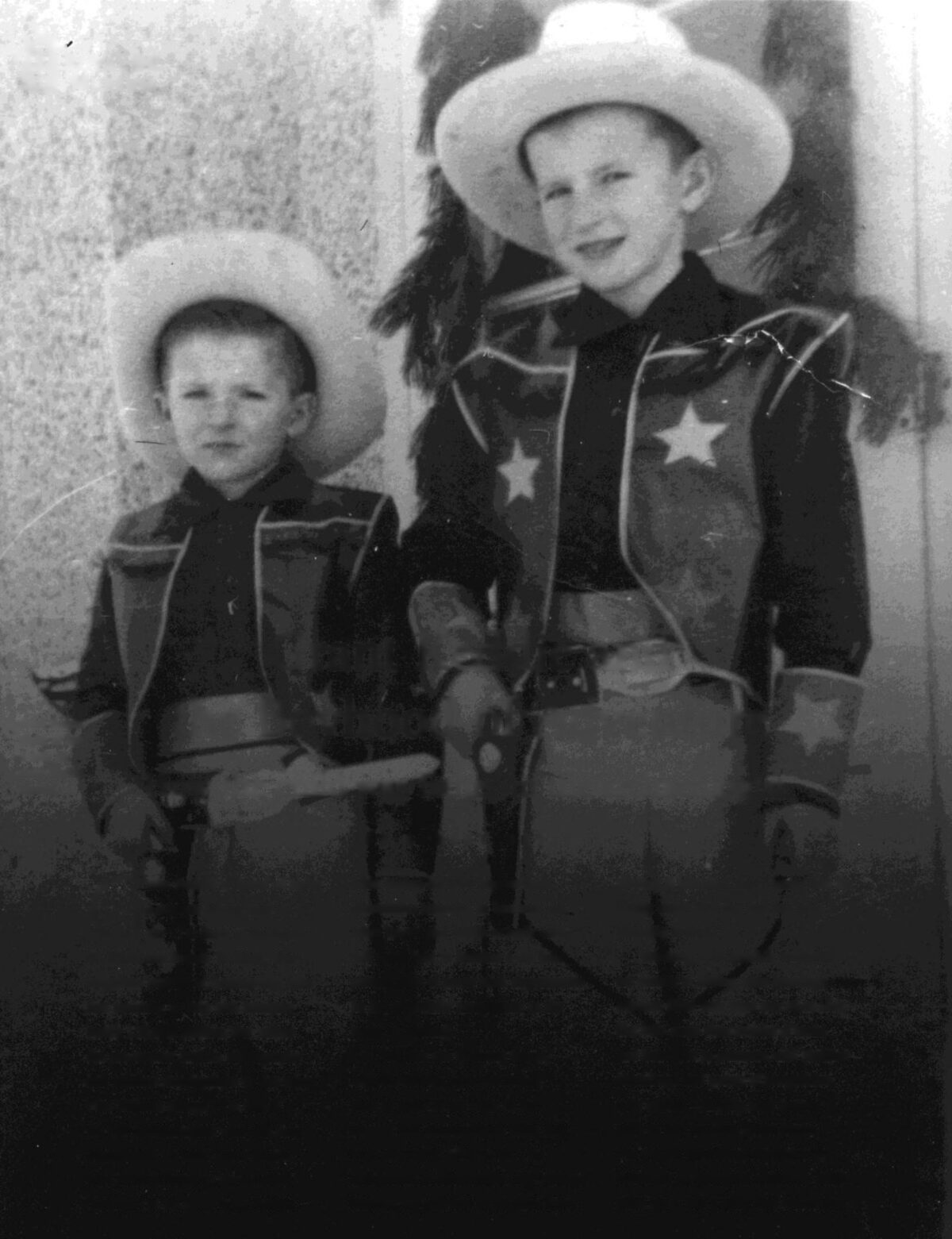
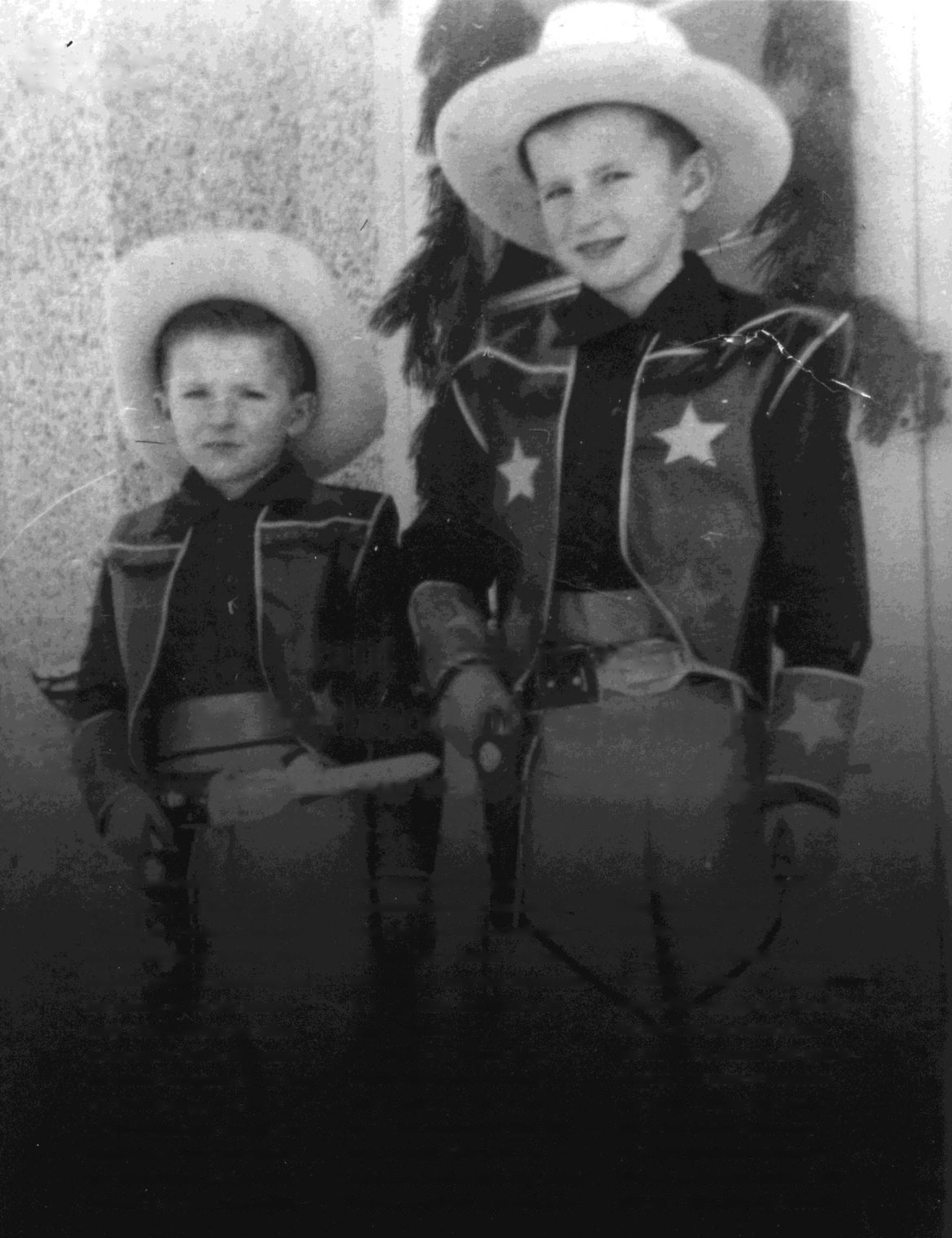
Originally Published in Discovery. Magazine of the Royal BC Museum. 2007. 35:3:4-6 2007. By Robert Moyes Grant Keddie and the Boyhood of Adventure – How the child was father to the archaeologist. Grant Keddie (left) at age 6 with his older brother Graham. Grant Keddie is proud of being a curious fellow. And up on the 11th floor of the Royal BC Museum’s Fannin Building, this long-time curator of Archaeology uses that curiosity to help him interpret nearly 150,000 artifacts that reflect the pre-contact history, ethnography and cultural development of our many First Nations groups. “I’m one of the few archaeologists who still does experiments on tools,” says Keddie, who pursues many of his so-called “projects” in his spare time. … Continue reading “Boyhood of Adventure”
Aboriginal Defensive Sites

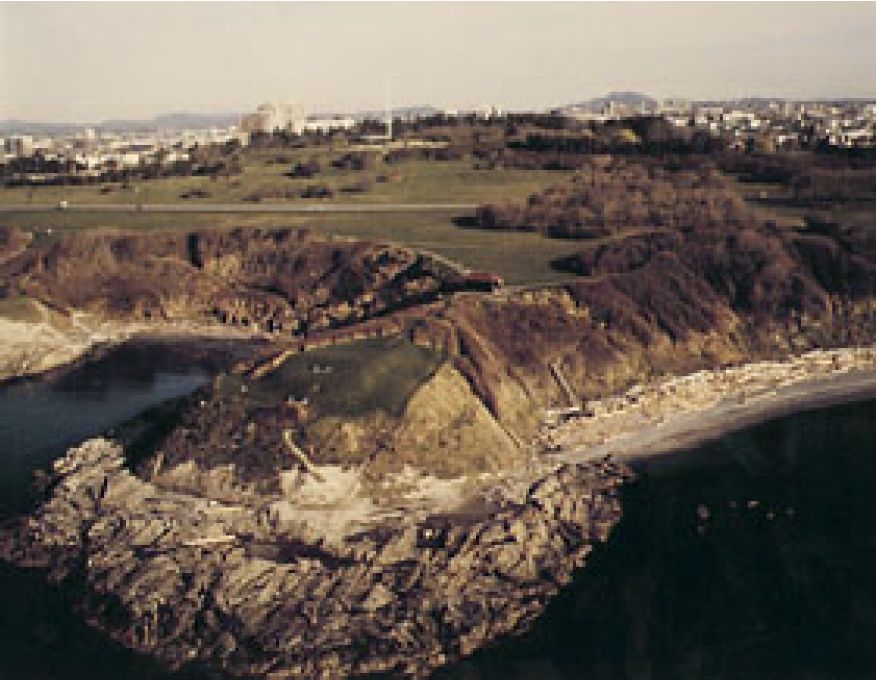
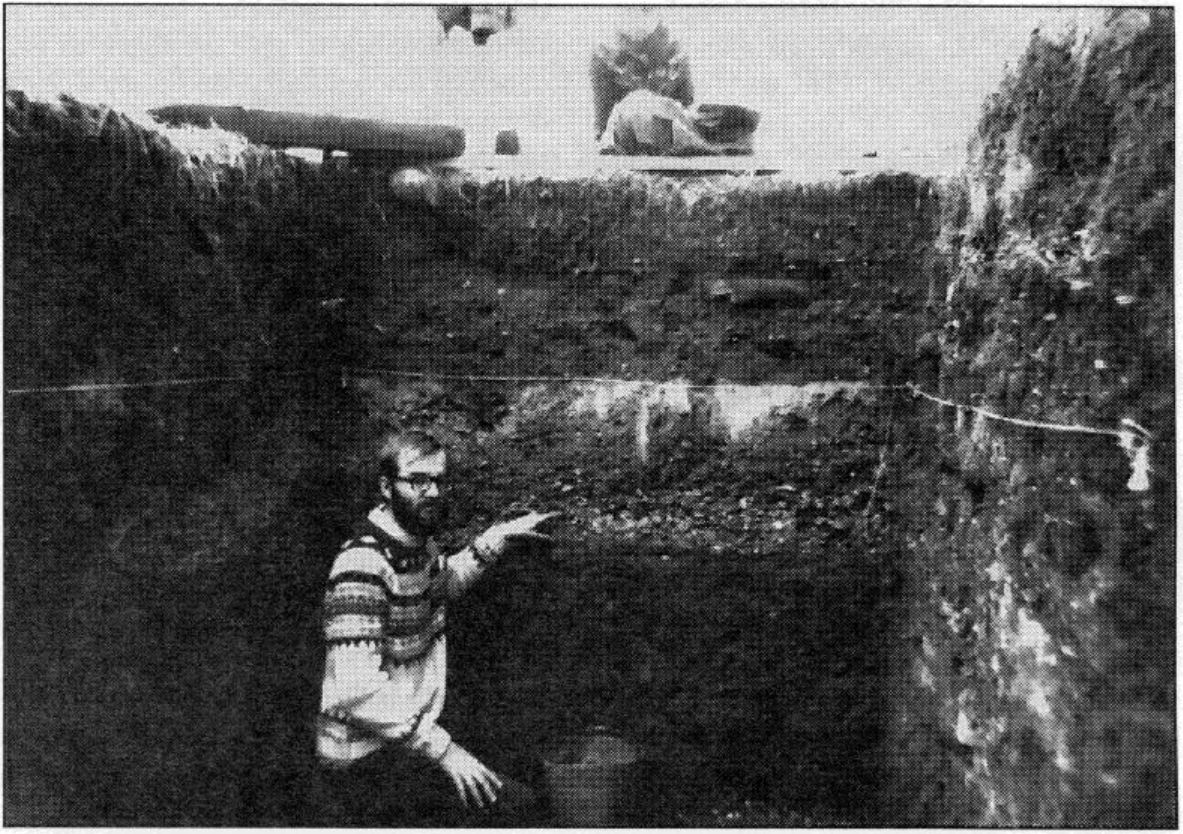
By Grant Keddie 1996. Part 1: Settlements for Unsettling Times Over time, glaciers, sea level changes and climate have reshaped our landscape. Around us today is the evidence of how humans have utilized that environment over thousands of years. By studying types of settlements, archaeologists can get a glimpse of how people related both to the natural world and to other people. In the Victoria area, bounded by Cowichan Head to the north and Metchosin to the west, there are about 100 shoreline shell-midden sites which represent the remains of old aboriginal villages. At least 18 of these have been recorded as defensive sites or villages with large wooden defensive walls and/or defensive ditches. In spite of the many observations … Continue reading “Aboriginal Defensive Sites”

Cultural Change in the Gulf of Georgia. Asking the Right Questions

Originally Published in The Midden, 24(3), 3-4. 1992. By Grant Keddie One of the things I find intriguing is the attempts some archaeologists make in trying to fit an artifact collection that is obviously too small, into poorly supported cultural phases. One or two widely divergent radiocarbon dates from a site serve as evidence for a continuous occupation of several thou­sand years. We seem to be preoccu­pied with having to fit every­thing into a nice neat evolutionary scheme when, in fact, human cultures rarely follow such continuous sequencing in environmen­tally rich areas. In the Gulf of Georgia it is most likely that a diversity of cultures moved from different direc­tions, at different times, to merge with and/or displace each other over … Continue reading “Cultural Change in the Gulf of Georgia. Asking the Right Questions”

Dating Archaeological and Ethnographic Materials with Chinese Coins

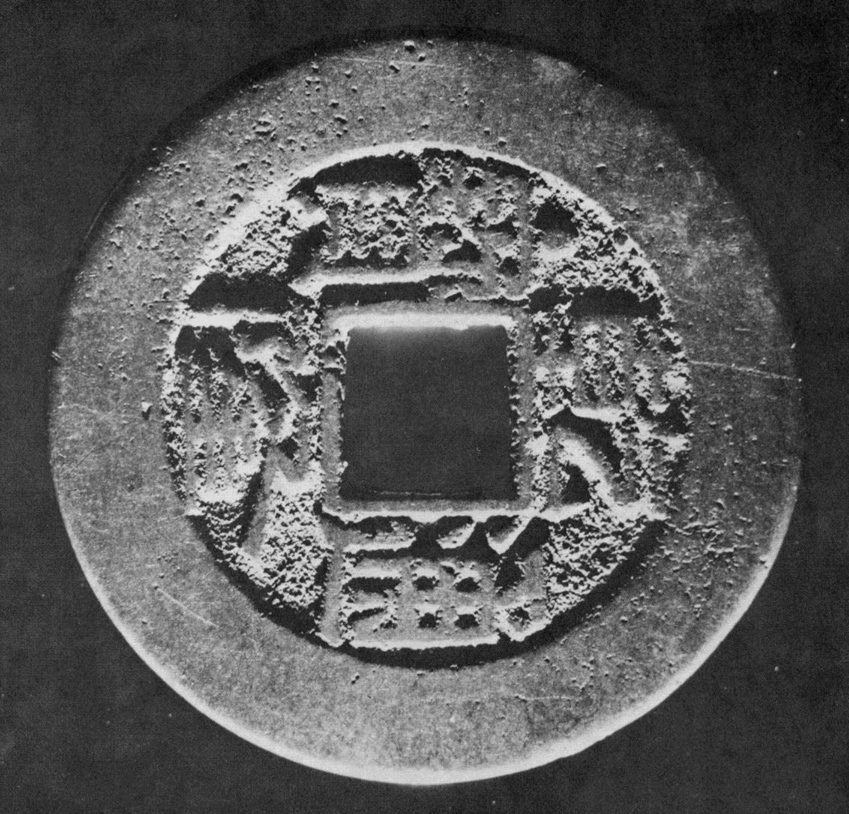
Originally published in Datum. Newsletter of the heritage Conservation Branch. Ministry of Recreation and Conservation. 1978. 3:2:3-5. By Grant Keddie.  1978. Introduction Early Chinese coins have been used occasionally to date historic burials or associated historical assemblages as well as being used as proof of a pre-contact circum-Pacific movement of trade goods or of proof of actual visitations by early Chinese explorers. By utilizing the di­rect historic approach it becomes evident that we must exercise caution in using Chinese coins as chronological indica­tors. I first became aware of the need to examine the reliability of dating with Chinese coins when trying to date a his­toric burial intrusion at the archaeological site DhRx 6 on Newcastle Island near Nanaimo. B.C. A … Continue reading “Dating Archaeological and Ethnographic Materials with Chinese Coins”

Jubilee Hospital Excavations

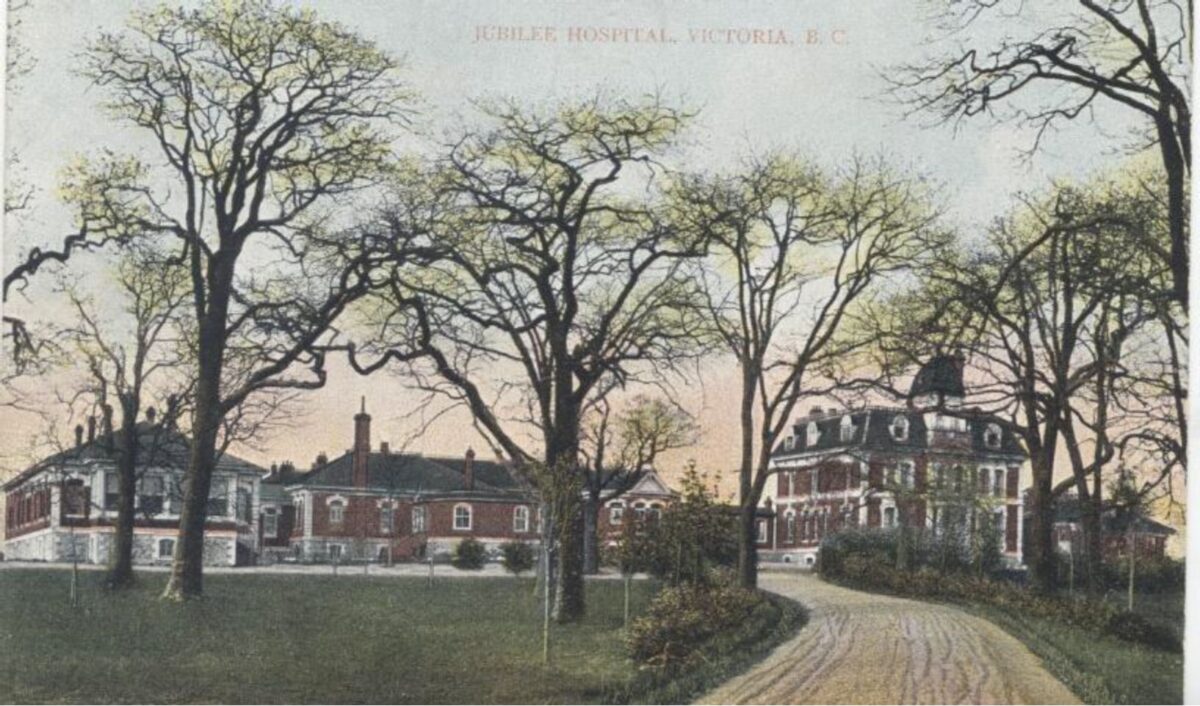
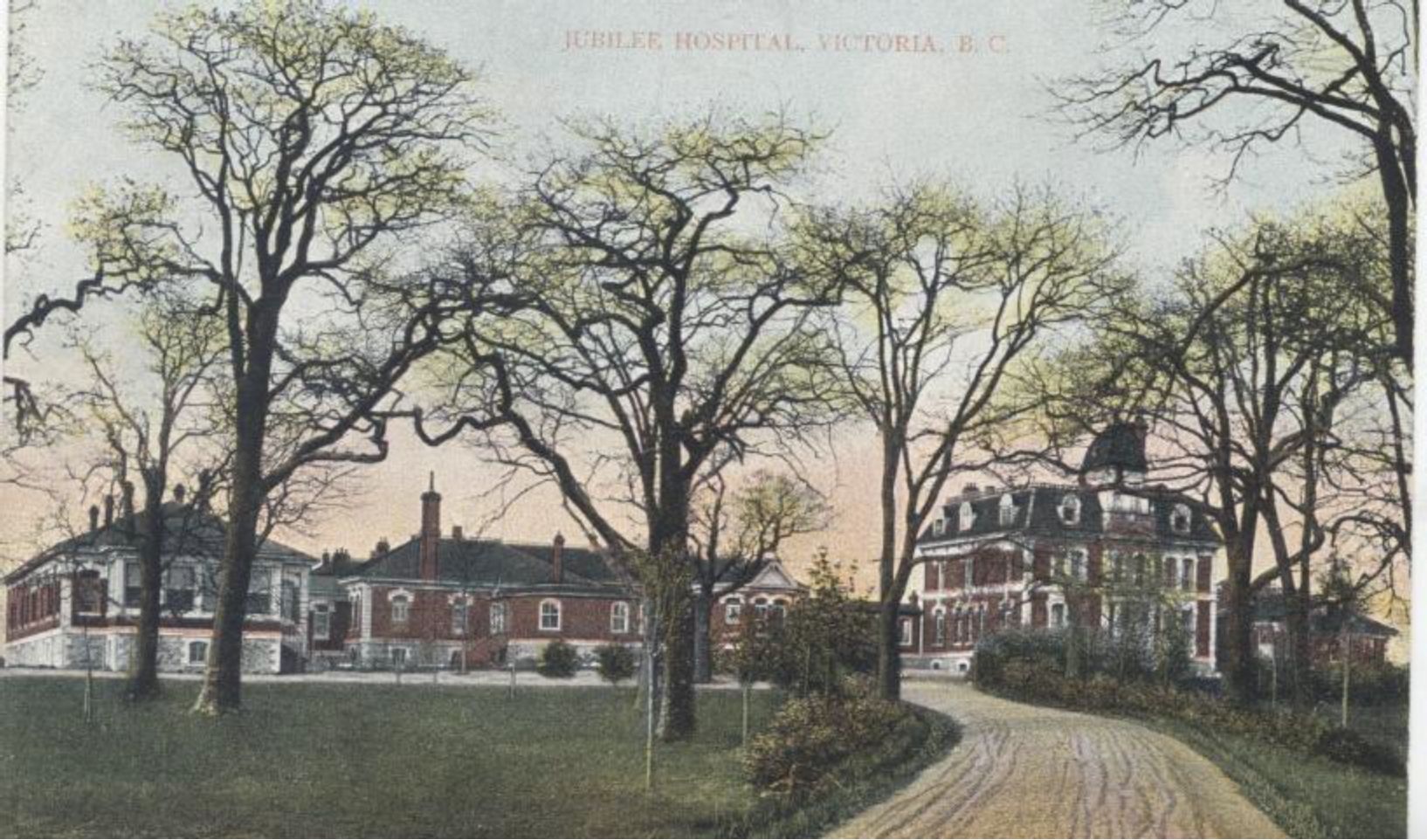
March 9, 2007 By Grant Keddie TAKING IN THE GARBAGE ONE HUNDRED YEARS LATER EXCAVATING THE PROVINCIAL ROYAL JUBILEE HOSPITAL DUMP The Victoria Branch of the Archaeological Society of British Columbia was engaged from April to July 1991 in weekend excavations of hospital dump material associated with the early years of the Provincial Royal Jubilee Hospital. On sporadic occasions over the next two years evenings were spent cleaning, sorting and gluing the artifacts. The hospital opened in 1890 and dropped the Provincial part of its name in 1938. The Jubilee Hospital excavations project started when Dr. Stuart Kenning of the Victoria Medical Society and Norma Friedmann, the Facility Planner for the Greater Victoria Hospital Society came to the City of … Continue reading “Jubilee Hospital Excavations”

An Arrow from the Tsitsutl Glacier, British Columbia

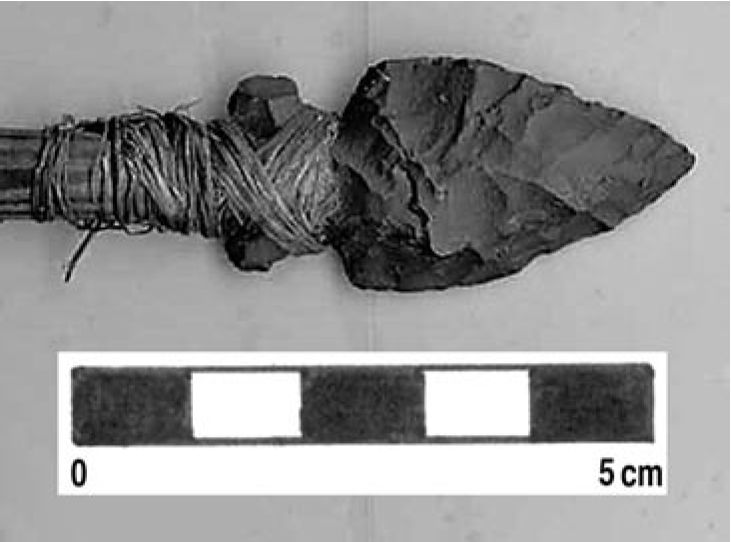
Originally Published in Canadian Journal of Archaeology, 29(1), 113-123. By Grant Keddie and Erle Nelson. March 2005. Abstract An almost complete arrow found in British Columbia in the early 20th century has been re-discovered in the Royal BC Museum collections. Speculation as to its anti­quity was tested by radiocarbon dating, which reveals that the artifact was likely made in the middle of the second millennium AD. The arrow was compared to recent finds of both arrows and darts from glaciers and ice pat­ches. The failure of this specimen to clearly fit the criteria of either of these weapon tech­nologies raises some new questions. Introduction In 1924, at an elevation over 2,100 meters above sea level, land surveyor John Davidson found … Continue reading “An Arrow from the Tsitsutl Glacier, British Columbia”

Atlatl Weights

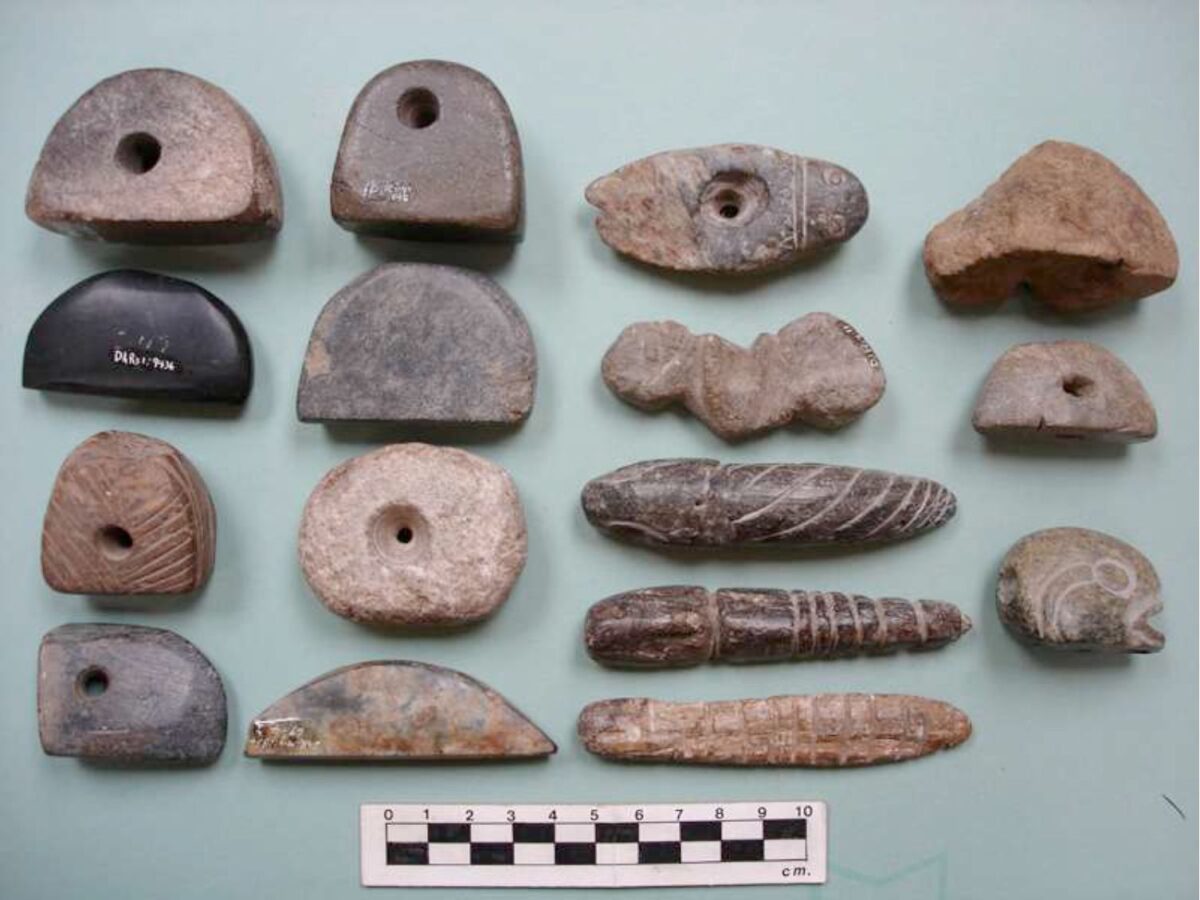
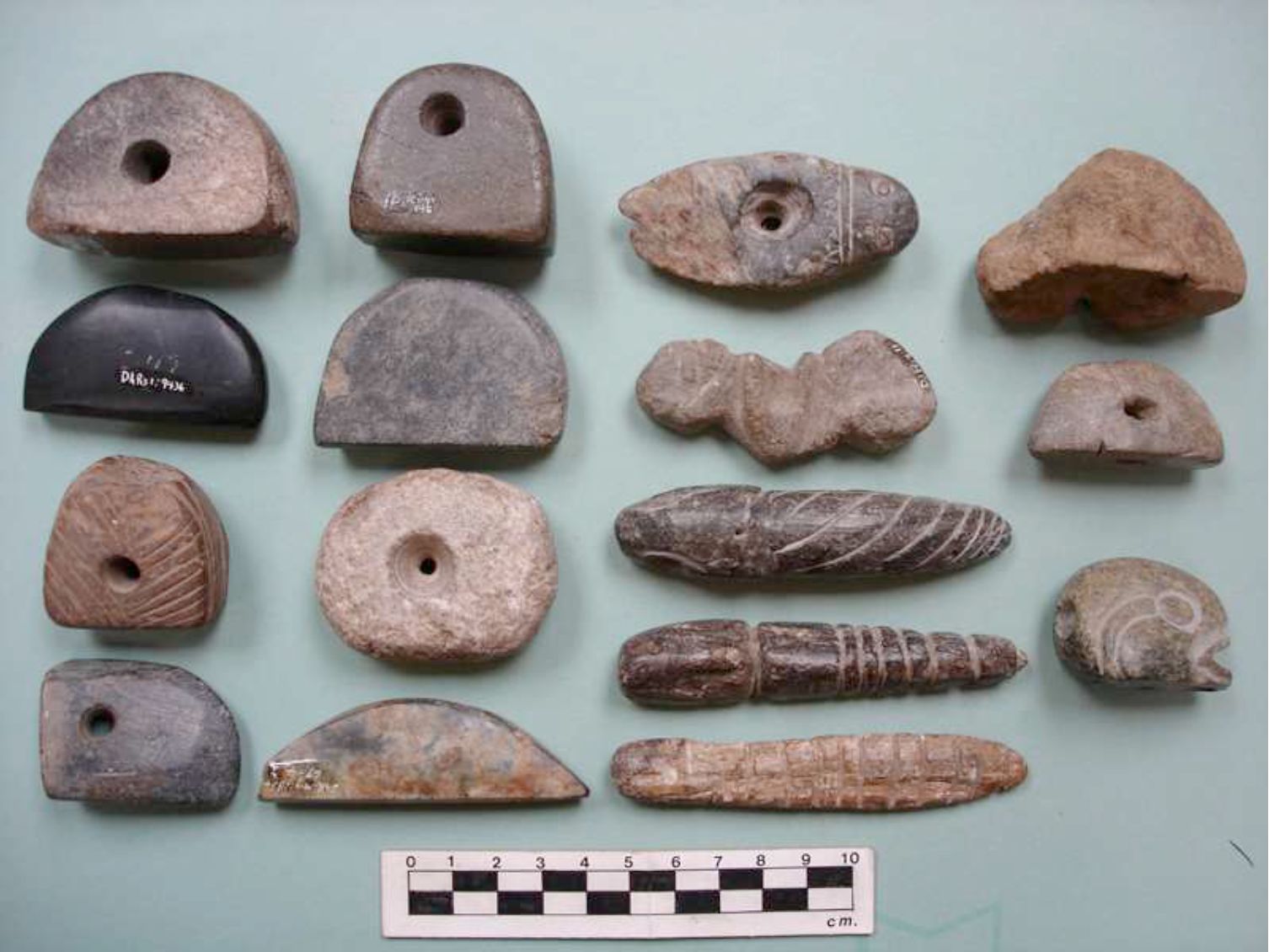
By Grant Keddie.  2007. Introduction This document is a technical, descriptive summary of all atlatl weights currently in the collection of the Royal B.C. Museum and some from other collections. This information is provided here because of the rarity of these artifacts and the difficulty of finding comparative information on the topic. WHAT ARE ATLATL WEIGHTS? An atlatl is a weapon composed of a flexible light spear or dart and a shorter throwing board that acts as a lever to propel the dart through the air. The weighting can be incorporated into the design of the throwing board, or represented as a separate item that is attached to these throwing boards. The dart should be thought of as being more … Continue reading “Atlatl Weights”

Bone Food Strainer Prongs

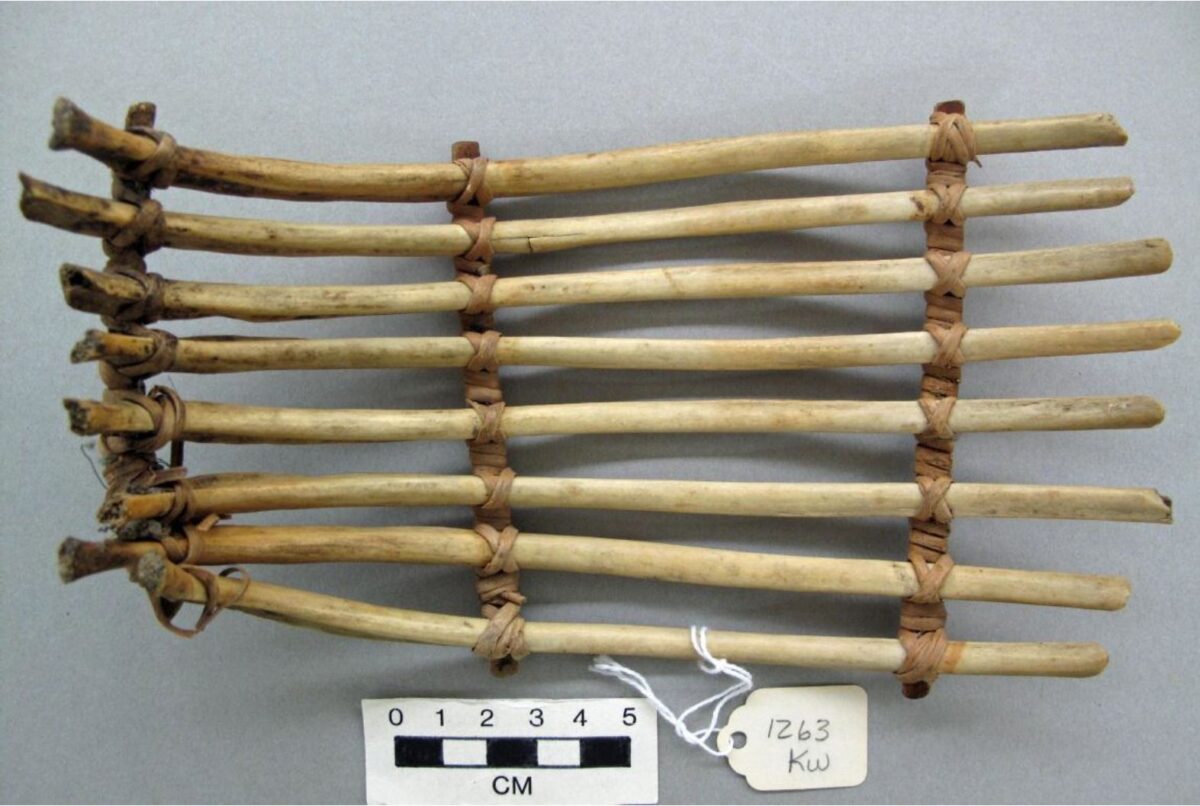
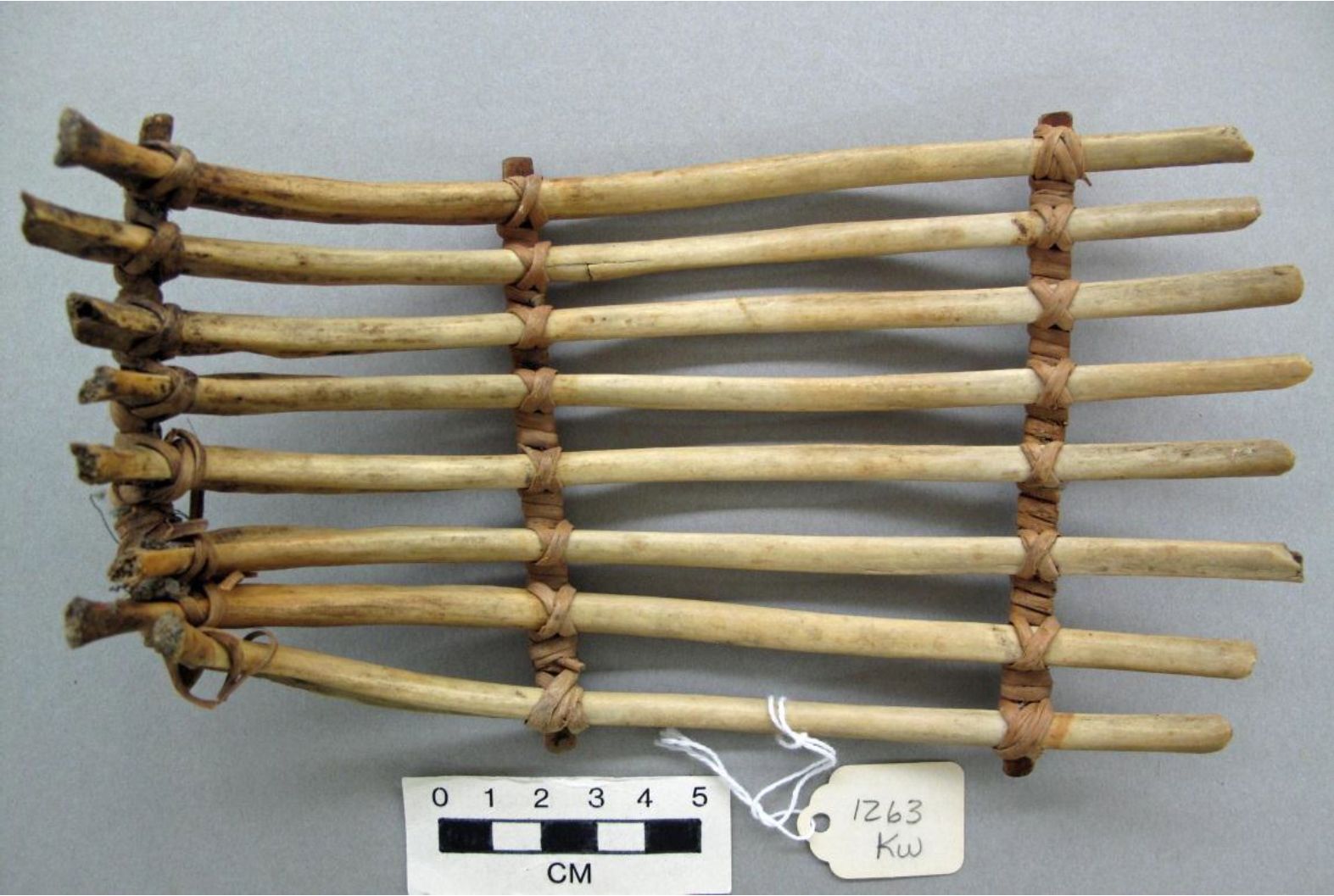
  By Grant Keddie.  2012. Introduction One type of artifact that bridges the gap between archaeology and ethnology in British Columbia are bone food strainer prongs. Archaeologists have often  described these as worked rib artifacts without a suggestion as to what they might be. They are usually made of seal or deer ribs, but some are also of antler. A number of these artifacts share similar characteristics to the prongs of rare food strainers found in ethnology collections.   The ethnographic examples given here are from further north than the archaeological examples shown. However, I suspect that bone food strainers were disused earlier in the historic period in the south and did not get documented by ethnologists or placed in Museum collections. Ethnographic Examples The Royal B.C. Museum ethnology … Continue reading “Bone Food Strainer Prongs”

The Chilcotin Archaeological and Ecological Survey Project

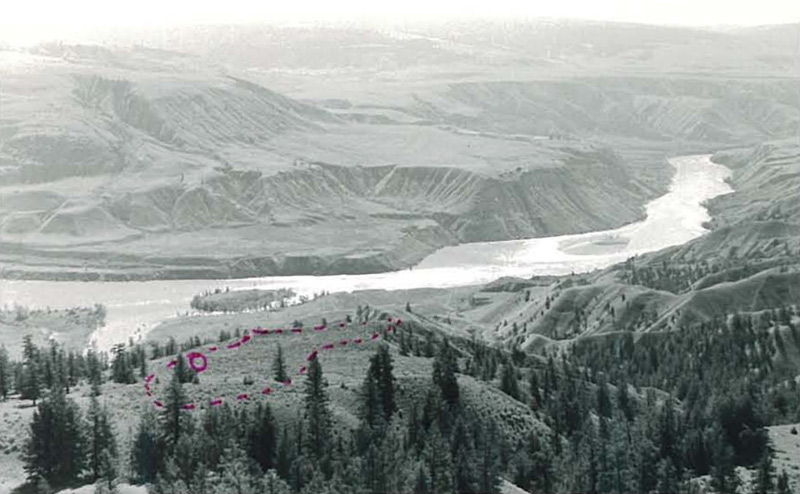
By Grant Keddie. 1978. Introduction: The Chilcotin Archaeological and Ecological Survey Project was initially proposed by Paul Sneed of the University of B.C. The project was to be part of a long term program utilizing the latest, as well as new experimental methods, in the regional approach to cultural ecology. As a result of a brief reconnaissance to the lower Chilcotin River area during the summer of 1970 by Mr. Sneed and the author, it was decided that this region – heavily utilized in prehistoric times, was in need of an information recovery project before it was engulfed by the energies of modern man. A major threat to the area involved the construction of the proposed Moran Dam, seventy river … Continue reading “The Chilcotin Archaeological and Ecological Survey Project”

Hedley Cave Site DhRa-2

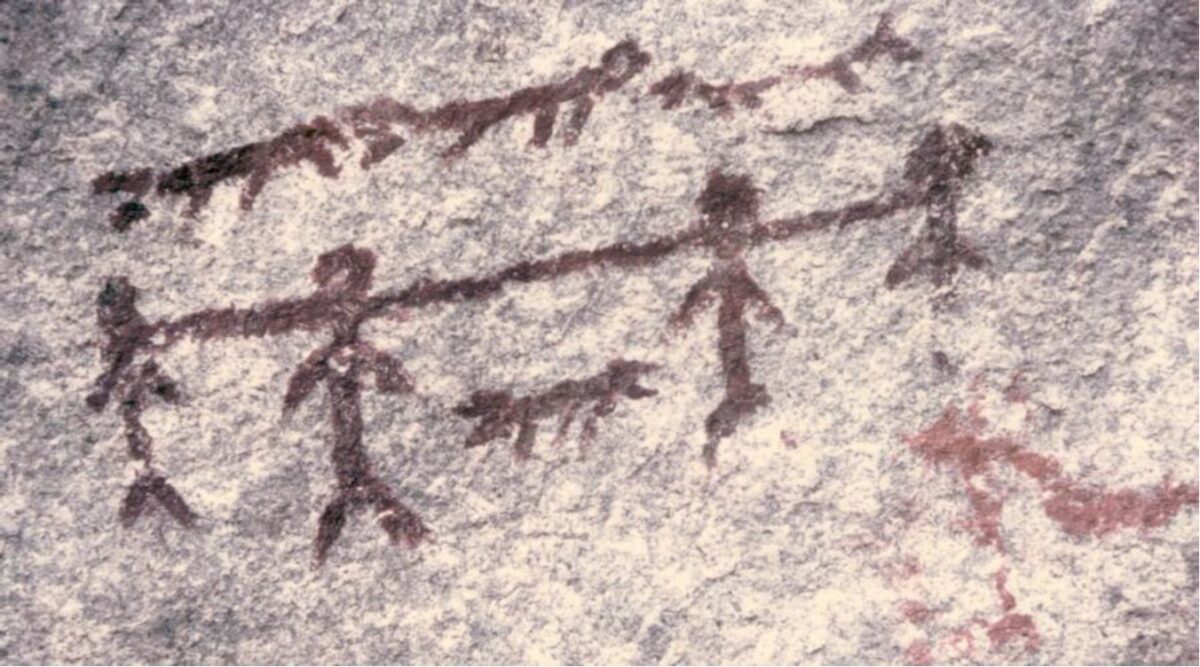
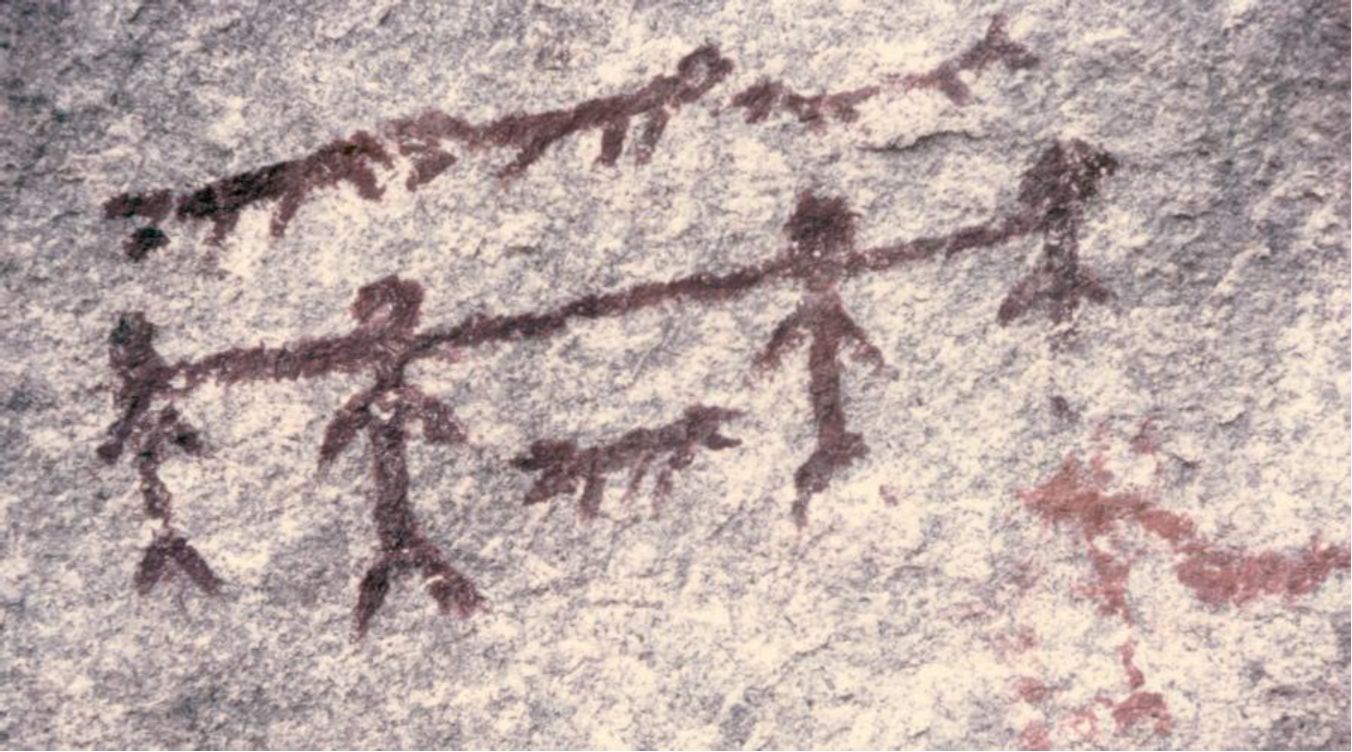
2005. By Grant Keddie The Chuchawaytha Rock Shelter Pictographs. Since reading the Midden article by Darius Kruger (2005), I thought I should add some unique information to his favorite ancestral site – the Chuchawaytha Rock Shelter, DhRa-2. This Similkameen region site has been referred to in earlier literature as the Hedley cave site. There has been some confusion regarding this location perpetuated by non-First Nation stories about early visits by Spaniards. Two clusters of images referred to as “the horseback riders” and “the prisoners” have often been misinterpreted by non-First Nations, as a single unit that represents Spaniards on horseback with ropes tied around the necks of a group of First Nation prisoners. This interpretation is an attempt by non-First Nations to fit these images with … Continue reading “Hedley Cave Site DhRa-2”