Genetics and Neanderthal

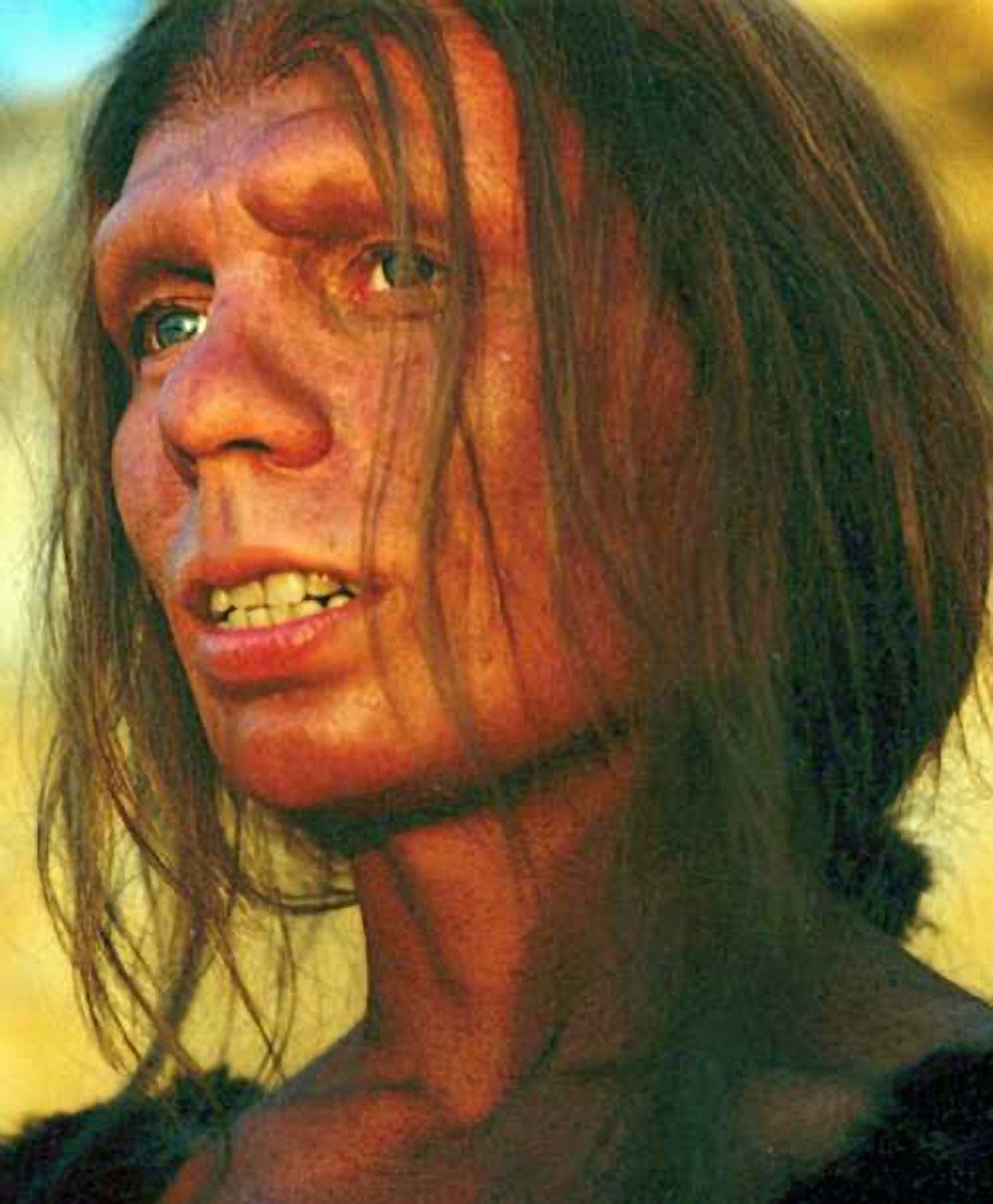
By Grant Keddie Genetics, diseases, modern humans and our close relatives. Our Developing Nervous system One of the keys to understanding modern diseases is through their genetic evolution and how that can contribute to where we focus research to eliminate them.  One of the latest fascinating discoveries may be relevant to the study of modern common neurological diseases such as parkinson’s, dementia, seizures, strokes and migraine headaches.   There is a new field of study that involves a combination of stem cell biology, neuroscience and paleogenomics.  This involves the ability to apply the comparative approach of modern human genetics to our closest extinct relatives, the Neanderthals and Denisovans, using brain organoids. A brain organoid is an artificially grown miniature organ resembling … Continue reading “Genetics and Neanderthal”
The Victoria Legislative Building Properties and Indigenous Peoples

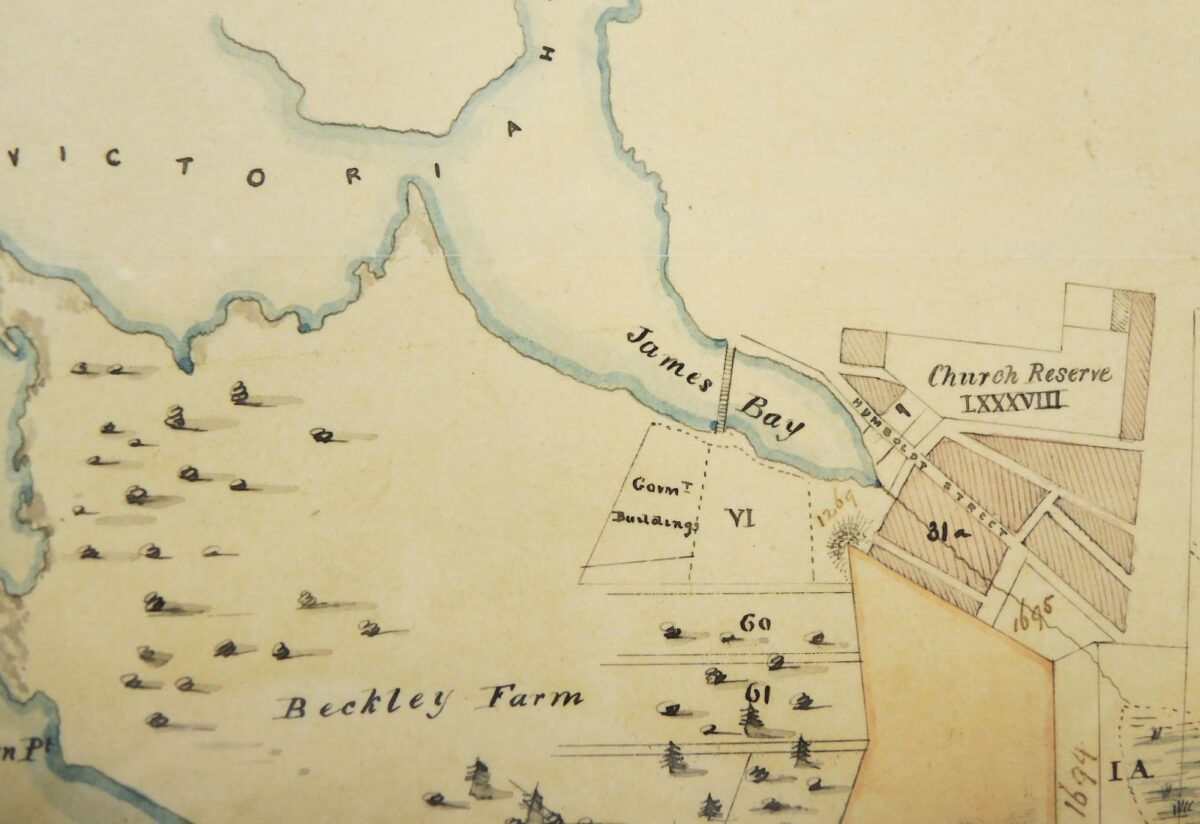
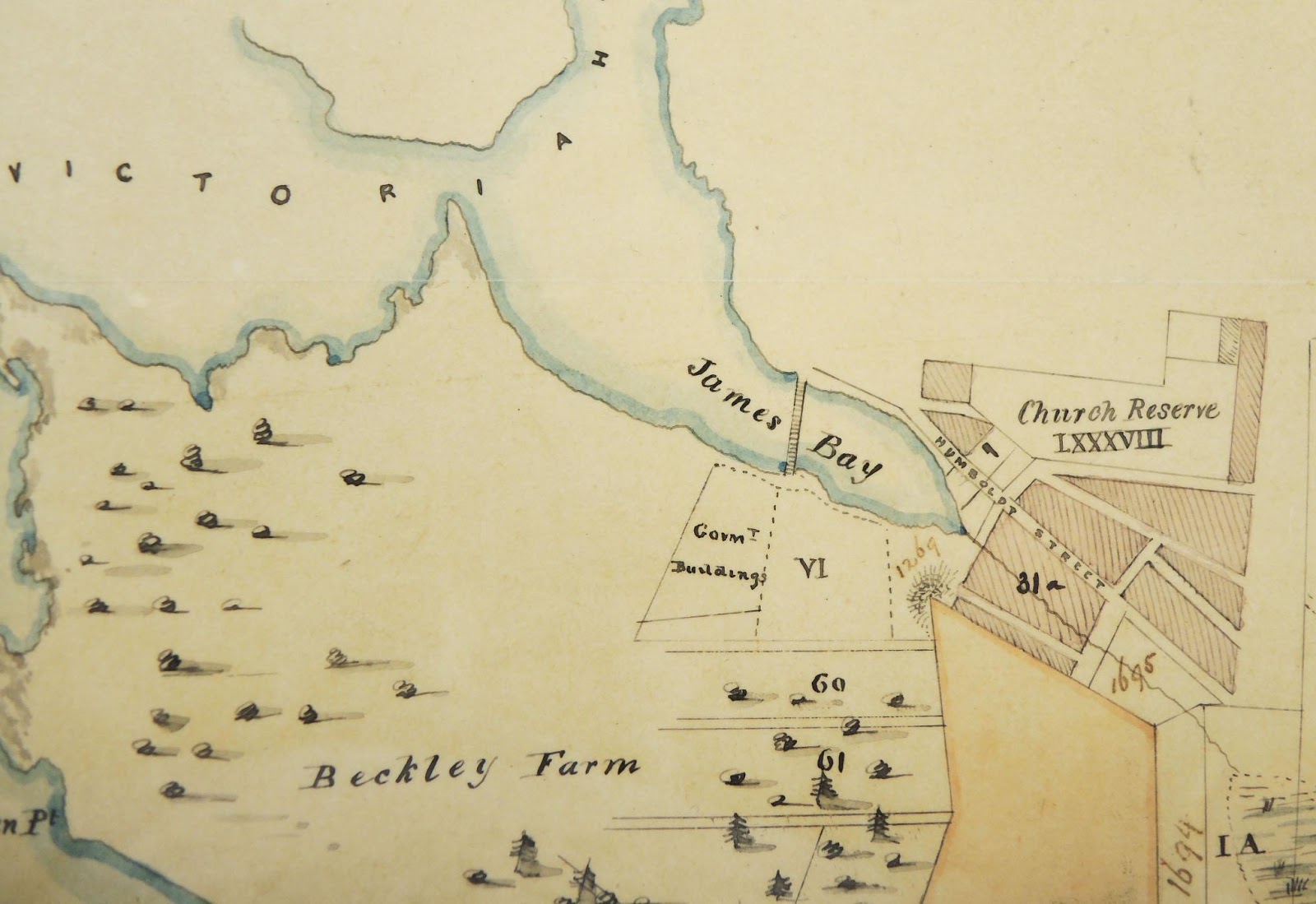
By Grant Keddie (June 11, 2020) The properties on which our legislative buildings are now located in Victoria Harbour are within the traditional territory of the Lekwungen First Nations, today represented by the Esquimalt and Songhees Nations. There is clear evidence in the form of written documents and maps that James Douglas intended this property to become an Indigenous Reserve as part of the treaty settlements of 1850. (See Appendix 1: The Paper Reserve.) The legislative property is shown on this 1862 map to the left of lot VI belonging to James Douglas. It is located at the southern foot of the James Bay Bridge. (BC Archives 11520A. Part of Beckley Farm No.4.) The Lekwungen people were rightfully compensated, in … Continue reading “The Victoria Legislative Building Properties and Indigenous Peoples”

Bird Leg Rings

Bird Leg Rings on the Northwest Coast? By Grant Keddie There are a variety of small artifacts found on the Northwest Coast that are often assumed to be forms of body adornment. Some of these likely had other functions. Three examples described here, might normally be assumed to be pendants. I think we should consider the possibility that these may have been used as bird leg rings for holding live decoy birds or pets. A common type of artifact in Polynesia is the kaka poria or bird leg ring made of stone or whale, bird and human bone. They were used to hold tame kaka birds (Nestor meridionalis) as a decoy for capturing wild birds in the forest (Phillips 1955:145). … Continue reading “Bird Leg Rings”

Dogs of Siberia. Food for Thought on Indigenous dogs of British Columbia.

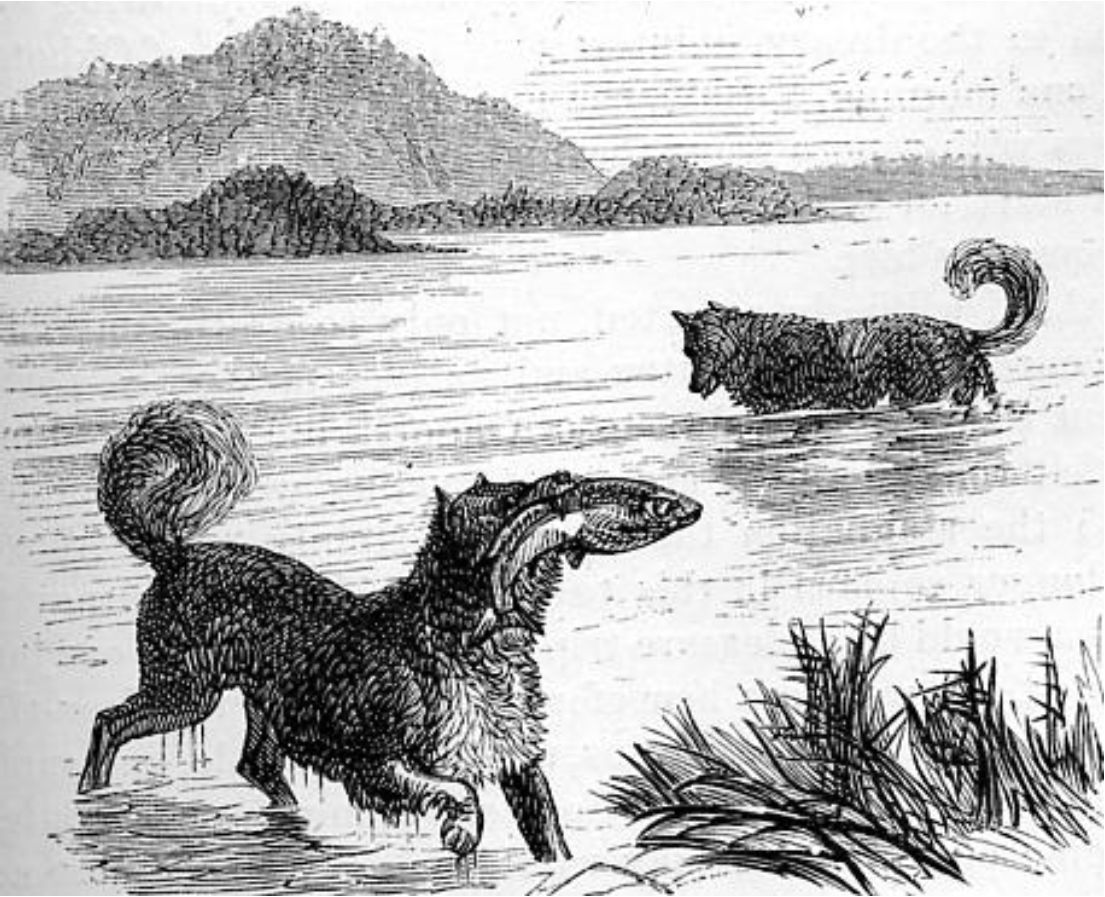
2022. By Grant Keddie. Introduction Studies on Indigenous dogs and wolfs have greatly expanded in recent years with an emphasis on genetic evolution and isotopic analysis to examine regional differences in food consumption, numbers and other cultural patterns (Fedge et. al. 2021; Peri et. al. 2021; Albizuri et. al. 2021; Ramos-Madrigal et. al. 2021; Coelho et. al. 2021; Feuerborn et. al, 2021; McKechnie et. al. 2020; Frantz et. al. 2020; Bergstrom et, al, 2020; Mikkel-Holger 2020; Hillis et. al. 2020; Harris 2020; Sinding 2020; Ameen et. al. 2019; Leathlobhair et. al. 2018; Losey et. al. 2018 & 2020; Germonpre, Mietje et. al. 2017; Lee et. al. 2015; Shannon et. al. 2015; Ames et. al. 2015; Loftus et. al. 2014; Asch … Continue reading “Dogs of Siberia. Food for Thought on Indigenous dogs of British Columbia.”