The use and distribution of labrets on the North Pacific Rim

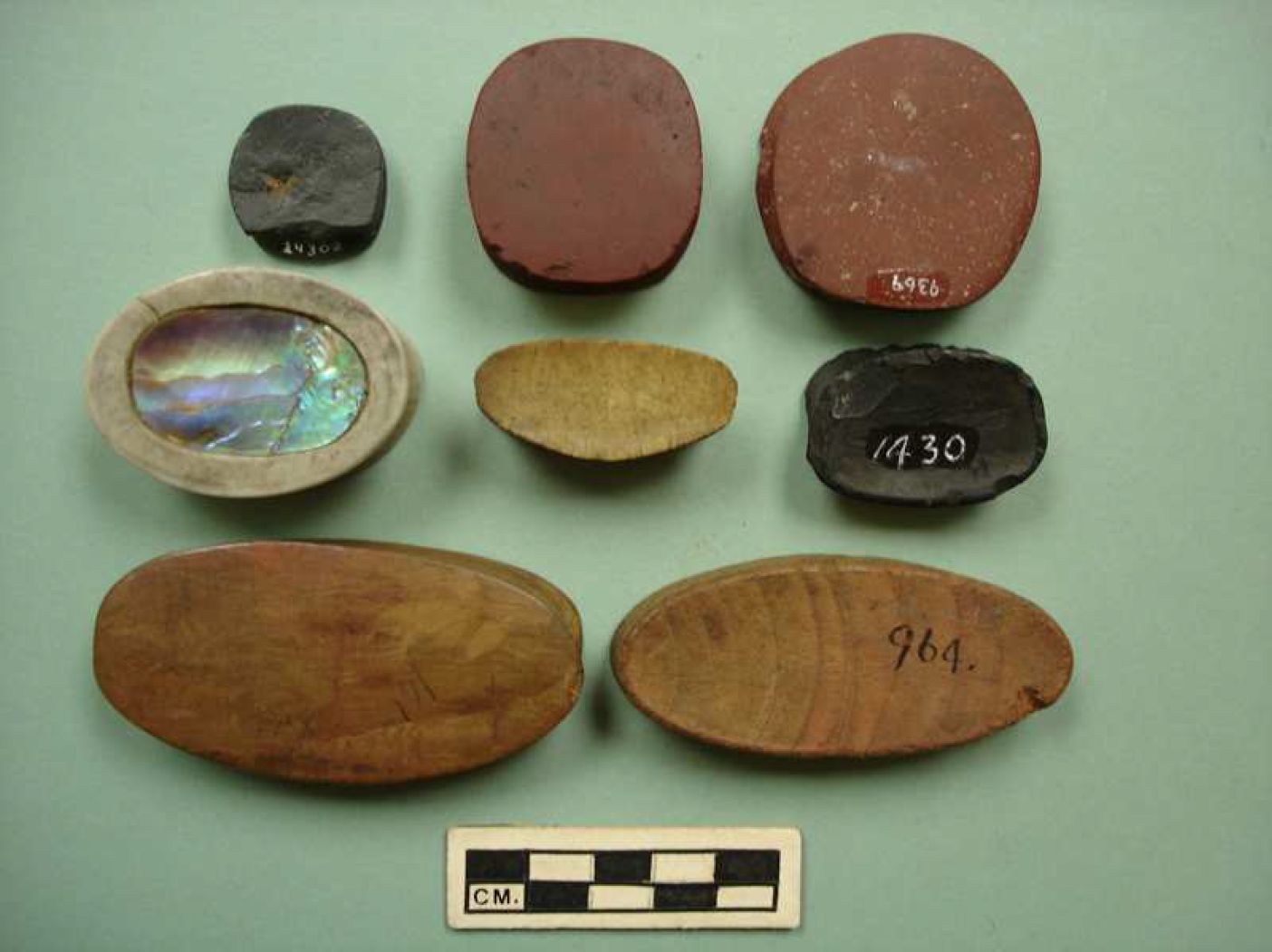
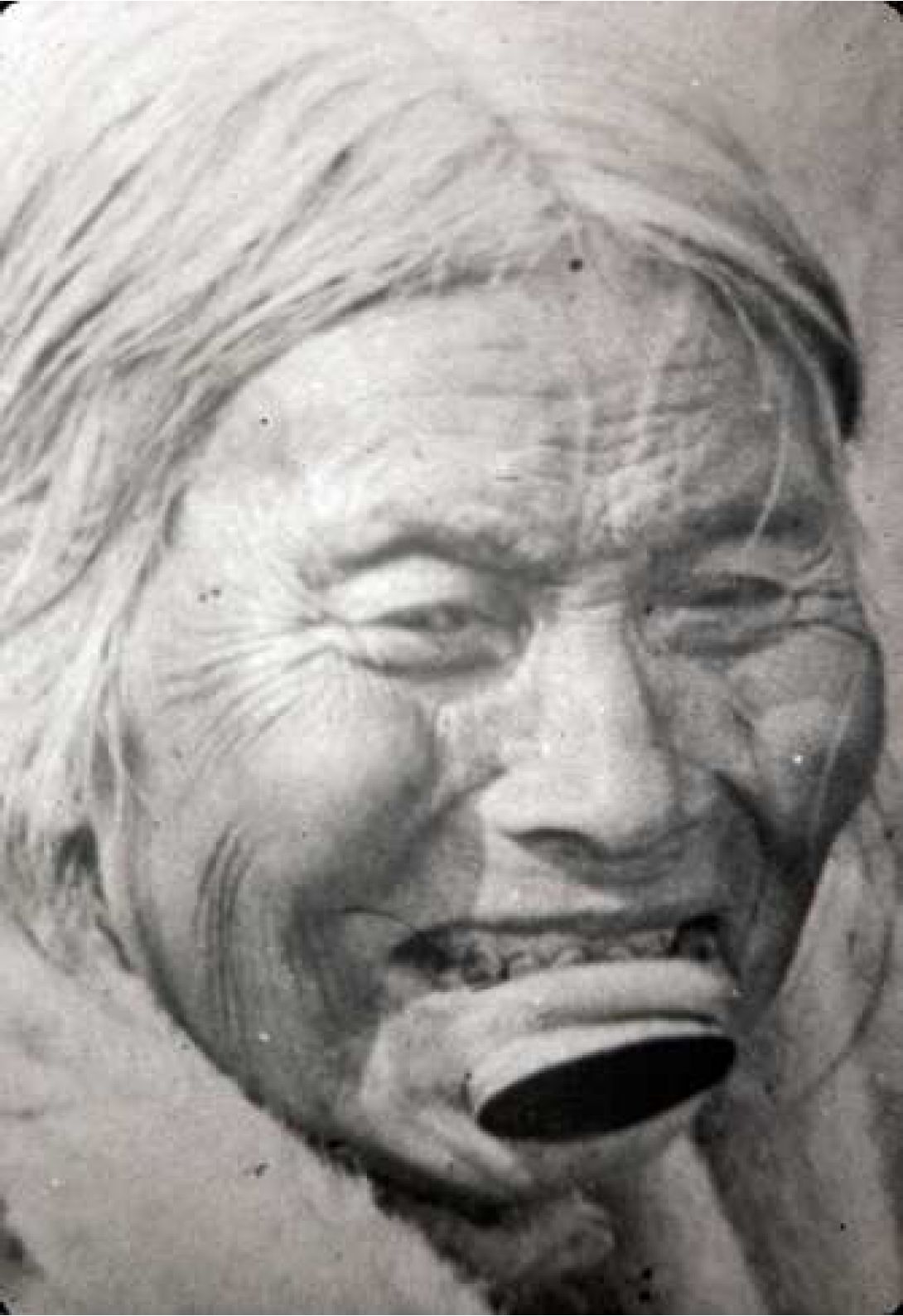
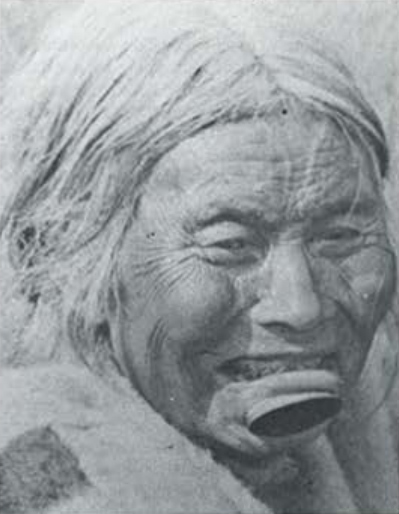
Originally published in Syesis, 14, 59-80. 1981. By Grant Keddie This paper deals with the definition, categorization, and distribution of labrets. or lip plugs, and gives a regional synthesis of their history as known from both archaeological and ethnological studies on the Pacific Rim. from the Gulf of Georgia region in Canada to northern Japan. Key Index Worms: archaeology, categorization, distribution, labrets. North Pacific Rim Many problems are encountered when interpret­ing ethnographic, archaeological, and other written sources on labretifery. At present there is no consis­tent classification system used in describing labrets. A system of mutually exclusive terms is a necessity for entry into a computerized data base Part of the problem in the development of a classification sys­tem has been … Continue reading “The use and distribution of labrets on the North Pacific Rim”
Labrets in the Collection of the Royal B.C. Museum

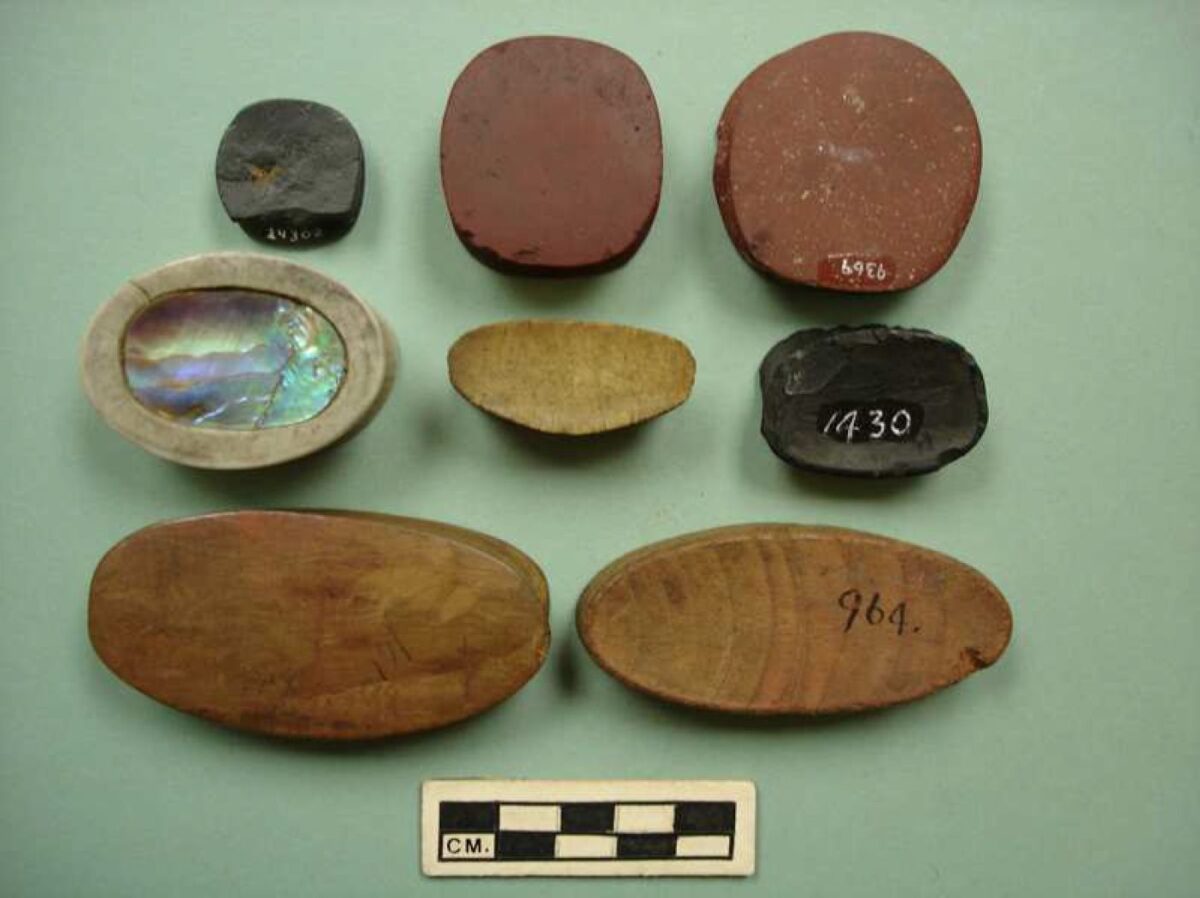
2007. By Grant Keddie Introduction In my publication: “The Use and Distribution of Labrets on the North Pacific Rim” (Syesis 14:59-80, 1981), and paper: “Symbolism and Context: The World History of the Labret and Cultural Diffusion on the Pacific Rim” (Keddie 1989 – this web site), I presented an overview of the geography, timing, gender relations and symbolism pertaining to labrets or lip plugs. I have argued that Labrets are artifacts of significant importance in the interpretation of past human behaviour. As highly visual body adornment, labrets provide evidence of relationships between and among people. Labrets have taken on complex symbolic meanings beyond the obvious indicators of group membership, age, gender and class identity. Once they become established in a … Continue reading “Labrets in the Collection of the Royal B.C. Museum”
Symbolism and Context: The World History of the Labret and Cultural Diffusion on the Pacific Rim

Paper originally presented at the Circum-Pacific Prehistory Conference Session VIII Prehistoric Trans-Pacific Contacts, Seattle Washington, U.S.A., August 1-6, 1989. By Grant Keddie Introduction The question of whether or not Asiatic cultures have influenced cultures of the New World is linked with the problem of how we tell whether cultural charge is internal or external. As Hodder points out “all change incorporates continuity and the archaeologist can emphasize one or the other at will”. The problem he suggests has been “the failure to identify continuity and change as social-symbolic processes”. There is, he argues, a “need for archaeologists to examine the origin and divergence of long-term cultural traditions” (1987a:8). I will present an overview of my ongoing studies on the long-term … Continue reading “Symbolism and Context: The World History of the Labret and Cultural Diffusion on the Pacific Rim”

The Question of Asiatic Objects on the North Pacific Coast of America: Historic or Prehistoric?

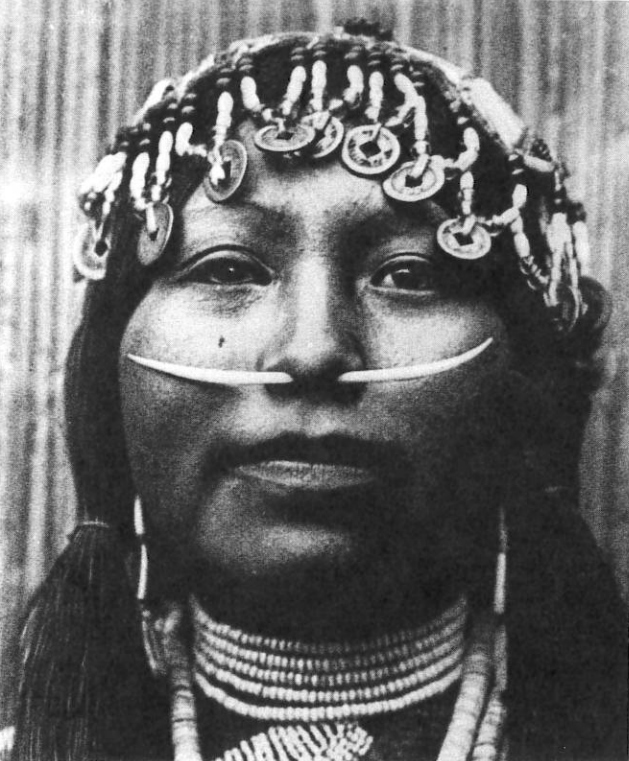
Originally Published in Contributions to Human History, 3. Royal British Columbia Museum. Grant Keddie May 1989 Abstract: Claims have been made that Native Indian cultures of the North Pacific coast of North America have been influenced by prehistoric contact with advanced cultures of China. Purported evidence has focused on the finding of ancient Chinese coins as well as literary references to early voyages and shipwrecks. These claims are dealt with in the context of examining the nature of the diffusion of Asiatic objects around the North Pacific Rim. Historic, protohistoric, and prehistoric events relevant to the interpretation of the evidence are discussed. Key Index Words: Alaska, archaeology, Asiatic, British Columbia, Chinese, coins, copper, diffusion, Fou sang, Huishen, iron, Japanese, North … Continue reading “The Question of Asiatic Objects on the North Pacific Coast of America: Historic or Prehistoric?”

The Man Who Fell From Heaven Petroglyph

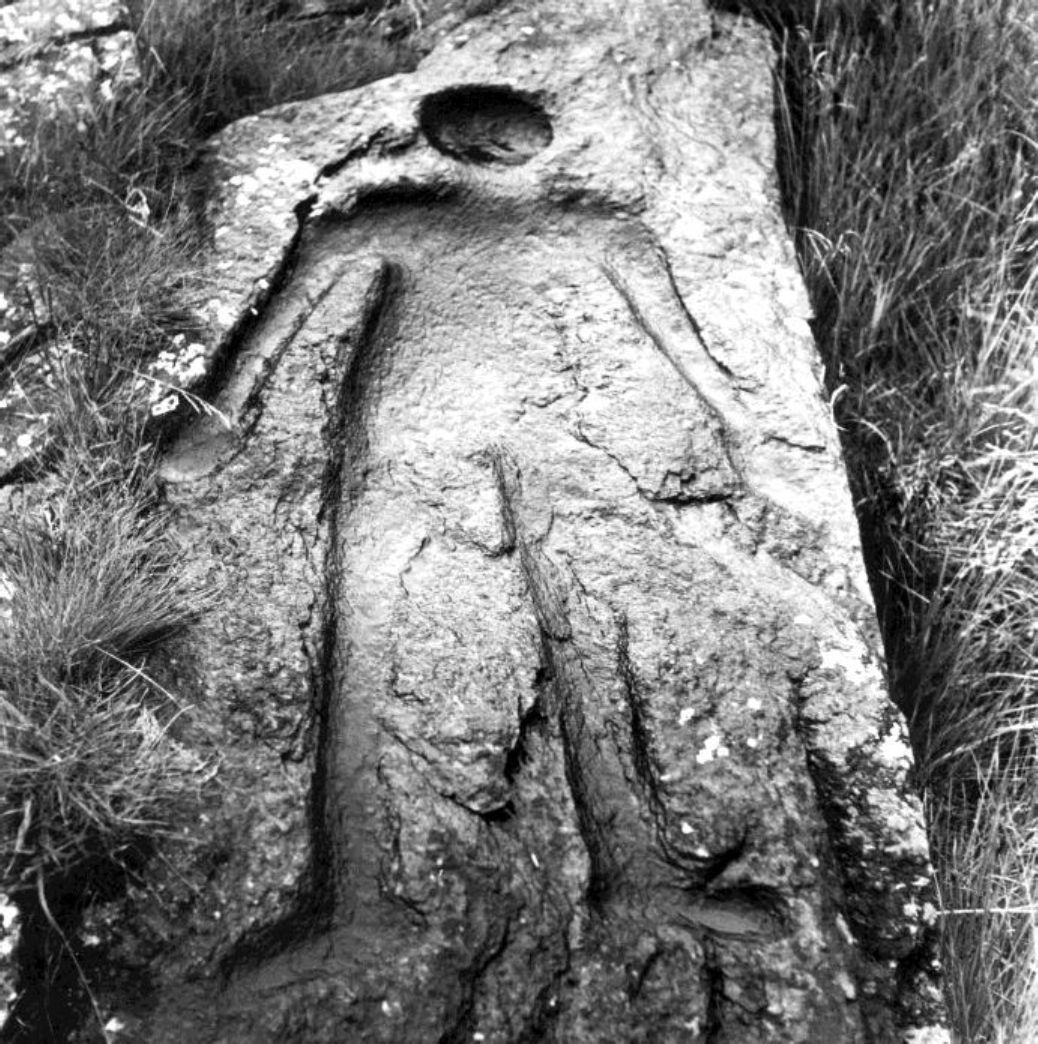
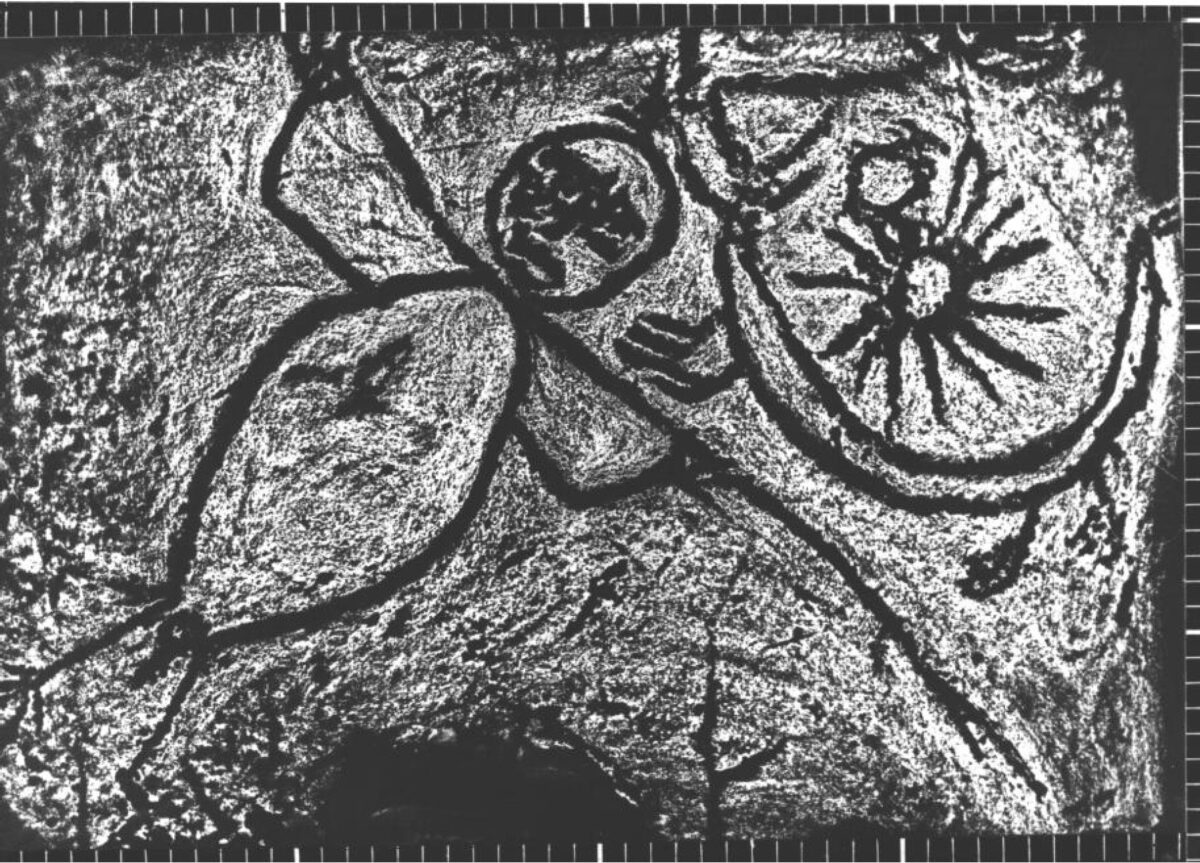
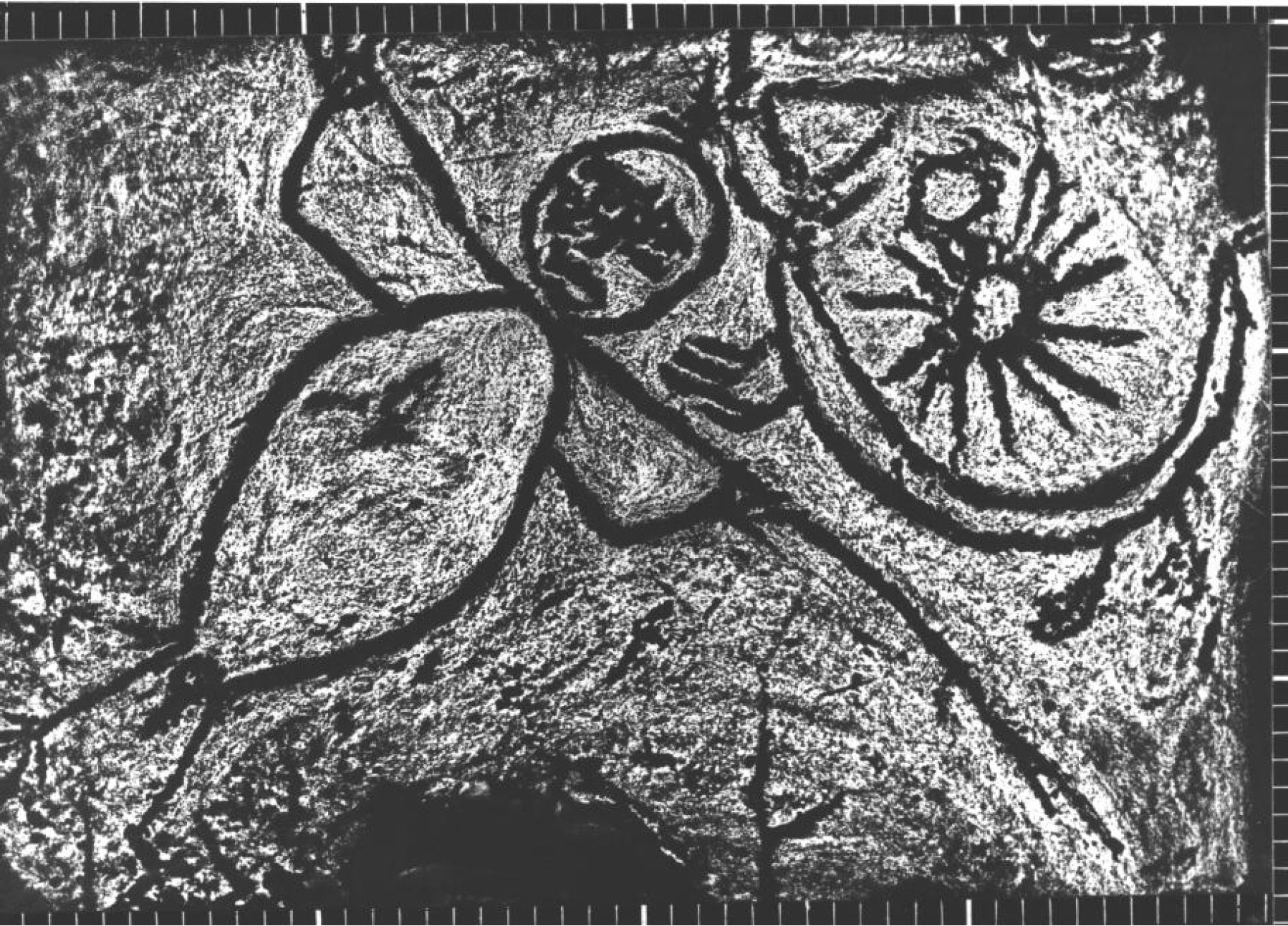
1995. Compiled by Grant Keddie In the collection of the RBCM, is a cast of a unique petroglyph or rock carving that – unlike most petroglyphs – has an associated story. This story was recorded by Harlan I. Smith in 1936. The location, archaeological site GbTo-39,is on Robertson Point on the Metlakatla First Nation Reserve near Prince Rupert, British Columbia: “The origin of this petroglyph is explained by some of the Tsimshian Indians in the following story. An important Indian man, to astonish the people, said he was going up to the sky. He disappeared, but came back home some days later as he could not stay hid very long for lack of food. He explained to the people that he had … Continue reading “The Man Who Fell From Heaven Petroglyph”

Social Patterning in “Rock Art”
And Other Symbolic Objects of the
Interior Salish

1974. By Grant Keddie When undertaking the analysis of the organizational and symbolic content of rock art one would assume that the first step would be to base such studies on a locally derived ethnographic model. Such is often not the case as one still reads statements to the effect that rock art cannot be interpreted as it is the product of some individual psychic experience. If one takes the time to read the existing literature it is clear that most rock art representation is a product of specific kinds of social conditioning. The imagery of the art is not a random factor but a culturally controlled and cultivated phenomena. Among the Interior Salish spirit identity and the power, which a spirit gave, were associated with visible fabricated … Continue reading “Social Patterning in “Rock Art”
And Other Symbolic Objects of the
Interior Salish”

Petroglyphs, Heaven and Earth

By Grant Keddie For up to thousands of years, figures have been carved in stone along the beaches and in forests stretching around the Pacific Rim from California to China. Some of the human face and animal design elements found in British Columbia show interesting parallels with those found along the coast of Siberia. One of the most common questions I am asked in regard to these rock carvings or petroglyphs is what are they, and what do they mean? Were these designs pecked into the rock by a shaman for a special purpose? We cannot understand these images by trying to analyze them from the perspective of our modern culture. We need to look to traditional aboriginal cultures that … Continue reading “Petroglyphs, Heaven and Earth”

The Archaeology and History of Macaulay Point.

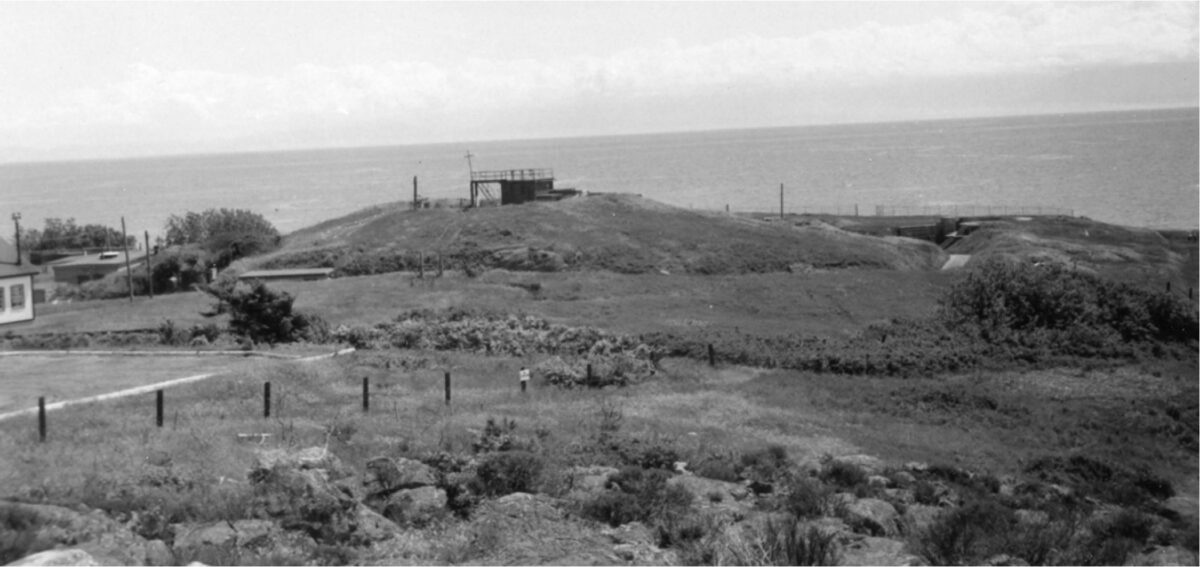
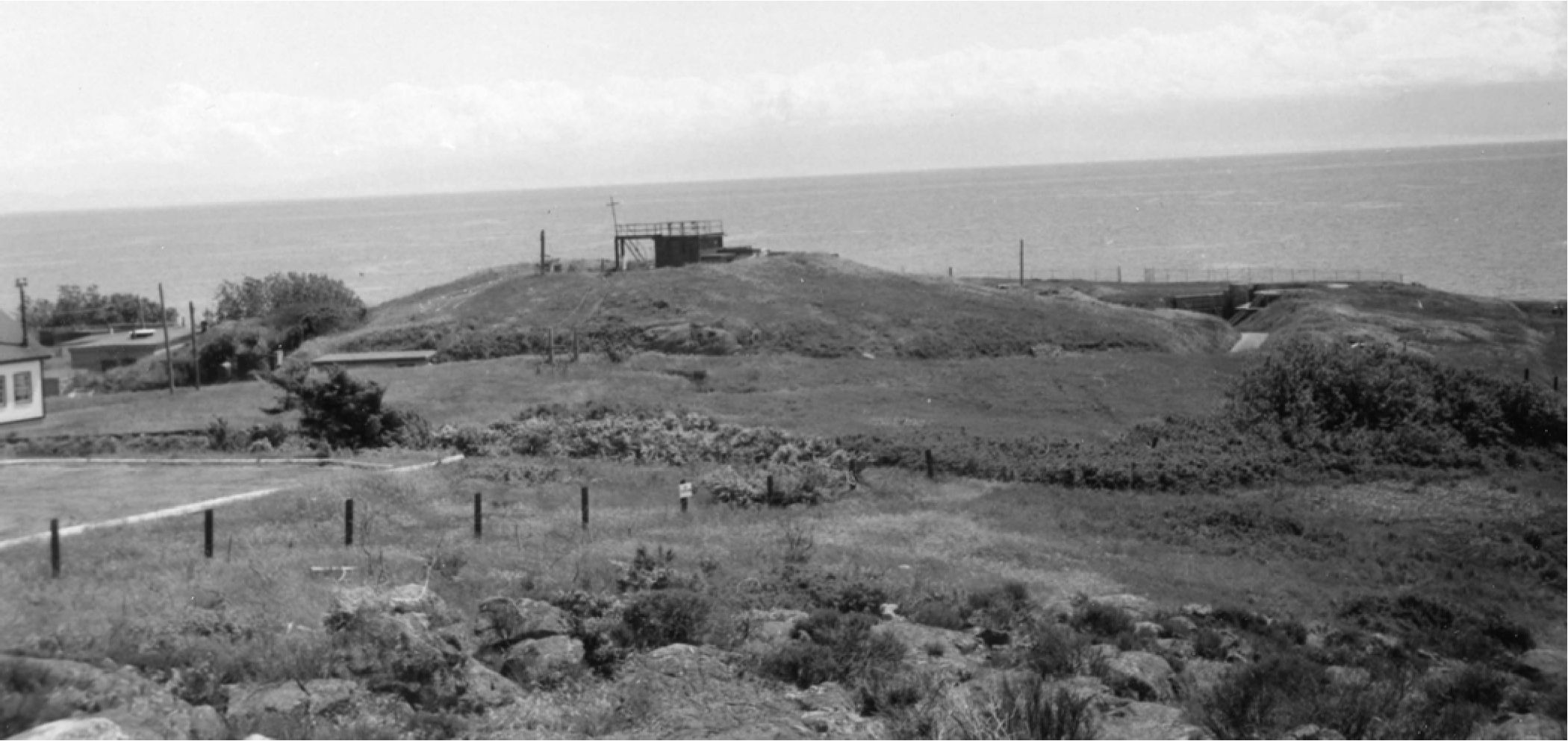
By Grant Keddie. Inspired by the Landscape As Donald Macaulay with his Tsimshian wife Margaret and the first four of their six daughters Mary, Flora, Catherine and Sarah, gazed out at the beautiful ocean view and the fields draped with blue camas, he must have been reminded of his native home on the Scottish Isle of Lewis. It was 1850, and Macaulay was bailiff of the new 600-acre Viewfield Farm owned by the Puget Sound Agricultural Company. Macaulay could hardly have known that this landscape would one day be named after him. Or that it would become a popular military camp in the late 1890’s, where Victoria’s citizens flocked to witness regimental demonstrations. Macaulay Point was first named Sailor Point … Continue reading “The Archaeology and History of Macaulay Point.”

Wooden Self-Armed Fishhooks from the Salish Sea.

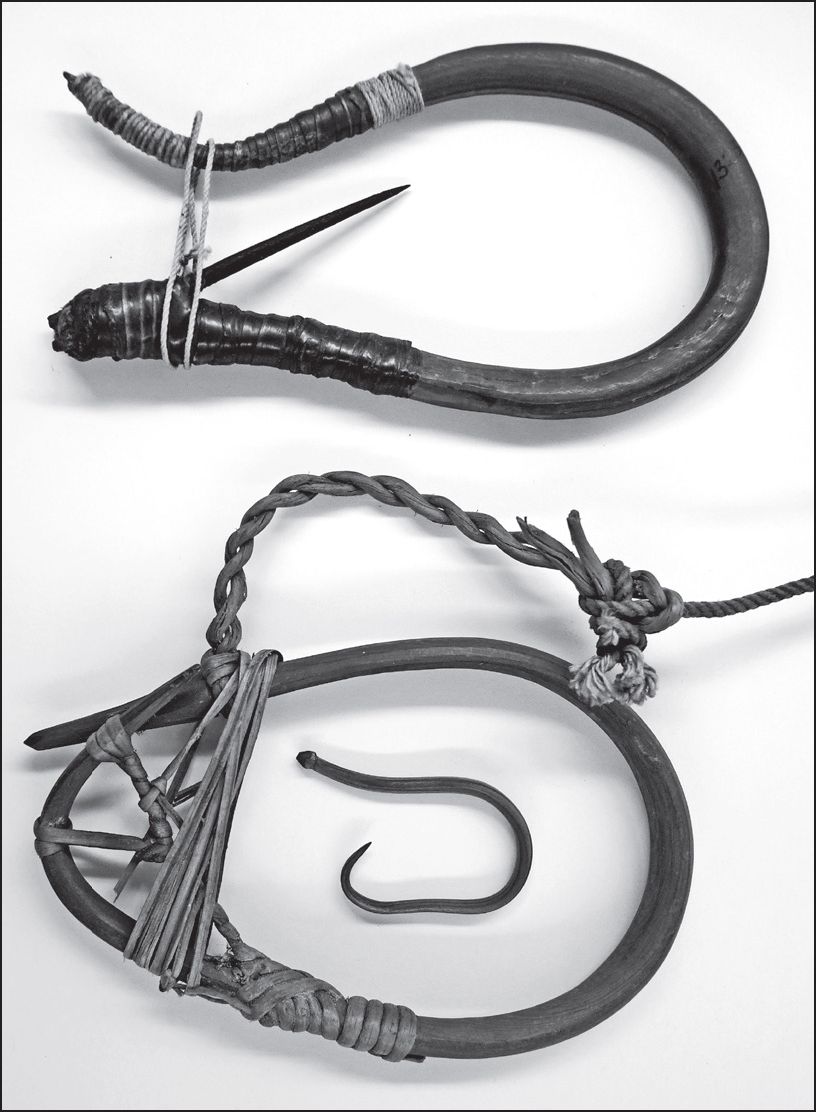
Chapter in Waterlogged: Examples and Procedures for Northwest Coast Archaeologists. Washington State University Press, Pullman, Washington, 2019. Edted by Kathryn N. Bernick. By Grant Keddie Wet sites contain many artifact types that link the archaeological and ethnographic records. Occasionally they also produce objects that do not match the known record. Here, I expand upon our knowledge of one unusual type, the self-armed wooden fishhook, and examine Croes’ (2003:52—55) hypothesis that the technology survived into postcontact times on the northern Northwest Coast but not in the south. This hypoth­esis assumes that self-armed wooden fishhooks were used for catching cod in both regions. However, ethnographic and ethnohistoric evidence for the northern coast indicates that self-armed wood hooks were used to catch sablefish rather than … Continue reading “Wooden Self-Armed Fishhooks from the Salish Sea.”

Wool Dogs of B.C.

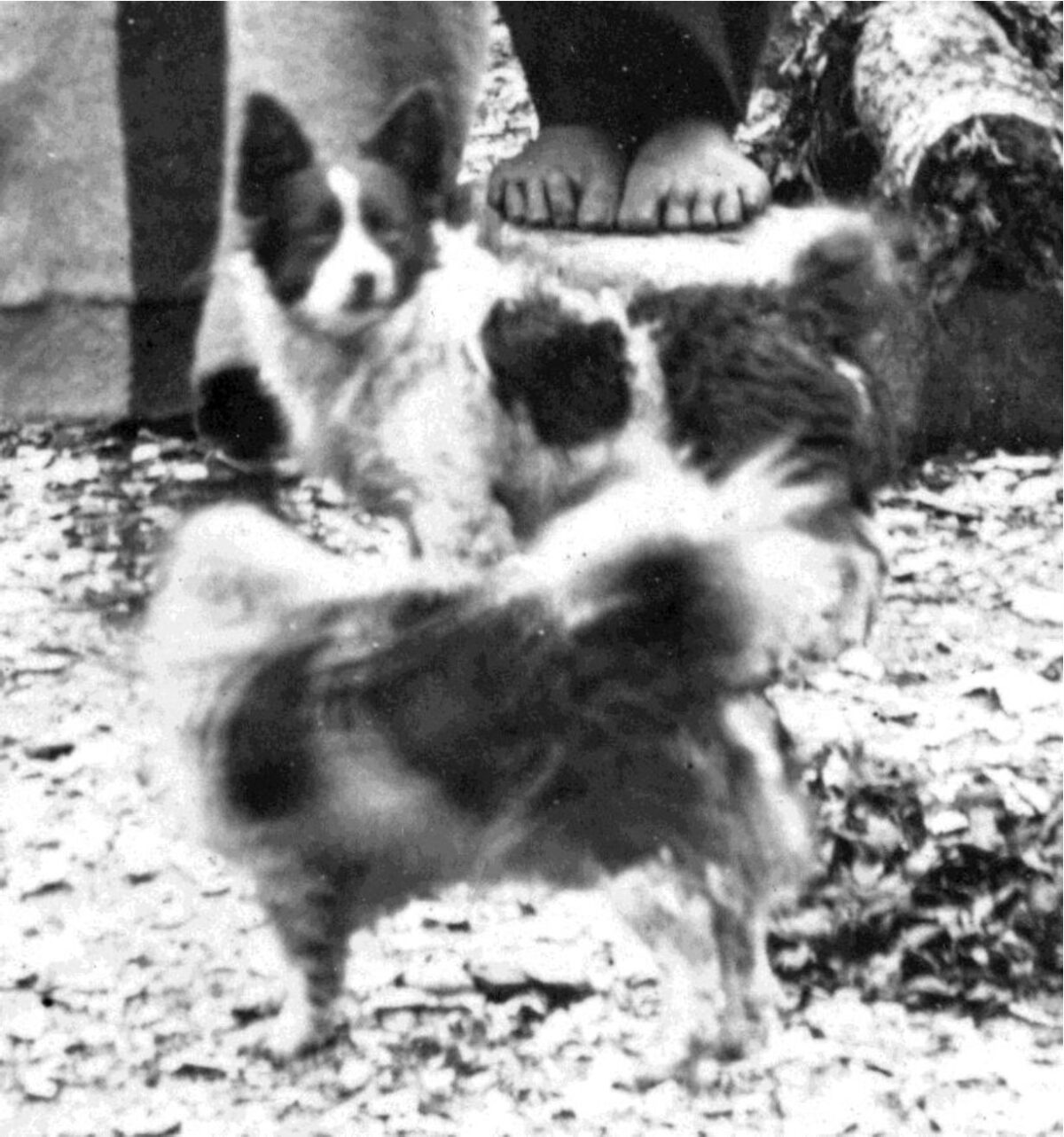
Originally published in The Midden. Publication of the Archaeological Society of British Columbia, 25 (1), 3-5, February 1993. By Grant Keddie Prehistoric Dogs of B.C. Wolves in Sheeps’ Clothing? Throughout the history of North American we see many varieties of native dogs. In British Colombia we find the Bear Dog of the Northern Interior and parts of the northern Coast used for hunting and packing, and a coyote-resembling dog of the southern Interior and Coast used mostly for hunting. On the southern Coast we also find what has become known as the Salish Wool Dog, kept mainly for the production of wool from its thick soft inner coat. With the use of their hair to make of blankets and capes … Continue reading “Wool Dogs of B.C.”