Old World New World

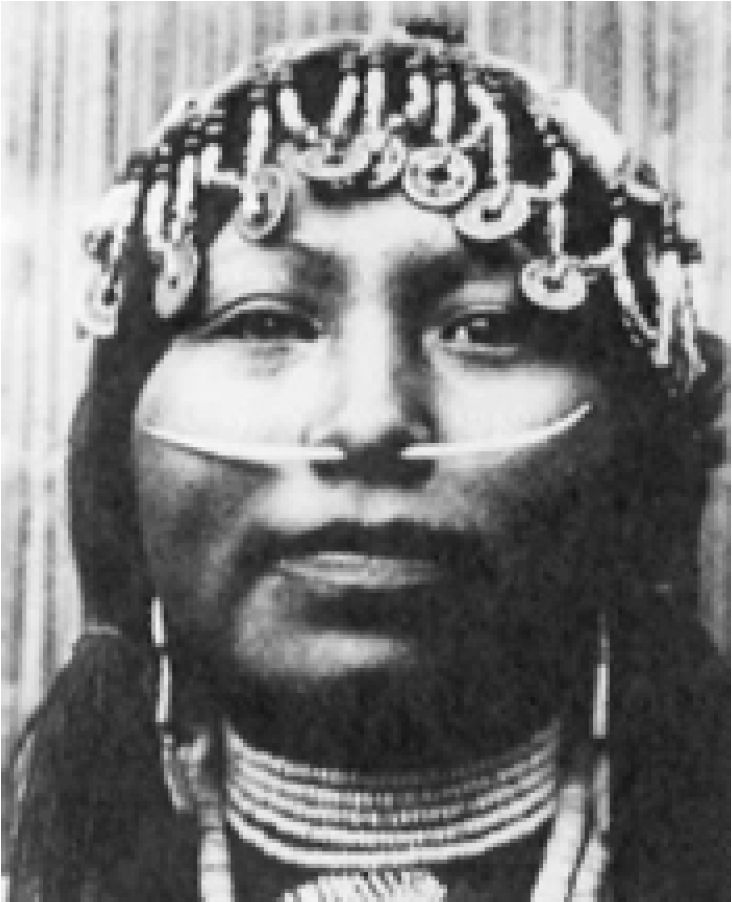
1999. By Grant Keddie When Europeans from the Old World came to the New World of the Americas in the 16th century, they observed thousands of native societies speaking a variety of languages. These cultures ranged from small, loosely organized bands of hunter-gatherers living in small settlements, to highly organized agricultural societies with large cities. Europeans tried to explain how these native cultures came to be in the New World. Scholars looked for clues in the main sources of informa­tion available – the Bible and the Greek and Roman classics. In 1535, a Spanish writer, Oviedo, added religious dogma to Plato’s story of the lost civilization of Atlantis. He asserted that Atlantis was a land mass extending from Spain to … Continue reading “Old World New World”
Clallam Mat Lodge

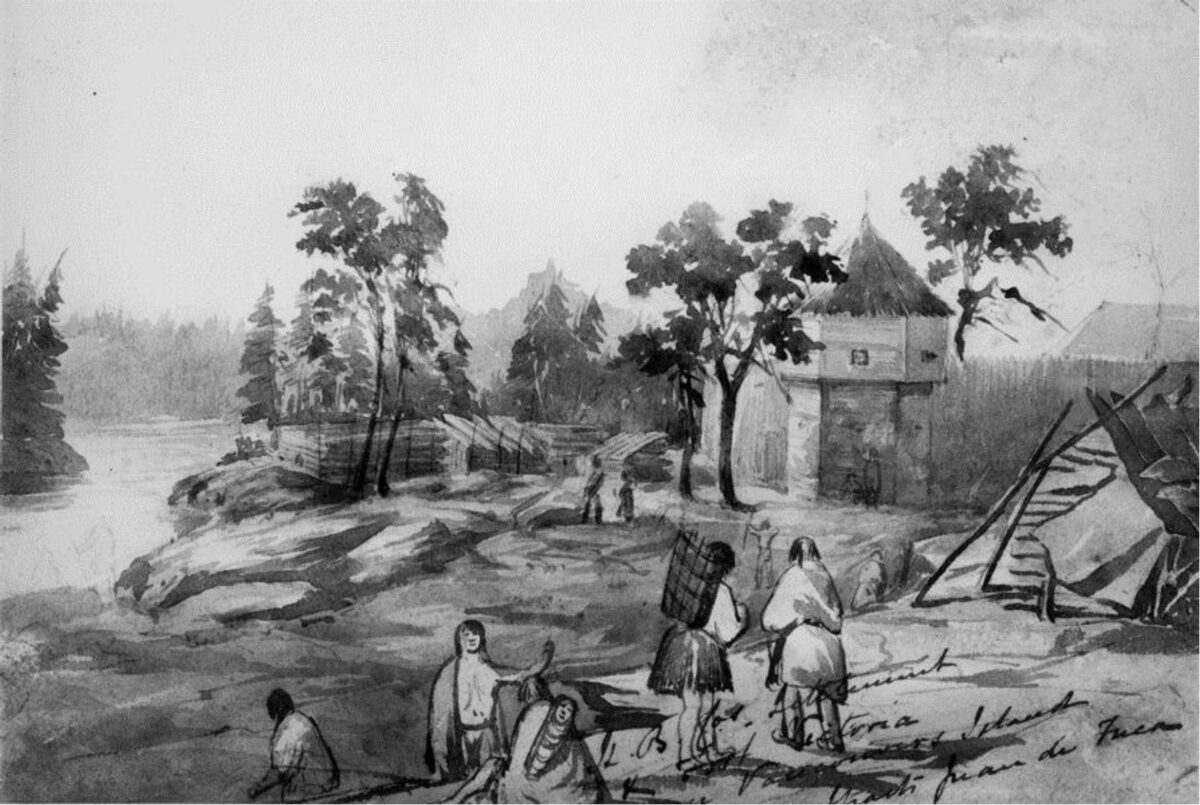
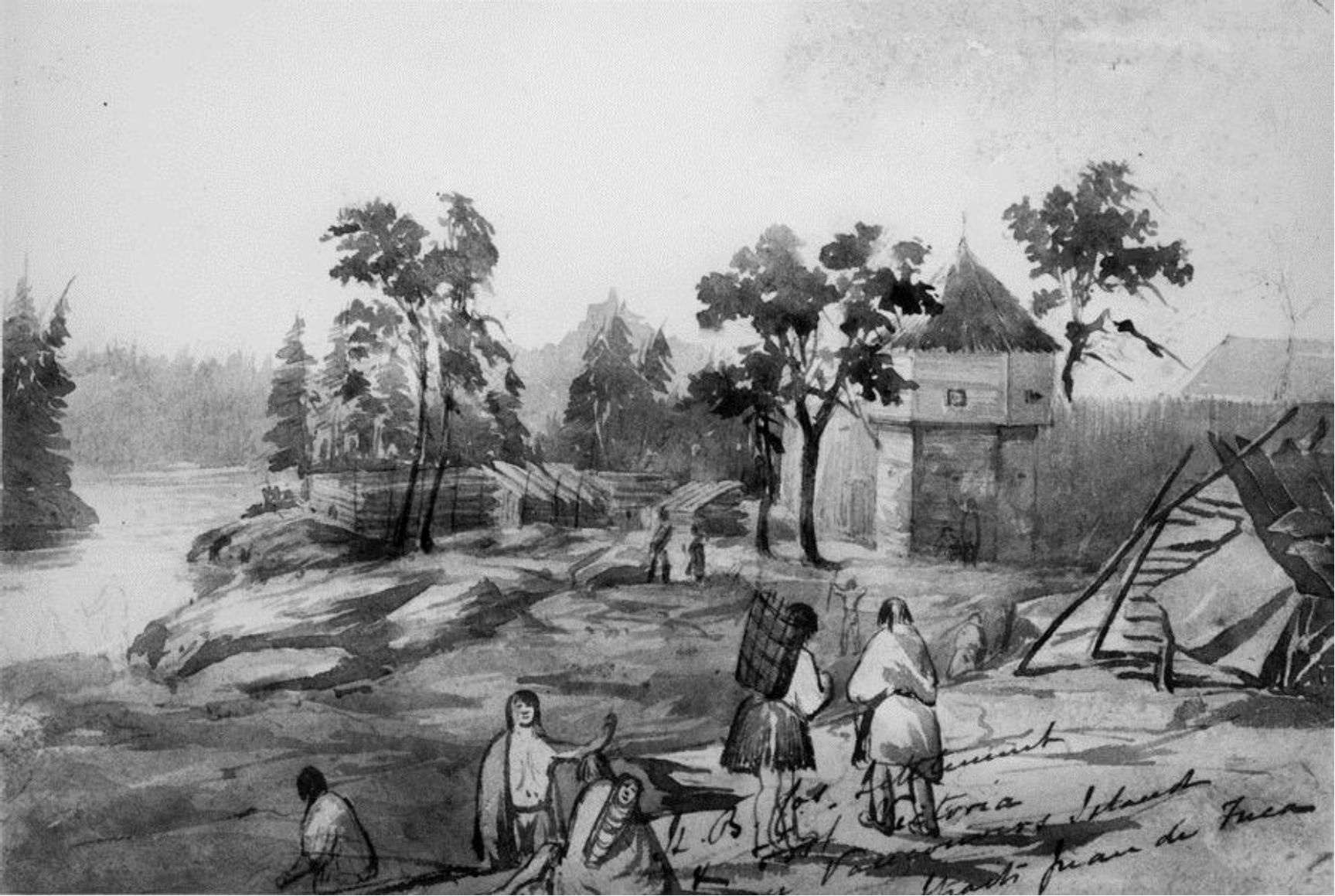
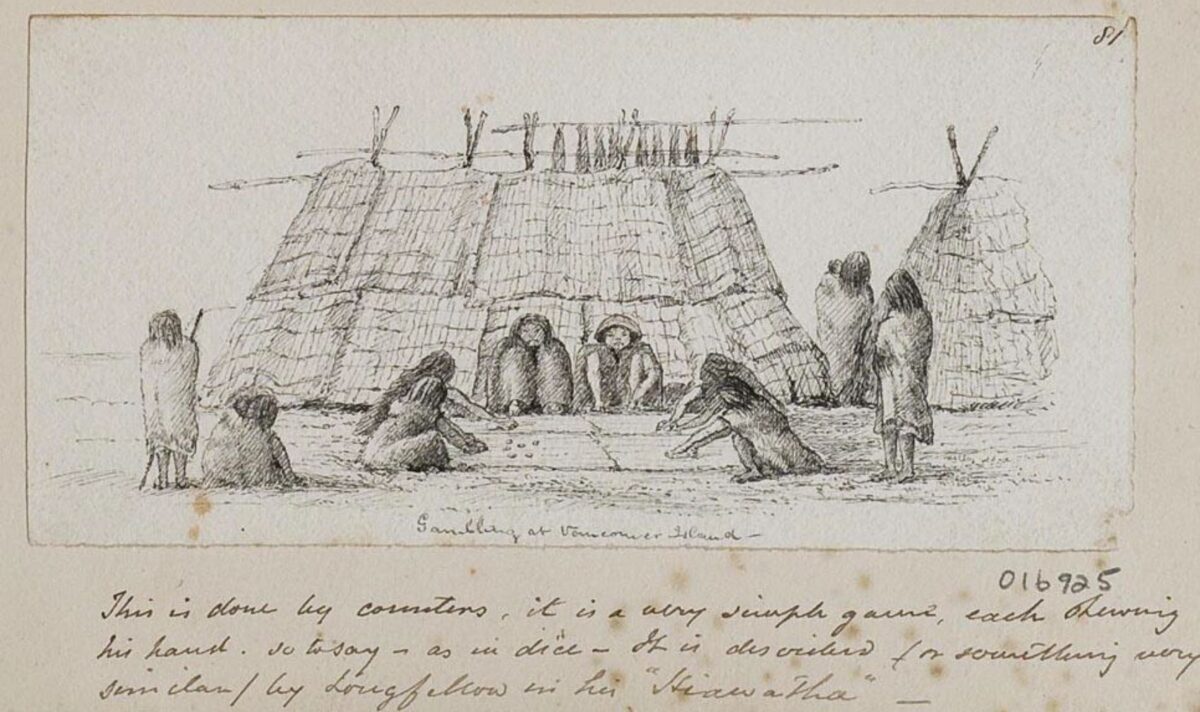
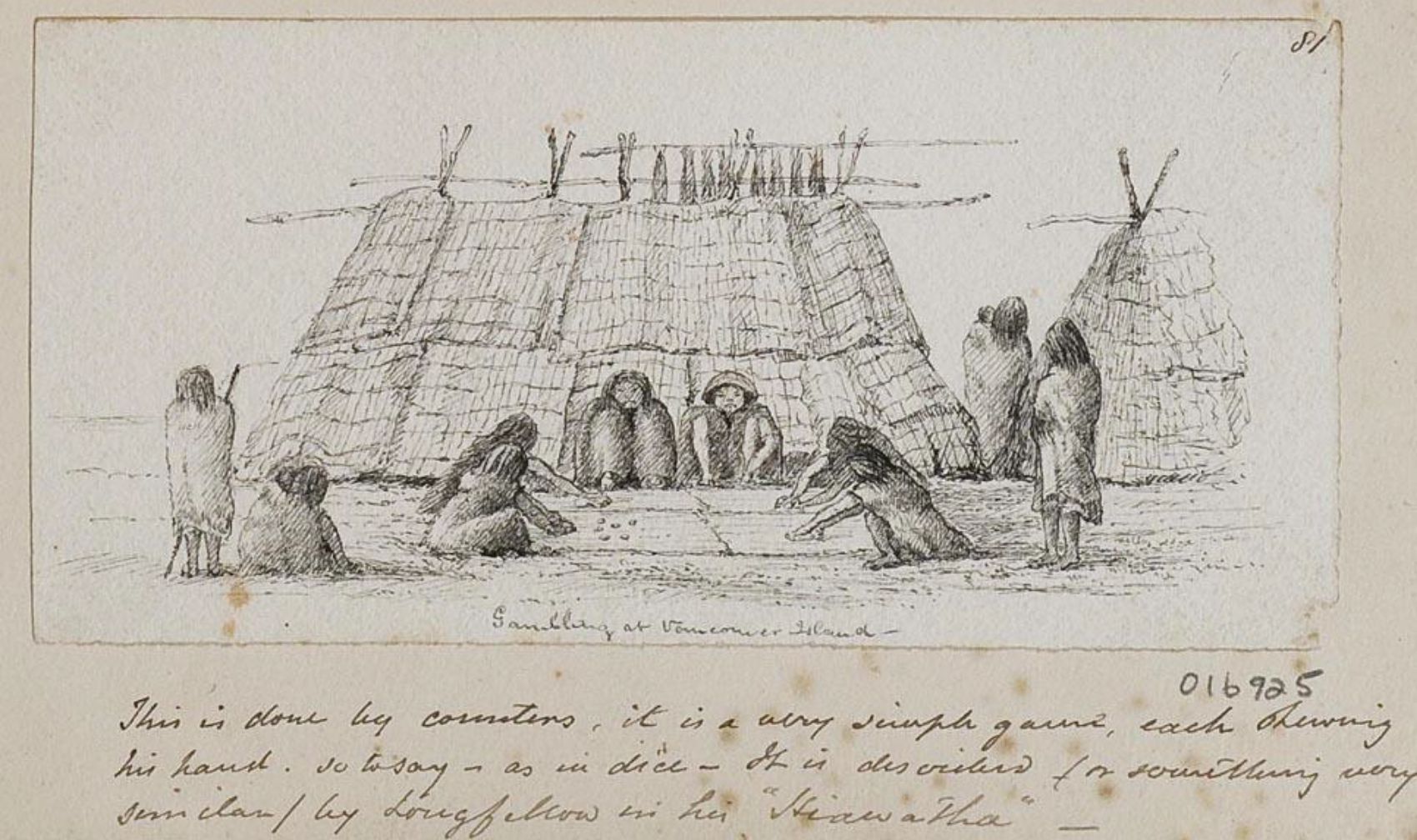
By Grant Keddie. 2013. Introduction The Victoria Harbour area, on Vancouver Island, is within the traditional territory of the Lekungen people who are represented by the Songhees and Esquimalt First Nations. In 1843, the Hudson’s Bay Company built Fort Camosun (later Fort Albert and Fort Victoria) in the Harbour. In the early days of this establishment (1843-1855), Clallam First Nations, from the American side of the Strait of Juan de Fuca, set up camps during their trading and employment activities with the Fort. The location and nature of these camps has been a subject of some uncertainty. But, the location of one of the Clallam camps has been made clear by the finding of unique images located in the Royal … Continue reading “Clallam Mat Lodge”

A History of Royal Bay. In the City of Colwood

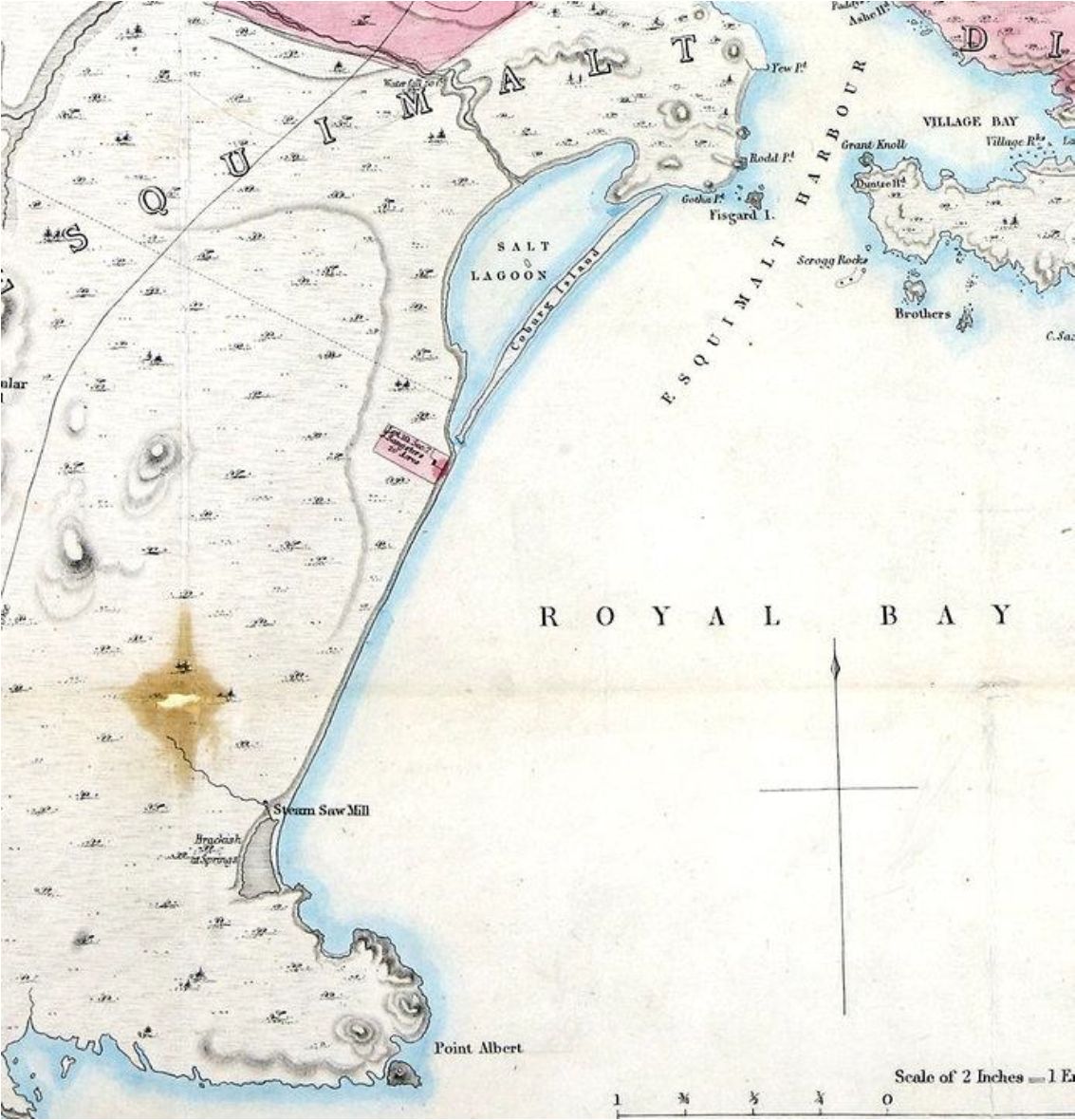
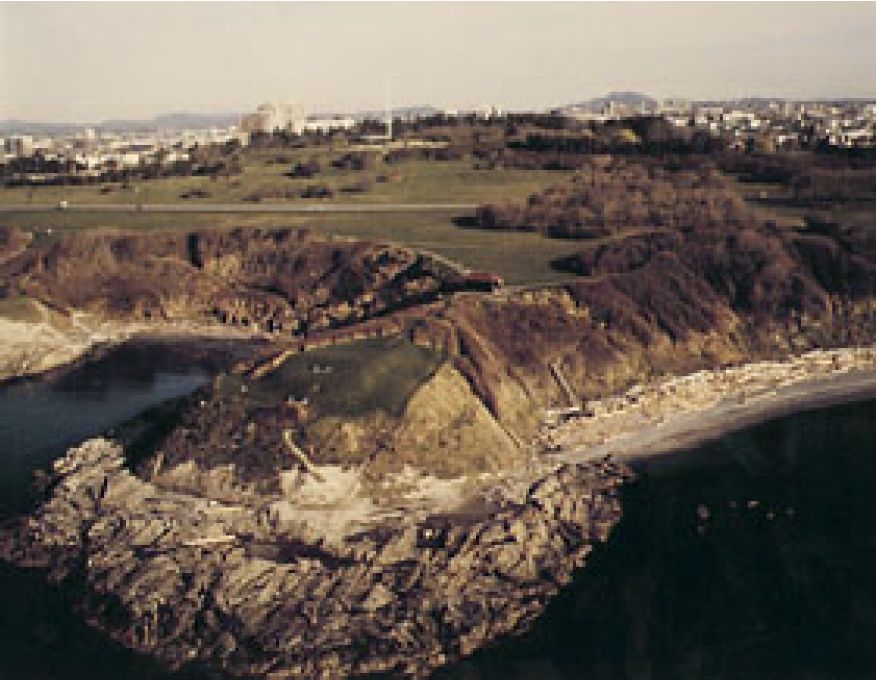
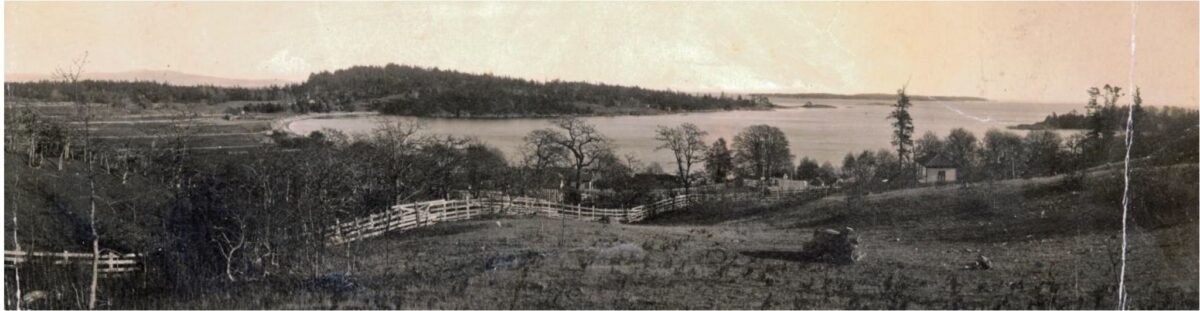
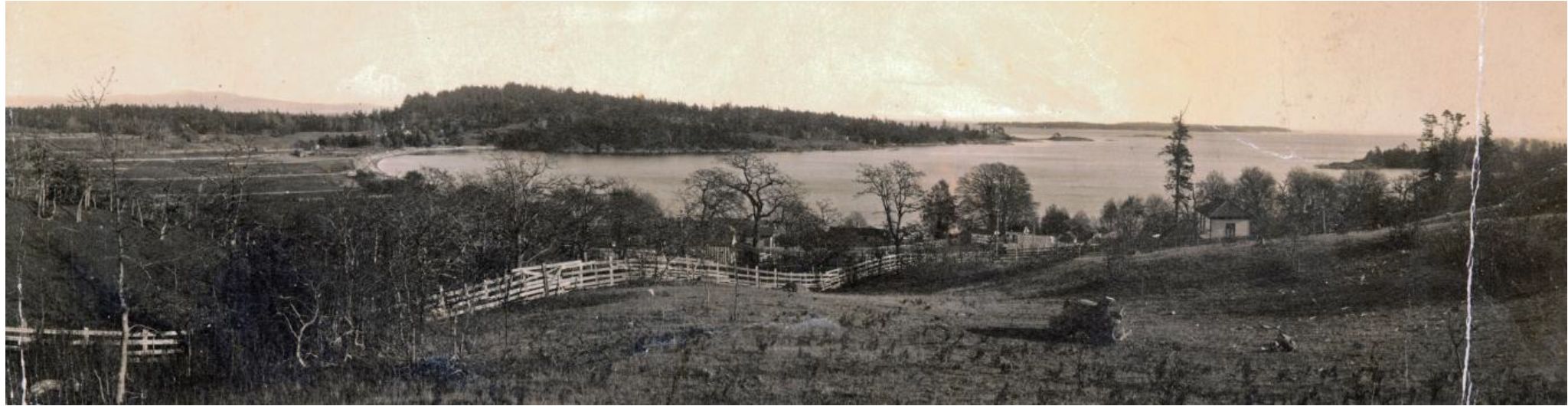
By Grant Keddie. April 28, 2020. Introduction Twenty one thousand years ago a glacier that advanced from the north into Saanich Inlet melted away into a large fresh water lake. The lake burst through to the south sending millions of tons of sands and gravels across the landscape creating what is known as the Colwood Delta. Buried in the upper portions of this delta were the remains of a 20,000 year old mammoth. Over the last 100 years these sands and gravels have been largely removed and used to create the buildings and roads of the region. The community of Royal Bay has now immerged from the base of this ancient Delta. The Human History The landscape in the Royal … Continue reading “A History of Royal Bay. In the City of Colwood”

Aboriginal Defensive Sites

By Grant Keddie 1996. Part 1: Settlements for Unsettling Times Over time, glaciers, sea level changes and climate have reshaped our landscape. Around us today is the evidence of how humans have utilized that environment over thousands of years. By studying types of settlements, archaeologists can get a glimpse of how people related both to the natural world and to other people. In the Victoria area, bounded by Cowichan Head to the north and Metchosin to the west, there are about 100 shoreline shell-midden sites which represent the remains of old aboriginal villages. At least 18 of these have been recorded as defensive sites or villages with large wooden defensive walls and/or defensive ditches. In spite of the many observations … Continue reading “Aboriginal Defensive Sites”

The Confusing Legend of the “Mystic Spring”

2003. by Grant Keddie In the municipality of Oak Bay, above the western side of Cadboro Bay, part of the uplands drain through a deep ravine now referred to as Mystic Vale. The creek that flows through this vale, or valley, has never been given a legal name but is referred to locally as Mystic Creek or Hobbs Creek. Mystic Creek flows north of Vista Bay Road and between Bermuda Street and Killarney road to the north of Cadboro Bay road. South of Cadboro Bay road the creek flows on the east side of Killarney road. Recently its south end was diverted east to Sinclair road. To the west of Killarney road is Mystic Lane. Artificial duck ponds have been created above and below this lane. The area between Killarney … Continue reading “The Confusing Legend of the “Mystic Spring””

The Imaginary Plank Houses of Henry Warre

By Grant Keddie.  2013. Introduction Captain Henry Warre, while on a spy mission for the British Government, painted a detailed water-color that shows the view looking north along the west side of Fort Victoria ( Figure 1). The image, painted on September 27, 1845, shows at least four traditional style First Nations plank houses adjacent to the Fort. The presence of these more permanent style plank houses has caused some confusion in the placing of various First Nations villages or encampments. Other images of Fort Victoria drawn or painted around the same time period clearly show that these plank houses did not exist. Based on the available evidence it is clear that the plank houses painted by Henry Warre in … Continue reading “The Imaginary Plank Houses of Henry Warre”

Jubilee Hospital Excavations

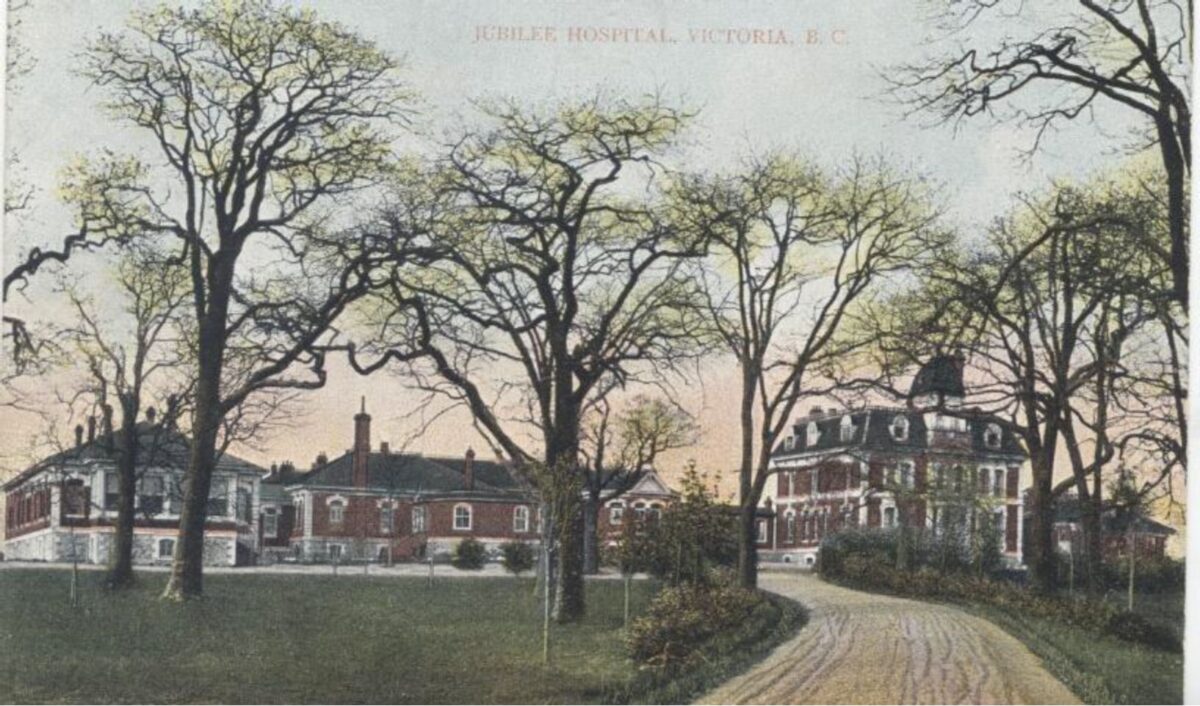
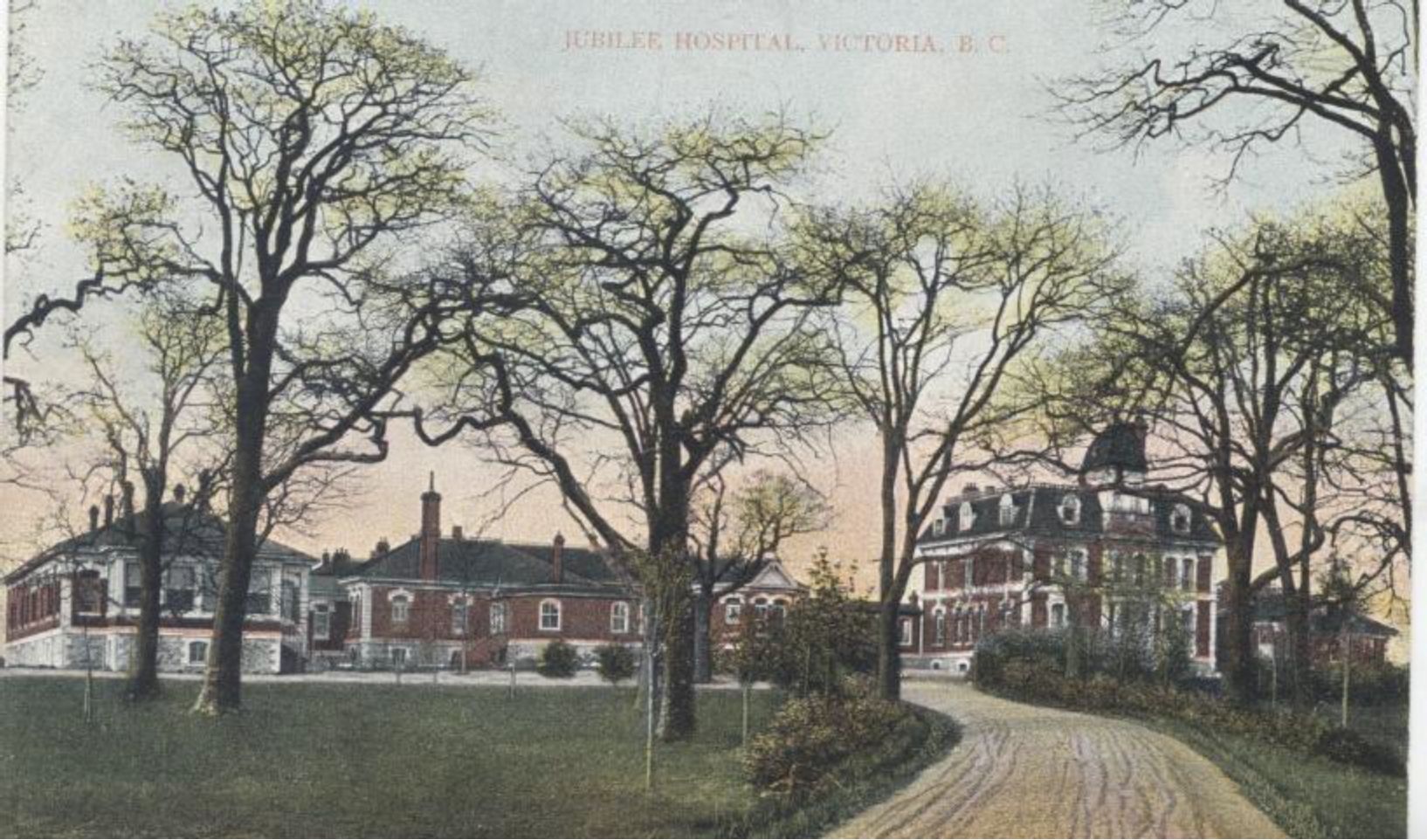
March 9, 2007 By Grant Keddie TAKING IN THE GARBAGE ONE HUNDRED YEARS LATER EXCAVATING THE PROVINCIAL ROYAL JUBILEE HOSPITAL DUMP The Victoria Branch of the Archaeological Society of British Columbia was engaged from April to July 1991 in weekend excavations of hospital dump material associated with the early years of the Provincial Royal Jubilee Hospital. On sporadic occasions over the next two years evenings were spent cleaning, sorting and gluing the artifacts. The hospital opened in 1890 and dropped the Provincial part of its name in 1938. The Jubilee Hospital excavations project started when Dr. Stuart Kenning of the Victoria Medical Society and Norma Friedmann, the Facility Planner for the Greater Victoria Hospital Society came to the City of … Continue reading “Jubilee Hospital Excavations”

Hedley Cave Site DhRa-2

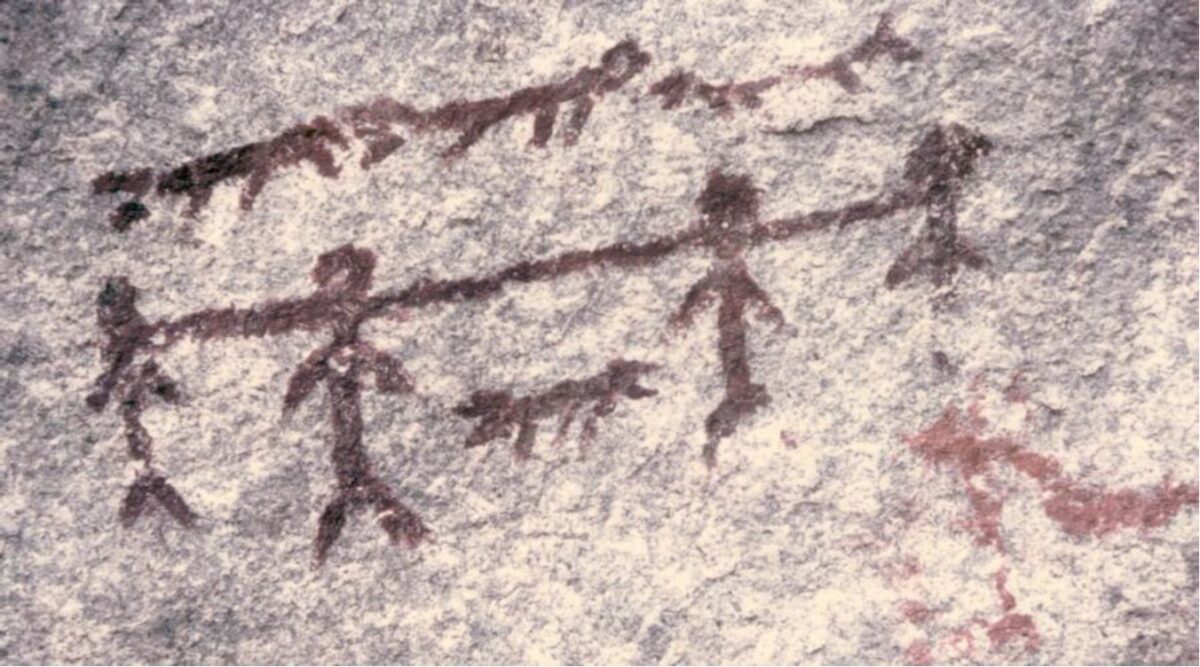
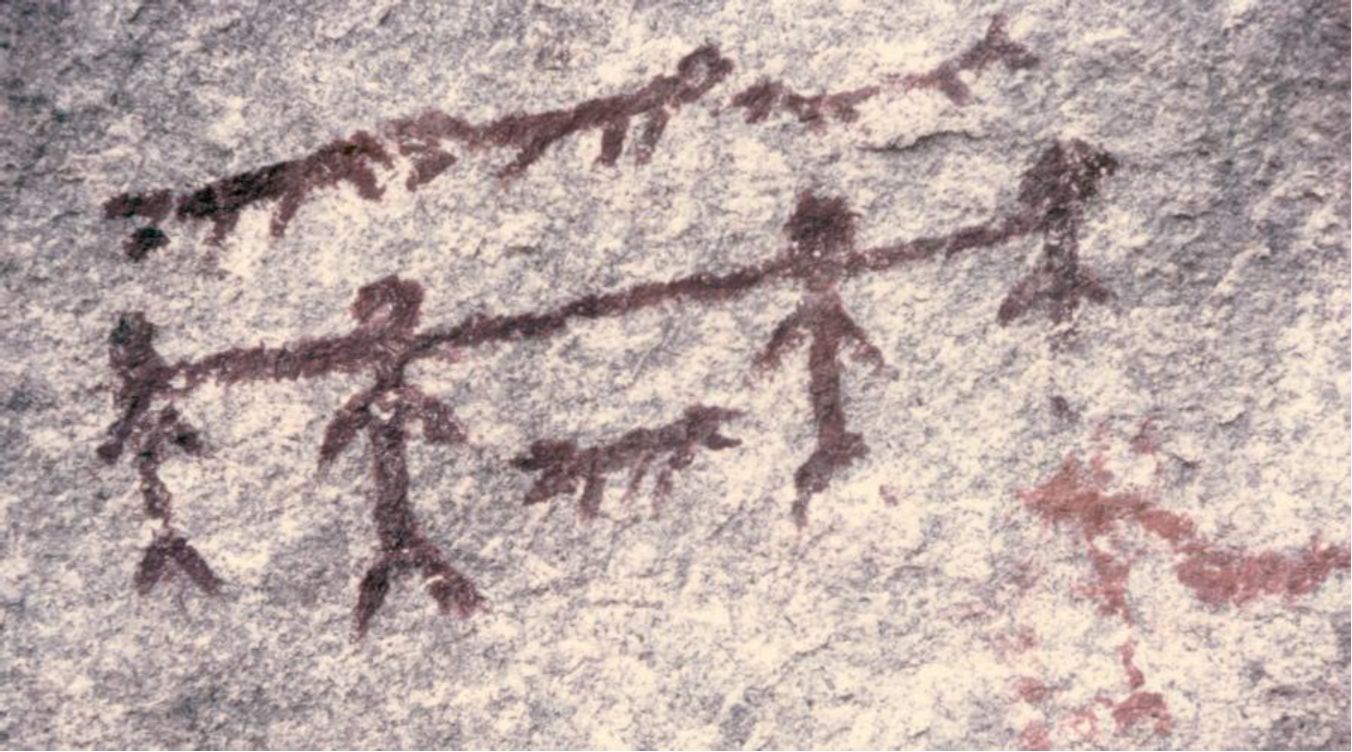
2005. By Grant Keddie The Chuchawaytha Rock Shelter Pictographs. Since reading the Midden article by Darius Kruger (2005), I thought I should add some unique information to his favorite ancestral site – the Chuchawaytha Rock Shelter, DhRa-2. This Similkameen region site has been referred to in earlier literature as the Hedley cave site. There has been some confusion regarding this location perpetuated by non-First Nation stories about early visits by Spaniards. Two clusters of images referred to as “the horseback riders” and “the prisoners” have often been misinterpreted by non-First Nations, as a single unit that represents Spaniards on horseback with ropes tied around the necks of a group of First Nation prisoners. This interpretation is an attempt by non-First Nations to fit these images with … Continue reading “Hedley Cave Site DhRa-2”

Where is Urban Archaeology?

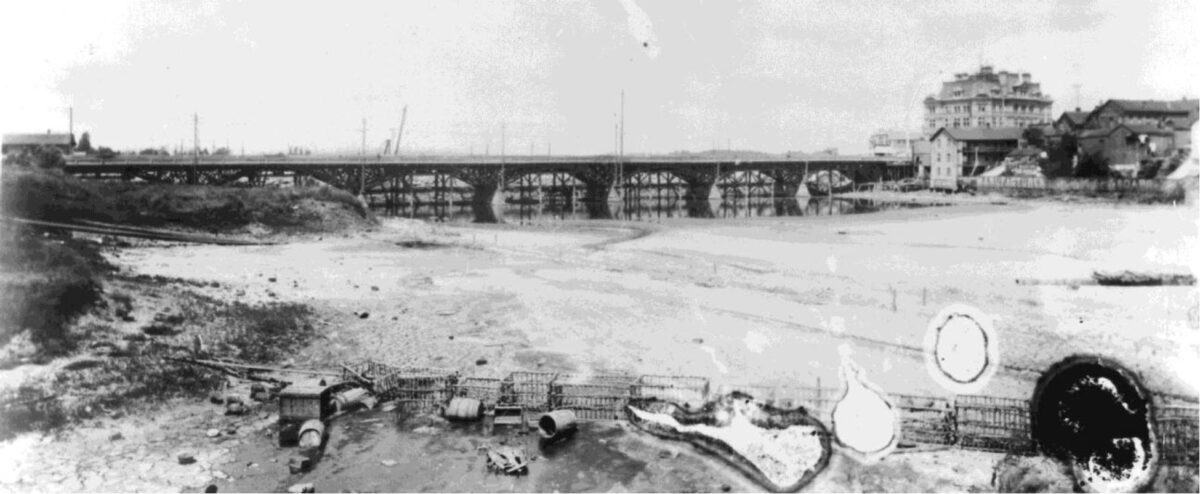
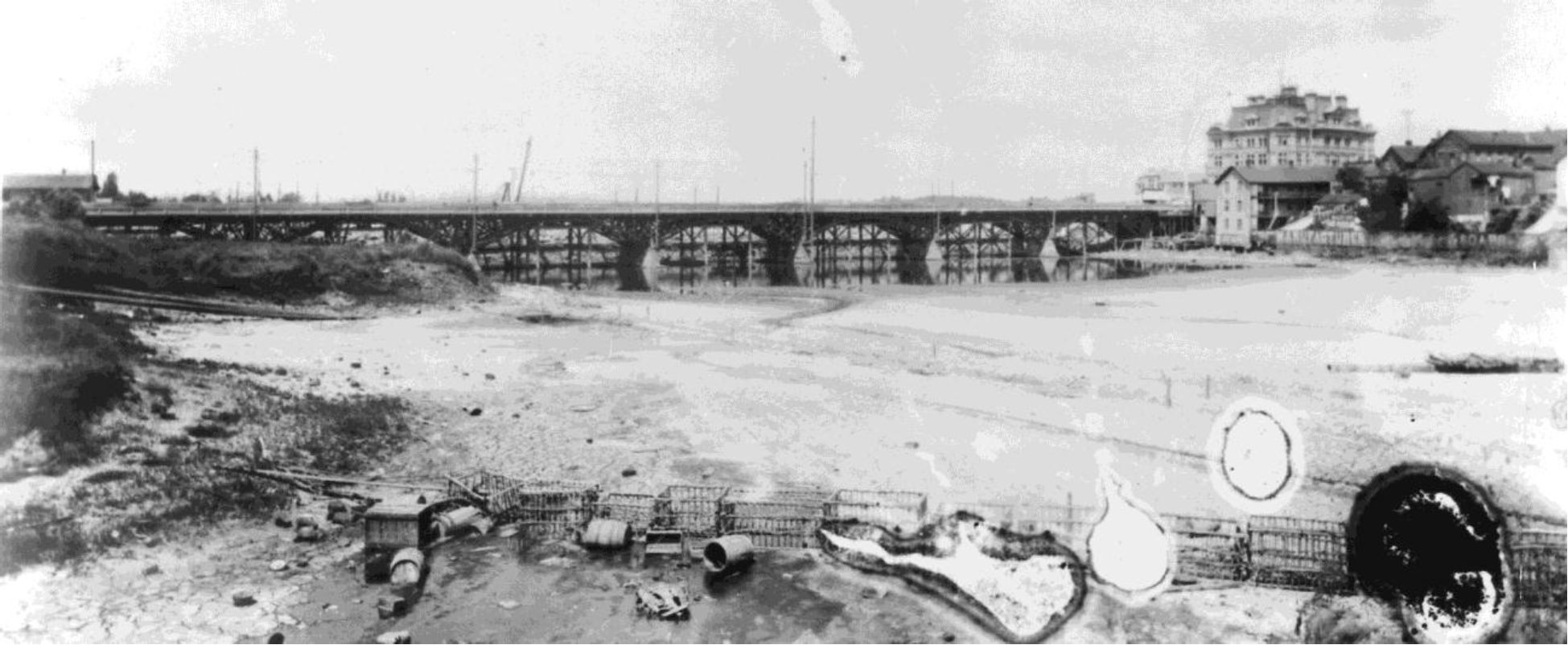
Originally Published in Discovery: Friends of the British Columbia Provincial Museum Quarterly Review, 15(3). By Grant Keddie.  July 1987. Introduction   “Diggers Uncover Bottle Bonanza” read the headline of a Victoria newspaper in October 1981. The article explained that “Excavators have struck it rich while dig­ging at the lawn bowling club beside Crystal Gardens”. There were, in fact, many interesting bottles and ceramic items found by the work crew excavating the foundation for the new clubhouse. But were these really a surprising discovery as the newspaper article seems to suggest? The answer is, of course, no! It was a well-known fact that this area was once the shoreline of James Bay. The area was often referred to around the turn … Continue reading “Where is Urban Archaeology?”

The Legend of Camosun

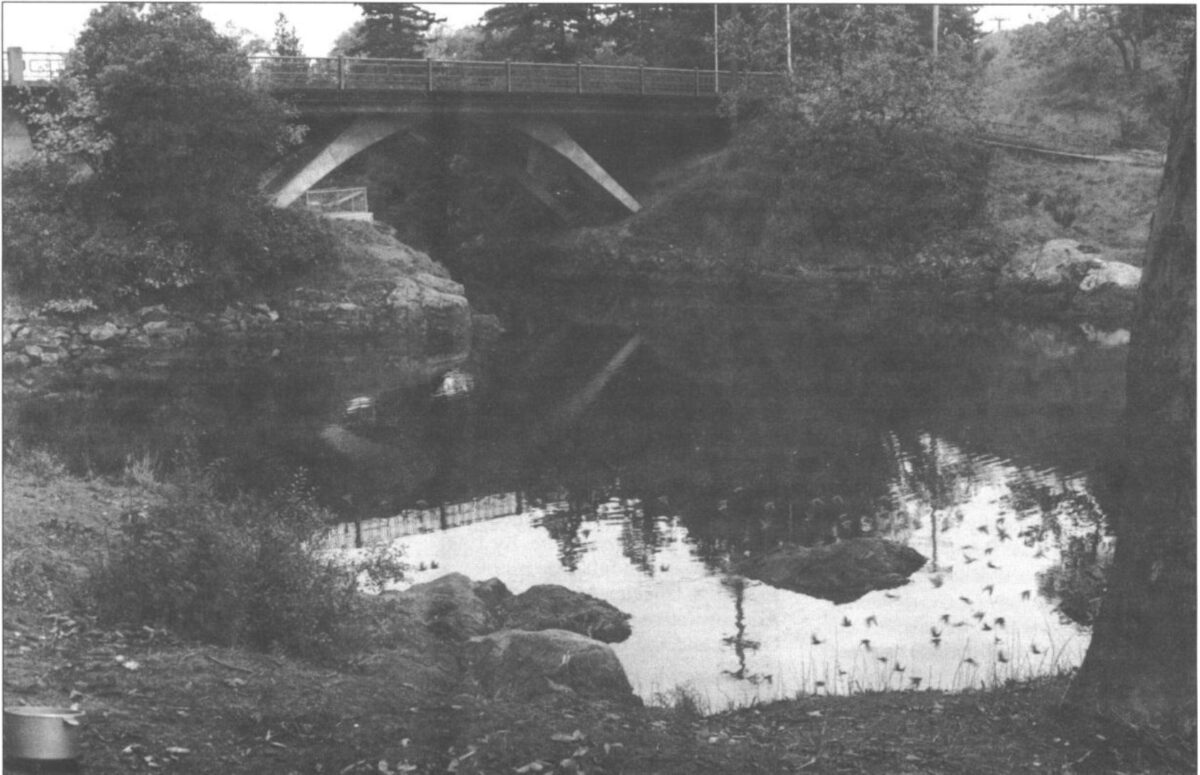
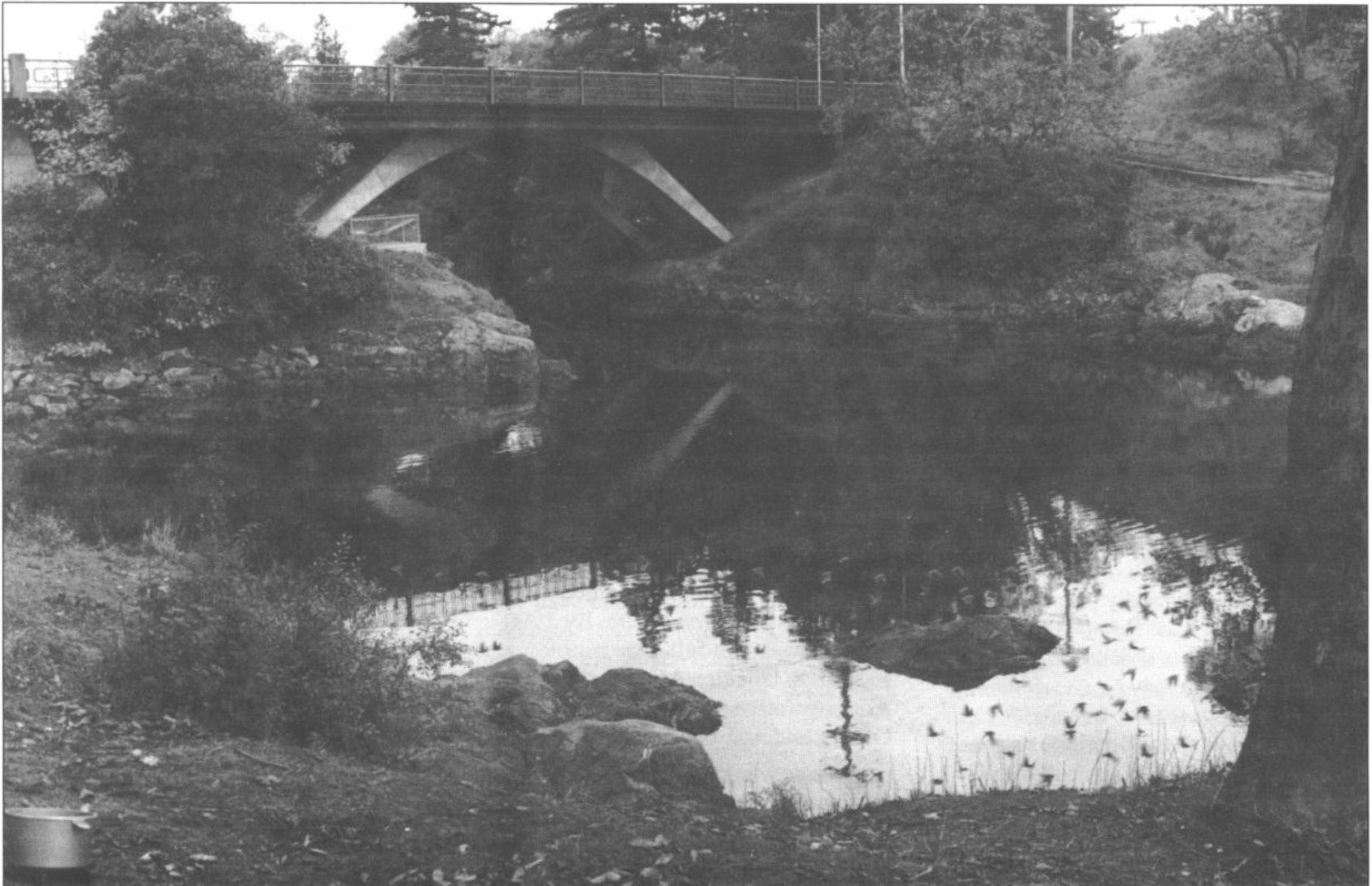
Originally published in: Discovery: Friends of the Royal British Columbia Museum Quarterly Review, 4(5). By Grant Keddie.  Autumn 1991. Introduction  The location of the reversible falls on the Gorge waterway in Victoria is significant in the history of Vancouver Island’s Songhees Indians. The legend of this beautiful spot under the Tillicum Road bridge produced the name of the city’s Camosun College, and was the first name for the Victoria area used by both Indians and fur traders. In 1843, James Douglas of the Hudson’s Bay Company referred to the waterway from Victoria Harbour to Portage Inlet as “Camosack”. The new fur-trade post was called “Fort Camosack”, and then “Fort Albert”, before it officially became “Fort Victoria”. Camosack was an interpretation … Continue reading “The Legend of Camosun”