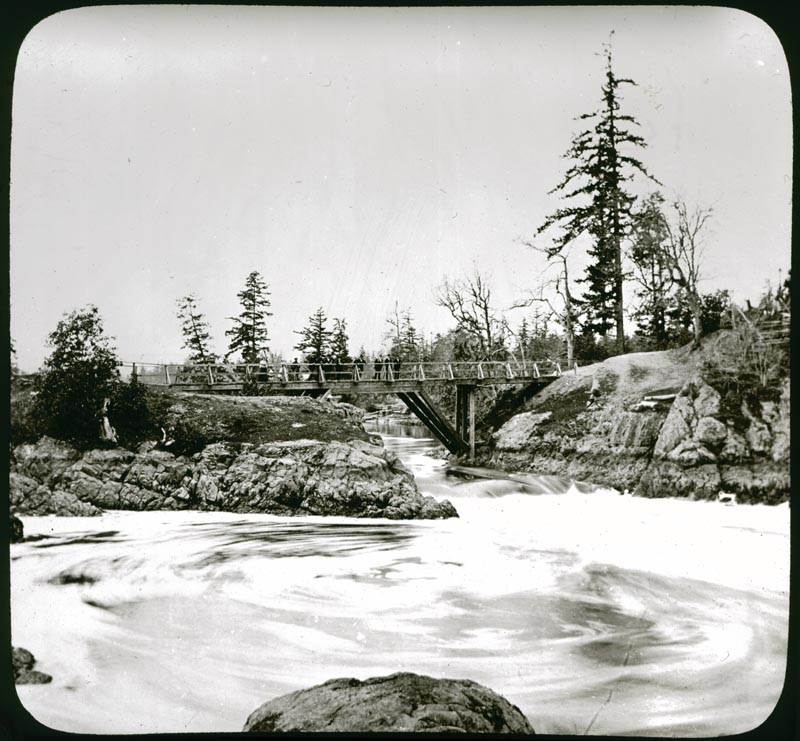
Camossung. Bridging two Worlds

Introduction The Gorge Waterway is a special place in the tradition and economy of the Indigenous Lək̓ʷəŋən people of Greater Victoria. The Gorge reversing falls were the focus a special creation story for the Lək̓ʷəŋən, but also became a special place of celebration for the European populations that infiltrated into their territory. It is a story of transition between interconnected worlds with a moral that is aimed at bringing about a better world. A theme of preservation that transgresses time. The legend of this beautiful spot produced the first name “Fort Camosun” used by both the Indigenous Lək̓ʷəŋən peoples and fur traders (see appendix 2). Today it provides the name of Camosun College and Camosun Street. In the Lək̓ʷəŋən tradition, … Continue reading “Camossung. Bridging two Worlds”
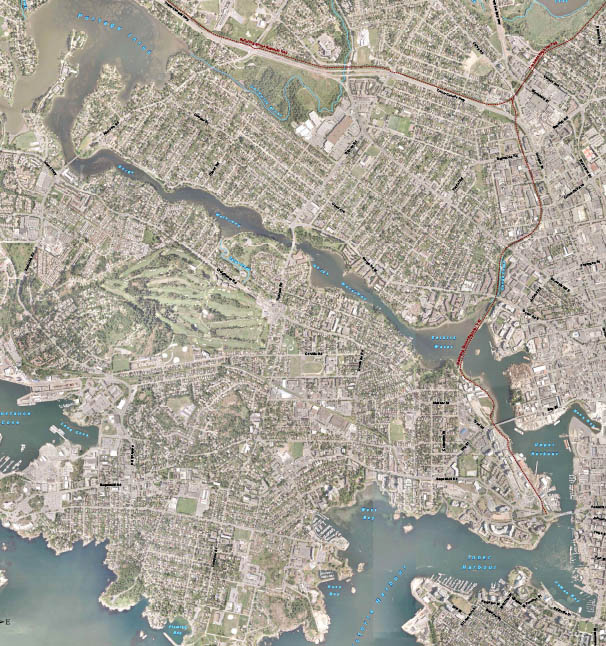
The Archaeology of the Gorge Waterway of Greater Victoria

Part 1. The changing Landscape and Victoria Harbour to Selkirk Waters. The Changing Landscape Twenty-one thousand years ago the Gorge Waterway, Victoria Harbour and all the beaches around Victoria were all deep underwater. This was caused by the glaciers pushing the land down as they approached the Victoria Region (Miskelly 2012; Clague 1983). The land rebounded to 14 meters above the present sea level by Thirteen thousand years ago (Keddie 2019). By 11.200 years ago the land continued to rebounded and the Gorge appeared for a short period of around 1,000 to 2000 years as an ocean inlet. As the land continued to rebound, the upper Gorge became dry land by 9200 years ago. The Gorge and Victoria Harbour became … Continue reading “The Archaeology of the Gorge Waterway of Greater Victoria”

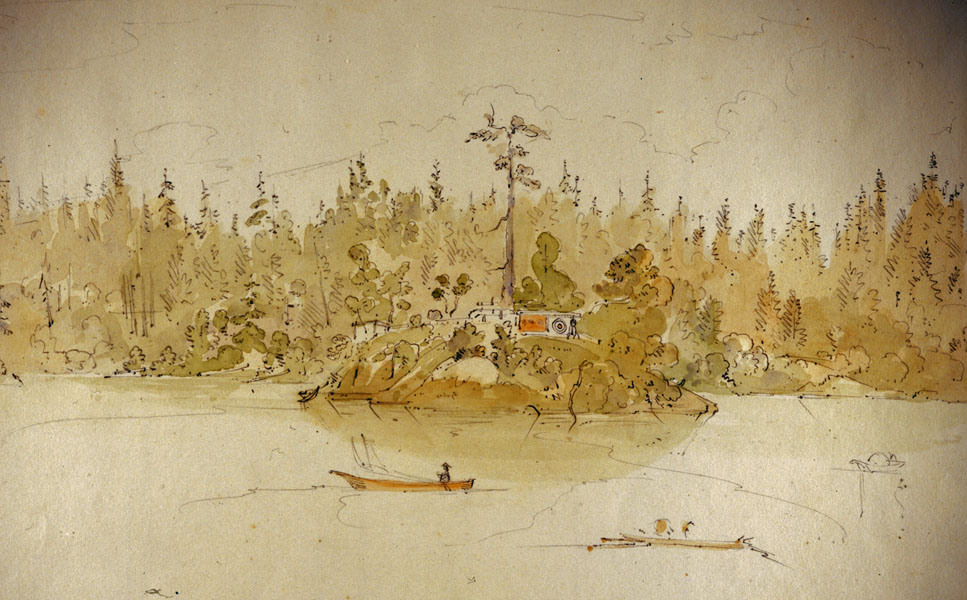
A lək̓ʷəŋən Burial Island

Halket or Deadman’s Island (Please respect this special location and view it only from a distance). On southern Vancouver Island it was common for, at least some, Indigenous families to place their dead, on small Islands. In historic, or post contact times, burials were placed on these islands in boxes, canoes or small shed-like structures. It is unknown how far back in time this practice extends. Underground burials were common before 1000 years ago. One of these burial Islands, known to be used in the 19th century, was Halket Island in the Selkirk Waters above Victoria’s upper harbour. It is located north of the Point Ellice Bridge (Bay Street), between the foot bridge (old CN Railway trestle Bridge) on the … Continue reading “A lək̓ʷəŋən Burial Island”

List and comments on Select Population References to the Lekungen (Songhees and Esquimalt Nations)

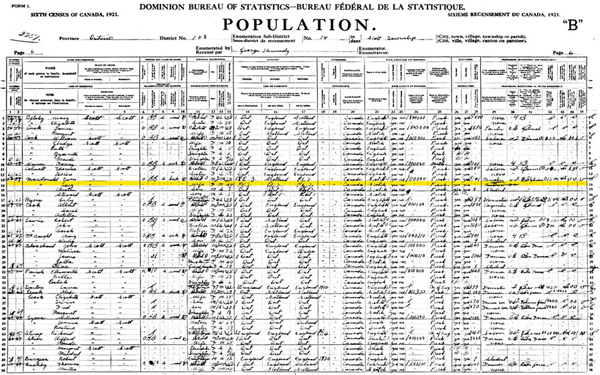
2005. By Grant Keddie (1) c. 1826-27 Census. Census of Indian Population compiled by Archibald McDonald, Fort Langley. In: Report to the Governor and Council, Feb. 25, 1830. H.B. Co. Archives, Provincial Archives of Manitoba, Winnipeg, D.4/123. Pub. 1979. In: The History of Fort Langley, 1827-96, by Mark K. Cullen, as Appendix A. Canadian Historic Sites: Occasional Papers in Archaeology and History, Paper No. 20, National Historic Parks and Sites, Ottawa. The list for “Vancouver’s Island” moves geographically from the “Nanemoos” (Nanaimo) with 100 men; the “Cowaitchins” (Cowichan) with 200 men; the Sanutch (Saanich) with 60 men; the Tchanmus (Songhees) with 40 men; to the “Soaks” (Sooke) with 50 men. There is no mention of Klallam on Vancouver Island. The … Continue reading “List and comments on Select Population References to the Lekungen (Songhees and Esquimalt Nations)”

The Dugout Freight Canoe in the Royal BC Museum Indigenous Collection

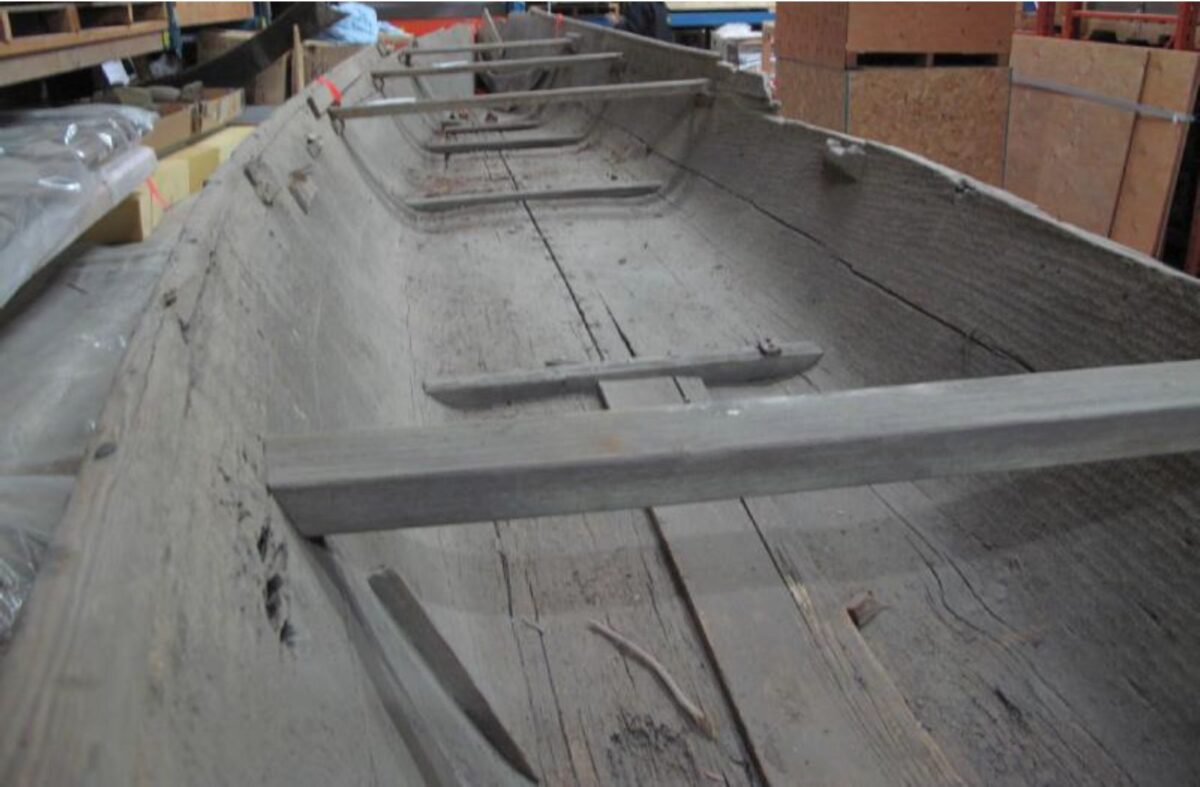
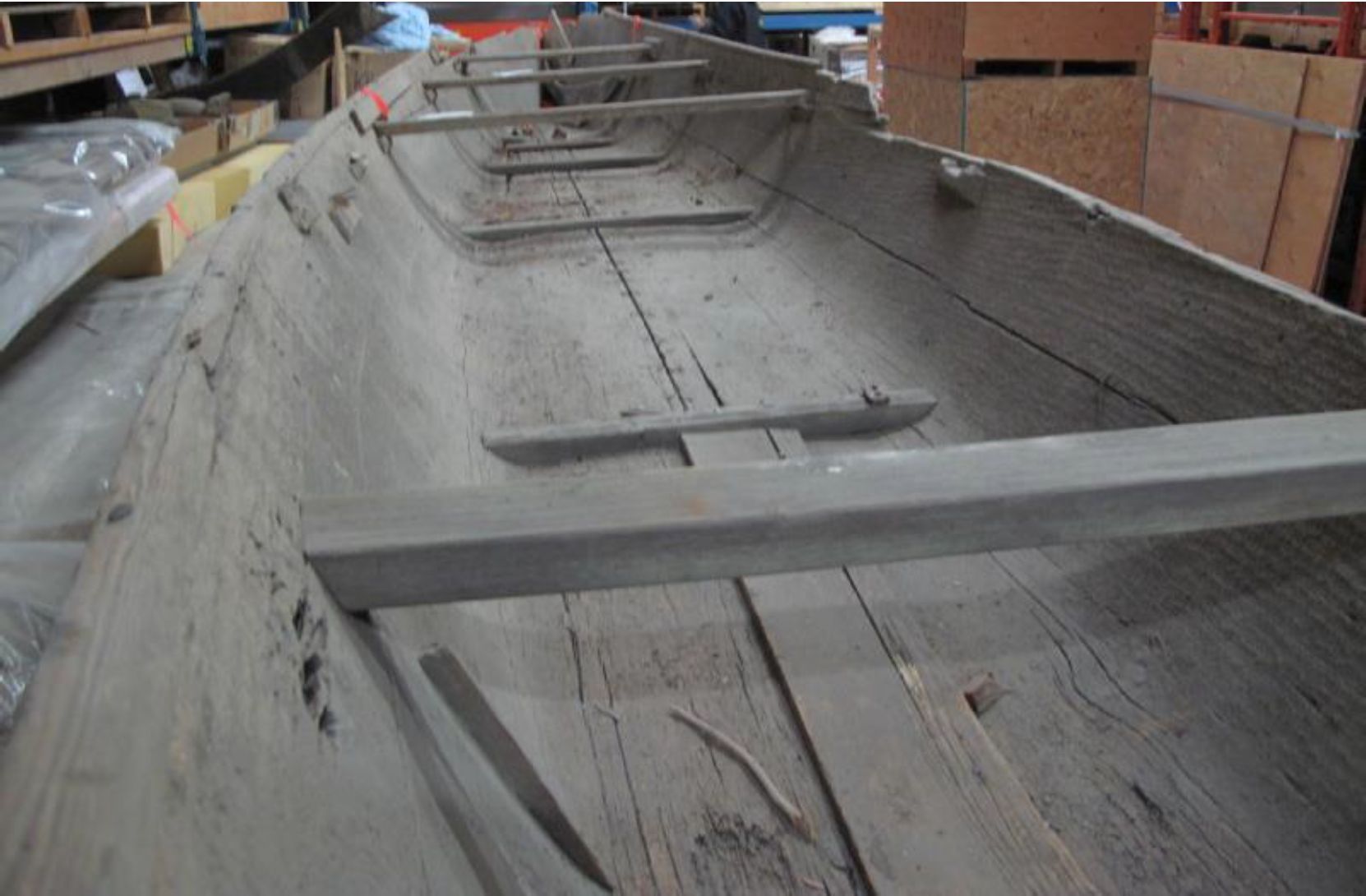
November 19, 2019 By Grant Keddie Have you ever picked up an old object and wondered what sentient beings had held it before? People like you – that are taking the journey from birth to death. Artifacts are not just things in themselves, they are part of the history of individuals and families. Here I provide what I could piece together of the history of a special large dugout freight canoe in the collection of the Royal BC Museum – artifact number 12048. The genealogy of people and families presented is only a partial one that could be expanded to hundreds of people. I present it to show only some of the family linkages to the canoe and its history … Continue reading “The Dugout Freight Canoe in the Royal BC Museum Indigenous Collection”

Spirited Divers and Spirited Diggers

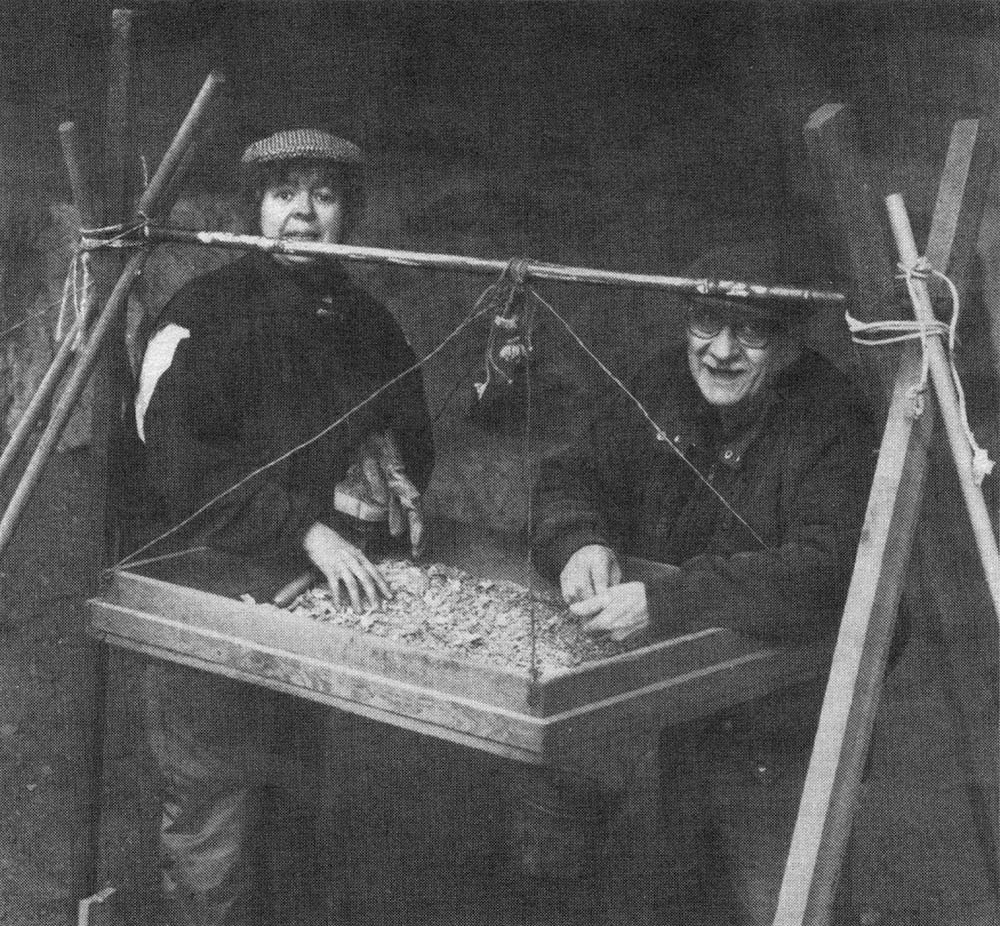
Originally Published in The Midden, 23(3), 6-7. June 1991. By Grant Keddie Introduction  THE PICTURESQUE Gorge narrows near Victoria is a place where native Songhees dove deep into the water to gain special spirit powers. Here, at the beginning of time, Halys the transformer-being turned a young girl named Camossung into stone. Her name survives today as Camosun College and Camosun Street. Just above the reversible falls caused by the shifting tides, members of the Victoria chapter of the Archaeological Society of B.C. dig into the oldest recorded shell midden on southern Vancouver Island. Two years ago, a small area of the South Gorge Bridge shell midden /DcRu 5) was exposed during construction of a walkway under­neath the Tillicum Road … Continue reading “Spirited Divers and Spirited Diggers”