Indigenous Canoe Racing on the Gorge Waterway

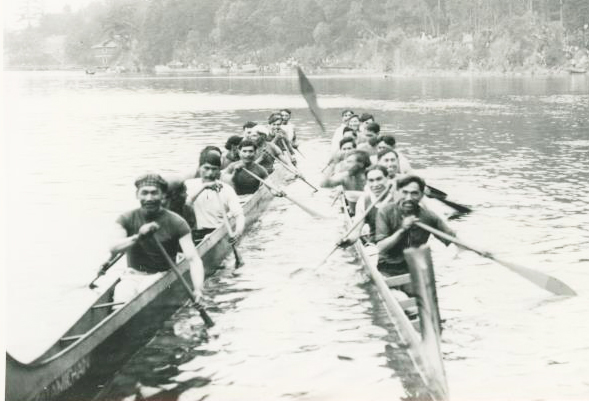
Preface Here I will provide a brief overview of historic mid 19th to mid 20th century Indigenous canoe races in the Gorge Waterway. I will also include an appendix with an Indigenous canoe related story, reported in 1936, to make it more accessible for students. Indigenous stories on the southern coast of British Columbia often included explanations of how physical objects such as nets and spears were first given to them and how people gained the knowledge about how to use them. One of those stories involved the discovery of adze blades and their use in canoe making and the supernatural prerogatives involved. It was recorded by Beryl Cryer (1889-1980), who acquired many Indigenous stories, many of which came from … Continue reading “Indigenous Canoe Racing on the Gorge Waterway”
Stone Human Seated Figurine Bowls

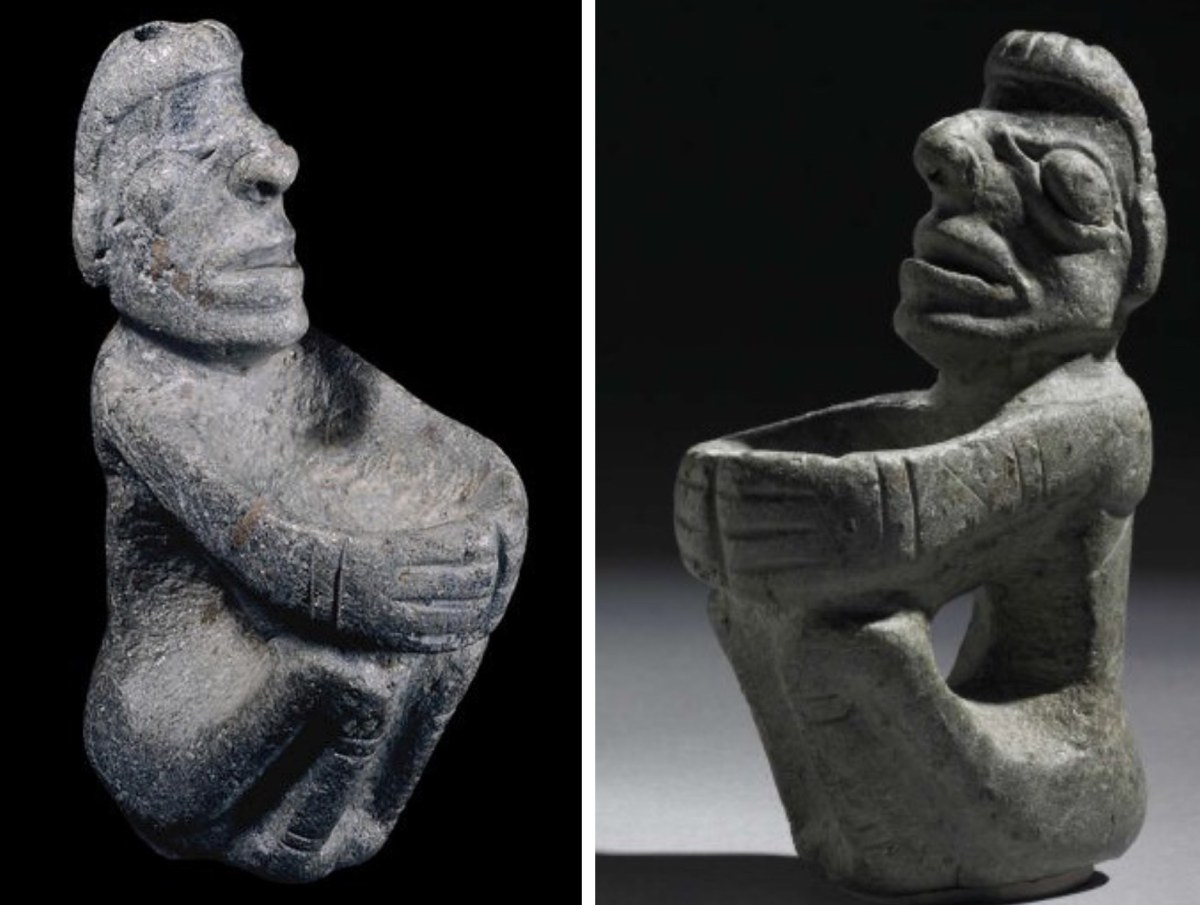
Part 3. Cowichan to Courtney Part three includes 12 bowls from locations between Cowichan and Courtney on Vancouver Island, with a few close Gulf Islands included. This is not a complete listing, as there are a number of seated human stone bowls or fragments from private collections that are not included here. Some individuals with private collections, for various reasons, do not want their names made public. I have only included previous owner names here. Many of the images I have copied over the last 50 years from various sources for different purposes. The current location of some and the names of photographers is not known. Porlier Pass Bowl This bowl (Figure 1 & 2), is now in a private … Continue reading “Stone Human Seated Figurine Bowls”

A Cordova Bay Inland Indigenous Resource Site

In Greater Victoria, inland Indigenous resource sites have been recorded in the past as a result of people finding artifacts while digging in their yards or construction projects turning them up accidently. They general do not have the easier to distinguish features of fire altered rocks and shell layers that are common in ocean shoreline sites. Archaeological testing was generally not done in the past where there was no previous record of a site being at a specific location. Many individual artifacts have been found along creeks and around swamps in greater Victoria. This archaeological site, DdRu-82, is an uncommon exception in having a large number of artifacts found in a relatively small area. This Indigenous resource location was on … Continue reading “A Cordova Bay Inland Indigenous Resource Site”

List and comments on Select Population References to the Lekungen (Songhees and Esquimalt Nations)

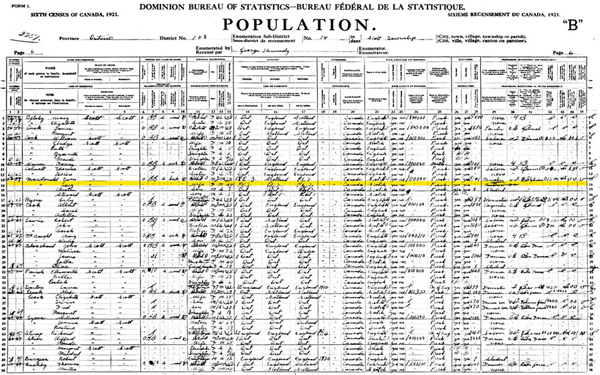
2005. By Grant Keddie (1) c. 1826-27 Census. Census of Indian Population compiled by Archibald McDonald, Fort Langley. In: Report to the Governor and Council, Feb. 25, 1830. H.B. Co. Archives, Provincial Archives of Manitoba, Winnipeg, D.4/123. Pub. 1979. In: The History of Fort Langley, 1827-96, by Mark K. Cullen, as Appendix A. Canadian Historic Sites: Occasional Papers in Archaeology and History, Paper No. 20, National Historic Parks and Sites, Ottawa. The list for “Vancouver’s Island” moves geographically from the “Nanemoos” (Nanaimo) with 100 men; the “Cowaitchins” (Cowichan) with 200 men; the Sanutch (Saanich) with 60 men; the Tchanmus (Songhees) with 40 men; to the “Soaks” (Sooke) with 50 men. There is no mention of Klallam on Vancouver Island. The … Continue reading “List and comments on Select Population References to the Lekungen (Songhees and Esquimalt Nations)”

David Latasse

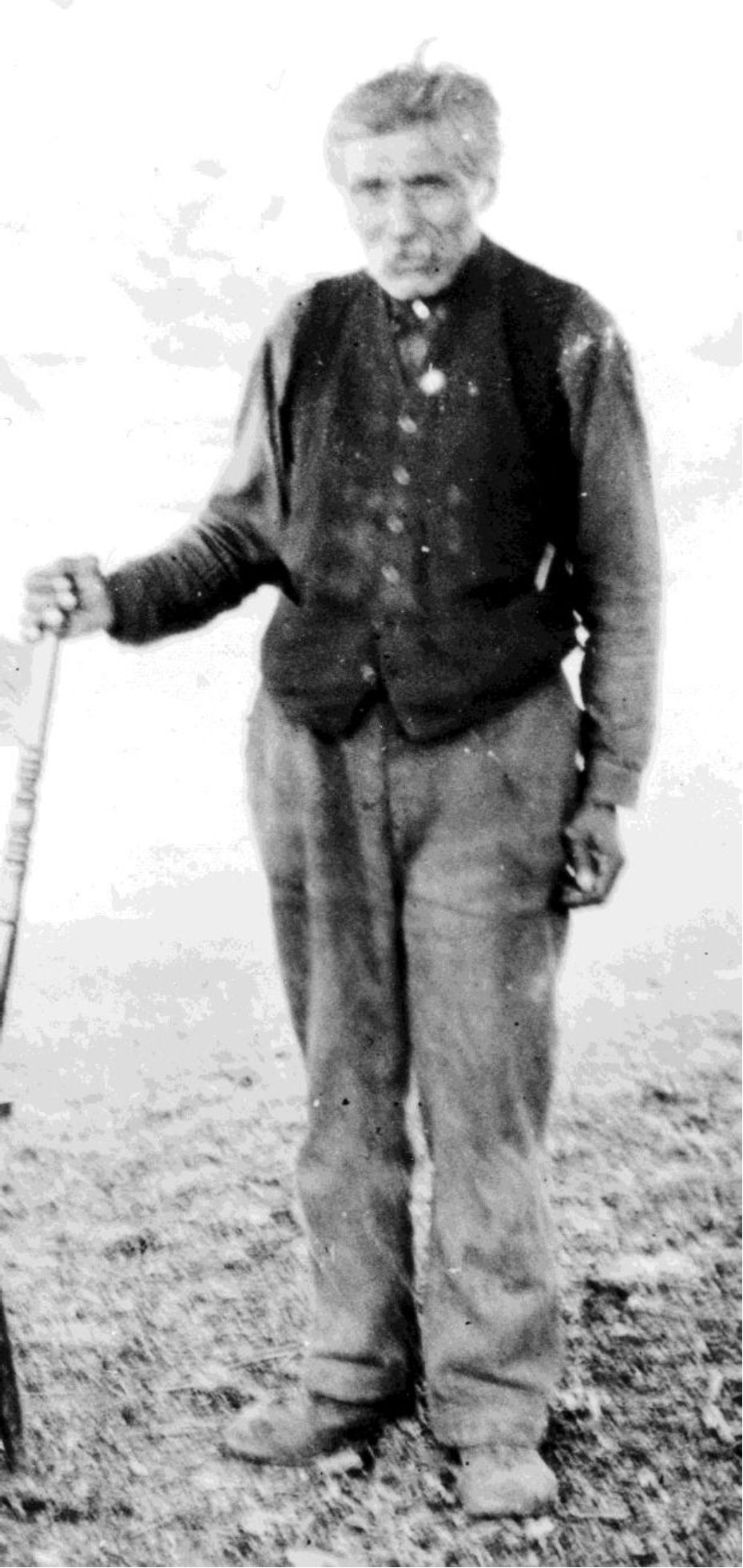
David Latasse. Of Saanich and Songhees Heritage Piecing together Outsiders Views 2016. By Grant Keddie David Latasse was a Tsartlip (W_JOLELP) First Nation. They are part of the Saanich (W_SANEC) peoples whose territory is centered on the Saanich Peninsula and southern Gulf Islands. Latasse gained notoriety from 1927-1936 as a speaker in his native language at ceremonies, the subject of an early movie maker and as a source of information via translators for newspaper reporters and at least one anthropologist. He was born about 1858-1863 and died May 2, 1936. For most of his life he lived near his mother’s relatives on the Tartlip Reserve located on the Saanich Peninsula north of Victoria. We are fortunate to have letter that was dictated by Latasse himself and addressed to the … Continue reading “David Latasse”