Fishing Power and Abrading Stones

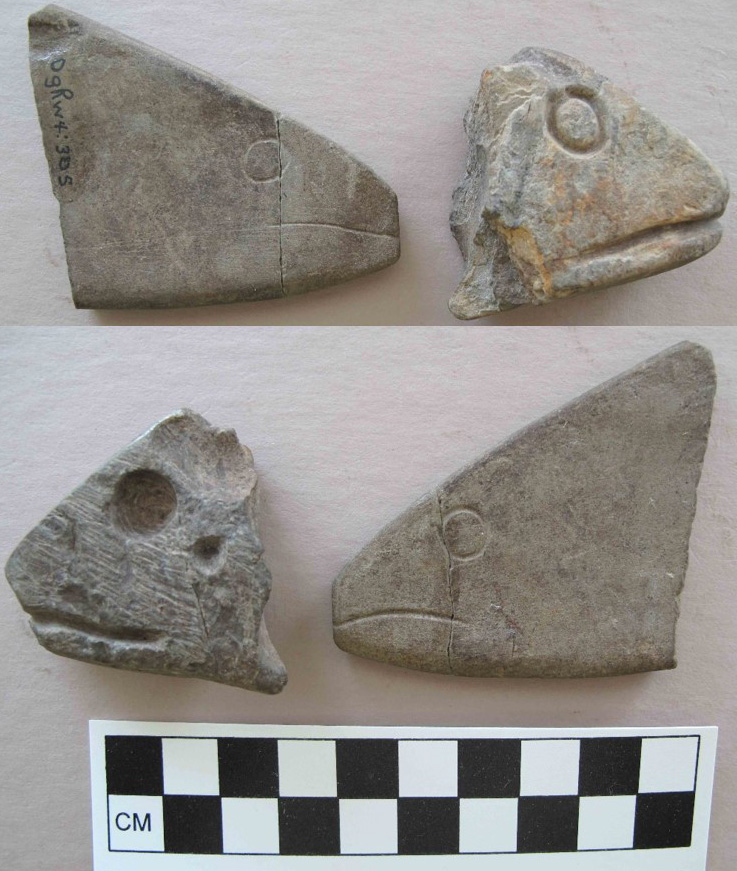
One of the most common artifacts found in archaeological site on the southern coast of British Columbia are abrading stones. These were used for grinding or abrading in the shaping or sharpening tools made of bone, shell and antler. They were used in shaping ornaments and grinding pigments. Abrading stones come in many shapes and sizes, were made of different raw materials, and like modern sandpaper, they came in many grain sizes. By far, most are made of sandstone and are plain slabs of rectangular, square or irregular shapes. A small number are especially shaped in the form of animals, usually whales or fish. It is these I am interested in here. Figure 1, shows two sides of a sandstone … Continue reading “Fishing Power and Abrading Stones”
Stone Human Seated Figurine Bowls

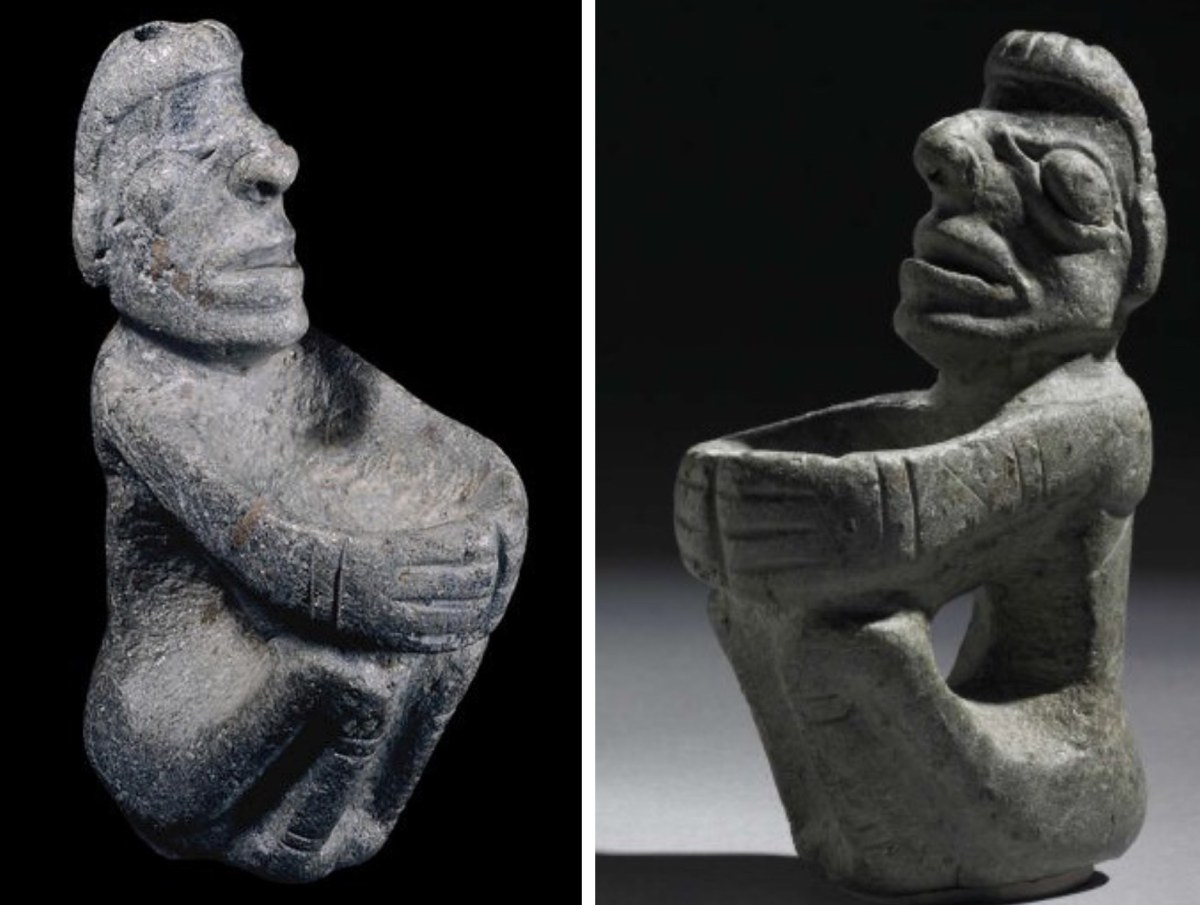
Part 3. Cowichan to Courtney Part three includes 12 bowls from locations between Cowichan and Courtney on Vancouver Island, with a few close Gulf Islands included. This is not a complete listing, as there are a number of seated human stone bowls or fragments from private collections that are not included here. Some individuals with private collections, for various reasons, do not want their names made public. I have only included previous owner names here. Many of the images I have copied over the last 50 years from various sources for different purposes. The current location of some and the names of photographers is not known. Porlier Pass Bowl This bowl (Figure 1 & 2), is now in a private … Continue reading “Stone Human Seated Figurine Bowls”

Fish Hook Shanks

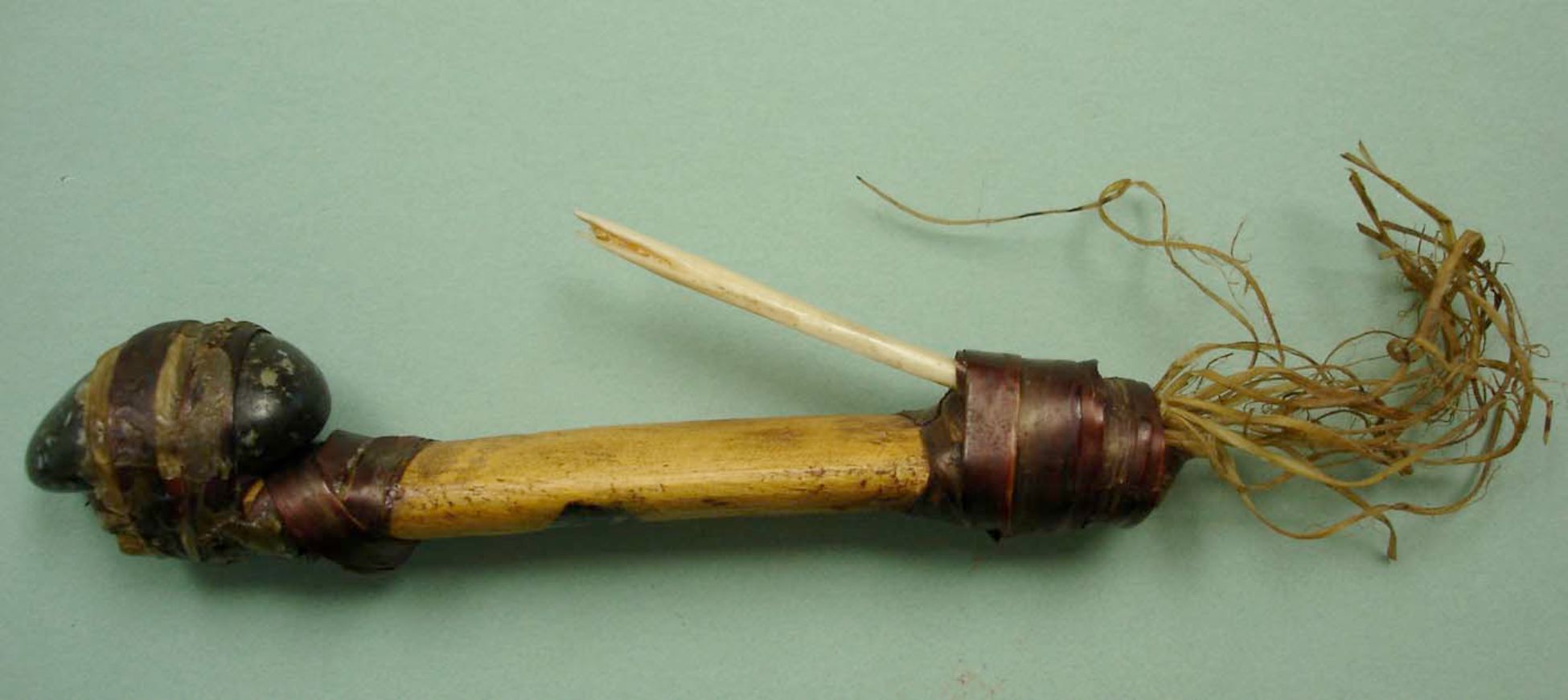
2013? By Grant Keddie Fish Hook shanks made of stone, bone, antler and shell are parts of composite fish hooks that are armed with a sharp bone point. These artifacts are often seen as typical “West Coast” of Vancouver Island artifacts. In fact, their distribution extends around the southern end of Vancouver Island, and to a lesser extent, north up the east coast of the Island. The RBCM ethnology collection has only one example of a trolling hook from the Victoria area. This specimen (number 728), however, was not one actually used. It was a model made in 1898, and purchased by Charles Newcombe. The hook was said to represent the kind of trolling hooks that local First Nation used … Continue reading “Fish Hook Shanks”