The Archaeology of the Gorge Waterway of Greater Victoria

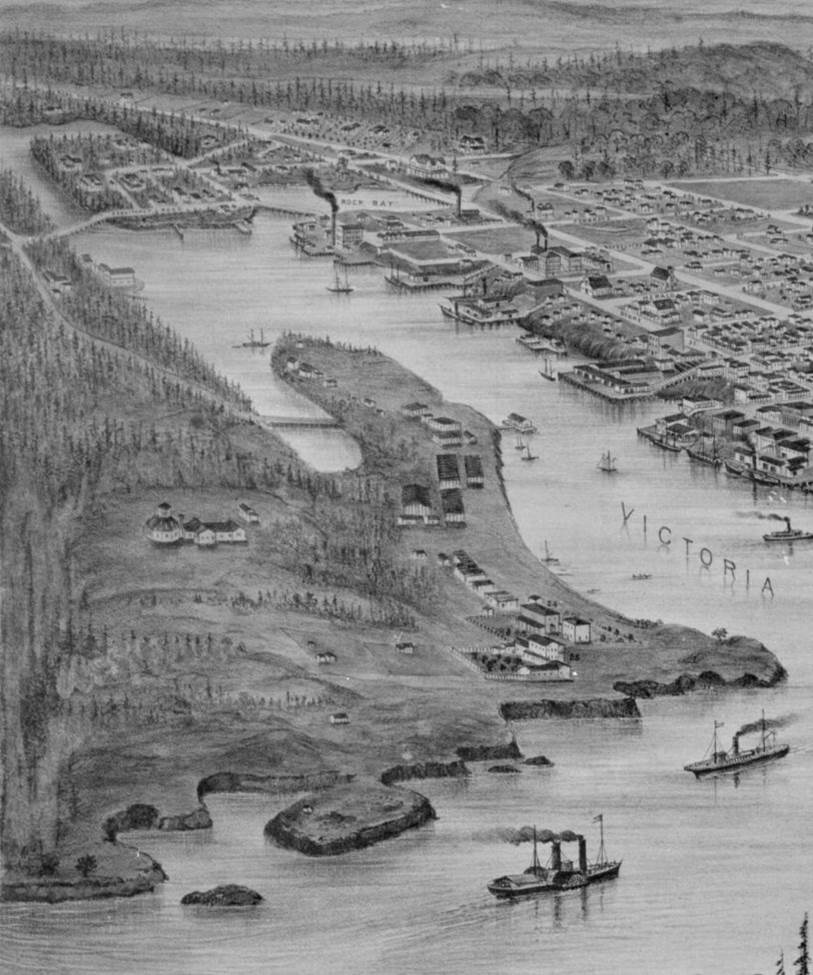
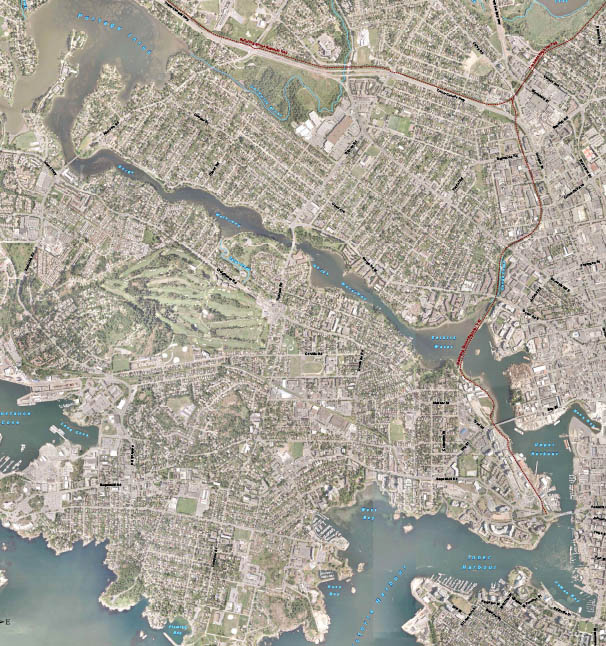
Part 1. The changing Landscape and Victoria Harbour to Selkirk Waters. The Changing Landscape Twenty-one thousand years ago the Gorge Waterway, Victoria Harbour and all the beaches around Victoria were all deep underwater. This was caused by the glaciers pushing the land down as they approached the Victoria Region (Miskelly 2012; Clague 1983). The land rebounded to 14 meters above the present sea level by Thirteen thousand years ago (Keddie 2019). By 11.200 years ago the land continued to rebounded and the Gorge appeared for a short period of around 1,000 to 2000 years as an ocean inlet. As the land continued to rebound, the upper Gorge became dry land by 9200 years ago. The Gorge and Victoria Harbour became … Continue reading “The Archaeology of the Gorge Waterway of Greater Victoria”
The Capital Iron Site, DcRu-116. Victoria Harbour.

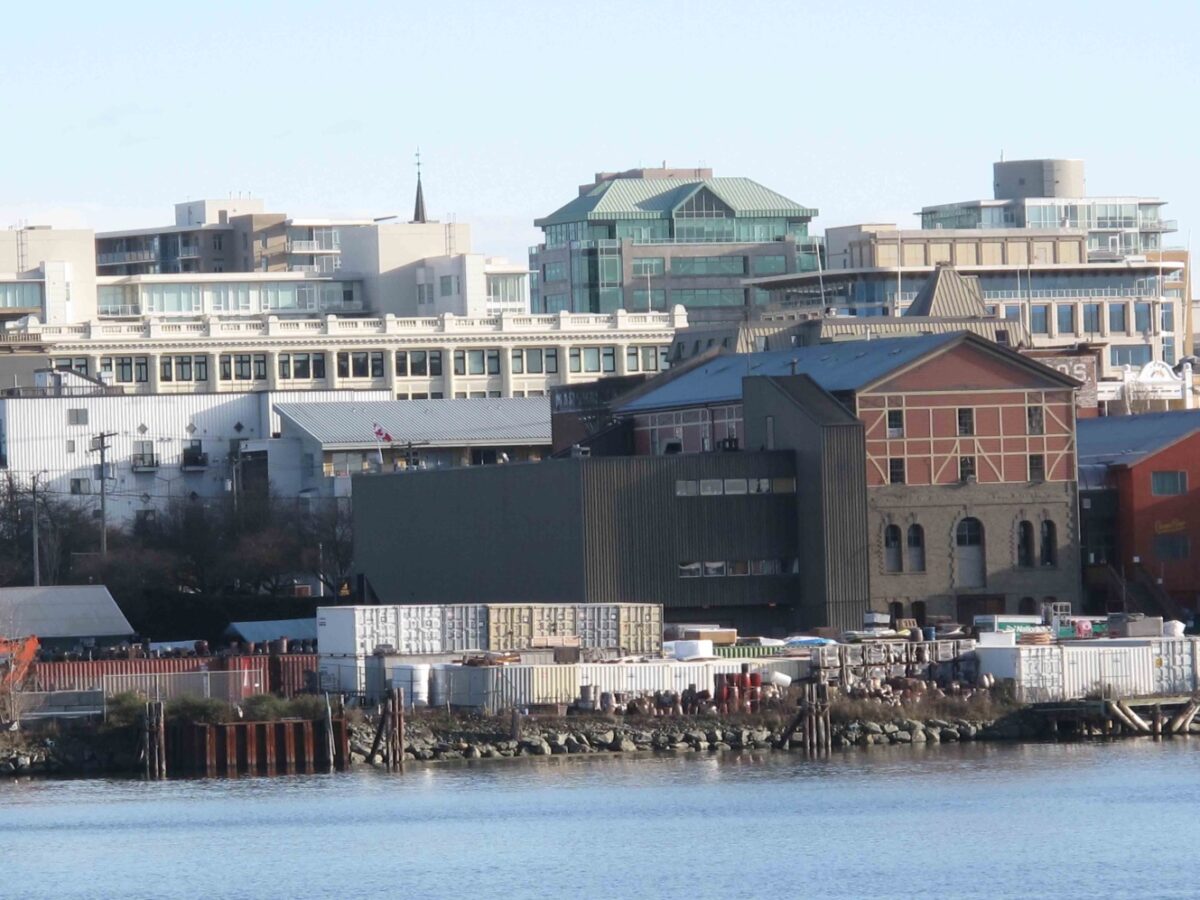
January 25, 2018. By Grant Keddie. The remains of an ancient village, in the form of a shell midden, are located around the intersection of Store and Chatham Street off Victoria’s upper harbour. The site, listed as DcRu-116,   was on a rocky bluff on the east side of the Harbour between the Johnson Street and Point Ellis (Bay Street) Bridges. This specific location on a rocky bluff with a good view up the Harbour would suggest the site was chosen for defensive purposes. Archaeological Excavations In 1976, buried shell midden was discovered during the removal of massive amounts of overburden for building a new facility next to the Capital Iron building at 1900 Store Street. On an emergency basis, volunteers … Continue reading “The Capital Iron Site, DcRu-116. Victoria Harbour.”

The Lime Bay Indigenous Defensive Site

By Grant Keddie. May 26, 2023. This Archaeological site, DcRu-123, is located in the outer portions of Victoria’s Inner Harbour in the traditional territory of the Lək̓ʷəŋən people. It is located on Lime Point – a peninsula that once existed between Lime Bay and Mud Bay to the East of Catherine Street. Part of Lime Bay still exists, but Mud Bay is completely filled in and covered with condominiums. The site was, at least intermittently, occupied from twelve to five hundred years ago (Keddie 1983). This whole area of eastern Victoria West to the east of Alston Street was an historic Indigenous village and then Reserve of the Songhees from 1844 until they moved to a larger reserve off Esquimalt … Continue reading “The Lime Bay Indigenous Defensive Site”

A First Nations Shell Midden on Raymur Point, Victoria Harbour

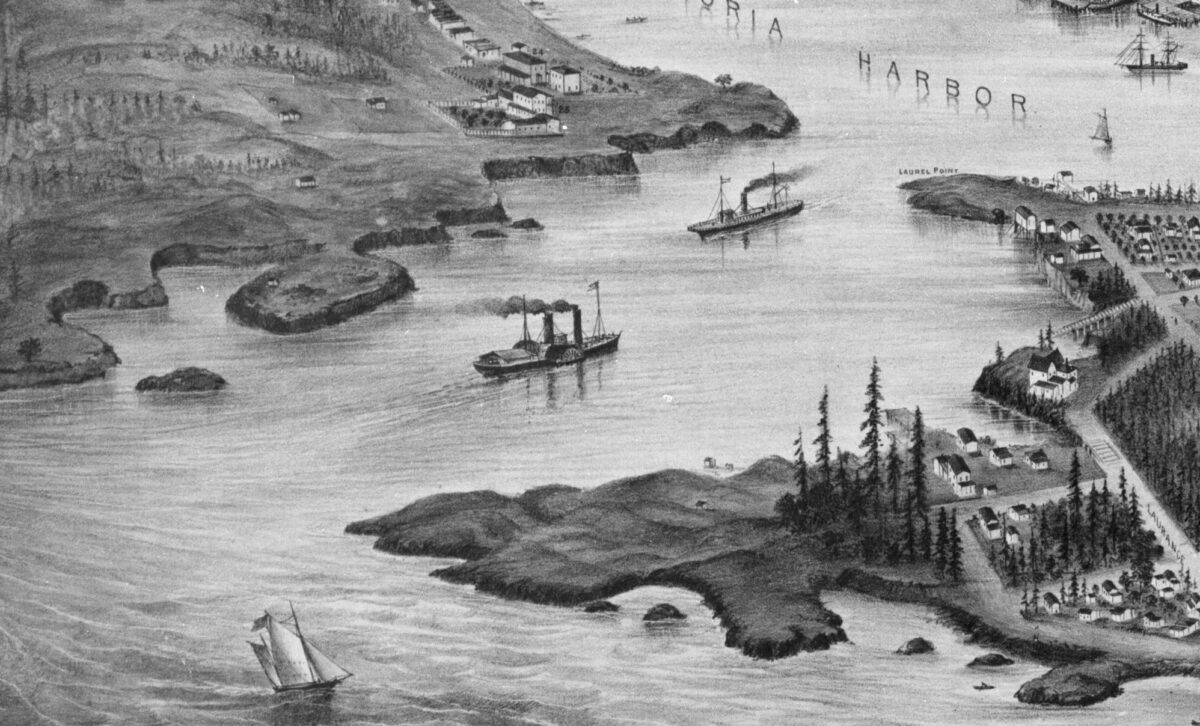
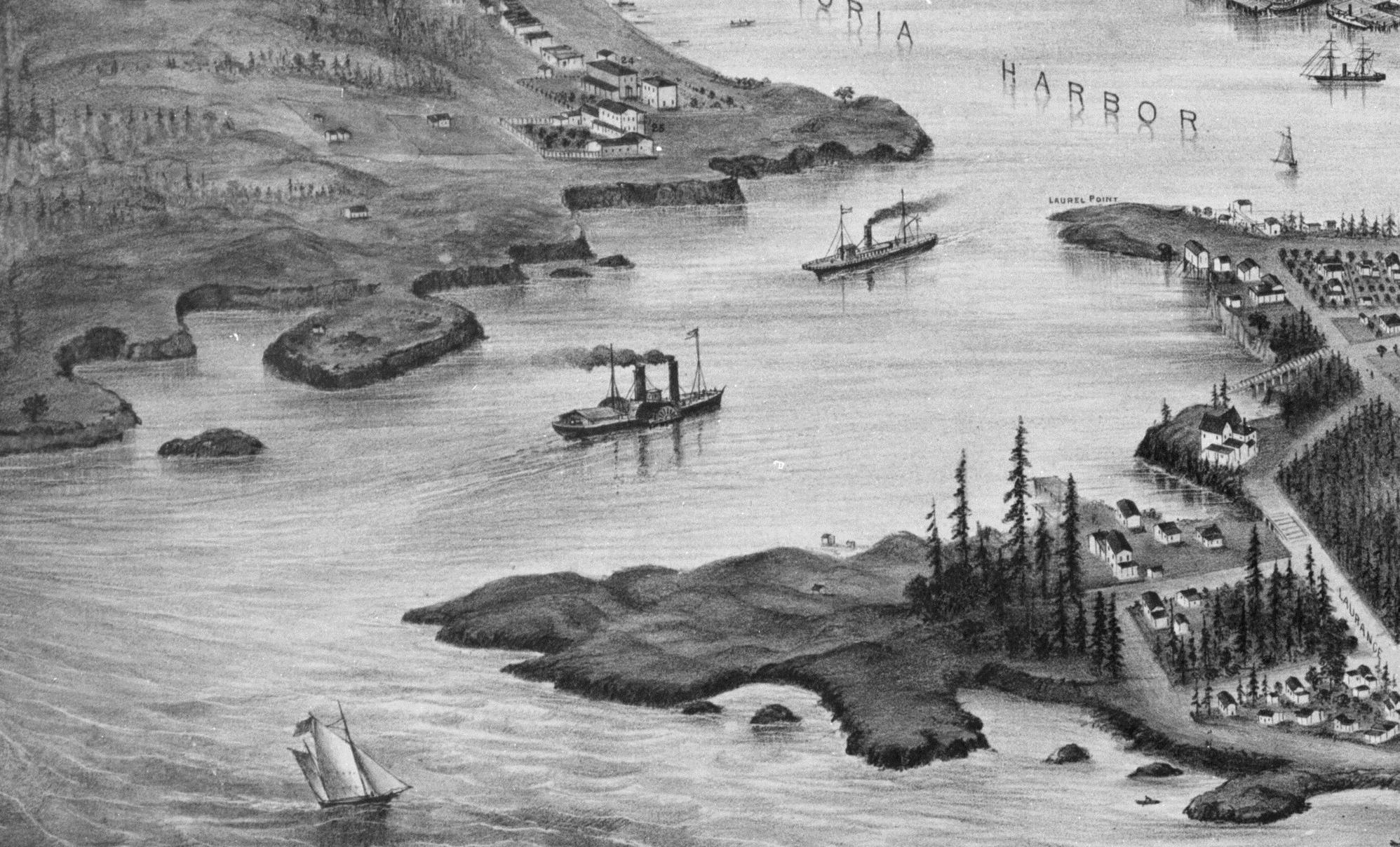
September 11, 2017. By Grant Keddie There is an ancient archaeological shell midden – the refuse from what was once, at least, a seasonal camp on Raymur Point at the intersection of St. Laurence Street and Kingston Avenue. Raymur Point is a raised bedrock peninsula on the south side of Victoria’s inner harbour located to the west of Laurel Point and at the east end of Fisherman’s Wharf. The site was not occupied by First Nations in historic times and appears to have had a limited occupation in the distant past. The midden location, known as Archaeological site DcRu-33, includes the extreme northern extension of the point and the shoreline along the wider section of the point extending along the … Continue reading “A First Nations Shell Midden on Raymur Point, Victoria Harbour”

Victoria’s Chinese Immigrant Fishermen

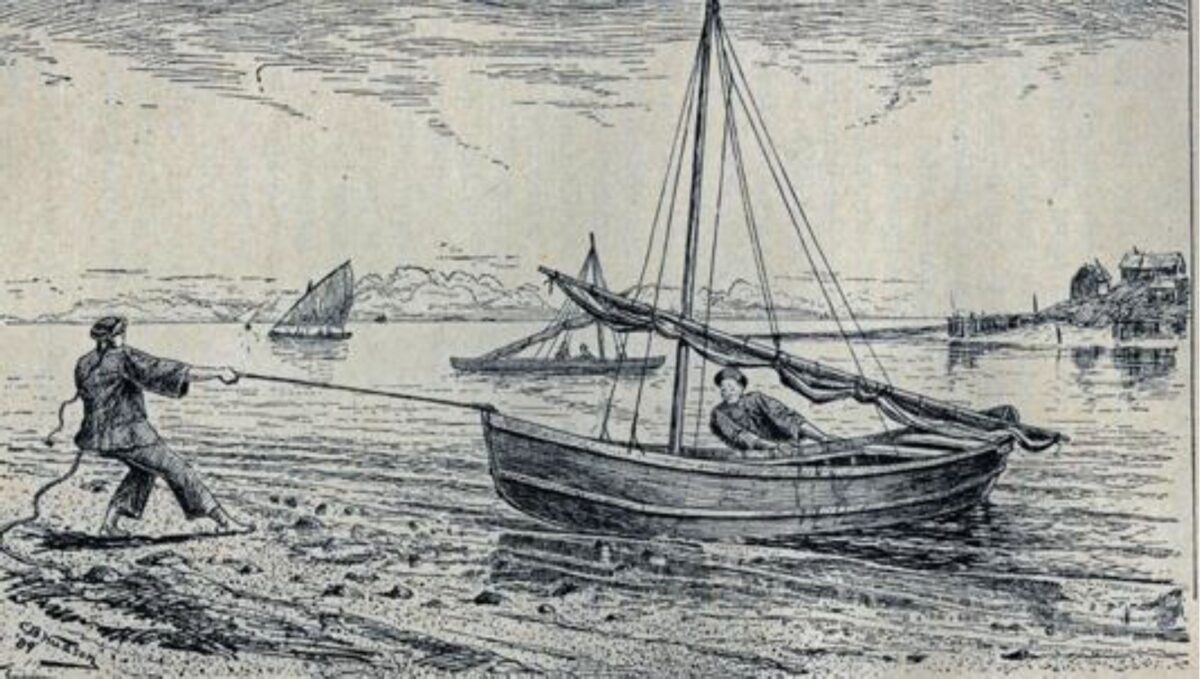
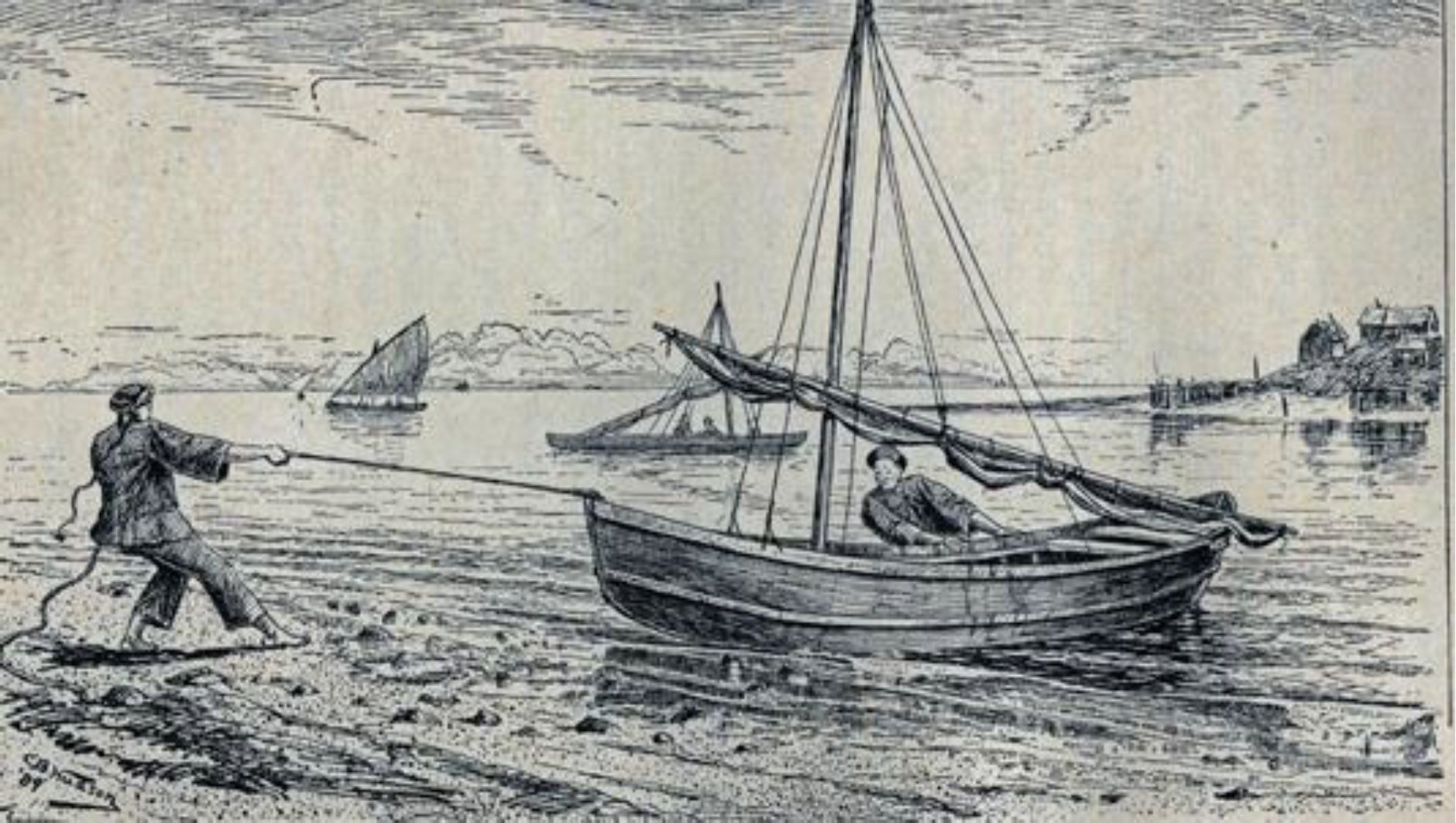
By Grant Keddie. August 2013. Introduction A little known history of 19th century British Columbia was the creation of an early commercial fishing industry by Chinese immigrant fishermen. In 1861, Chinese fishermen began using fine meshed nets to catch large quantities of herring, flounder, anchovy and trout in Victoria’s inner waterway. These fish were salted and dried for shipment to Barkerville and other mining areas of the Interior, where they retailed at 40 to 50 cents per pound. The salting and drying took place in Victoria’s upper harbour at the north end of Store Street on the banks of Rock Bay. On April 11, of 1861 the Colonist newspaper reports: “These fish are esteemed a great luxury by the Chinese … Continue reading “Victoria’s Chinese Immigrant Fishermen”