W̱SÁNEĆ (Saanich) Fishing Camps on the Goldstream River Delta

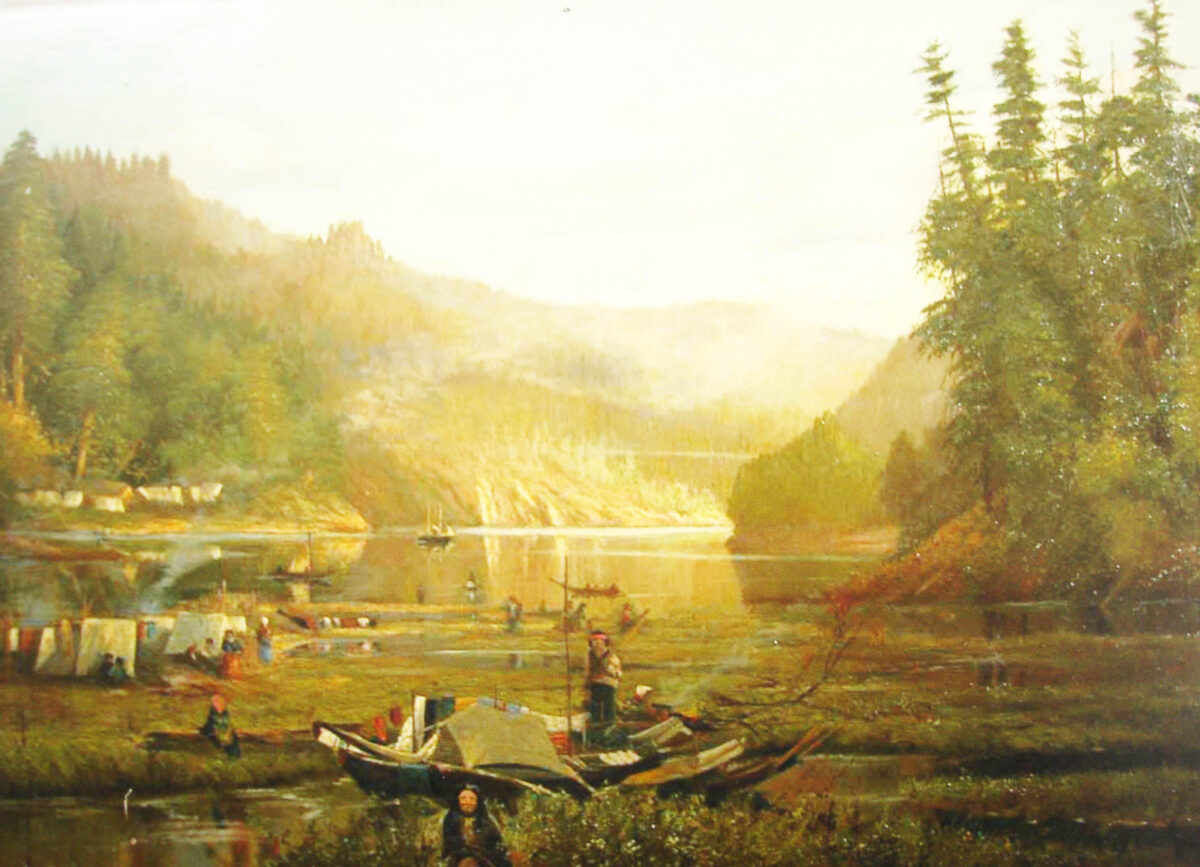
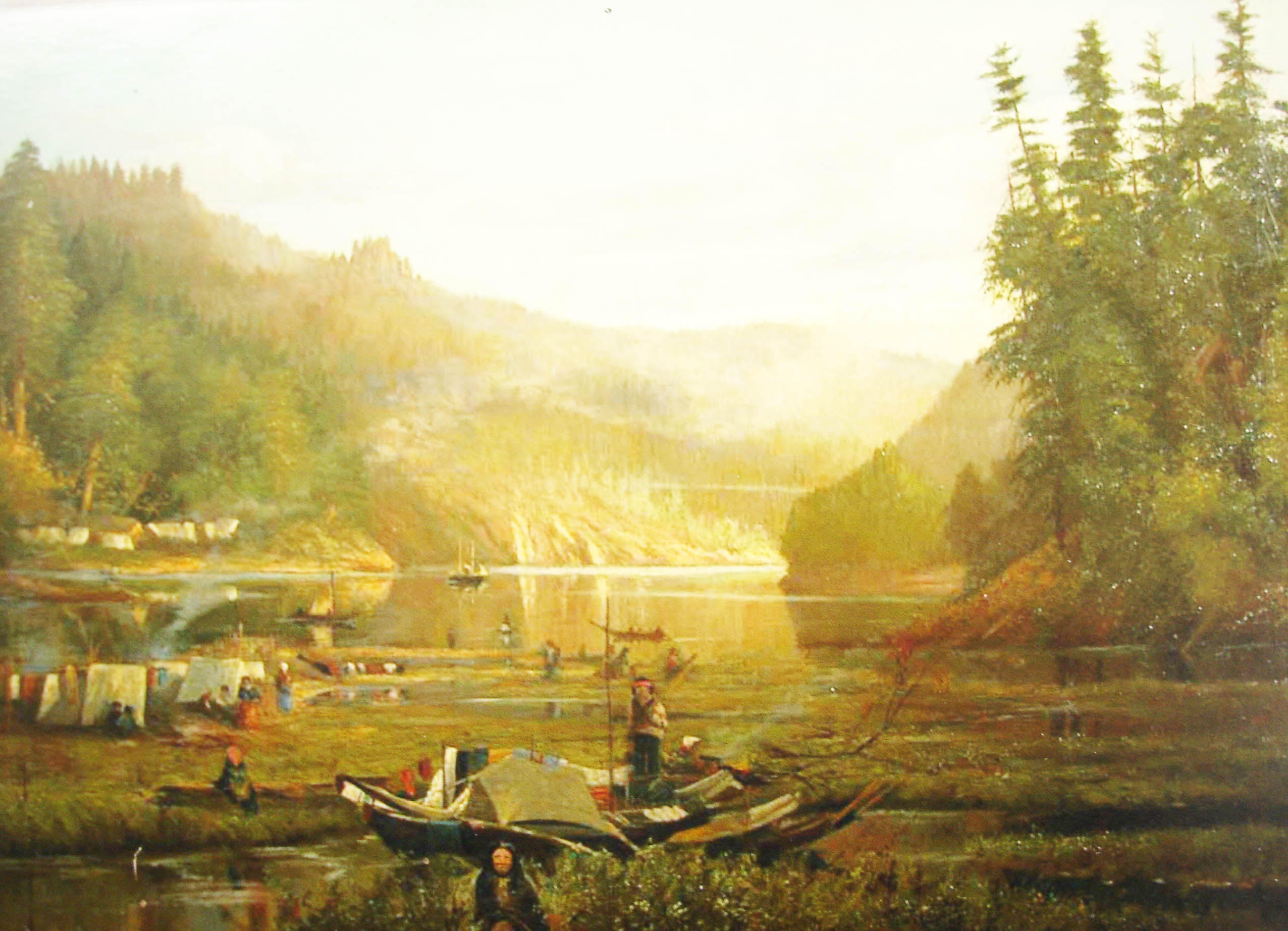
Introduction A period of Destruction and Realignment The W̱SÁNEĆ, Tommy Paul, referred to an epidemic that devastated his people six generation before him: “That terrible sickness. It is true. It belongs to the story of my Chilangwin” (Lugrin 1931). Elders told the story of “Kwalarhunzit” who began his training as a warrior at 13 years of age after “a terrible epidemic of smallpox had just decimated the Saanich Indians and crippled their resistance to the raids of their enemies. …His first fight was against some southern natives who were visiting relatives at the big settlement near Sidney”. At this time there was a village of people on Mayne Island who invited Kwalarhunzit to a deer hunt but ended up fighting … Continue reading “W̱SÁNEĆ (Saanich) Fishing Camps on the Goldstream River Delta”
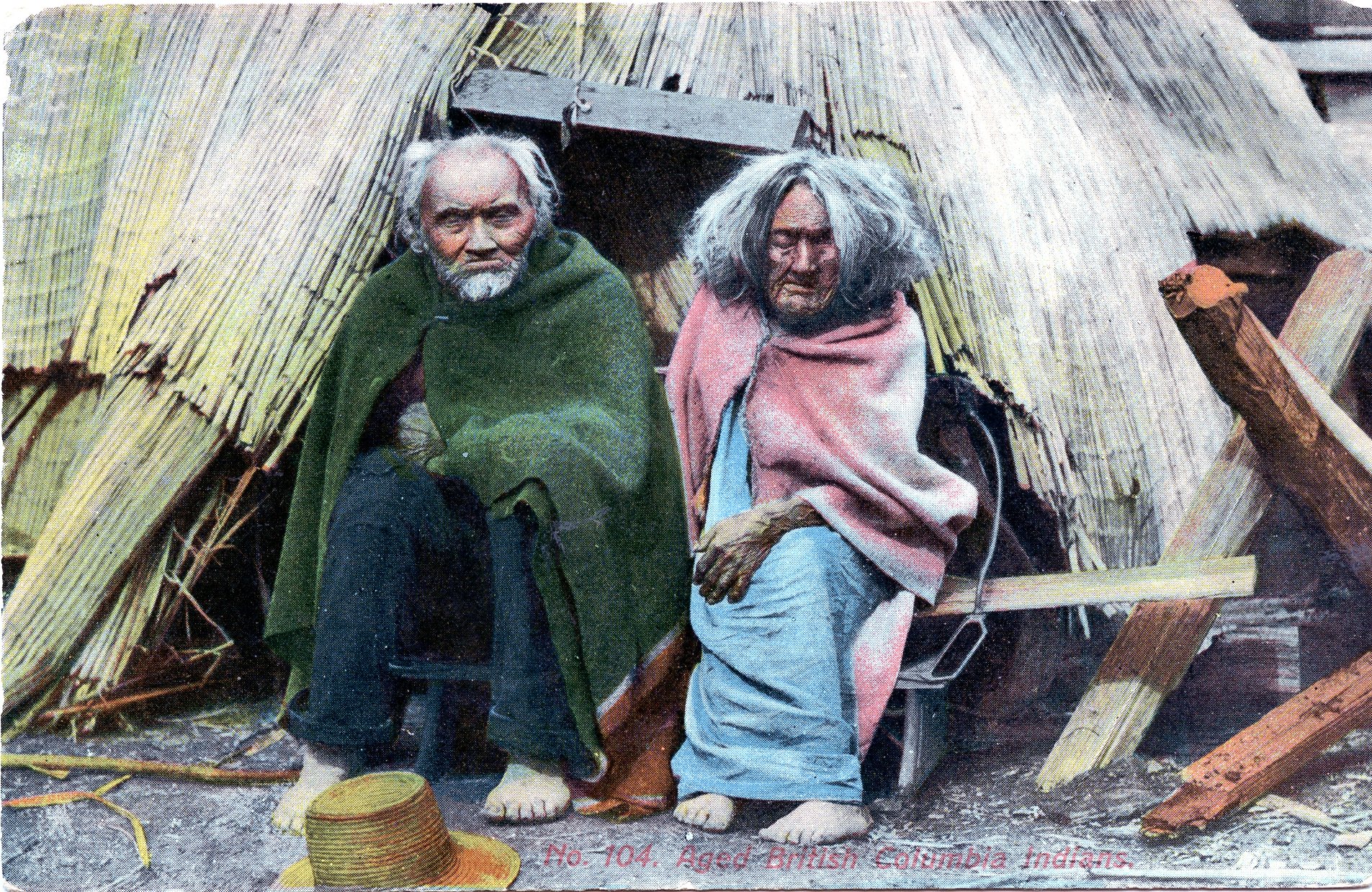
Photographs of an Elderly Indigenous Couple

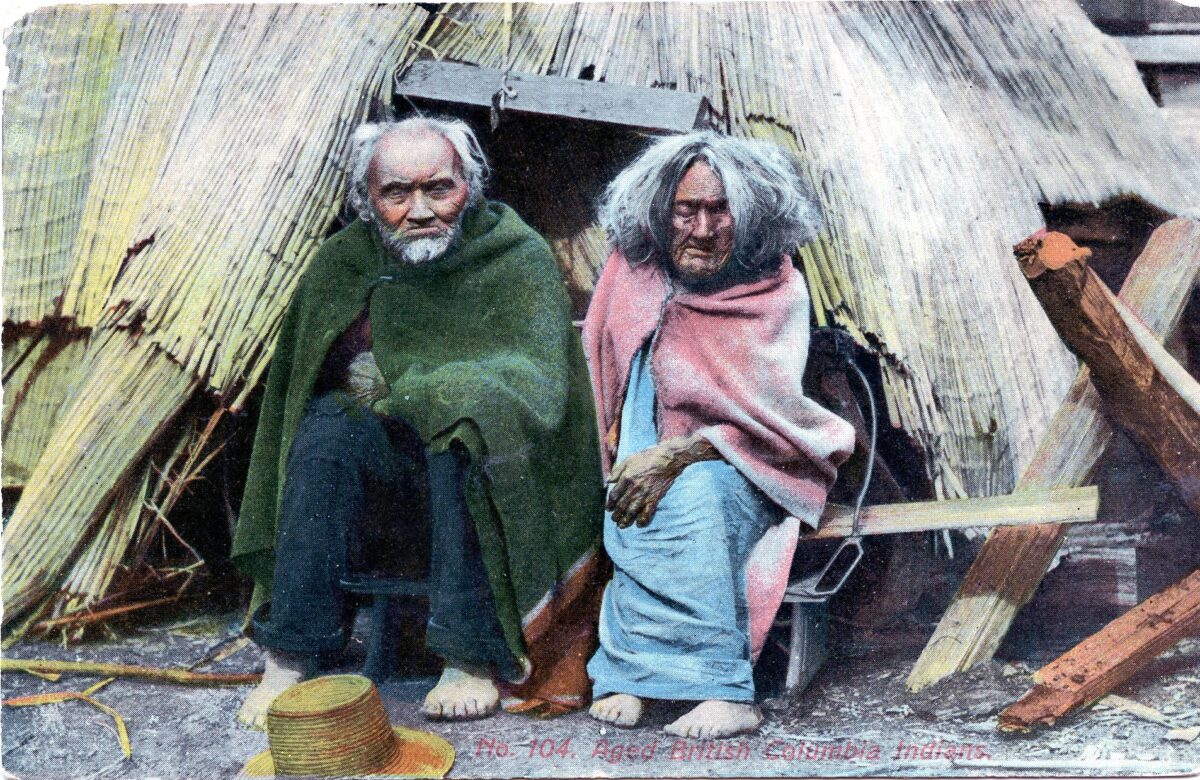
Introduction Interpreting older Indigenous photographs can be a confusing problem for those not familiar with the history of photographers and the history of the collections in which they eventually end up. The same photographs are often given different information in different archives and in different publications. In the early 20th century, a common stereotype of older Indigenous people was for journalists to exaggerate their age. They were sometimes wrapped in blankets when photographed to cover-up the European style clothes they are wearing. They are often mistakenly presented in photographs as being over 100 years of age. I have the advantage over journalists of the past, in having easier access to examine baptism, birth, marriage and death records from church and … Continue reading “Photographs of an Elderly Indigenous Couple”

Fishing Power and Abrading Stones

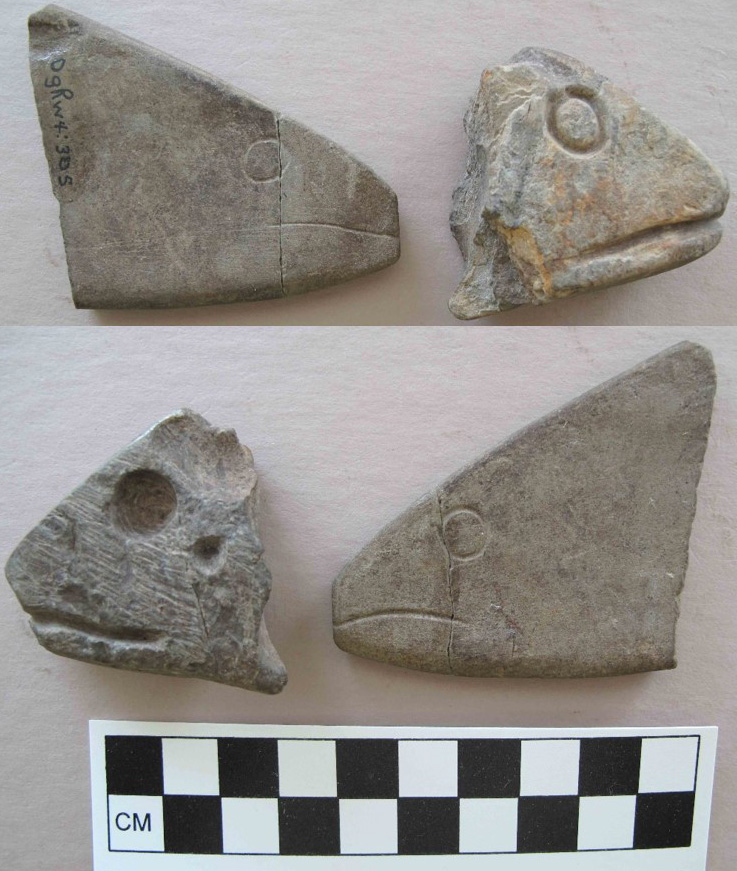
One of the most common artifacts found in archaeological site on the southern coast of British Columbia are abrading stones. These were used for grinding or abrading in the shaping or sharpening tools made of bone, shell and antler. They were used in shaping ornaments and grinding pigments. Abrading stones come in many shapes and sizes, were made of different raw materials, and like modern sandpaper, they came in many grain sizes. By far, most are made of sandstone and are plain slabs of rectangular, square or irregular shapes. A small number are especially shaped in the form of animals, usually whales or fish. It is these I am interested in here. Figure 1, shows two sides of a sandstone … Continue reading “Fishing Power and Abrading Stones”

A Lekwungen Herring Fishing site in Esquimalt Harbour: A Unique photograph in the Collection of the Royal B.C. Museum

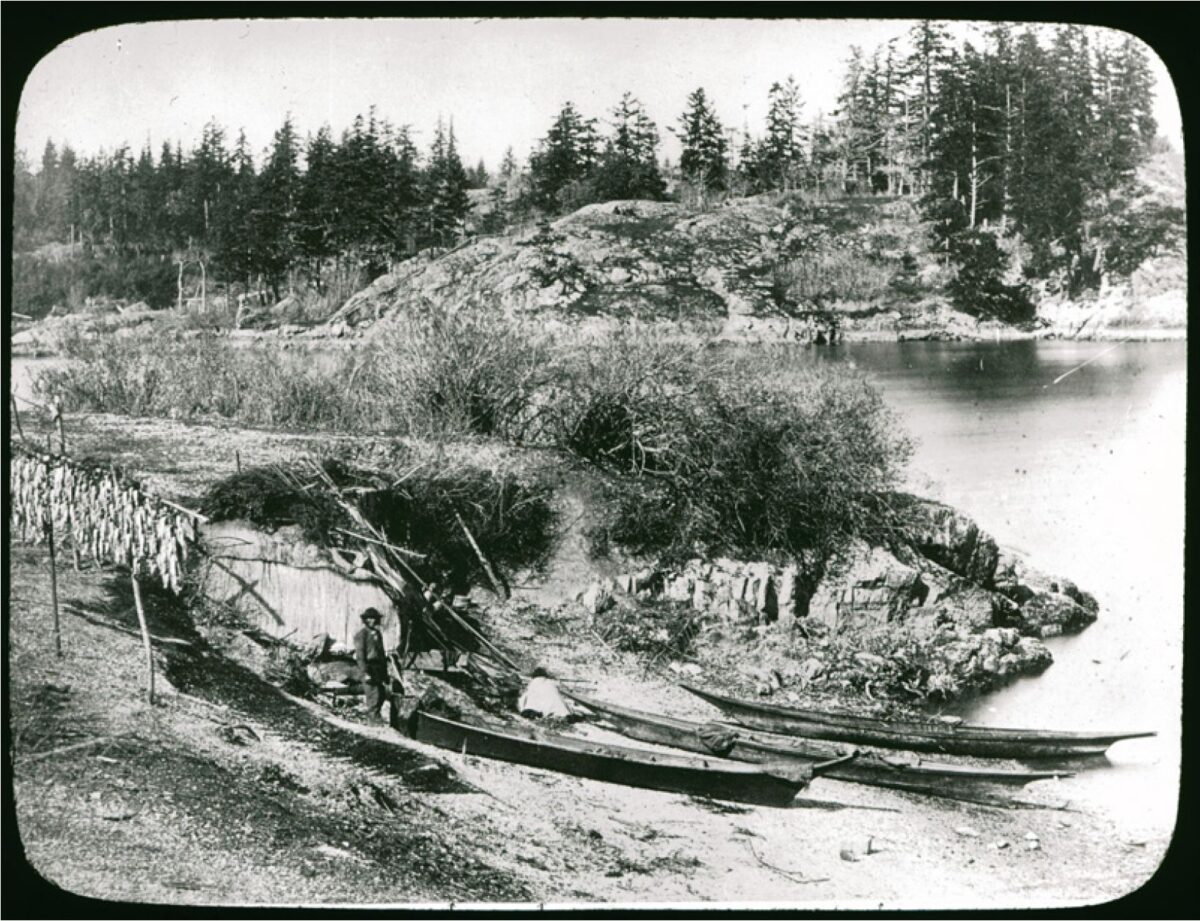
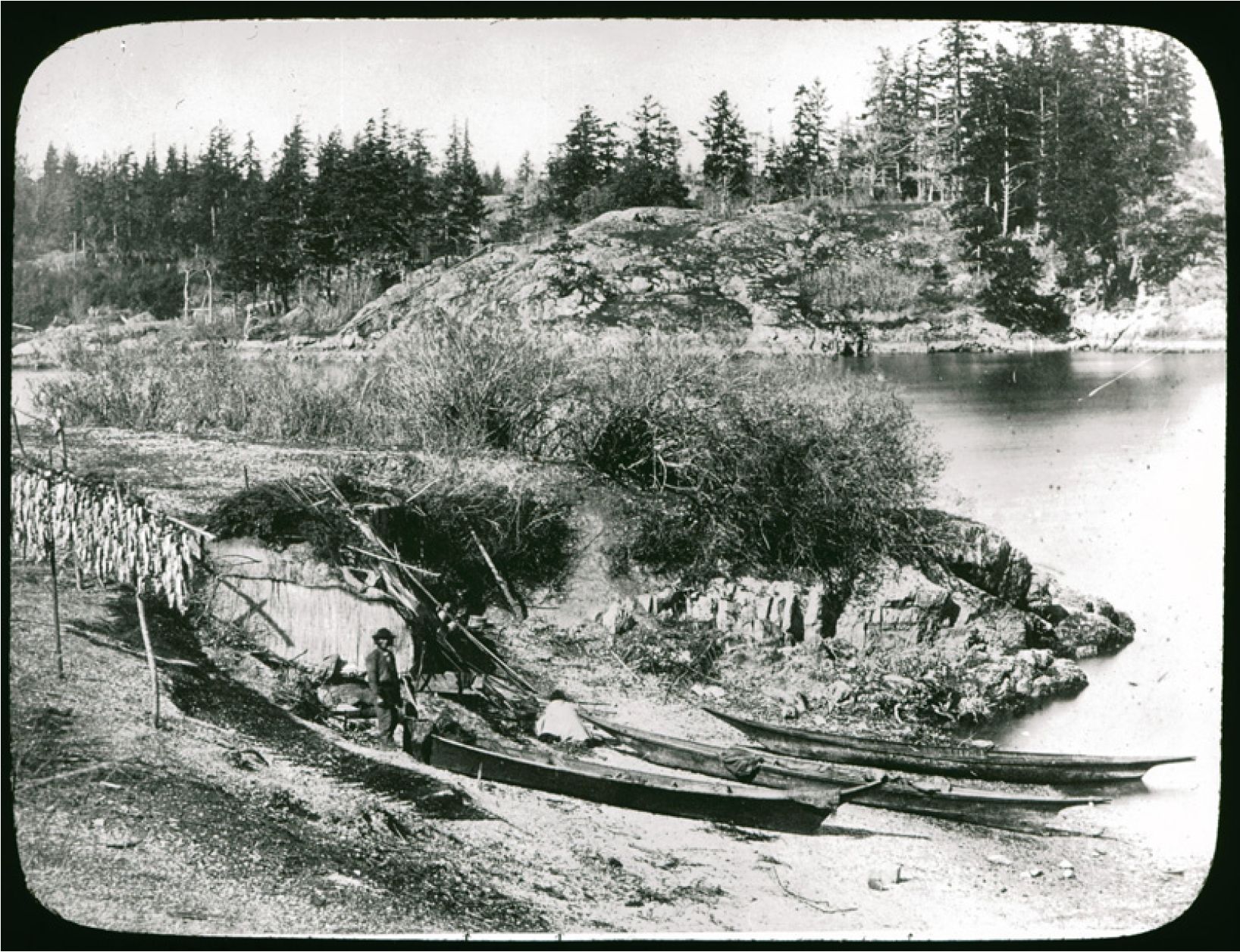
By Grant Keddie. Nov 2016. 19th century photographic images in the Victoria region that show Lekwungen (Esquimalt and Songhees First Nations) undertaking traditional food gathering practices are rare. The only example of fishing is a photograph, taken in 1868, by Frederick Dally in Esquimalt harbour at the south entrance to Lang Cove (RBCM PN905). Lang Cove is located south of Skinner’s Cove, both of which are within the larger Constance Cove. This is the location of an ancient shellmidden as demonstrated by the scattered white clam shells seen in the image and later observed by the author at this location. This image (fig. 1 and close-up fig.2) of a man and woman at a herring fishing site is listed in … Continue reading “A Lekwungen Herring Fishing site in Esquimalt Harbour: A Unique photograph in the Collection of the Royal B.C. Museum”

Victoria’s Chinese Immigrant Fishermen

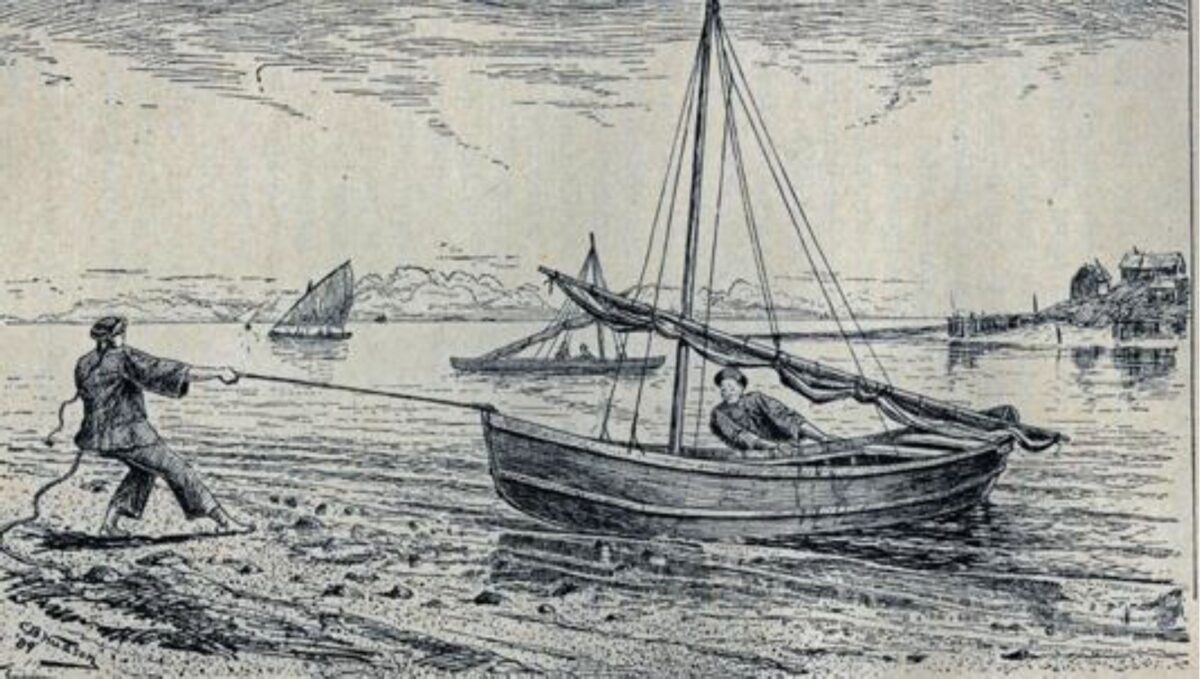
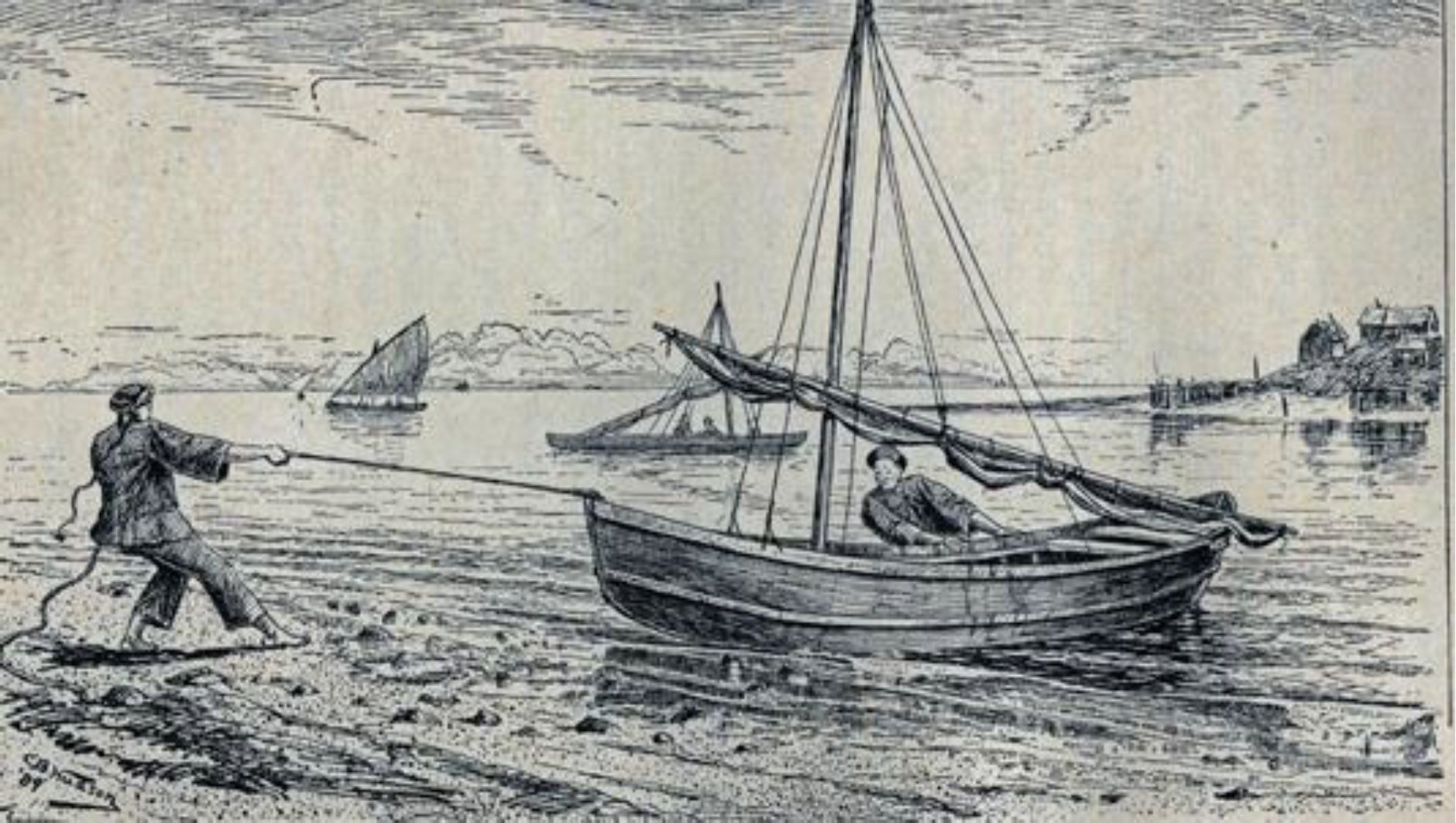
By Grant Keddie. August 2013. Introduction A little known history of 19th century British Columbia was the creation of an early commercial fishing industry by Chinese immigrant fishermen. In 1861, Chinese fishermen began using fine meshed nets to catch large quantities of herring, flounder, anchovy and trout in Victoria’s inner waterway. These fish were salted and dried for shipment to Barkerville and other mining areas of the Interior, where they retailed at 40 to 50 cents per pound. The salting and drying took place in Victoria’s upper harbour at the north end of Store Street on the banks of Rock Bay. On April 11, of 1861 the Colonist newspaper reports: “These fish are esteemed a great luxury by the Chinese … Continue reading “Victoria’s Chinese Immigrant Fishermen”