Indigenous Combs of British Columbia

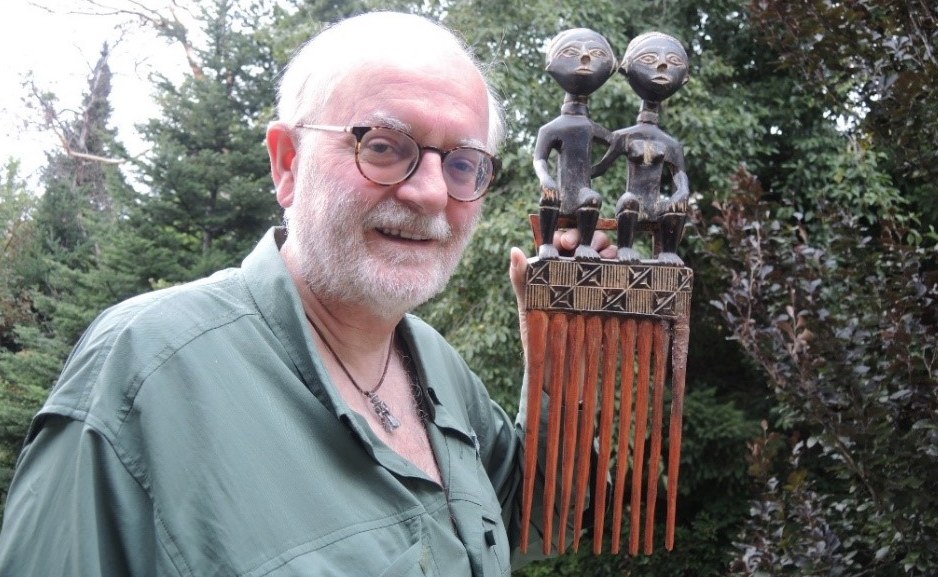
By Grant Keddie. Preface Combs are artifacts used by many cultures around the world over thousands of years. They are used primarily for disentangling and arranging the hair, but also as decorative items for holding the hair and head pieces, they have evolved into symbols of status or authority and cultural identity. To make a point, I show an extreme physical example of an Ashanti comb from Ghana in figure 1. Large Ashanti prestige combs were given by men to women as an act of devotion and commitment. In the 1970s, African combs took on a role in African American culture and politics where they became a sign of solidarity to the Black Power movement as a cultural statement. Combs … Continue reading “Indigenous Combs of British Columbia”
Charles Newcombe’s Visit to Paul Kane’s Klallam Village of I-eh-nus

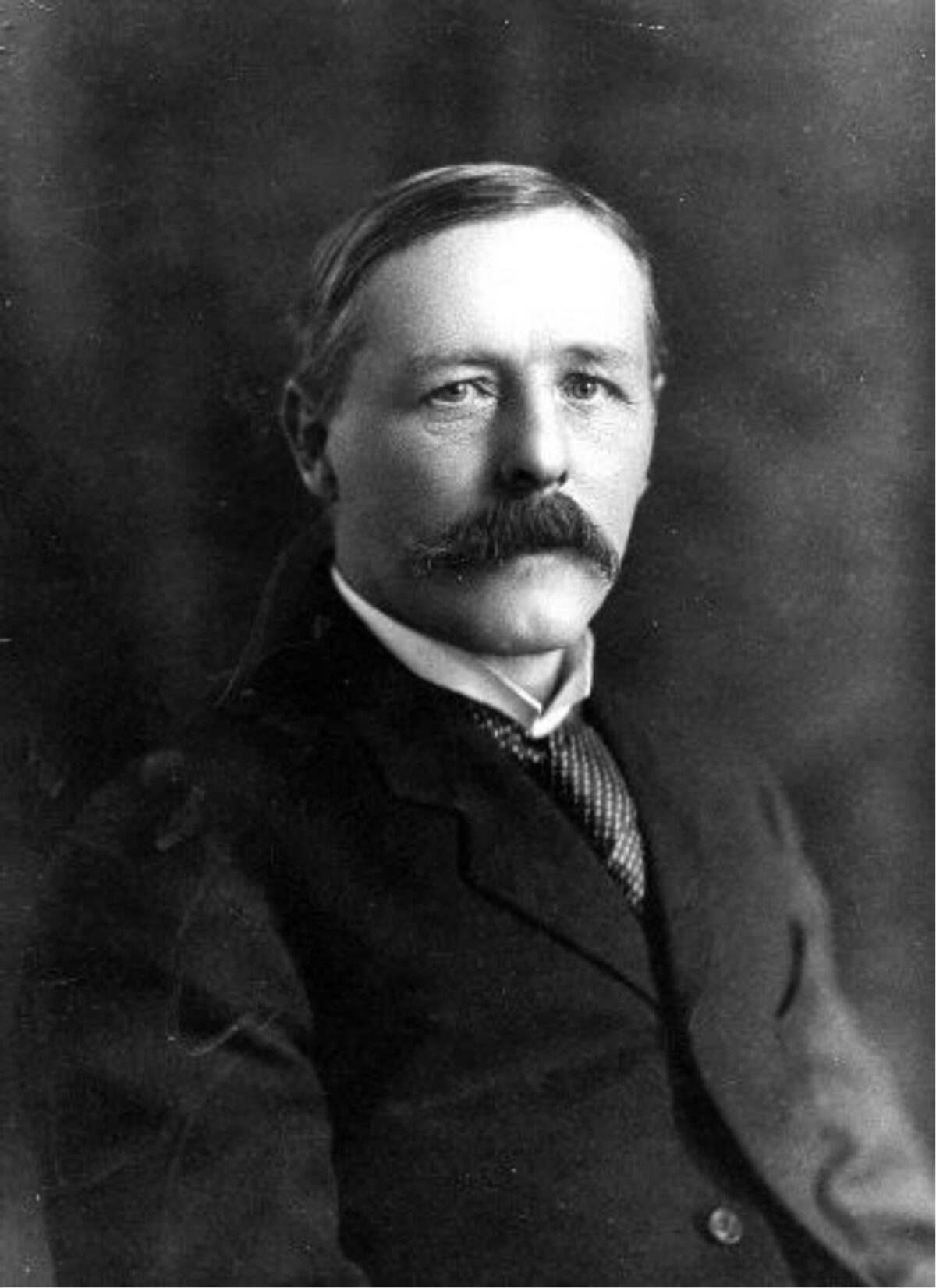
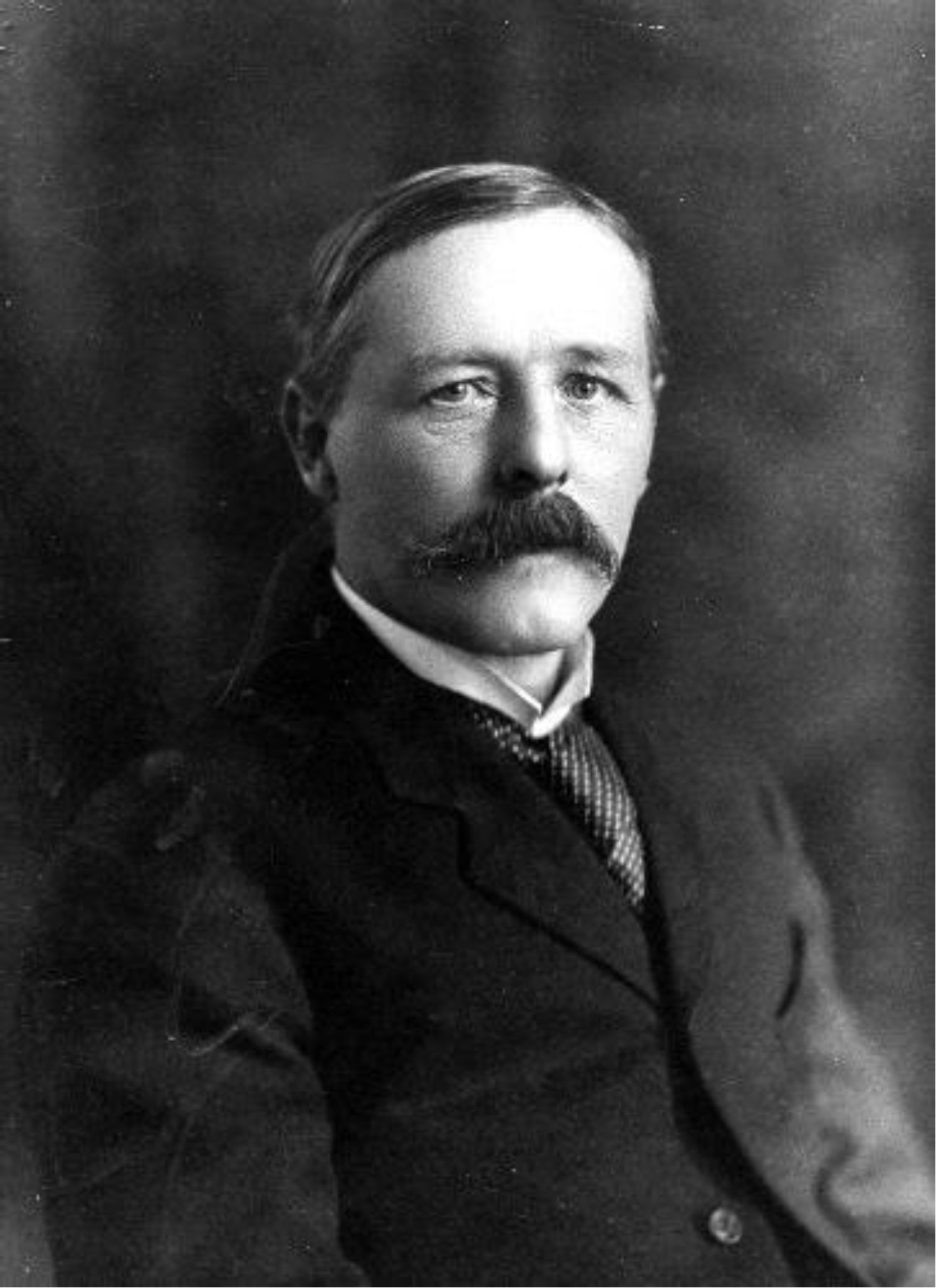
January 17, 2019. By Grant Keddie Dr. Charles Newcombe played a major role in the development of the Royal B.C. Museum ethnology and palaeontology collections (figure 1). He left behind four of his own interesting photographs that were missing the details of their context. Here, I present the story behind these images. Newcombe was fascinated by the Northwest Coast paintings of the famous Canadian painter Paul Kane. In 1904, Newcombe traveled to the University of Toronto where he photographed some of the Kane paintings from the Sir Edmund Osler private collection that were on loan to the University. Newcombe was keenly interested in Kane’s composite oil painting – then labelled as No. 84 (now ROM912.1.84). This painting was made from … Continue reading “Charles Newcombe’s Visit to Paul Kane’s Klallam Village of I-eh-nus”