The Capital Iron Site, DcRu-116. Victoria Harbour.

January 25, 2018. By Grant Keddie. The remains of an ancient village, in the form of a shell midden, are located around the intersection of Store and Chatham Street off Victoria’s upper harbour. The site, listed as DcRu-116,   was on a rocky bluff on the east side of the Harbour between the Johnson Street and Point Ellis (Bay Street) Bridges. This specific location on a rocky bluff with a good view up the Harbour would suggest the site was chosen for defensive purposes. Archaeological Excavations In 1976, buried shell midden was discovered during the removal of massive amounts of overburden for building a new facility next to the Capital Iron building at 1900 Store Street. On an emergency basis, volunteers … Continue reading “The Capital Iron Site, DcRu-116. Victoria Harbour.”

Indigenous Combs of British Columbia

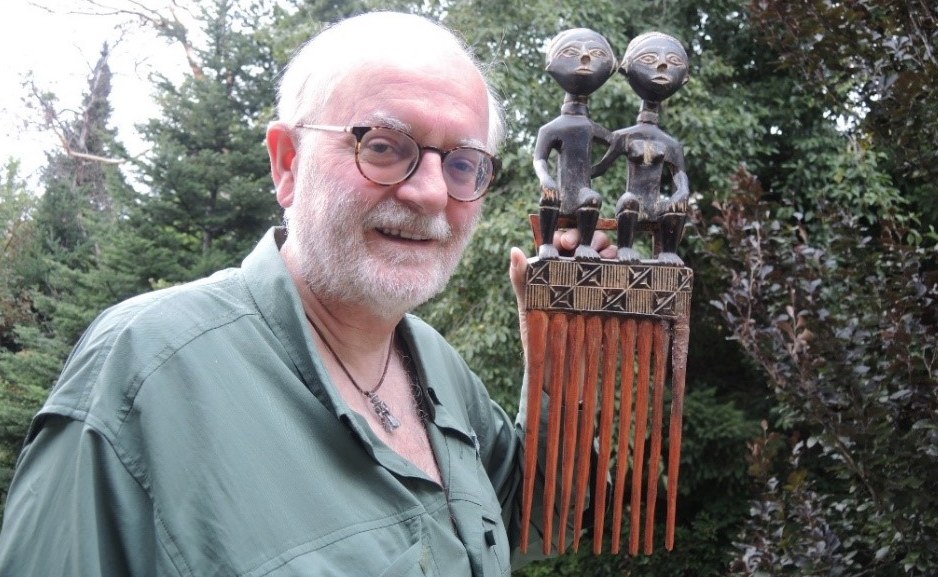
By Grant Keddie. Preface Combs are artifacts used by many cultures around the world over thousands of years. They are used primarily for disentangling and arranging the hair, but also as decorative items for holding the hair and head pieces, they have evolved into symbols of status or authority and cultural identity. To make a point, I show an extreme physical example of an Ashanti comb from Ghana in figure 1. Large Ashanti prestige combs were given by men to women as an act of devotion and commitment. In the 1970s, African combs took on a role in African American culture and politics where they became a sign of solidarity to the Black Power movement as a cultural statement. Combs … Continue reading “Indigenous Combs of British Columbia”

Beyond “Spirit Bears”

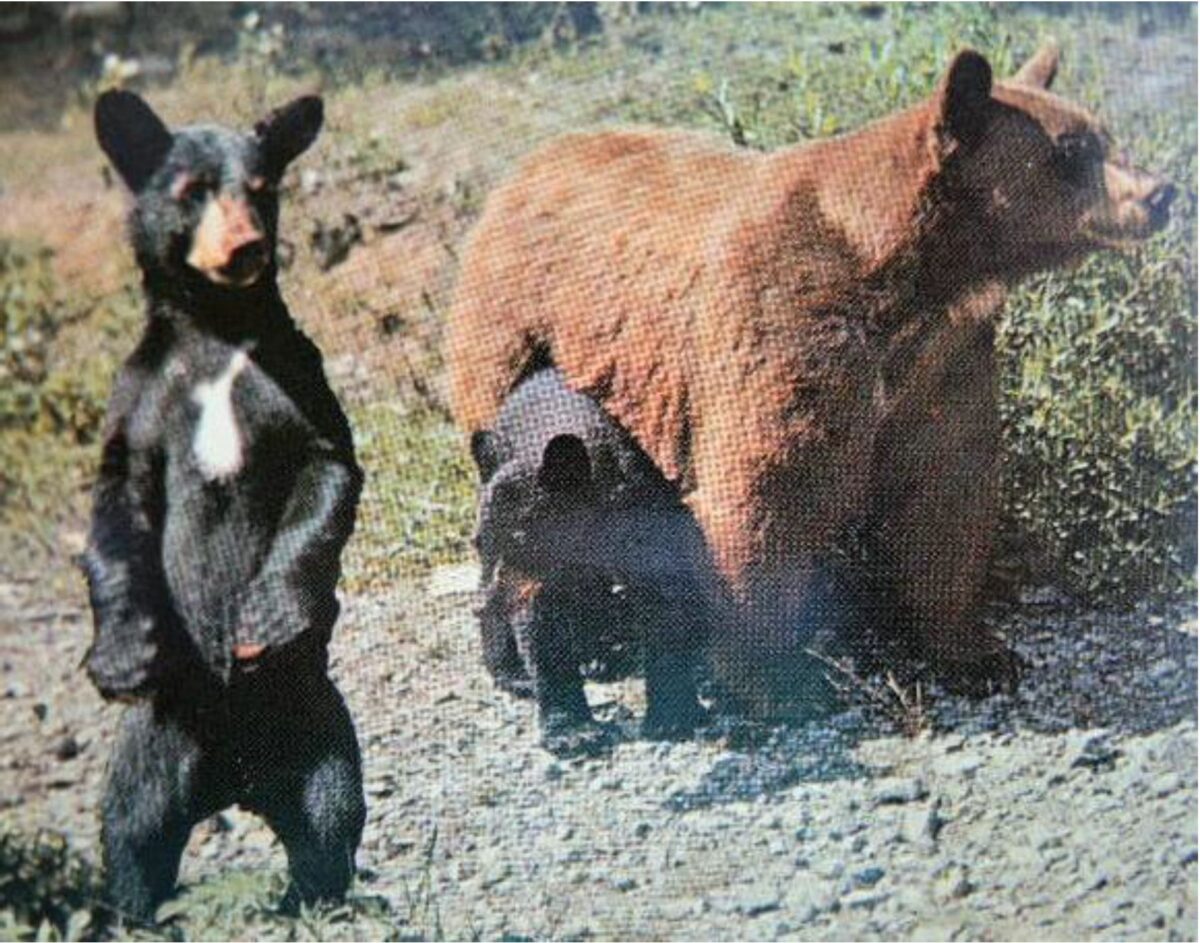
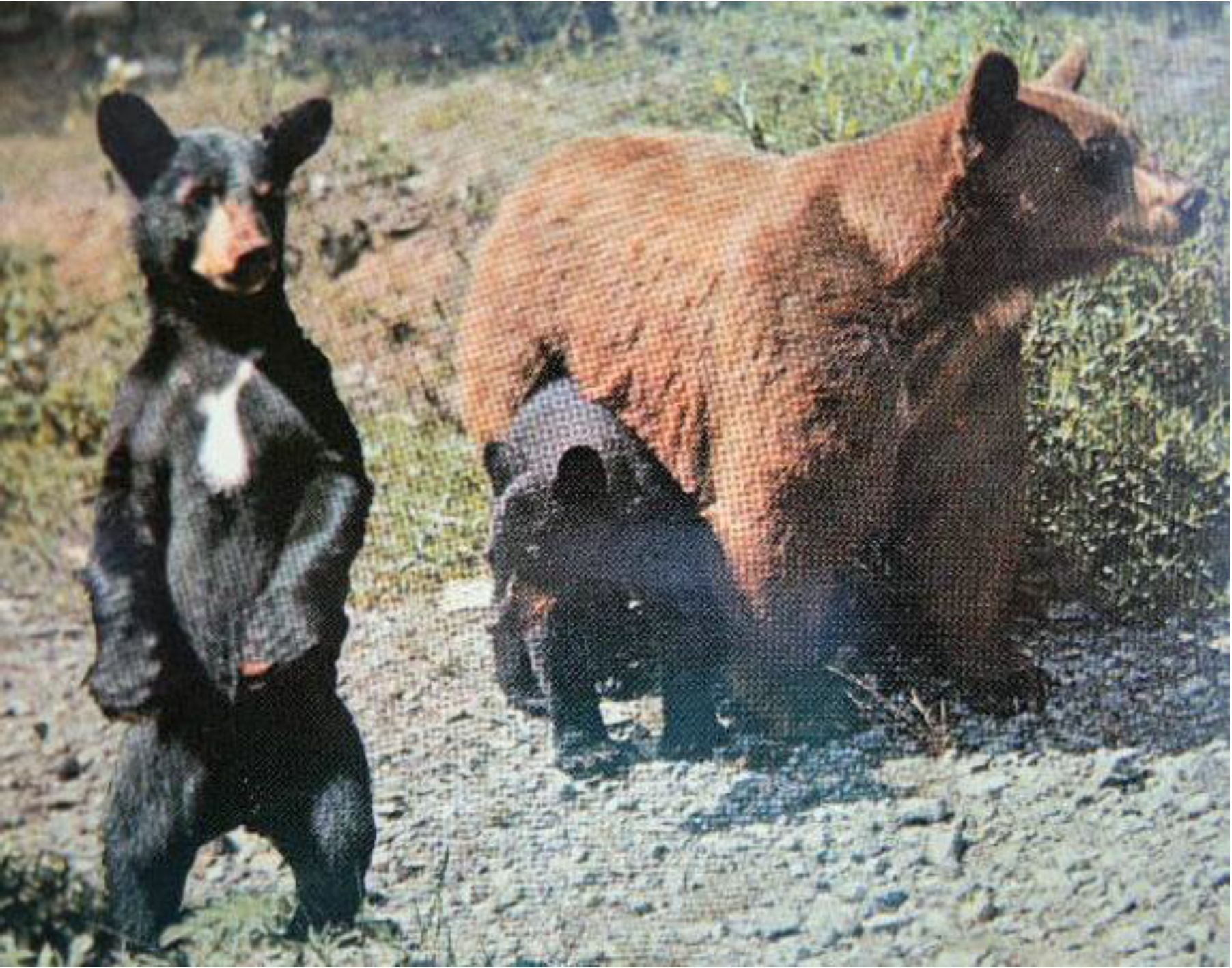
May 10, 2019. By Grant Keddie Introduction In 2006, the “Spirit bear” was adopted as the provincial mammal of British Columbia. The term “Spirit Bear” has to a large extent been overused as a media hype word. It has often been misinterpreted as a direct aboriginal name of a unique type or species of bear. The circular movement of information between indigenous peoples and popular writers, have created some modern myths such as comments that white bears, also referred to as “ghost bears”, were not traditionally hunted. Today they are referred to as a subspecies of black bear called Ursus americanus kermodei. The environmental movement of the western world has over-simplified the portrayal of all white coloured black bears by … Continue reading “Beyond “Spirit Bears””