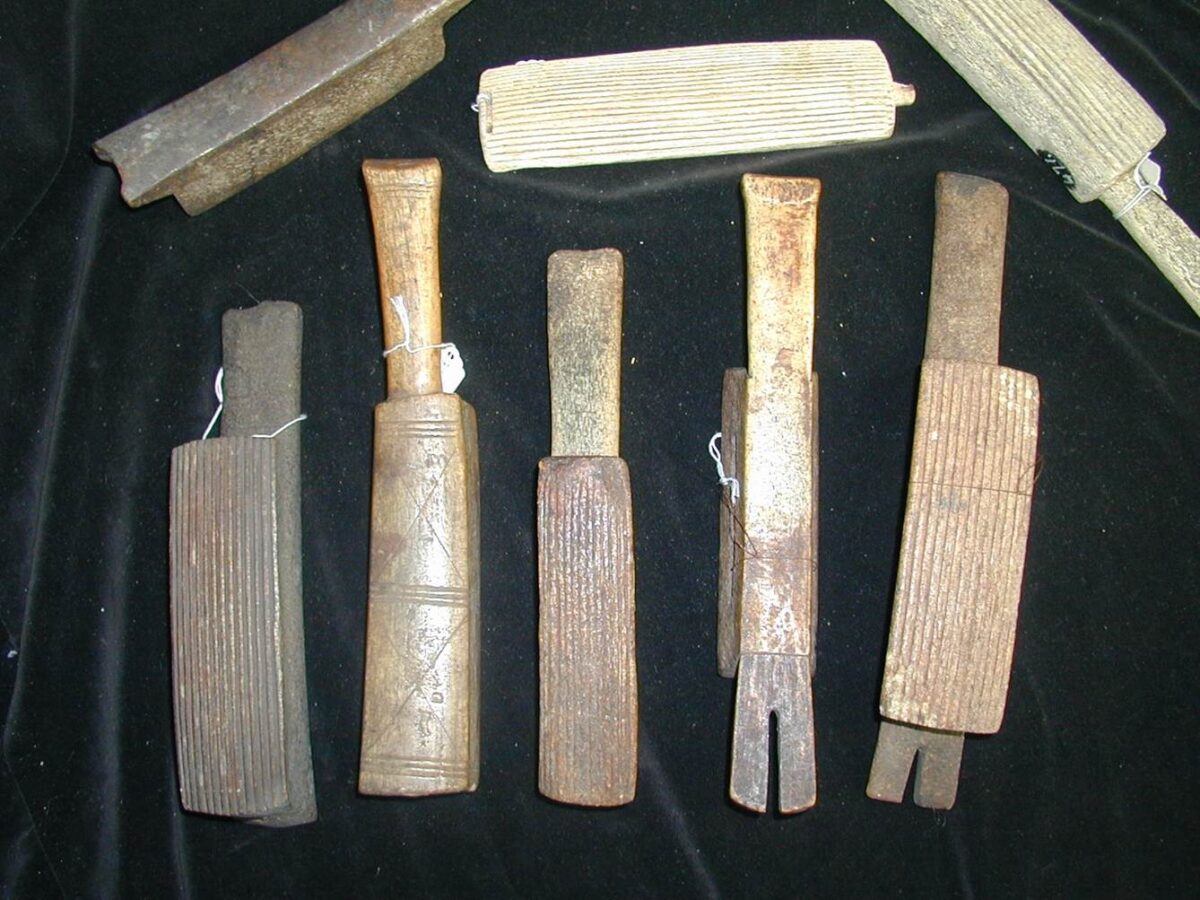
Indigenous Bark Beaters in Coastal British Columbia

Were they Introduced from Polynesia? Preface Over the years from the 1970s to 2000, I had interesting discussions with Thor Heyerdahl during his research visits to the Royal B.C. Museum. I came to have a good understanding of his changing philosophy. Thor began his interests in British Columbia when he visited Bella Coola in 1939-1940 to compare petroglyphs at Thorsen Creek with Polynesian art forms. Unlike some of his critics, I read his scientific publications as well as his popular books. He was, on occasion, dismissed in the academic world, for some of his ideas that he had long given up. I assisted Thor in examining Museum artifacts he was interested in for possible Polynesian connections and suggested some myself … Continue reading “Indigenous Bark Beaters in Coastal British Columbia”
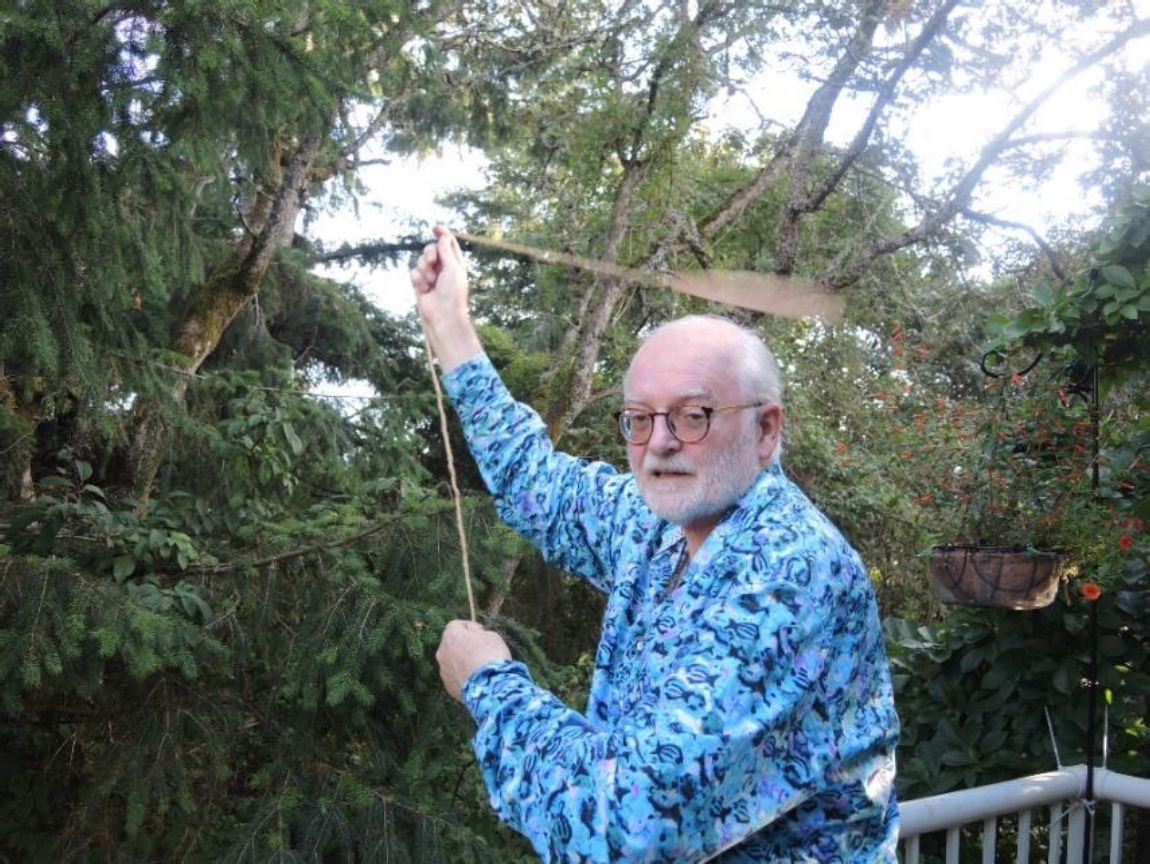
Bullroarers in the Indigenous Collections of the Royal B.C. Museum

By Grant Keddie. 2020. Introduction The bullroarer is an instrument used by many cultures around the world. It comes in many sizes and dates back at least 20,000 years in Europe. In some parts of my ancestral Scotland the bullroarer was known as a “Thunder­spell” and in Aberdeen as a “Thunder-bolt”. It was used to protect people from being struck by lightning, but in one known case used by a farm boy to scare the cows home (Haddon 1898:222). It is classed as an aerophone musical devise as it is spun in the open air, as opposed to an instrument that is blown into. It involves the use of a piece of flat wood, bone or other material tied to … Continue reading “Bullroarers in the Indigenous Collections of the Royal B.C. Museum”