The Bison of Beacon Hill Park

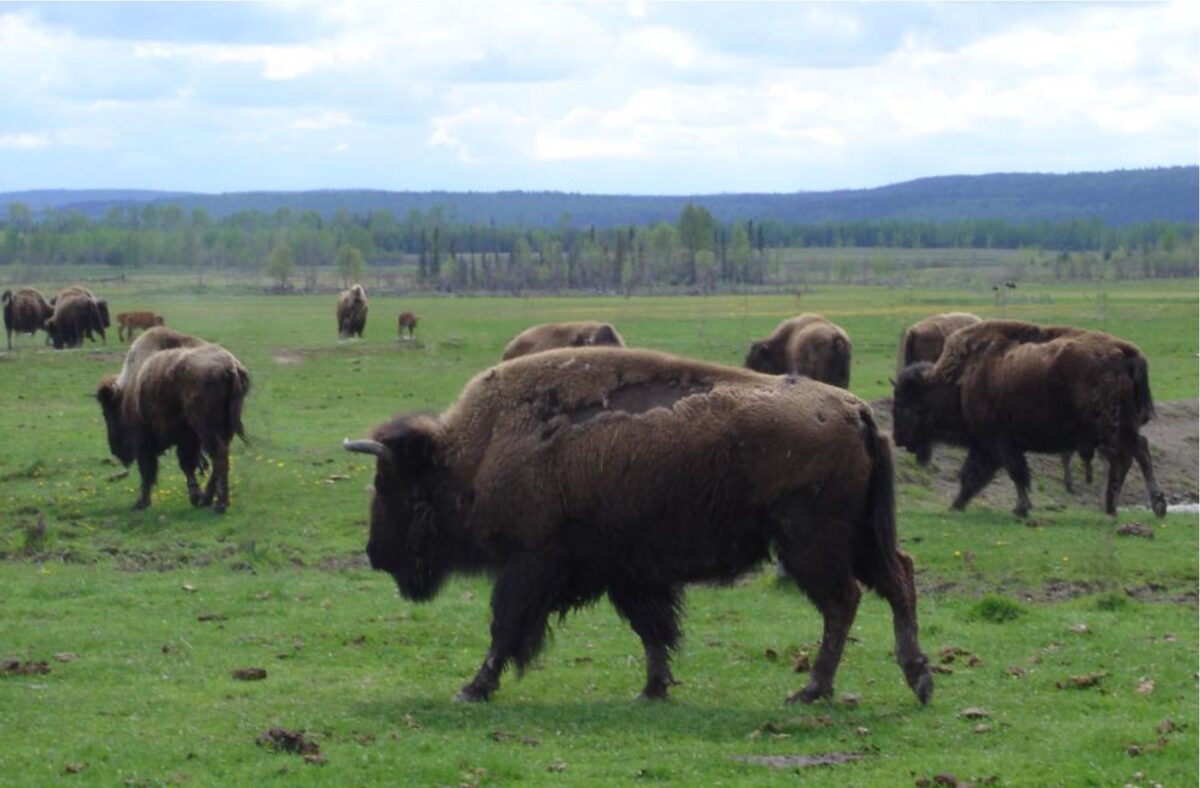
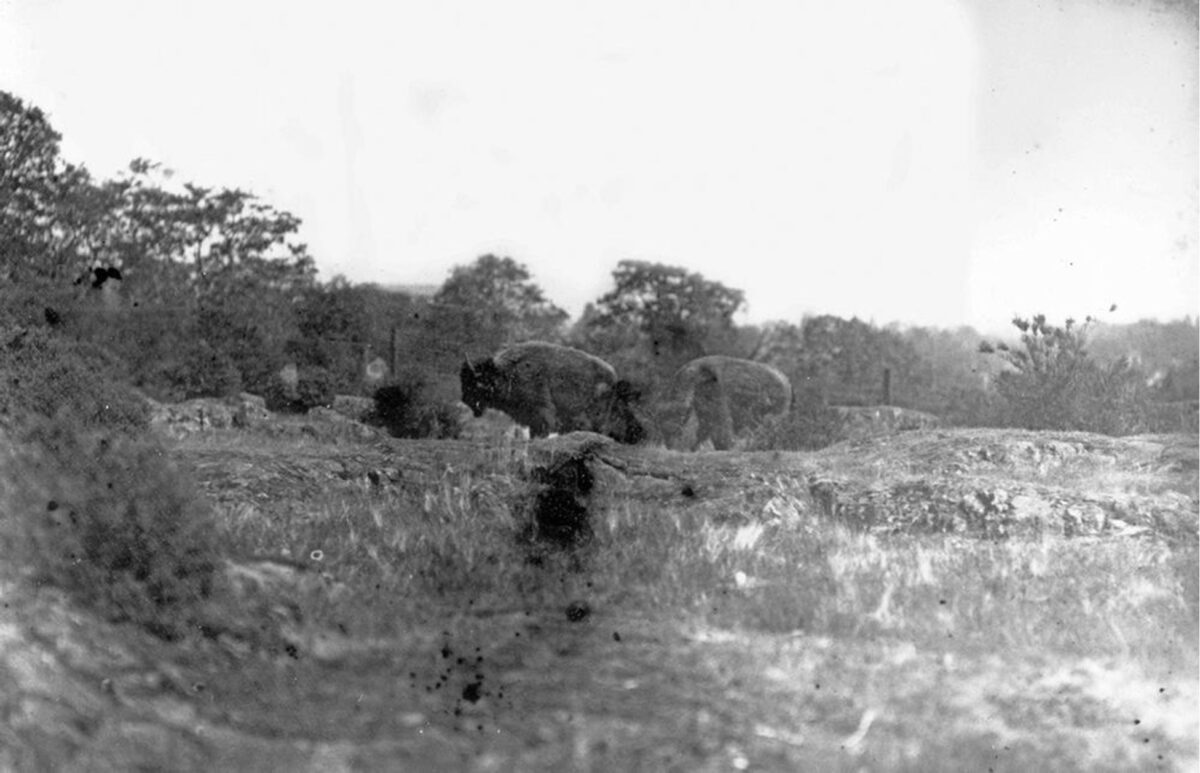
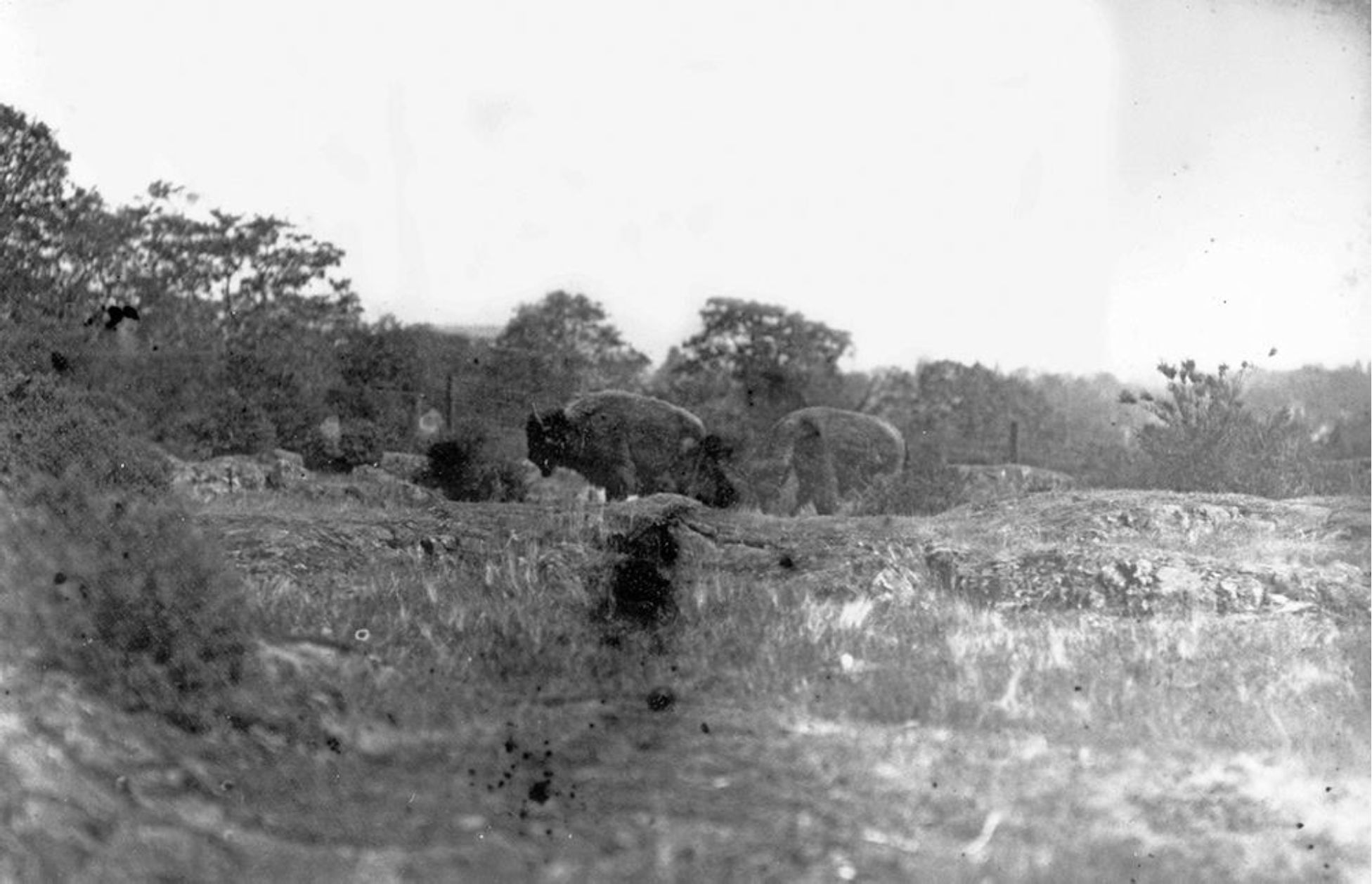
June 20, 2017 By Grant Keddie Introduction A very interesting specimen is recorded in the catalogue of the Vertebrate Zoology Collection of the Royal B.C. Museum for April 19th, 1932. It was the body of a three-day old bison donated by the Victoria Parks Department. It was the baby born in Victoria’s Beacon Hill Park to its bison parents Victoria and Albert. Where did the Bison Come From? On November 9, 1928, William Straith, President of the Victoria Junior Chamber of Commerce, had advised the Victoria Park Committee that he had been trying to obtain two bison (buffalo) for the Beacon Hill Park Zoo. The Dominion (Federal) government allotted two from Alberta’s Buffalo National Park near Wainright where they had … Continue reading “The Bison of Beacon Hill Park”
Marmot Trap Triggers in the Royal B.C. Museum Ethnology Collection

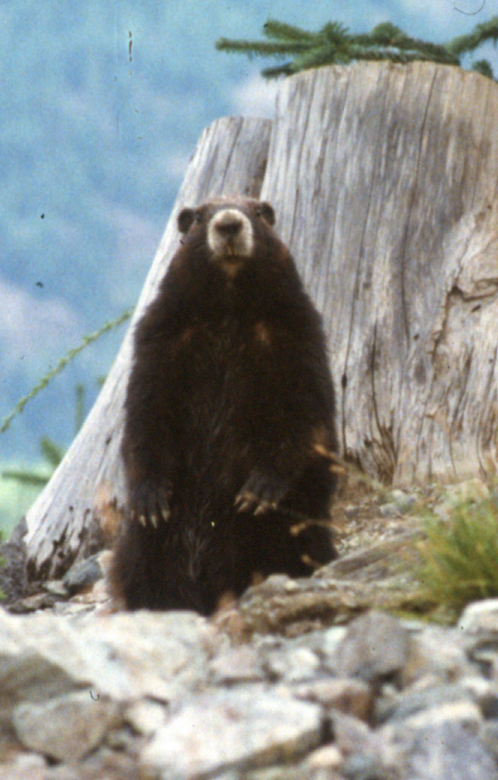
May 28, 2019. By Grant Keddie. Introduction Marmots were hunted in many parts of British Columbia for their furs and their fat content. Both Coastal and Interior peoples went into the mountains every fall to hunt them. Some First Nations continue to hunt marmots. See Appendix 1, First Peoples and Marmots of British Columbia, for a detailed overview of the role of marmots in Indigenous societies. Deadfall traps and snares of various sizes were used for catching most species of mammals as well as birds. There are several types and sizes of artifacts in this general category of trap devices that were used by the Tlingit and their inland relatives for trapping mainly marmots and ground squirrels. Small deadfall trap … Continue reading “Marmot Trap Triggers in the Royal B.C. Museum Ethnology Collection”

Beyond “Spirit Bears”

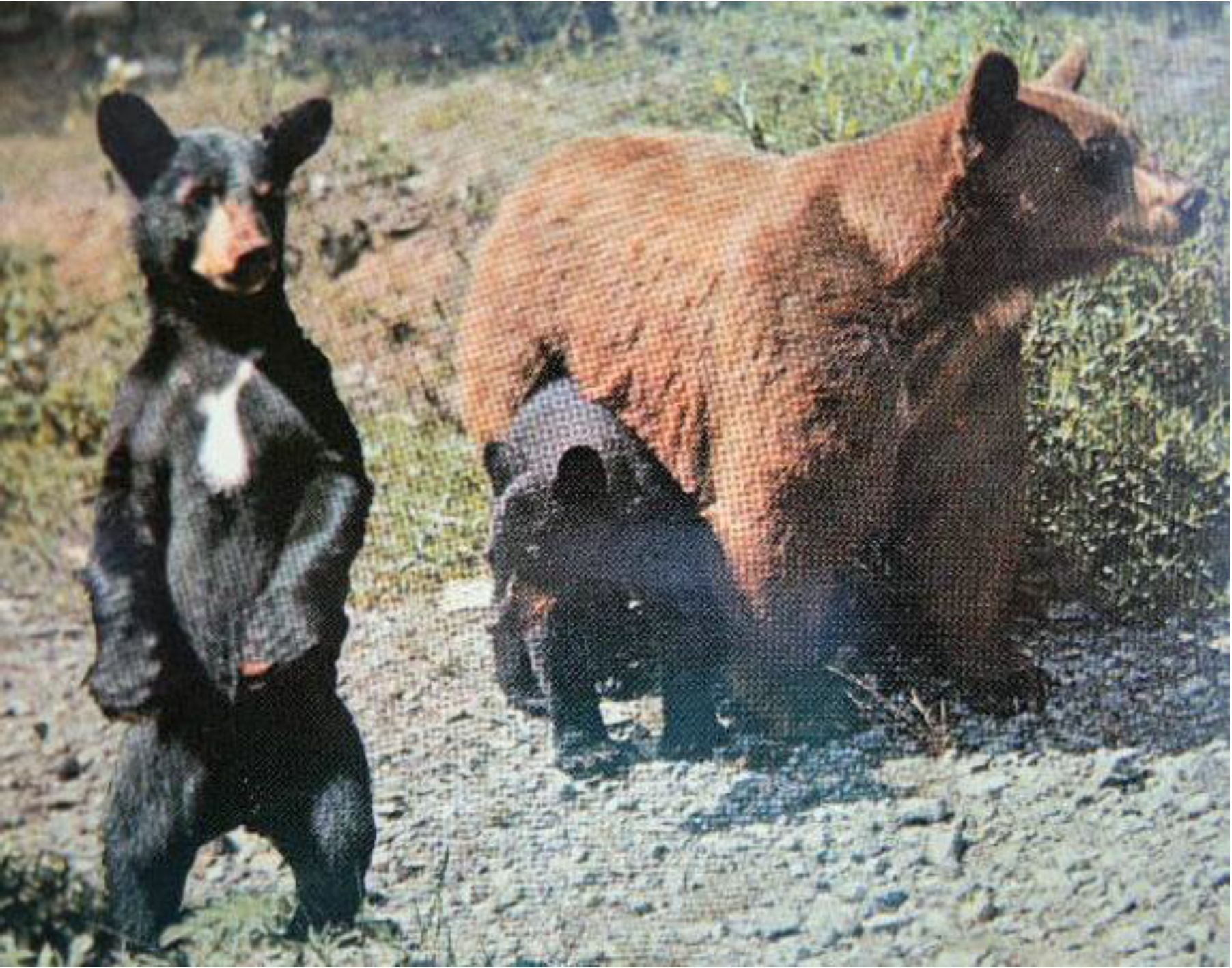
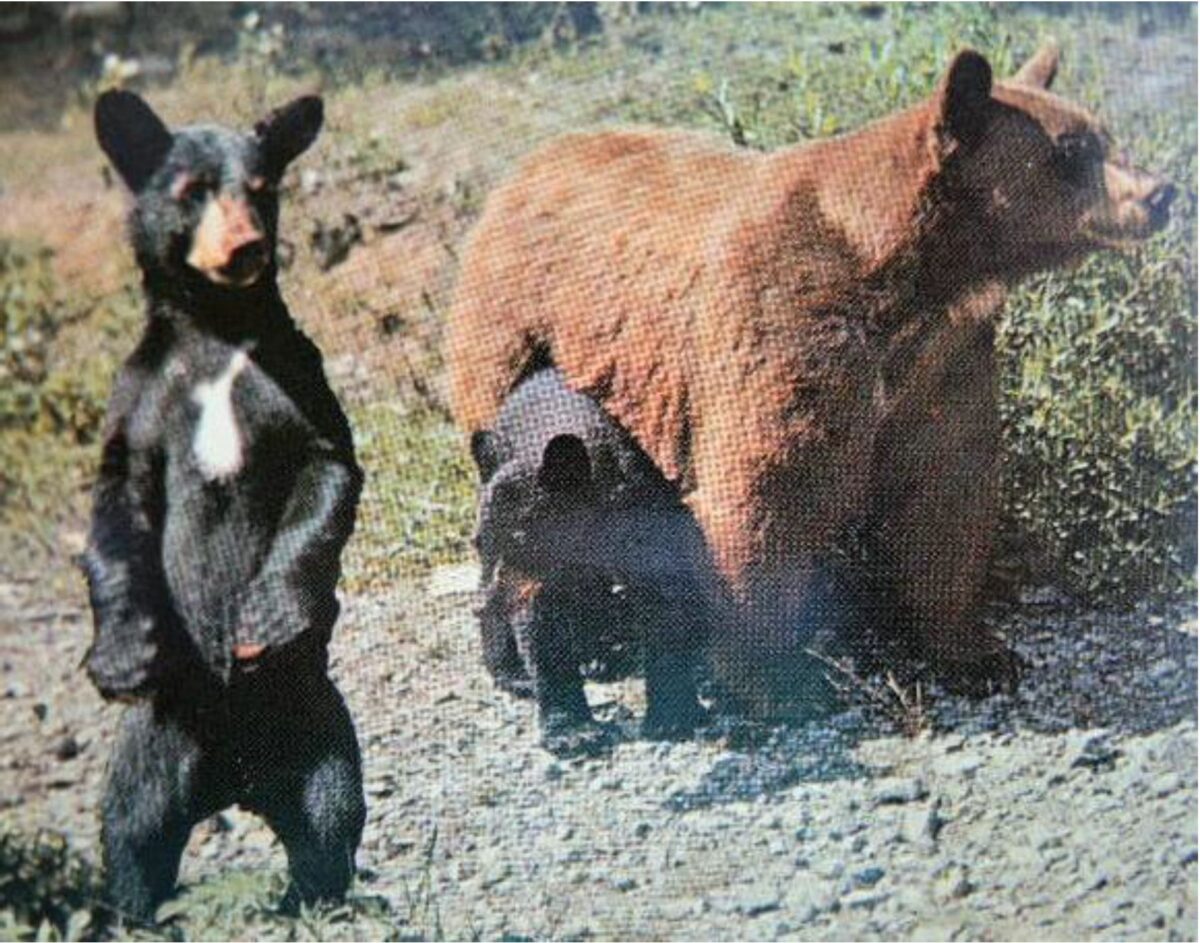
May 10, 2019. By Grant Keddie Introduction In 2006, the “Spirit bear” was adopted as the provincial mammal of British Columbia. The term “Spirit Bear” has to a large extent been overused as a media hype word. It has often been misinterpreted as a direct aboriginal name of a unique type or species of bear. The circular movement of information between indigenous peoples and popular writers, have created some modern myths such as comments that white bears, also referred to as “ghost bears”, were not traditionally hunted. Today they are referred to as a subspecies of black bear called Ursus americanus kermodei. The environmental movement of the western world has over-simplified the portrayal of all white coloured black bears by … Continue reading “Beyond “Spirit Bears””

Rise and Fall of the Beringian Steppe Bison

The widespread extinctions of large mammals at the end of the Pleistocene epoch have often been attributed to the depredations of humans; here we present genetic evidence that questions this assumption. We used ancient DNA and Bayesian techniques to reconstruct a detailed genetic history of bison throughout the late Pleistocene and Holocene epochs. Our analyses depict a large diverse population living throughout Beringia until around 37,000 years before the present, when the population’s genetic diversity began to decline dramatically. The timing of this decline correlates with environmental changes associated with the onset of the last glacial cycle, whereas archaeological evidence does not support the presence of large populations of humans in Eastern Beringia until more than 15,000 years later.

What Happened to the Mega Fauna?

June 14, 2016. By Grant Keddie Large animals, such as mammoths, mastodons, horses and camels that roamed North America near the end of the ice age are referred to as mega-fauna. Why these large animals went extinct has been widely debated but answers are beginning to emerge. New information is showing the answer is more complex than previously thought. Both climate change and human hunting play a role at different times in different places. Expanding and Shrinking – Habitat and Genes Before the appearance of humans on the northern landscapes we see that ecosystem stability for animal species generally persisted over long periods of time. During repeated sudden climate changes over the last few hundred thousand years of the Pleistocene (2.6 … Continue reading “What Happened to the Mega Fauna?”

Taxonomy, location of origin and health status of proboscideans from Western Canada investigated using stable isotope analysis

by Jessica Z Metcalfe, Fred Longstaffe, Christopher N/ Jass, Grant D. Zazula and Grant Keddie. ABSTRACT: We investigated the application of stable isotope analysis of proboscidean remains (collagen in bone/ dentin/cementum and structural carbonate in enamel bioapatite) for genus-level identification of isolated specimens, assessment of geographical origins, and testing for nutritional stress. Mammoths (Mammuthus sp.) tended to have higher d15Ncol and lower d13Ccol than mastodons (Mammut americanum), but differences were not significant in every location. Determining the genus of isolated specimens may be possible for locations and time periods with good isotopic baselines, but environmental changes can confound interpretations. For example, an Alberta proboscidean with a d15Ncol of +1.4%o (characteristic of mastodons) ultimately proved to be a mammoth. Its surprisingly … Continue reading “Taxonomy, location of origin and health status of proboscideans from Western Canada investigated using stable isotope analysis”

Dietary niche separation of three Late Pleistocene bear species from
Vancouver Island

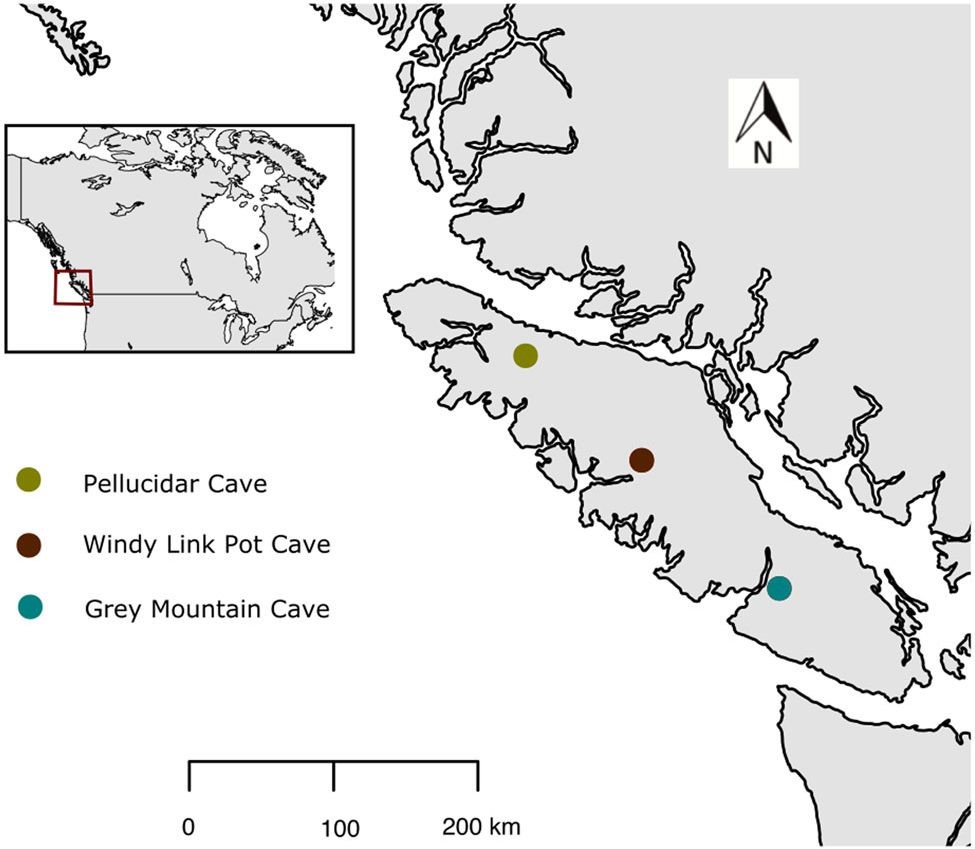
2022. By Cara Kubiak, Vaughan Grimes, Geert Van Biesen, Grant Keddie, Mike Buckley, Reba Macdonald, M. P. Richards. ABSTRACT: Competition between taxa related to climate changes has been proposed as a possible factor in Pleistocene megafaunal extinctions, and here we present isotope evidence of the diets of three co‐existing bear species [black bear (Ursus americanus), brown bear (Ursus arctos), and the now extinct short‐faced bear (Arctodus simus)] from a locale in western North America dating to the Late (Terminal) Pleistocene (~14.5–11.7 ka). The three bear species were found at several sites on Vancouver Island, on the western coast of Canada. To examine the chronological overlap and niche partitioning between these species of bear, we used direct radiocarbon dating, stable isotope … Continue reading “Dietary niche separation of three Late Pleistocene bear species from
Vancouver Island”

Muskox in British Columbia

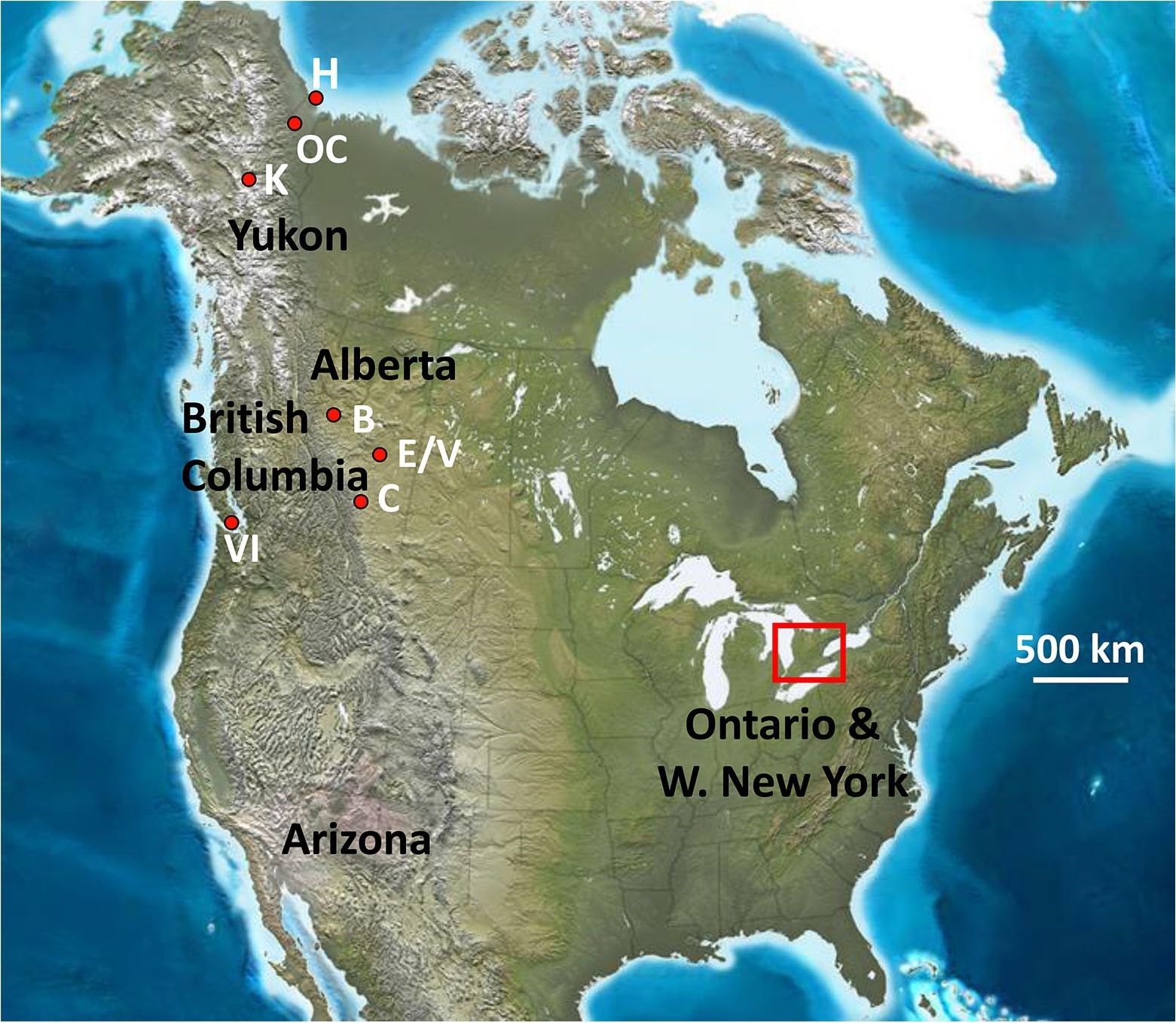
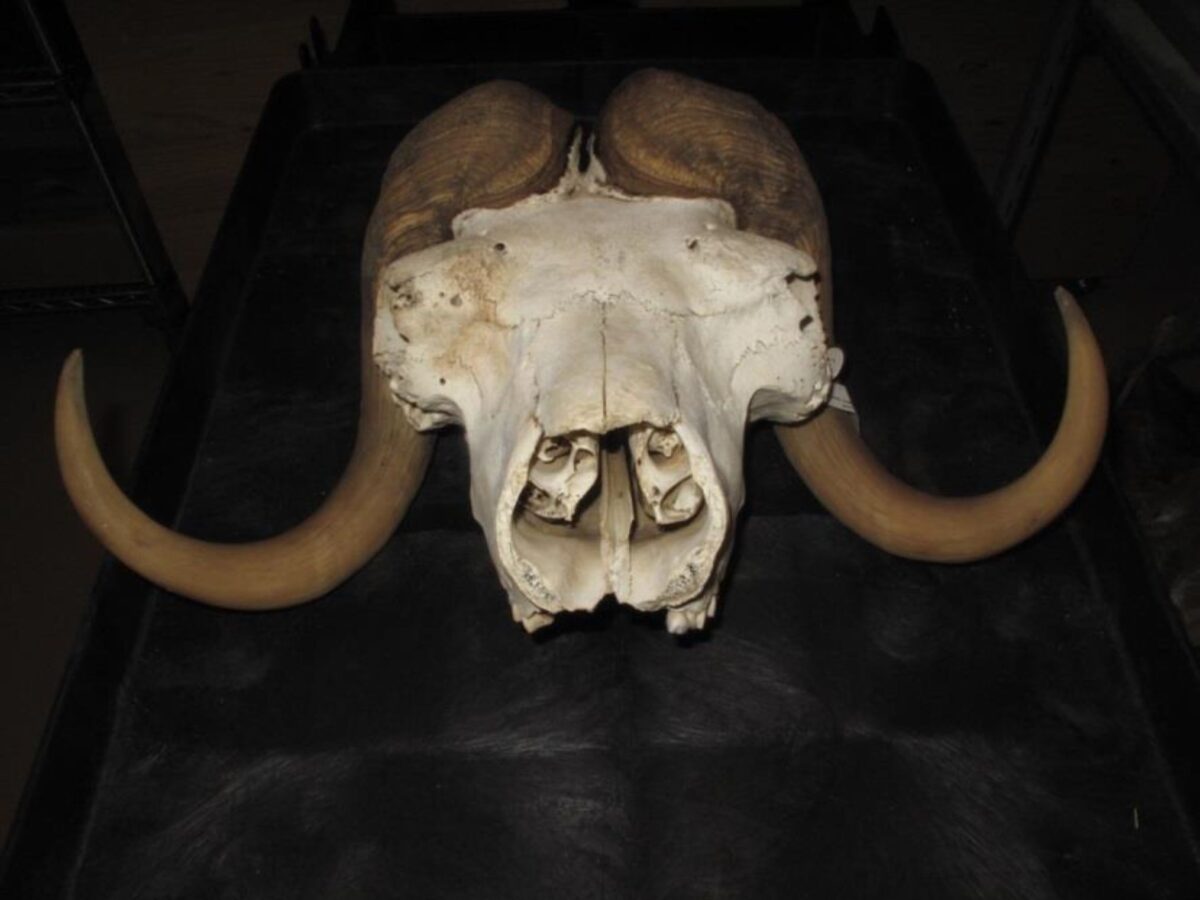
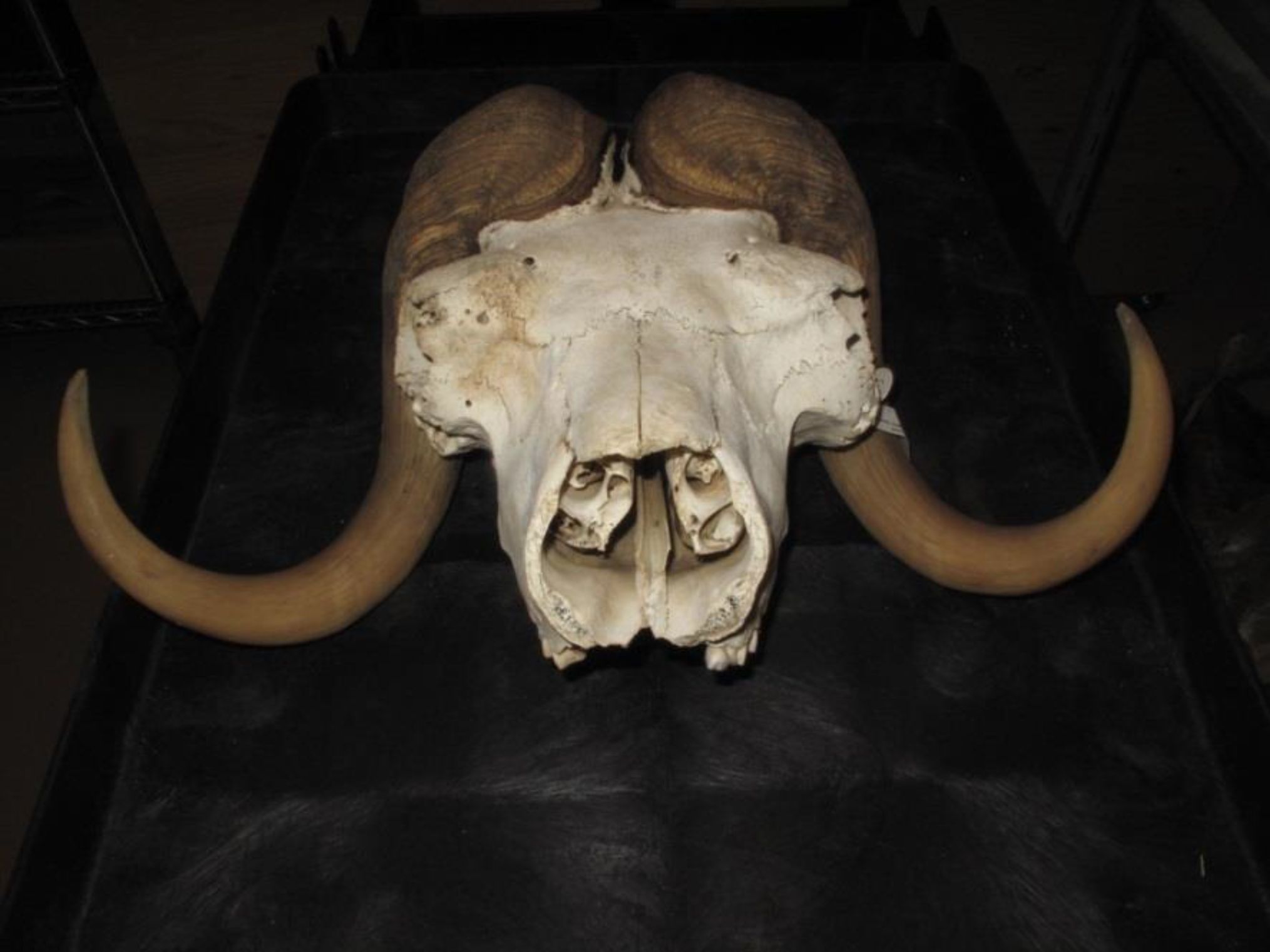
May 6, 2016? By Grant Keddie One of the most exciting fossil finds on Vancouver Island is the skull of an extinct muskox called Symbos cavifrons (1). It was collected in 1969, from the lower half of a 15 meter thick gravel deposit at the bottom of the Butler Brothers gravel pit on the Saanich Peninsula, 12km north of Victoria. Overlaying this lower layer were 6 meters of sediment with a lower glacial till, then silts and sands and another till layer near the top.       The only other Symbos fossil from British Columbia that has survived in a Museum collection is a skull from Dease Lake in the northern part of the Province. Details of these finds were published in 1975, by … Continue reading “Muskox in British Columbia”

Victoria Underwater

January 15, 2019 By Grant Keddie The Haultain Valley 14 meter Ocean Standstill. At the end of the ice age the land, in relation to the sea level, was undergoing enormous changes around Greater Victoria. Where the land surface was covered by ice or had ice sheets nearby, it was pushed down making local sea level high in relation to the land. This was occurring even when world-wide sea levels were much lower. As ice melted the local earth’s crust quickly rebounded and relative sea level fell at least 45 meters below where it is today. The sea then slowly came back up to near its present level around 4500 years ago – creating Victoria harbour, Esquimalt harbour and the … Continue reading “Victoria Underwater”

The Late lce Age of Southern Vancouver Island

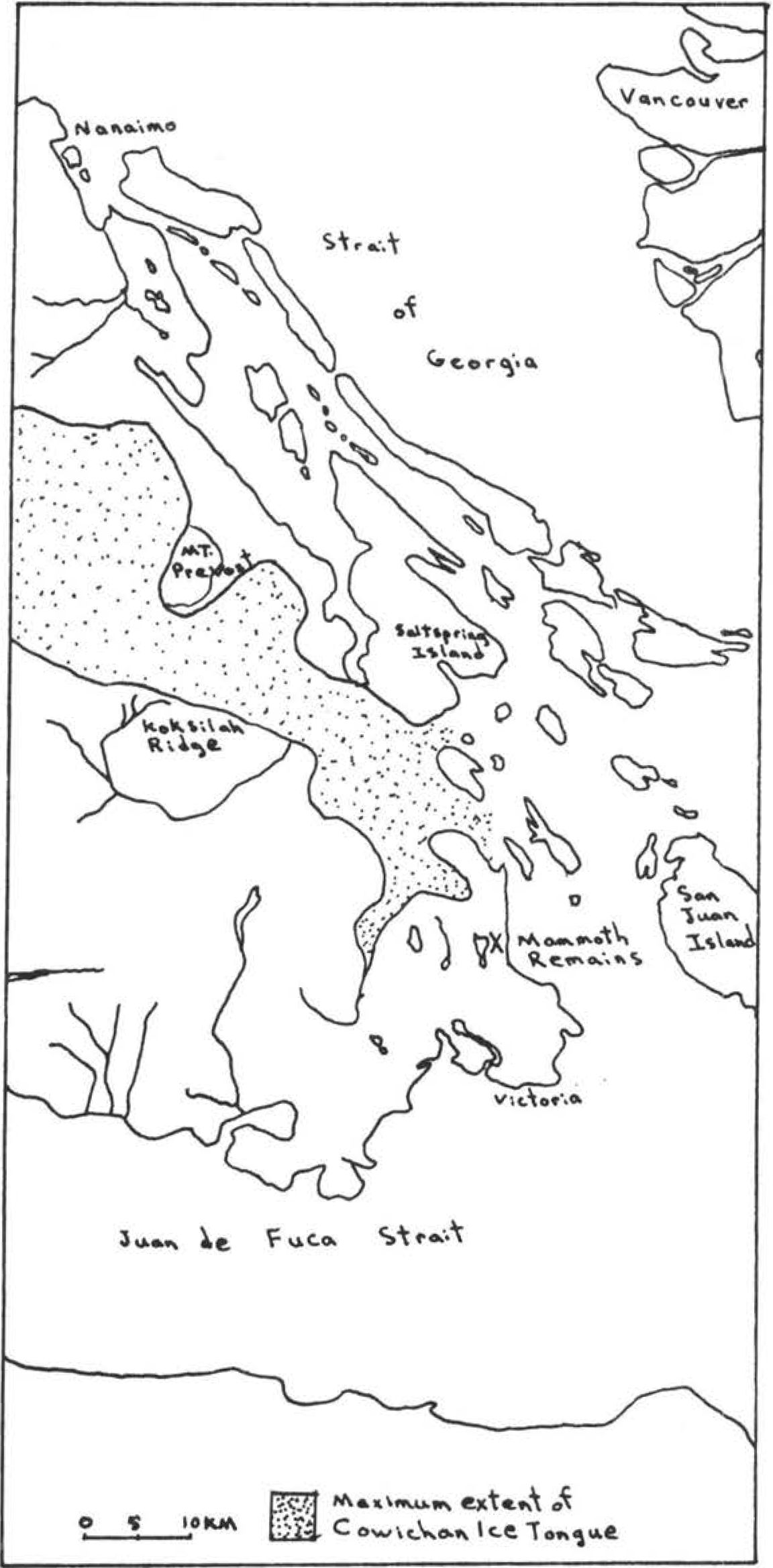
Originally published in The Midden 11(4), 16-22. October 1979. By Grant Keddie A radio carbon date of 17,000 B,P. on a mammoth bone, the first date from the Saanichton Gravels north of Victoria, provides new evidence that alters the previously suggested timing of glacial events on southern Vancouver Island. The precise timing of these glacial events is of importance for archaeologists because the events define the times during which animal and human populations could have inhabited the Island. The purpose of this paper is to give a brief overview of what is known about the last stages of the Wisconsin glacial period on southern Vancouver Island; to show how the new radiocarbon date fits into the sequence of events; and … Continue reading “The Late lce Age of Southern Vancouver Island”