The Archaeology and Ethnology of Wedges on the Northwest Coast

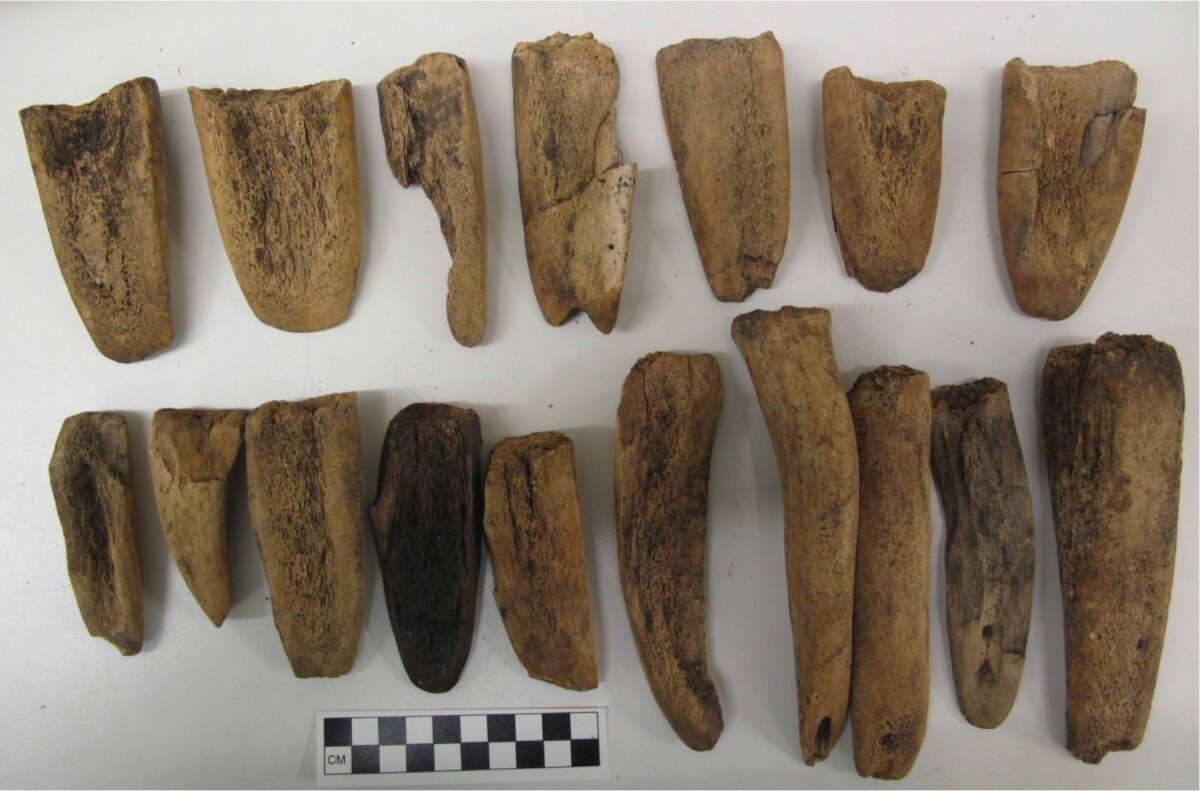
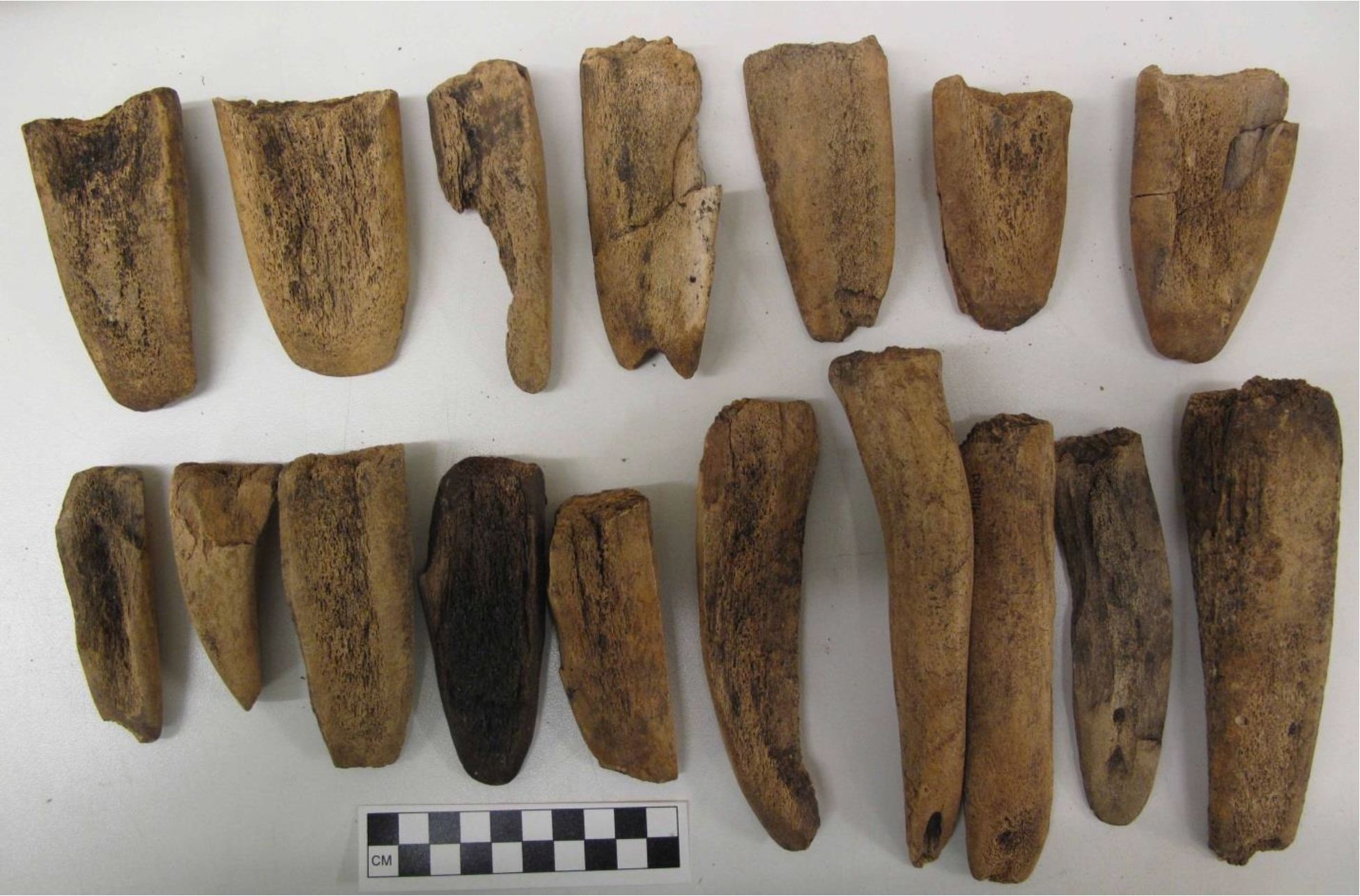
2018. By Grant Keddie Introduction Wooden and antler wedges are a common tool found in the Northwest Coast cultural area of North America. The purpose of this article is to drive a wedge into our current thinking about wedges and to stimulate further research by making some observations based on Royal B.C. Museum archaeological and ethnological artifacts. I combine this view of collections with my own background experience in working with wedges. Wedges are commonly known to have been used for splitting fire wood, for the manufacture of posts and planks used in house construction, household items such as boxes and bowls, and for the whole process of canoe making from cutting down trees to splitting the tree trunks and … Continue reading “The Archaeology and Ethnology of Wedges on the Northwest Coast”
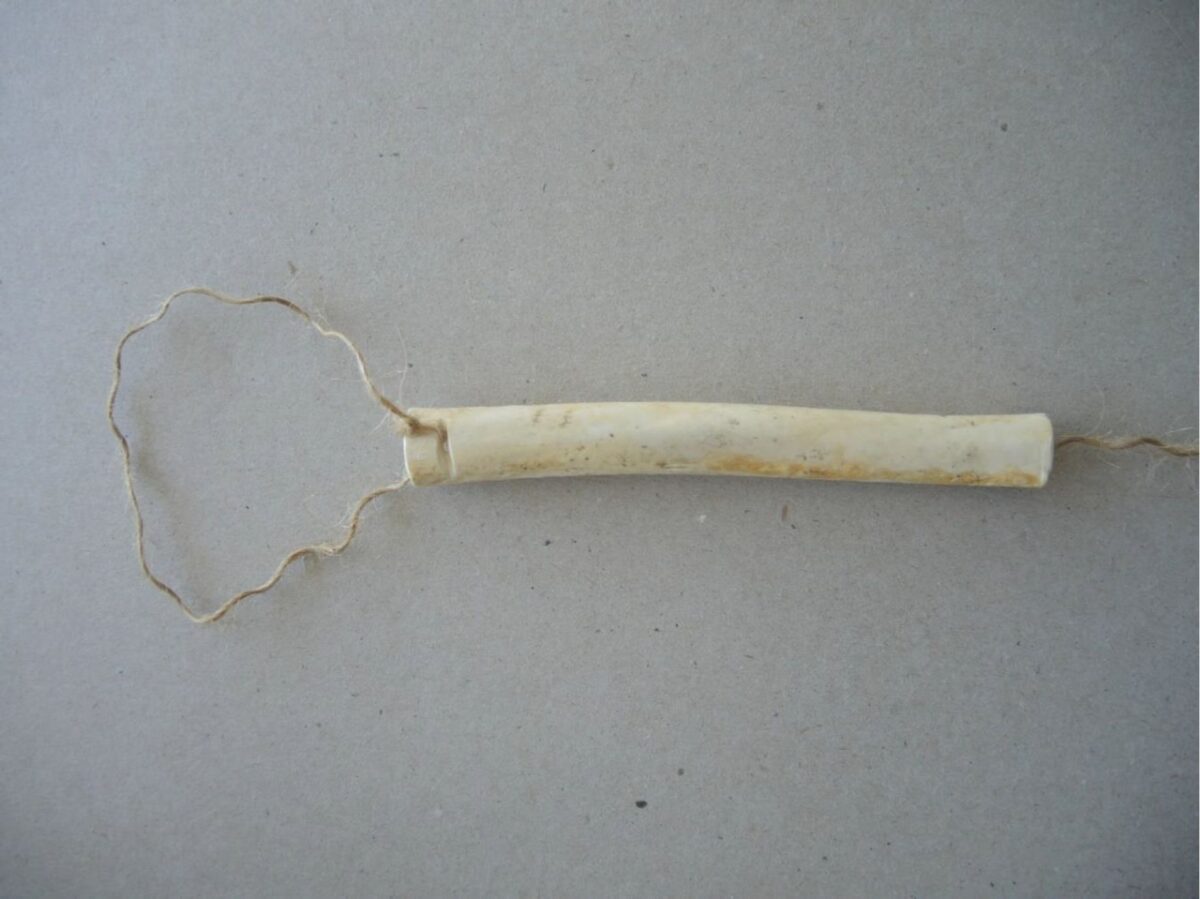
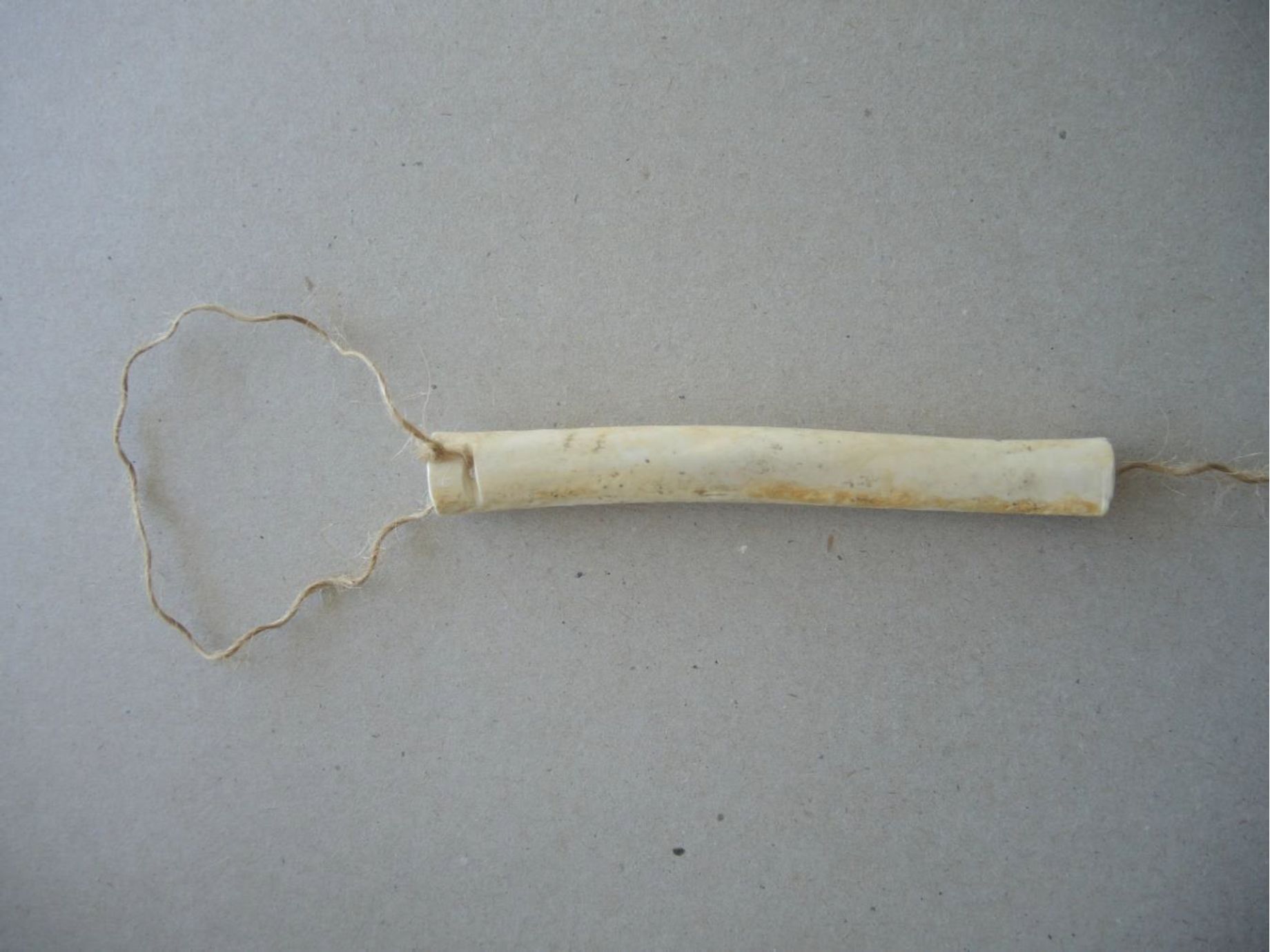
Bird Bone Tube Snare Guards in the Archaeology Collection of the Royal B.C. Museum

June 3, 2019. By Grant Keddie Introduction There are many different sizes of bird bone artifacts found in archaeological sites in British Columbia. The function of many of these remains unknown. There is often no comparable artifact type in the ethnographic record. They are sometimes ascribed functions by archaeologists for which there is no evidence. Some of the long bird bone tubes referred to as “drinking tubes” are in fact, what I am calling bird bone snare guards – devices on snares which prevent marmots and ground squirrels from biting through the noose cord and escaping.   Here I present the evidence of how I determined, from my own observations and technology experiments, that some of the unidentified bird bone … Continue reading “Bird Bone Tube Snare Guards in the Archaeology Collection of the Royal B.C. Museum”

Marmot Trap Triggers in the Royal B.C. Museum Ethnology Collection

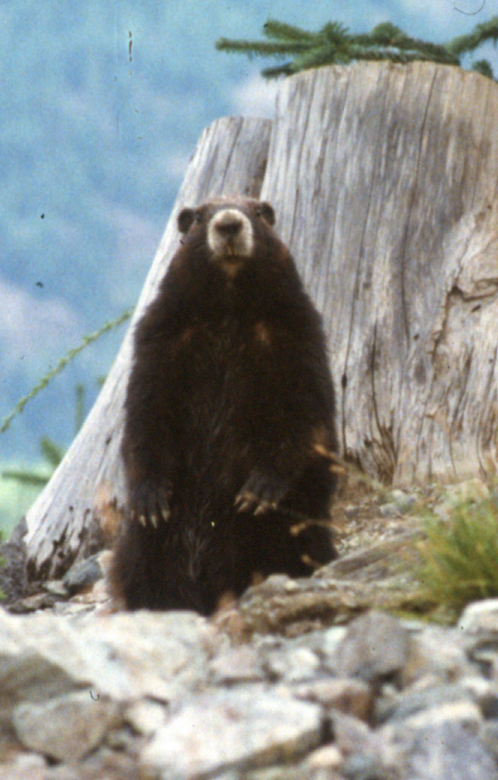
May 28, 2019. By Grant Keddie. Introduction Marmots were hunted in many parts of British Columbia for their furs and their fat content. Both Coastal and Interior peoples went into the mountains every fall to hunt them. Some First Nations continue to hunt marmots. See Appendix 1, First Peoples and Marmots of British Columbia, for a detailed overview of the role of marmots in Indigenous societies. Deadfall traps and snares of various sizes were used for catching most species of mammals as well as birds. There are several types and sizes of artifacts in this general category of trap devices that were used by the Tlingit and their inland relatives for trapping mainly marmots and ground squirrels. Small deadfall trap … Continue reading “Marmot Trap Triggers in the Royal B.C. Museum Ethnology Collection”

A First Nations Shell Midden on Raymur Point, Victoria Harbour

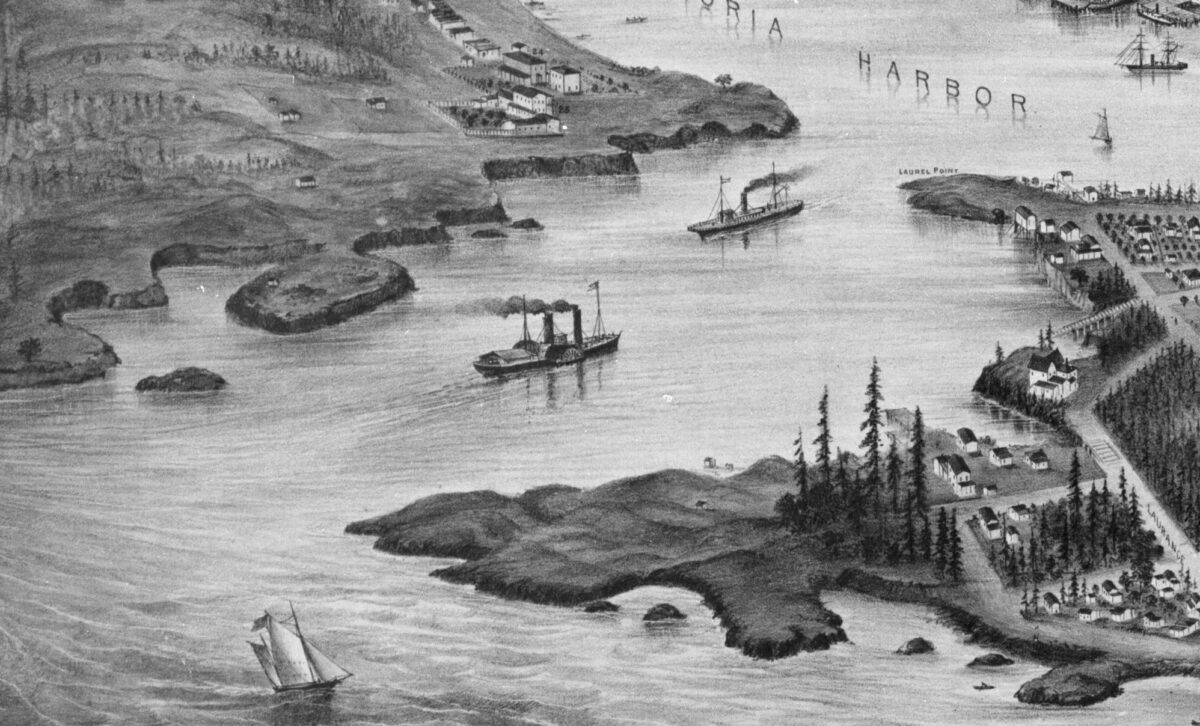
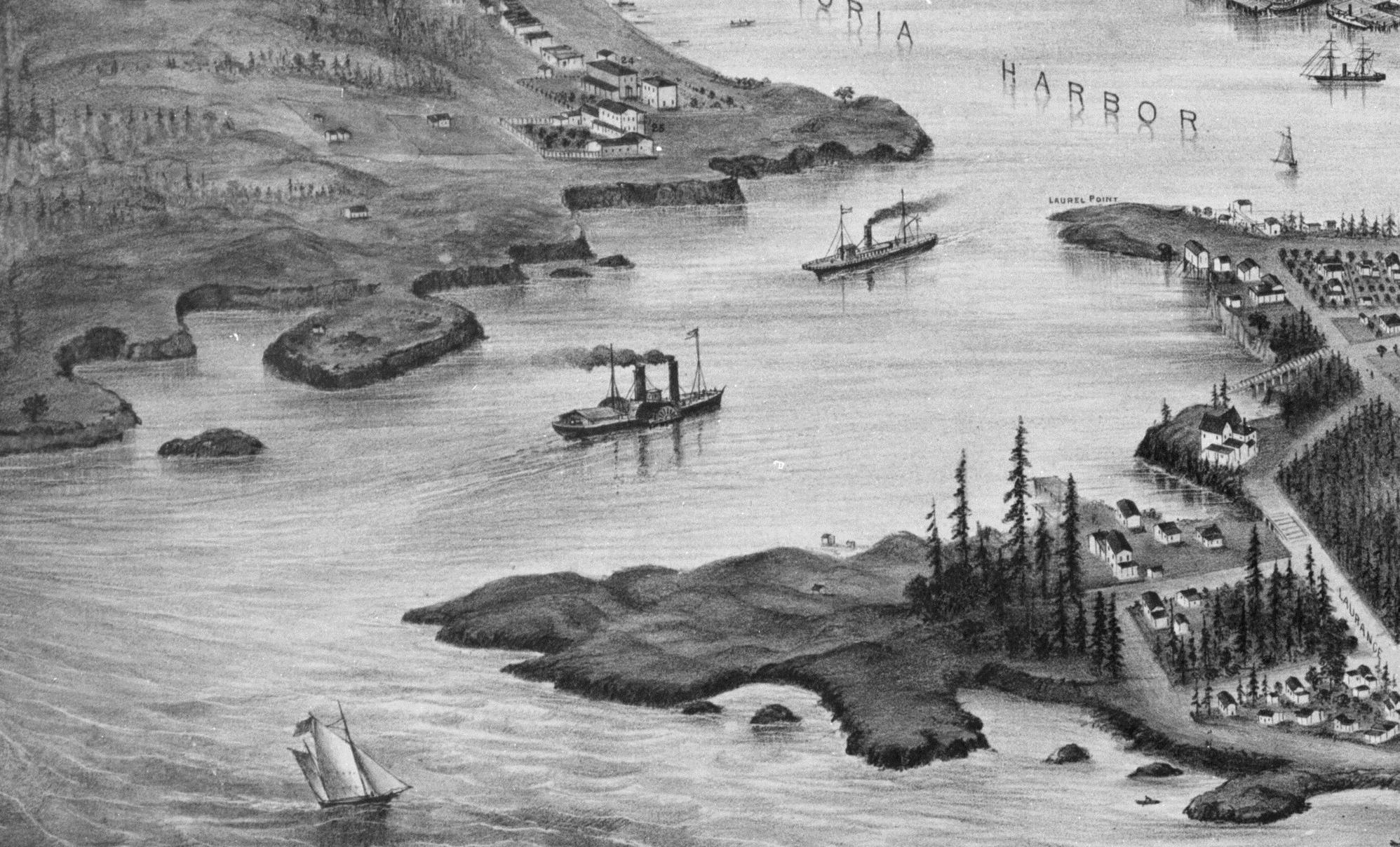
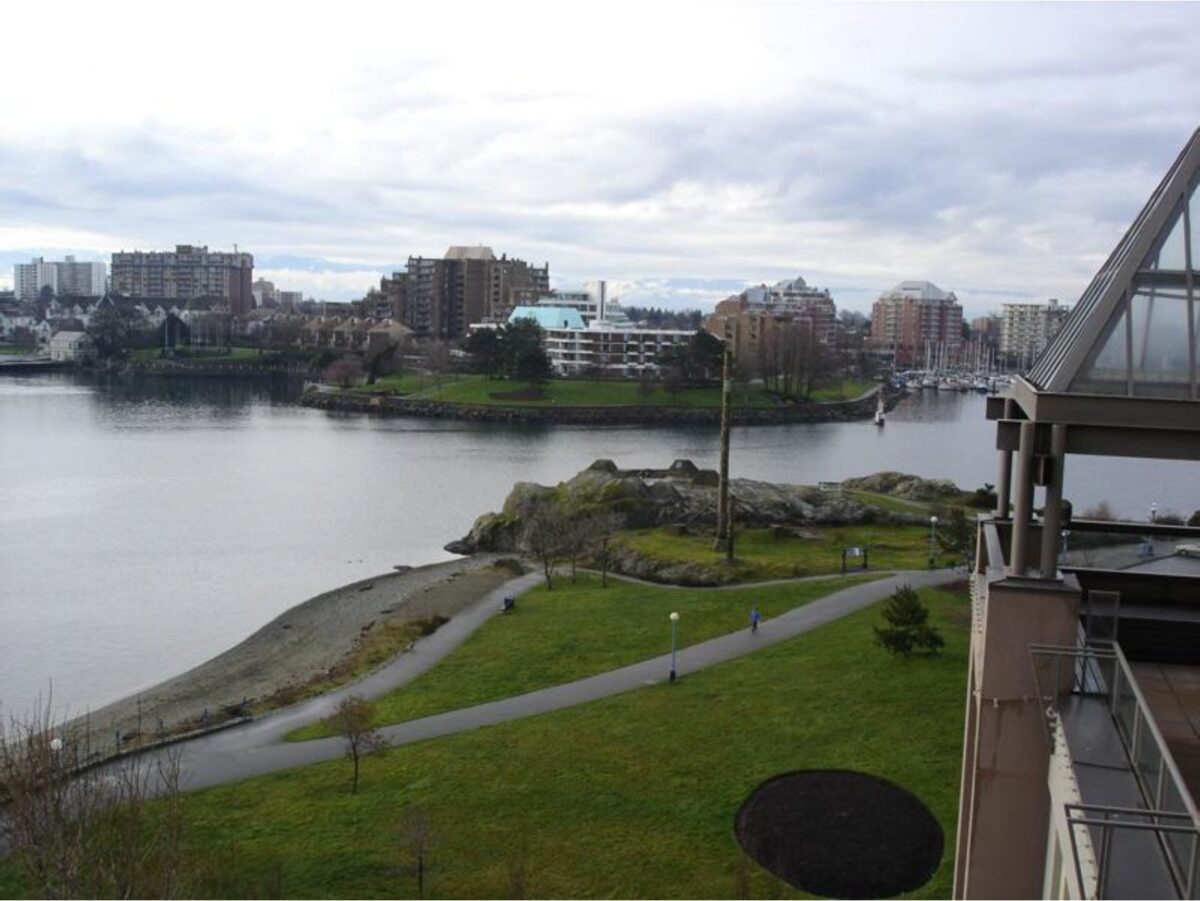
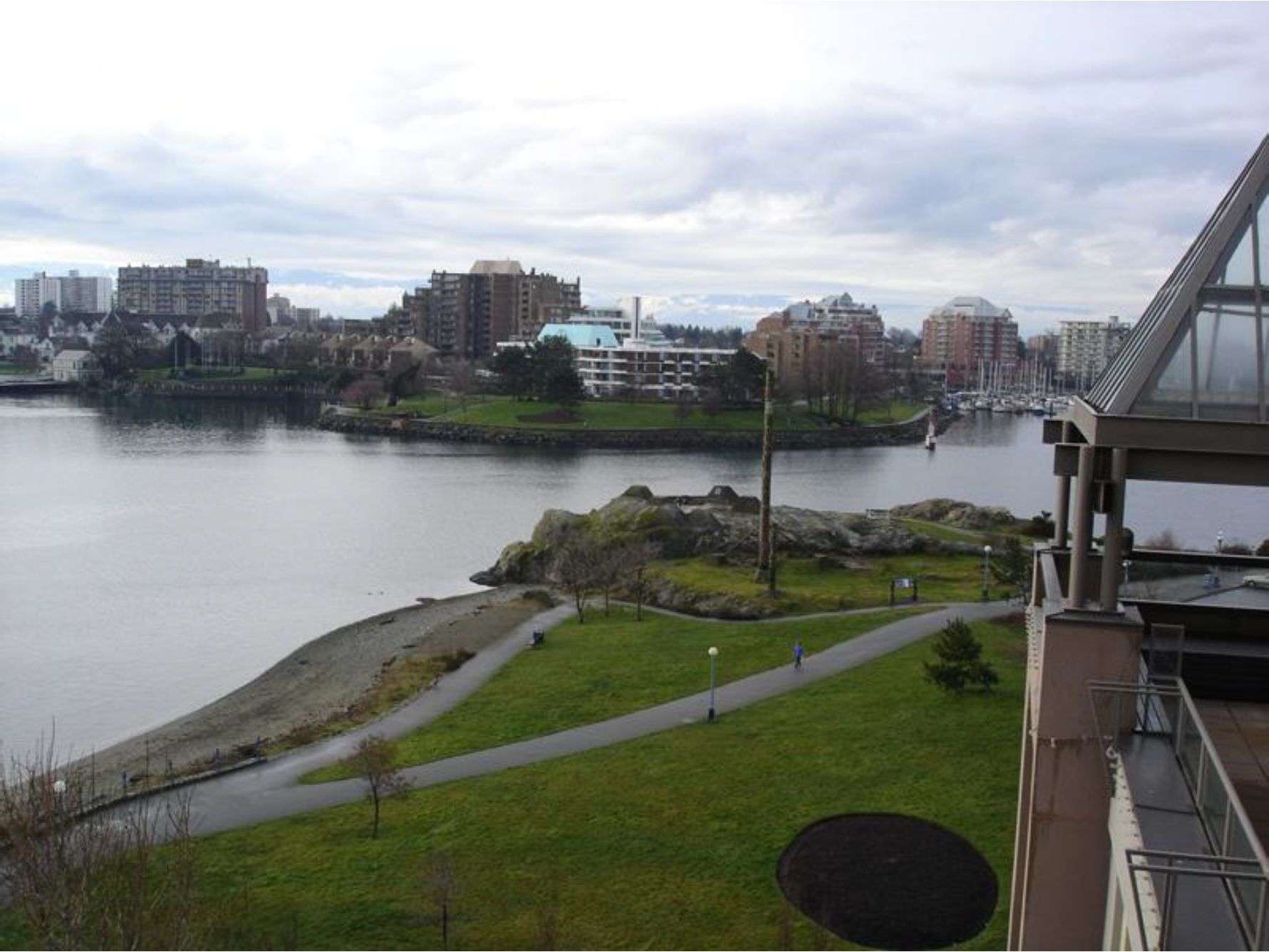
September 11, 2017. By Grant Keddie There is an ancient archaeological shell midden – the refuse from what was once, at least, a seasonal camp on Raymur Point at the intersection of St. Laurence Street and Kingston Avenue. Raymur Point is a raised bedrock peninsula on the south side of Victoria’s inner harbour located to the west of Laurel Point and at the east end of Fisherman’s Wharf. The site was not occupied by First Nations in historic times and appears to have had a limited occupation in the distant past. The midden location, known as Archaeological site DcRu-33, includes the extreme northern extension of the point and the shoreline along the wider section of the point extending along the … Continue reading “A First Nations Shell Midden on Raymur Point, Victoria Harbour”

Charles Newcombe’s Visit to Paul Kane’s Klallam Village of I-eh-nus

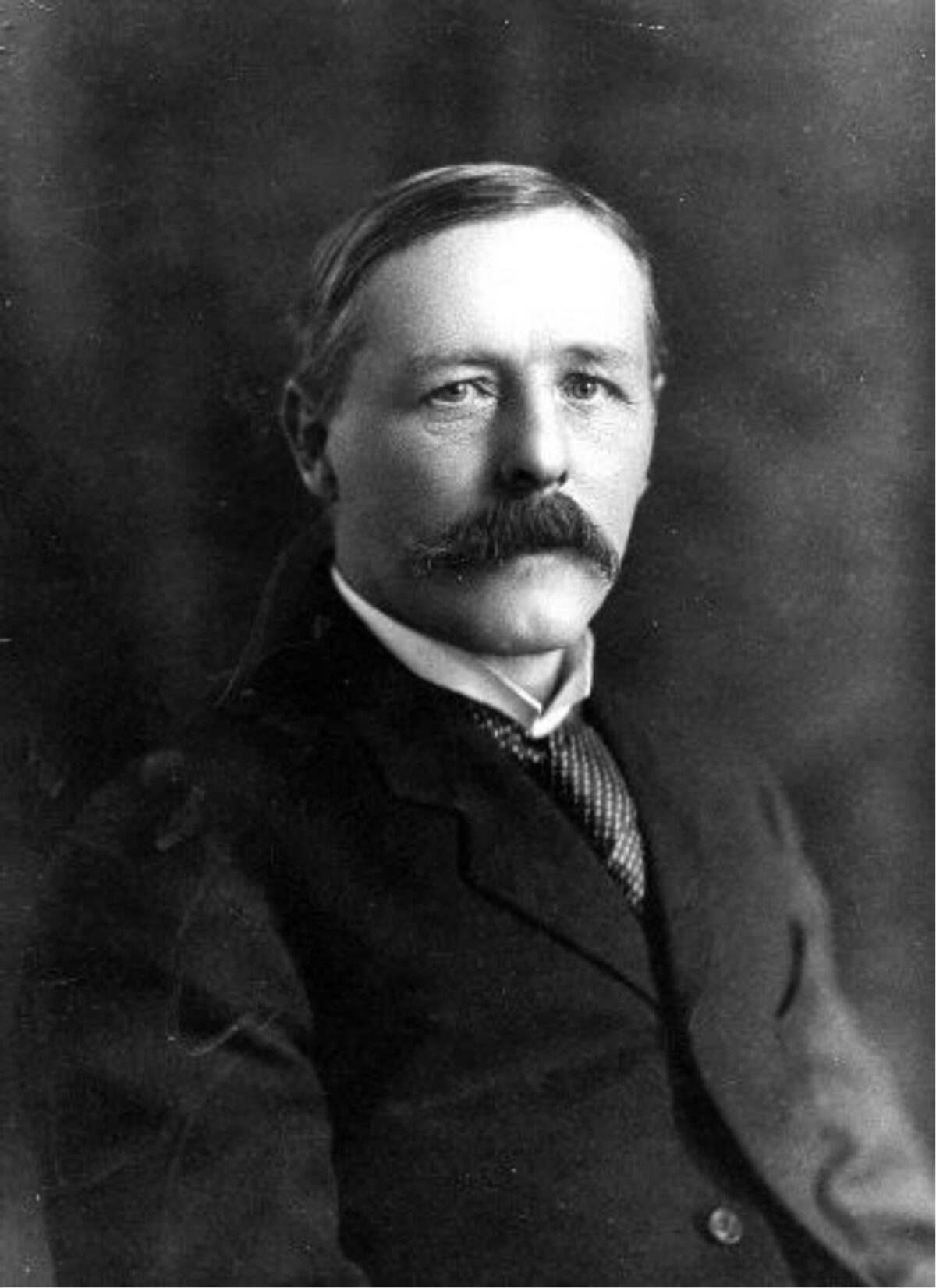
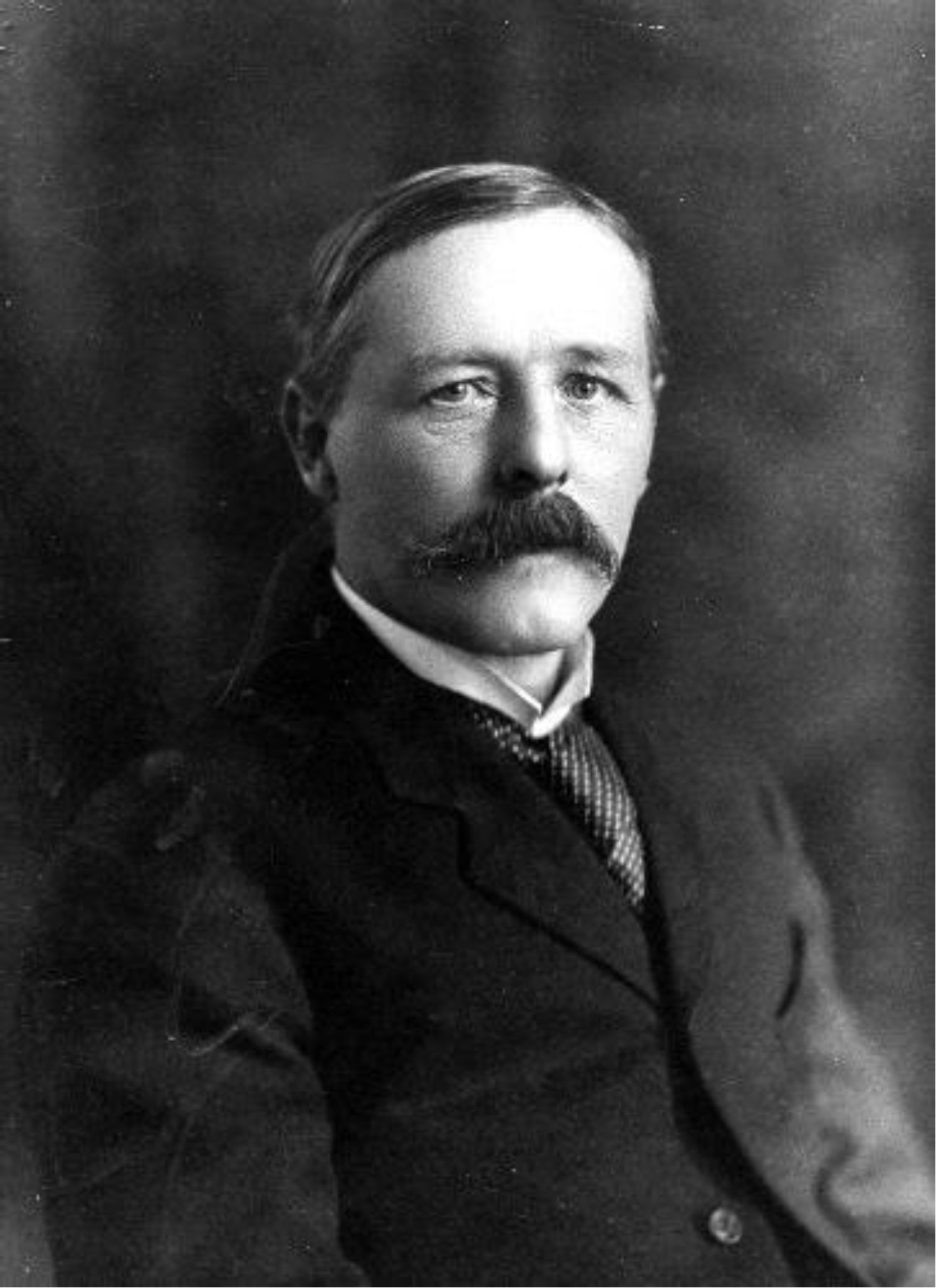
January 17, 2019. By Grant Keddie Dr. Charles Newcombe played a major role in the development of the Royal B.C. Museum ethnology and palaeontology collections (figure 1). He left behind four of his own interesting photographs that were missing the details of their context. Here, I present the story behind these images. Newcombe was fascinated by the Northwest Coast paintings of the famous Canadian painter Paul Kane. In 1904, Newcombe traveled to the University of Toronto where he photographed some of the Kane paintings from the Sir Edmund Osler private collection that were on loan to the University. Newcombe was keenly interested in Kane’s composite oil painting – then labelled as No. 84 (now ROM912.1.84). This painting was made from … Continue reading “Charles Newcombe’s Visit to Paul Kane’s Klallam Village of I-eh-nus”

Bird Leg Rings on the Northwest Coast?

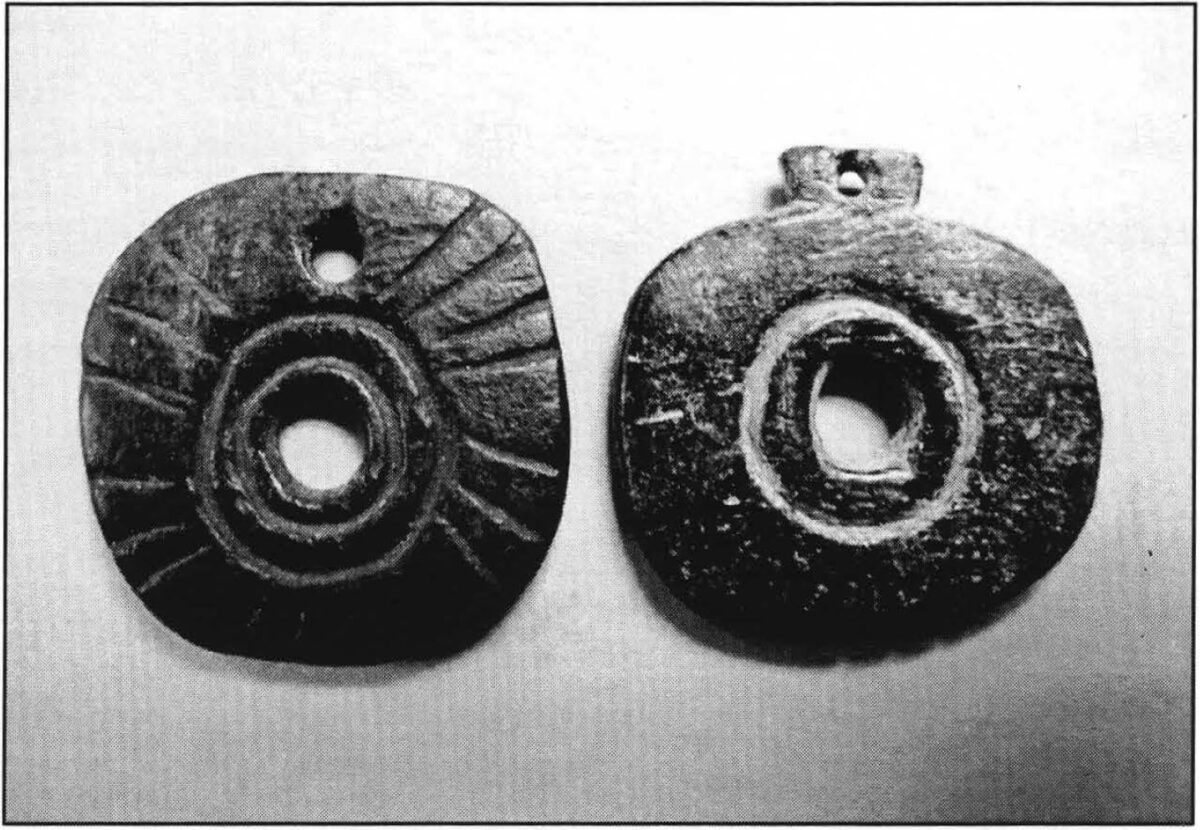
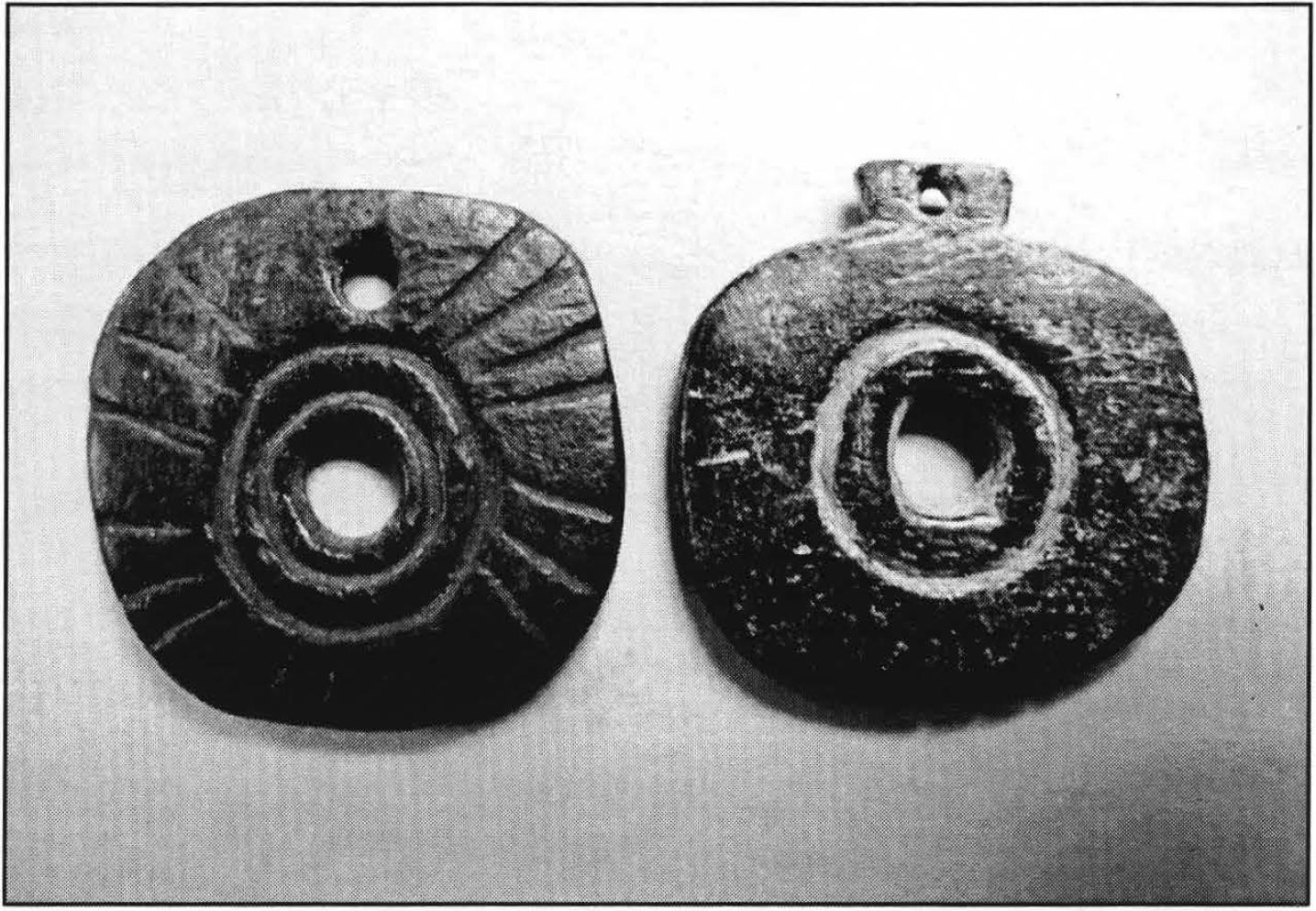
January 30, 2011 By Grant Keddie There are a variety of small artifacts found on the Northwest Coast that are often assumed to be forms of body adornment. Some of these likely had other functions. Three examples described here might normally be assumed to be pendants, I think we should consider the possibility that these may have been used as bird leg rings for holding live decoy birds or pets. A common type of artifact in Polynesia is the kaka poria or bird leg ring made of stone or whale, bird and human bone. They were used to hold tame kaka birds (Nestor meridionalis) as a decoy for capturing wild birds in the forest (Phillips 1955:145). The leg of the … Continue reading “Bird Leg Rings on the Northwest Coast?”

A Well Curated Perspective On BC Archaeology

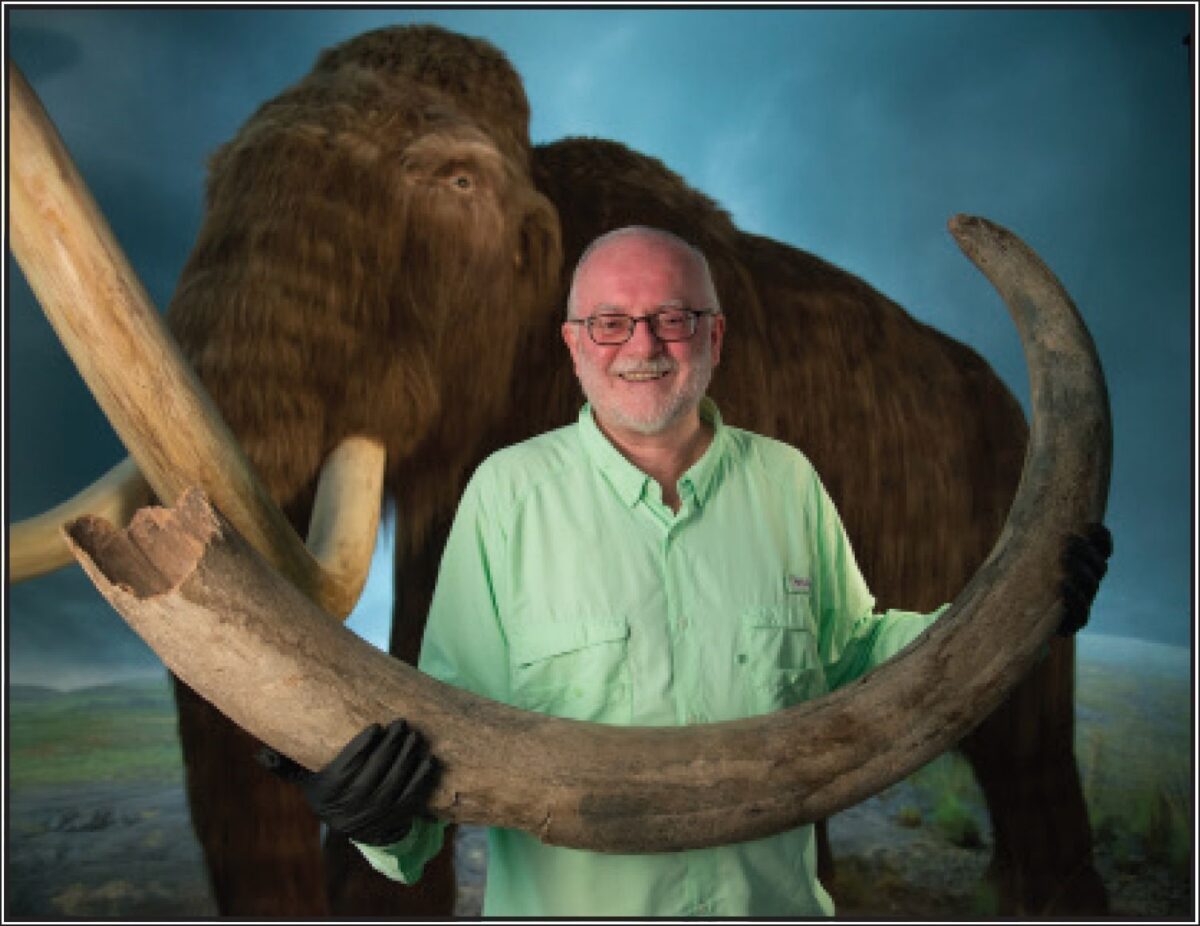
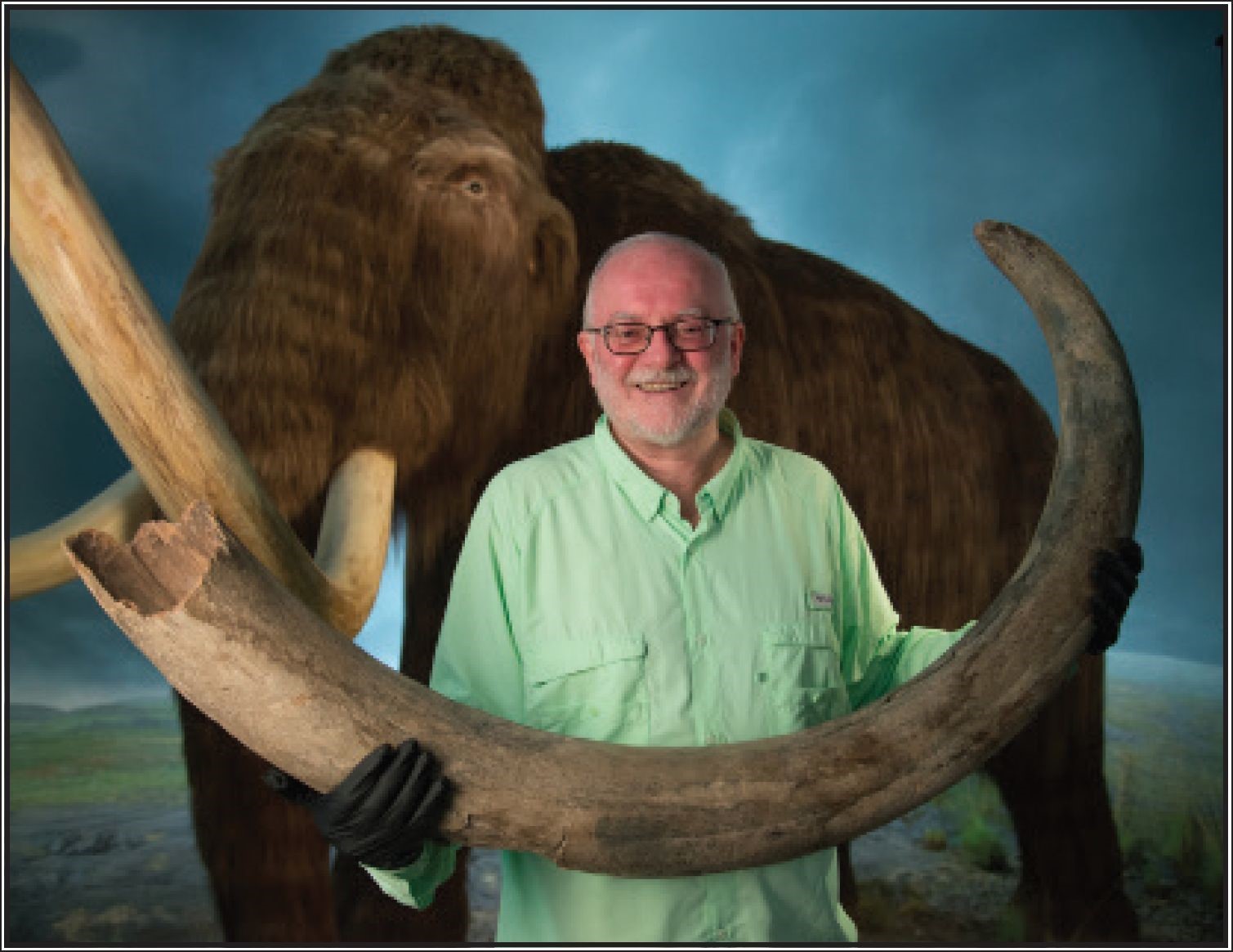
This issue of The Midden highlights accomplishments of Grant Keddie, Royal British Columbia Museum (RBCM) curator of archaeology. Grant has recently been honoured with a public service award celebrating fifty years of archeological service in British Columbia. Grant was also the recipient of the Queen’s Jubilee Medal in 2012 for his contributions to archaeology. The Midden took this opportunity to interview Grant, select topics of interest of which he has written, and dredged up a list of archived Midden articles from past issues.

Spirited Divers and Spirited Diggers

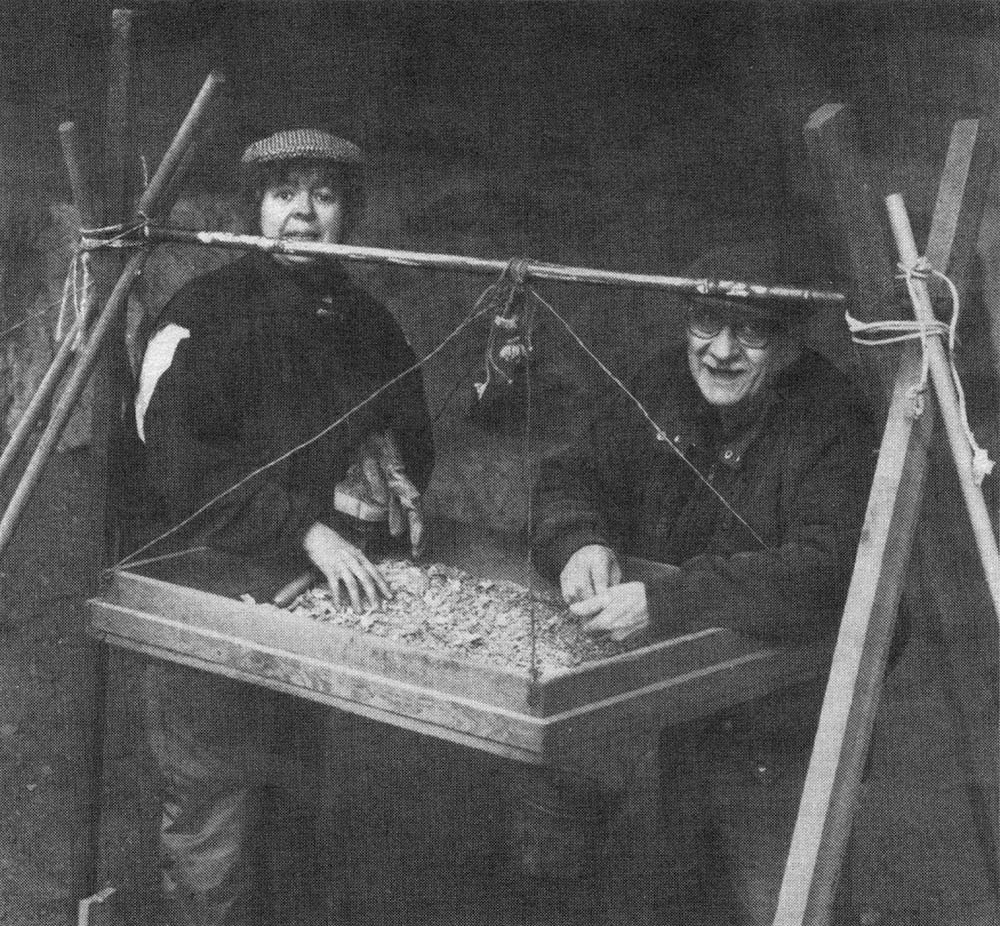
Originally Published in The Midden, 23(3), 6-7. June 1991. By Grant Keddie Introduction  THE PICTURESQUE Gorge narrows near Victoria is a place where native Songhees dove deep into the water to gain special spirit powers. Here, at the beginning of time, Halys the transformer-being turned a young girl named Camossung into stone. Her name survives today as Camosun College and Camosun Street. Just above the reversible falls caused by the shifting tides, members of the Victoria chapter of the Archaeological Society of B.C. dig into the oldest recorded shell midden on southern Vancouver Island. Two years ago, a small area of the South Gorge Bridge shell midden /DcRu 5) was exposed during construction of a walkway under­neath the Tillicum Road … Continue reading “Spirited Divers and Spirited Diggers”

Fireweed Clothing. Evidence of Its Use by the Snuneymuxw First Nations of Vancouver Island.

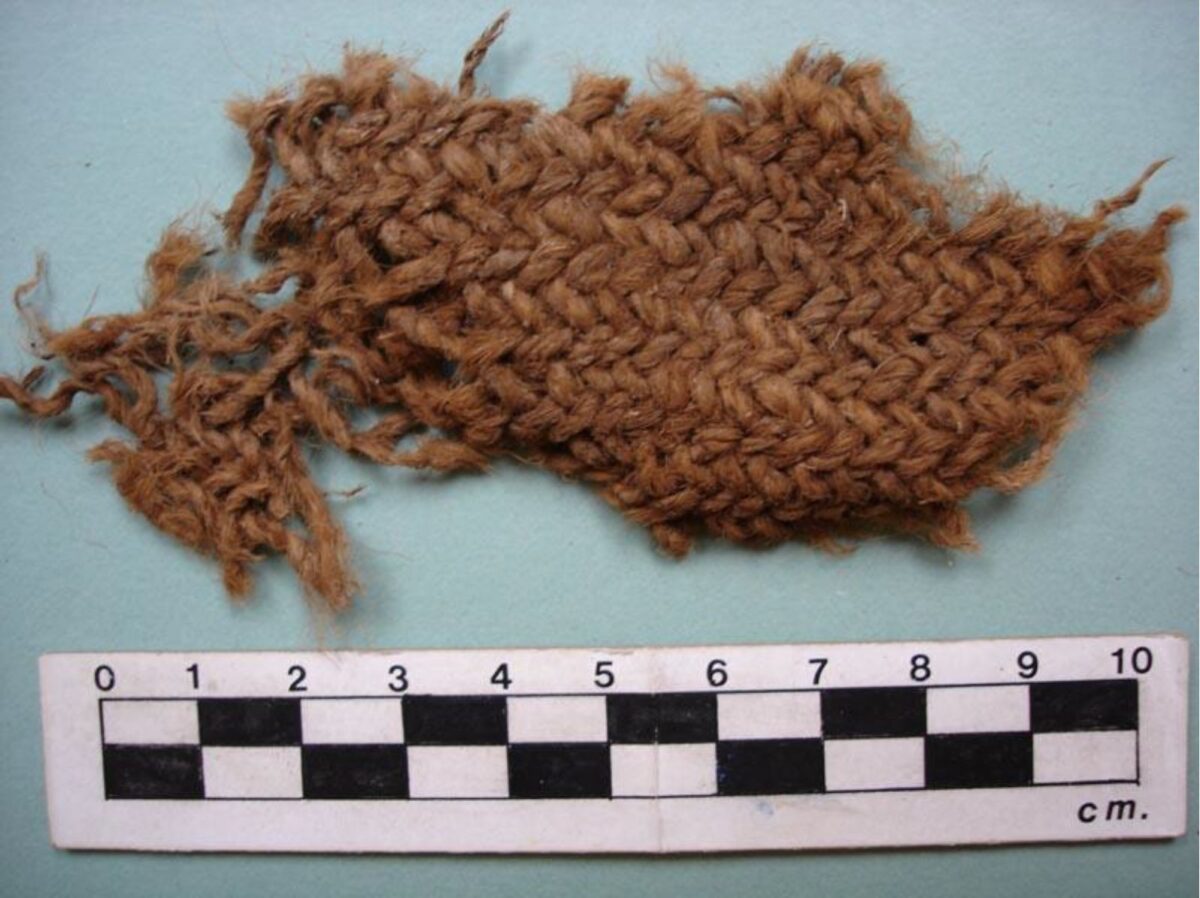
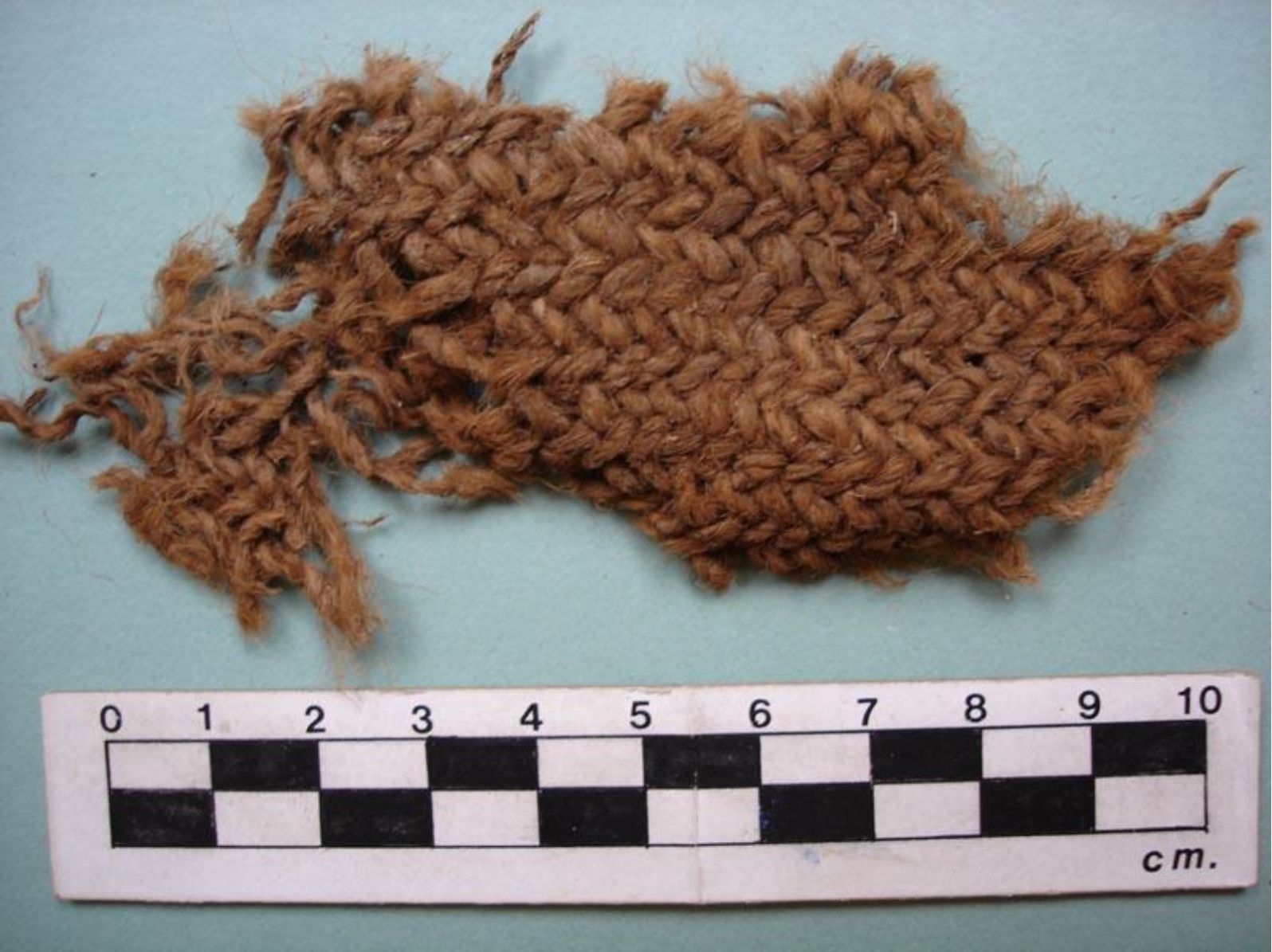
Originally Published in The Midden, 46(3&4), 14-17. By Grant Keddie.  2016 Small fragments of woven material were found along with other items in a burial cave site on Gabriola Island in 1971. The Burial remains and associated artifacts were brought to the (then) Provincial Museum to protect the material that was being removed by unknown persons. Artifacts found in the cave included bracelets of copper and brass, shell pendants, a stone bead, a green glass wire wound Chinese made bead, a woven rattle head and bark matting, in addition to the small fragments of unidentified woven material. This assemblage of material suggested that the woven material likely dated to around the late 18th to early 19th century. In 2001, the … Continue reading “Fireweed Clothing. Evidence of Its Use by the Snuneymuxw First Nations of Vancouver Island.”

The Historic Village of the Clallum and Kosampson.

2012. By Grant Keddie James Teit, working with Clallum consultants in 1907-10, was told there was: “A village of them formerly in Victoria” and that “they were closely related to the Songhish” (Teit 1910). This location would be the “Clallam Village” referred to by the editor of the Weekly Victoria Gazette on August 28, 1858. It was located in the community of James Bay, west of the Legislative buildings and just to the east of Laurel Point. It can be estimated to have been occupied about 1847-1855. This village contained Clallam people from the Olympic Peninsula, and some of the Sapsom or Kosampson people of the 1850, Douglas Treaties. The Clallam may have located here by right of intermarriage with … Continue reading “The Historic Village of the Clallum and Kosampson.”