Projectile Points from Southern Vancouver Island

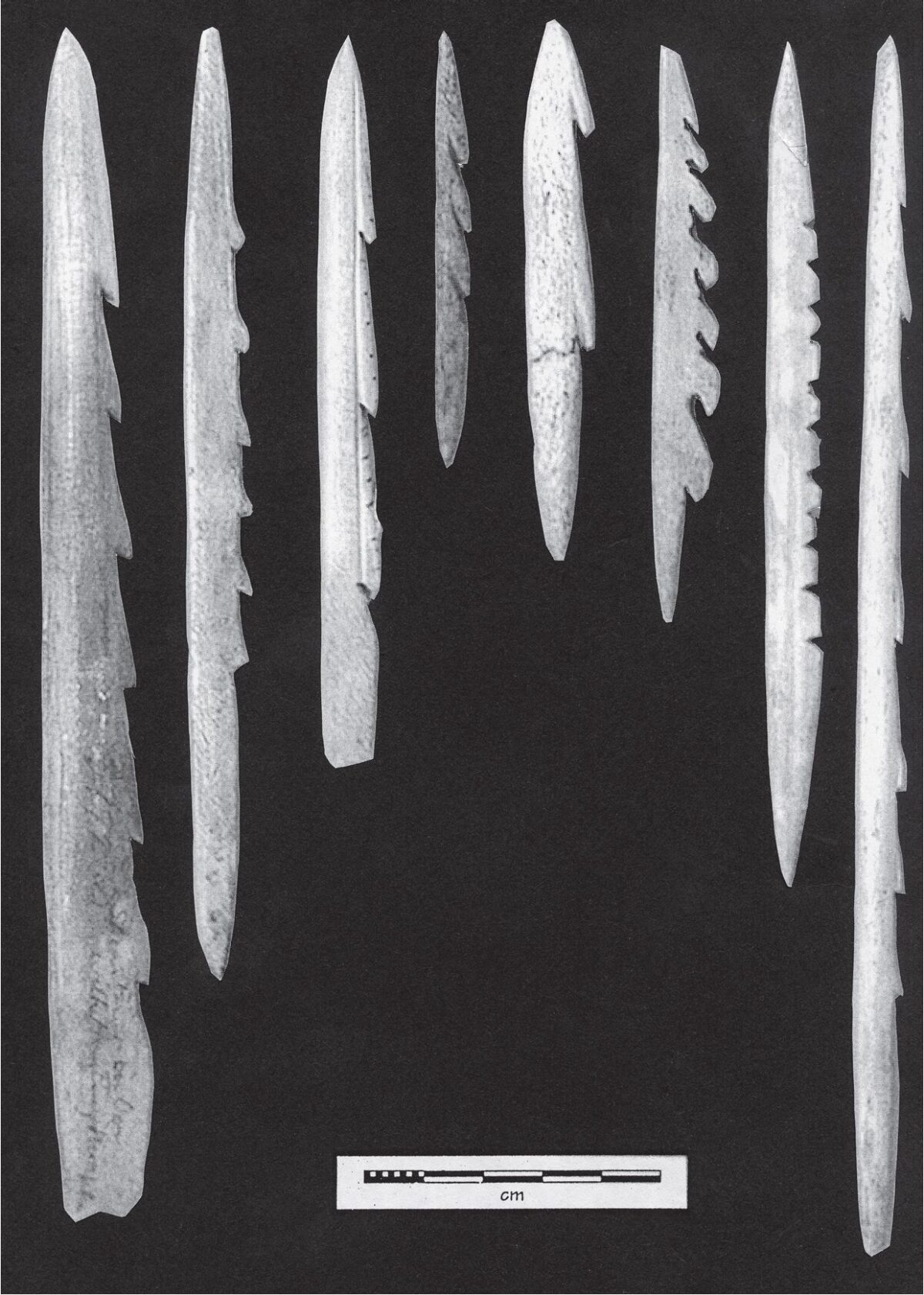
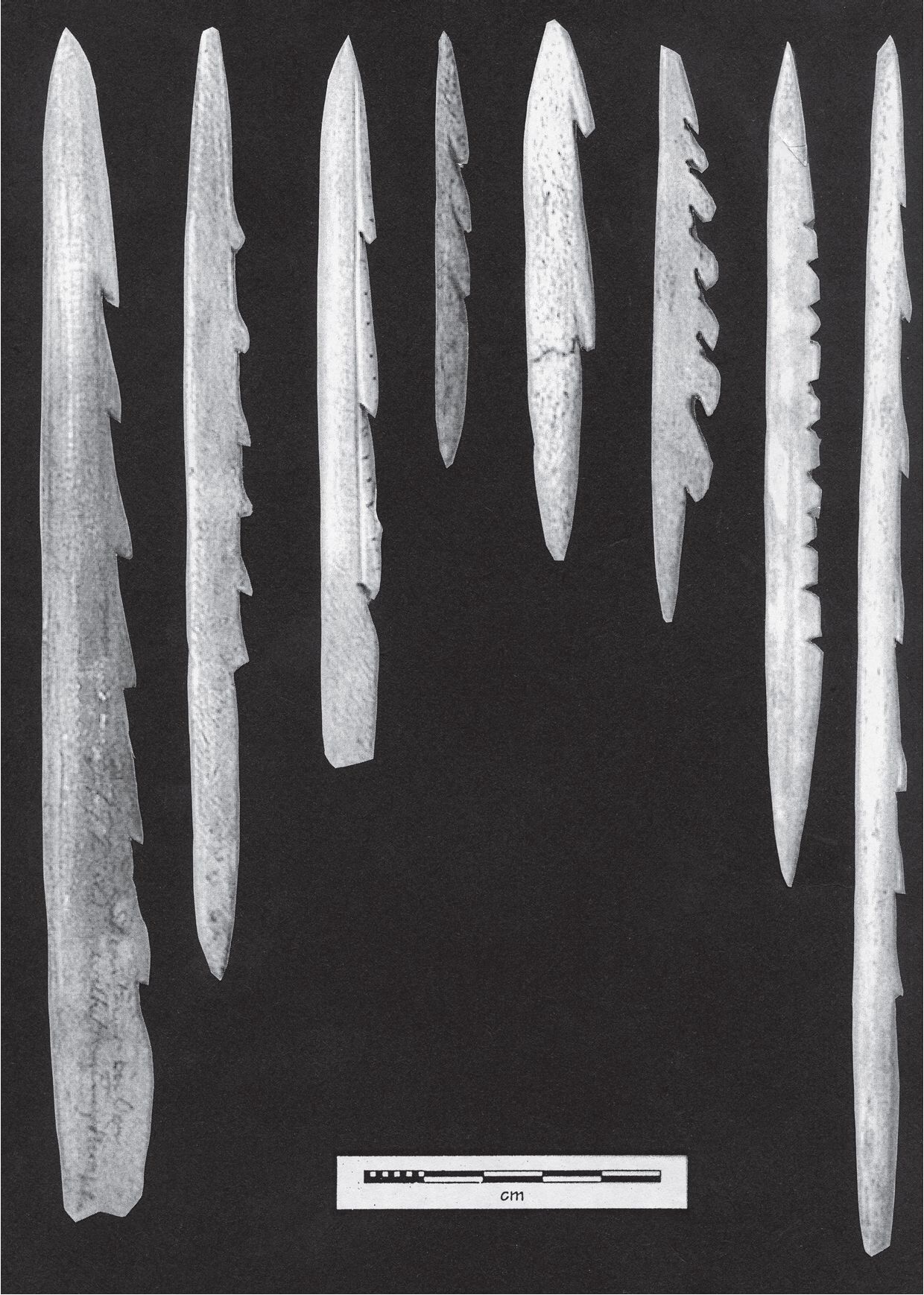
Originally published in Projectile Point Sequences in Northwestern North America, 79-86. 2008. By Grant Keddie Introduction Although projectile points can only be fully under­stood in the larger context of all forms of projectile heads, this chapter will focus on chipped stone points. Unfortunately the lack of enough detailed radiocar­bon sequences that include sufficient samples of com­plete stone projectile points are lacking. Some of the information presented here must of necessity be based on before and after dates. Projectile points of a variety of types are found among the buried cultural debris in First Nations sites on southern Vancouver Island. These include the arming points for spears, harpoons and arrows. Spears with fixed point(s) include types that can be hand-throw, or … Continue reading “Projectile Points from Southern Vancouver Island”
Social Patterning in “Rock Art”
And Other Symbolic Objects of the
Interior Salish

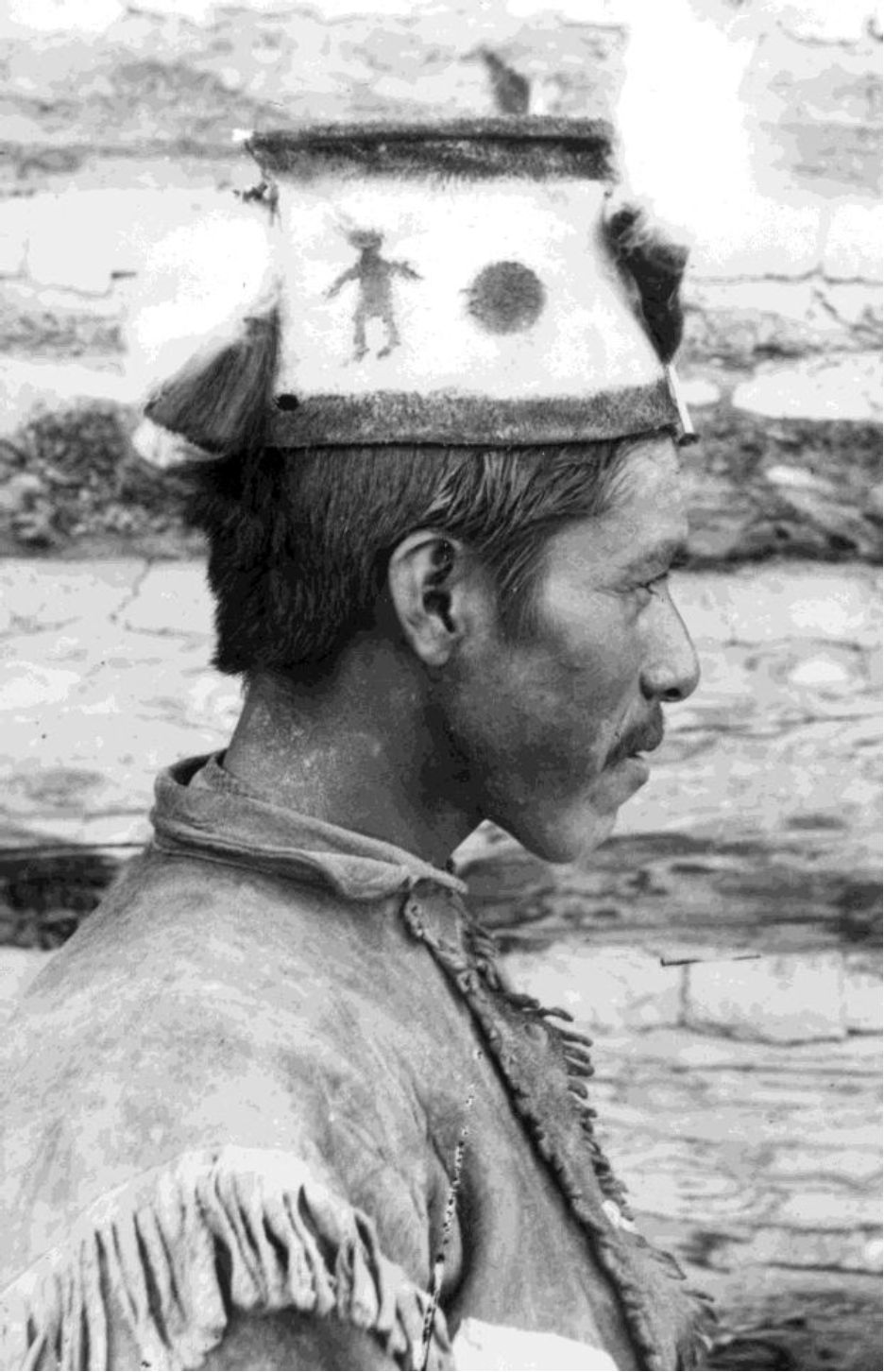
1974. By Grant Keddie When undertaking the analysis of the organizational and symbolic content of rock art one would assume that the first step would be to base such studies on a locally derived ethnographic model. Such is often not the case as one still reads statements to the effect that rock art cannot be interpreted as it is the product of some individual psychic experience. If one takes the time to read the existing literature it is clear that most rock art representation is a product of specific kinds of social conditioning. The imagery of the art is not a random factor but a culturally controlled and cultivated phenomena. Among the Interior Salish spirit identity and the power, which a spirit gave, were associated with visible fabricated … Continue reading “Social Patterning in “Rock Art”
And Other Symbolic Objects of the
Interior Salish”

Petroglyphs, Heaven and Earth

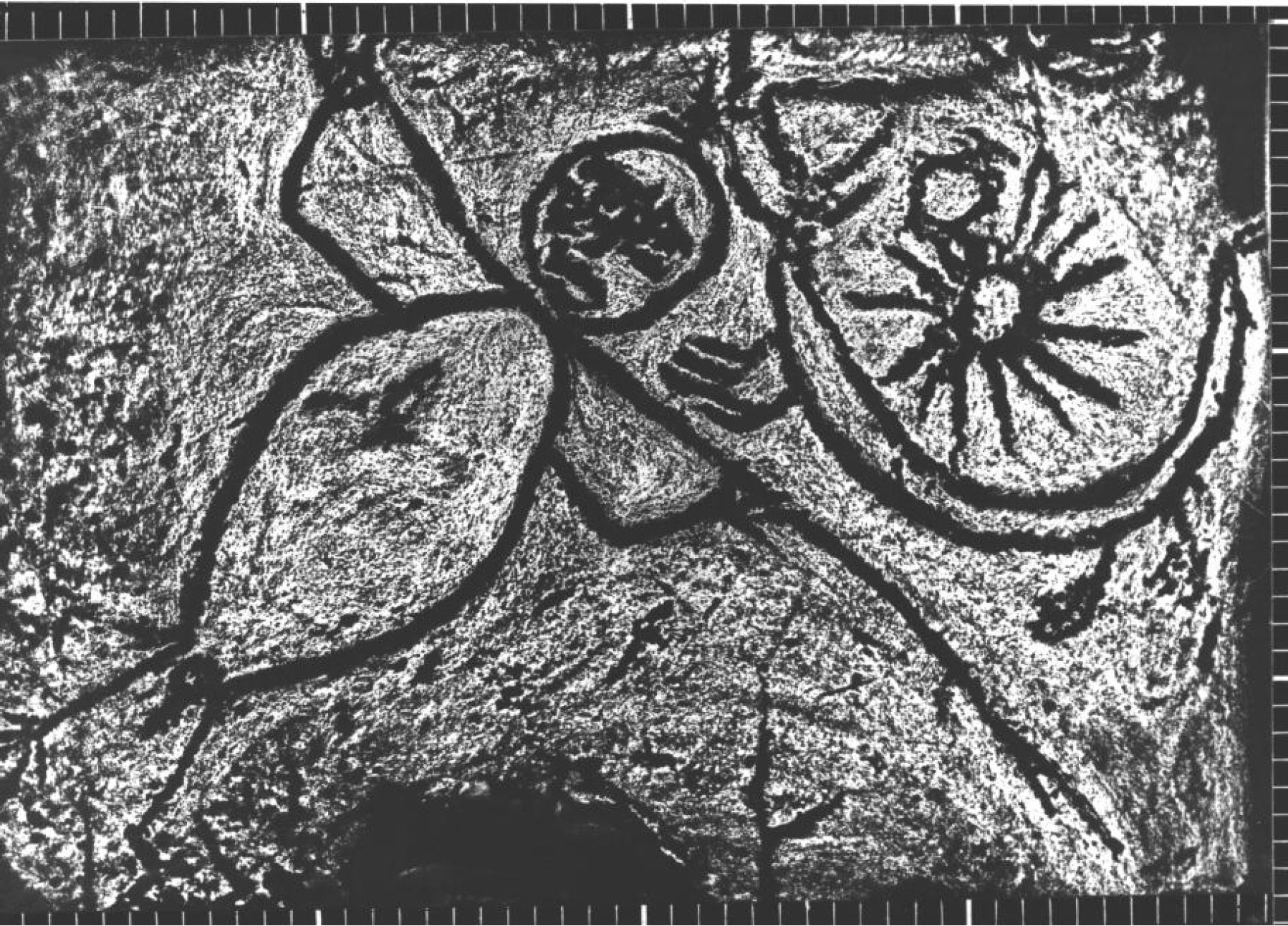
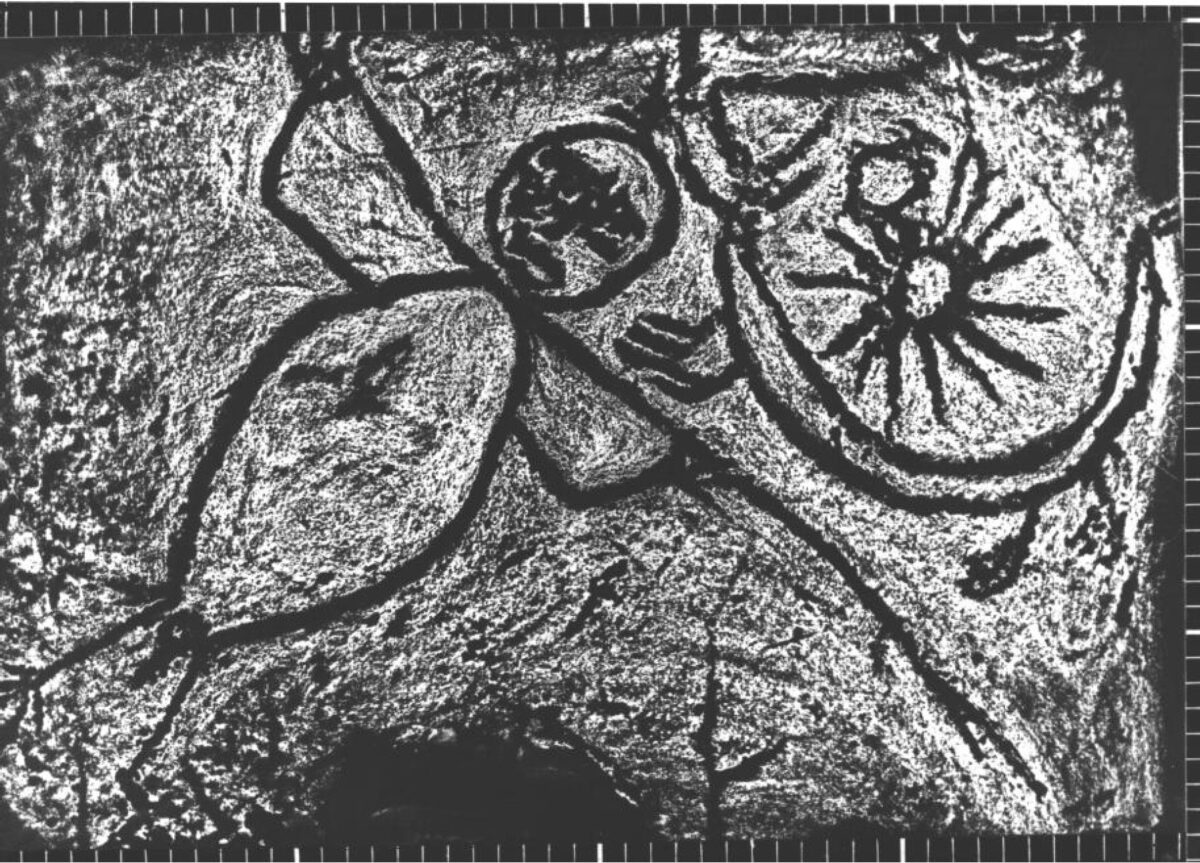
By Grant Keddie For up to thousands of years, figures have been carved in stone along the beaches and in forests stretching around the Pacific Rim from California to China. Some of the human face and animal design elements found in British Columbia show interesting parallels with those found along the coast of Siberia. One of the most common questions I am asked in regard to these rock carvings or petroglyphs is what are they, and what do they mean? Were these designs pecked into the rock by a shaman for a special purpose? We cannot understand these images by trying to analyze them from the perspective of our modern culture. We need to look to traditional aboriginal cultures that … Continue reading “Petroglyphs, Heaven and Earth”

Hunting the Devil

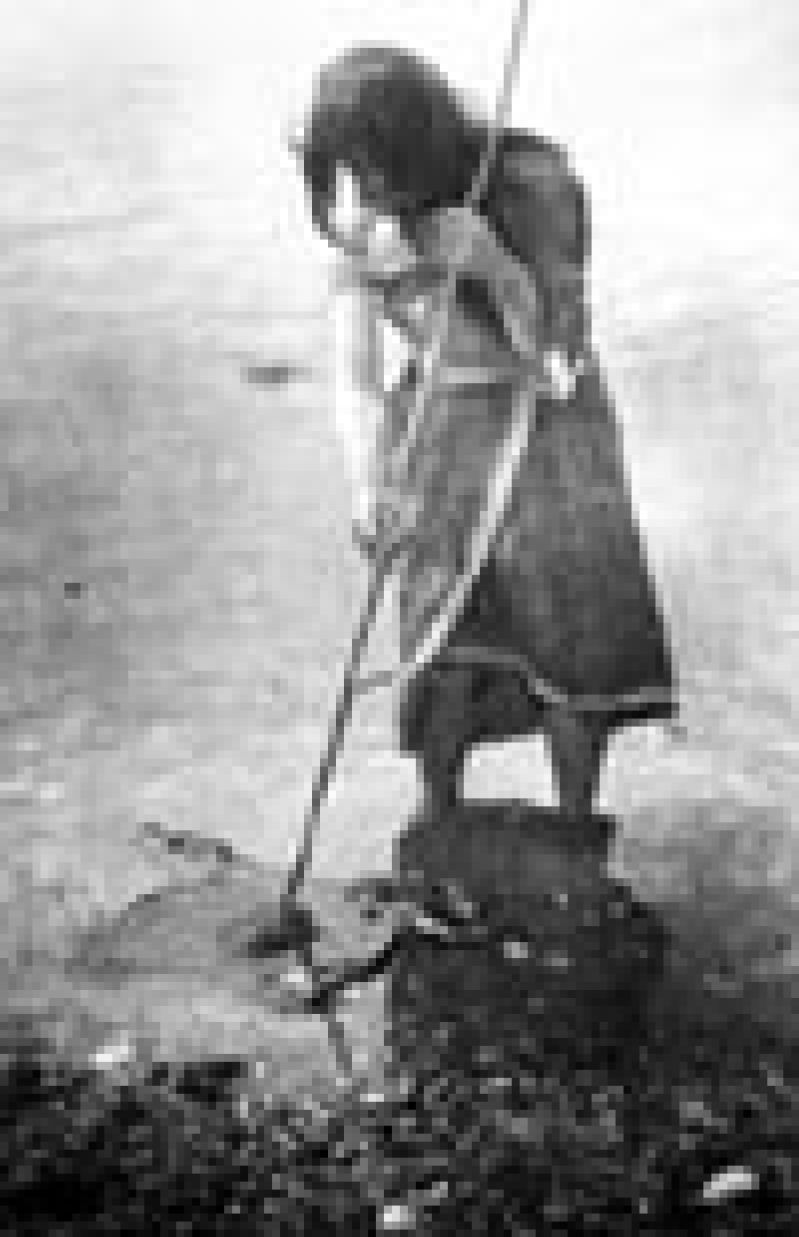
By Grant Keddie Aboriginal peoples, from the central coast of British Columbia to SW Alaska, represent the octopus in their art, myths and ceremonies. All First Nations peoples living along the coast also ate octopuses, which are high in protein. But while there are many historical accounts of skinned octopus arms being used to bait hooks for halibut fishing, there are few descriptions that have been uncovered about where and how octopuses were caught. Some accounts have been found for the south end of Vancouver Island. In 1951, James Fraser of the Songhees told anthropologist Wilson Duff that the “big rock” in Gonzales Bay was called “devilfish rock” and “If you touch that rock, devilfish come up.” It was also … Continue reading “Hunting the Devil”

David Latasse

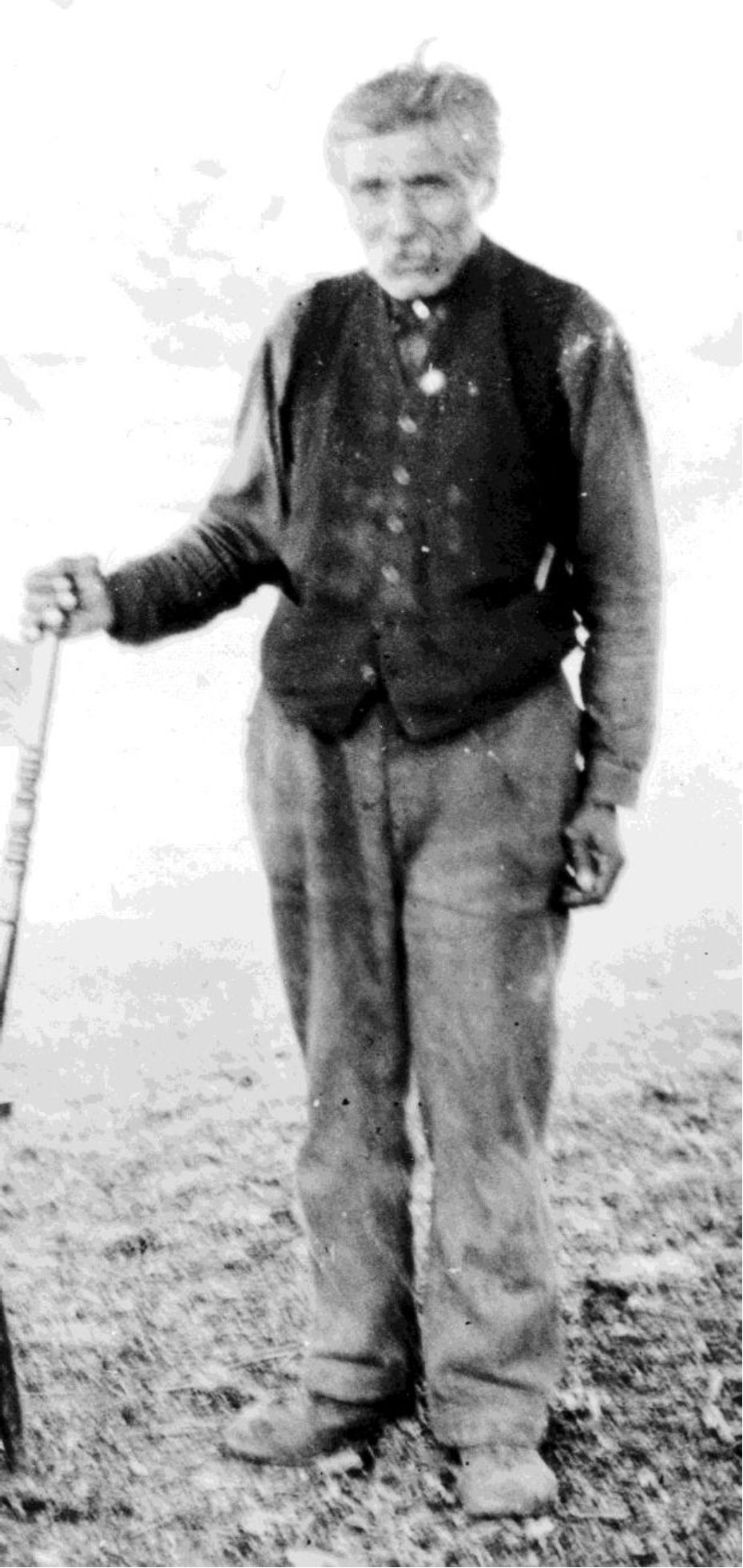
David Latasse. Of Saanich and Songhees Heritage Piecing together Outsiders Views 2016. By Grant Keddie David Latasse was a Tsartlip (W_JOLELP) First Nation. They are part of the Saanich (W_SANEC) peoples whose territory is centered on the Saanich Peninsula and southern Gulf Islands. Latasse gained notoriety from 1927-1936 as a speaker in his native language at ceremonies, the subject of an early movie maker and as a source of information via translators for newspaper reporters and at least one anthropologist. He was born about 1858-1863 and died May 2, 1936. For most of his life he lived near his mother’s relatives on the Tartlip Reserve located on the Saanich Peninsula north of Victoria. We are fortunate to have letter that was dictated by Latasse himself and addressed to the … Continue reading “David Latasse”

Changing the Weather in Songhees Tradition

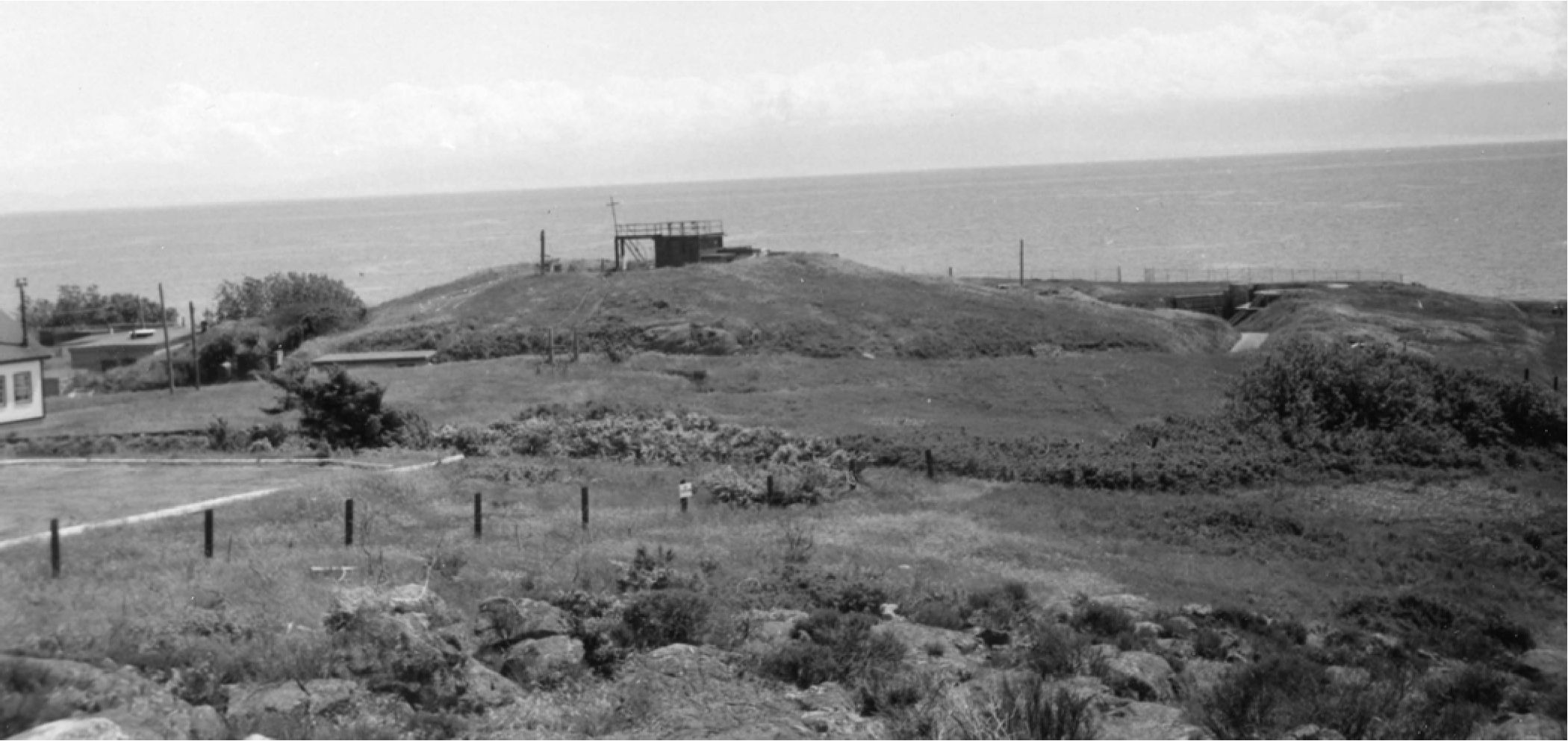
2012. By Grant Keddie Special rocks were used in rituals by First Nations to change the weather and ensure safety in venturing out in pursuit of food or to create unsafe conditions for one’s enemy. One of these locations was recorded by Anthropologist, Franz Boas as being “not far” from the military gun batteries at Finlayson Point in Victoria’s Beacon Hill Park. First Nation advisors indicated that: “If a man desires a certain wind he moves one stone a very little from its place, each stone representing one wind. If he should move it too much the wind would be very strong” (Boas1991:578). It is uncertain whether these were special stones used for this purpose or whether they were some … Continue reading “Changing the Weather in Songhees Tradition”

The Archaeology and History of Macaulay Point.

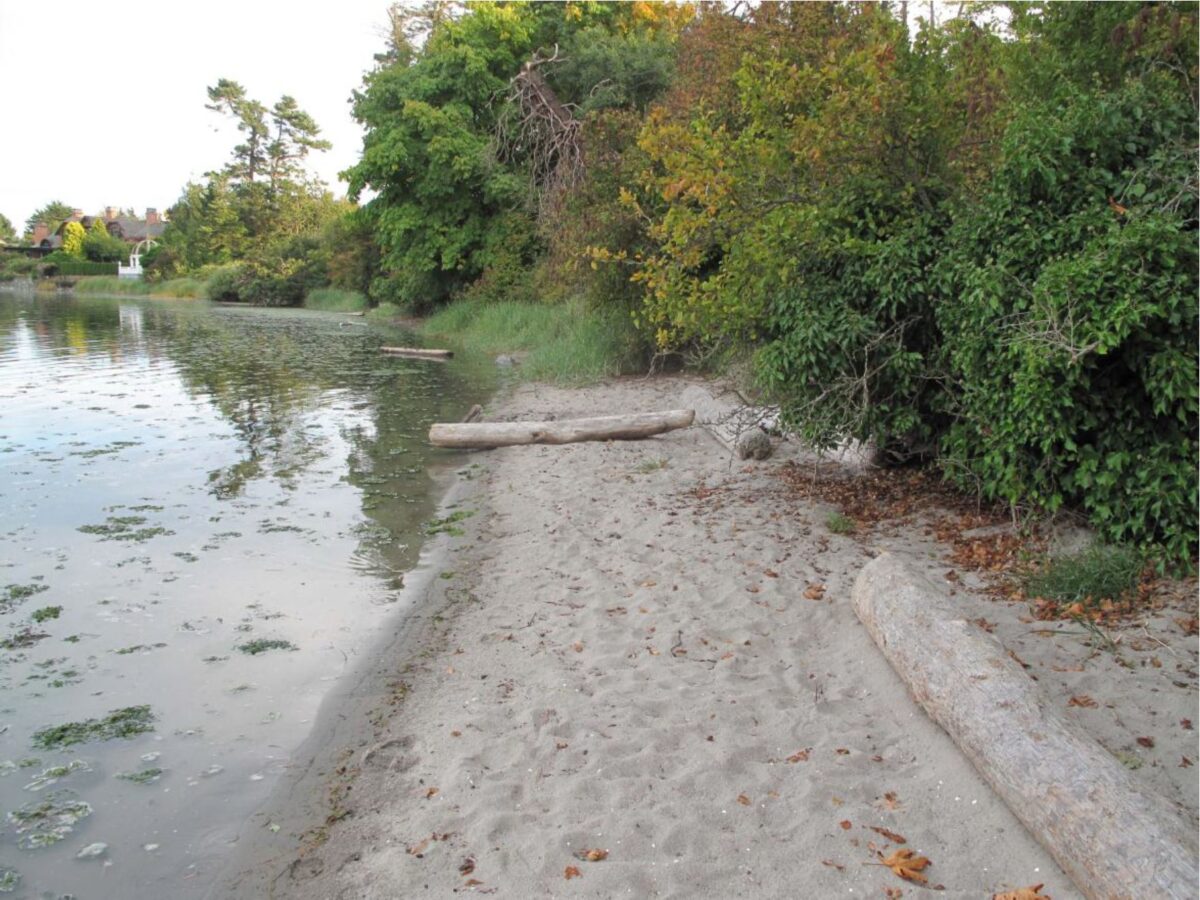
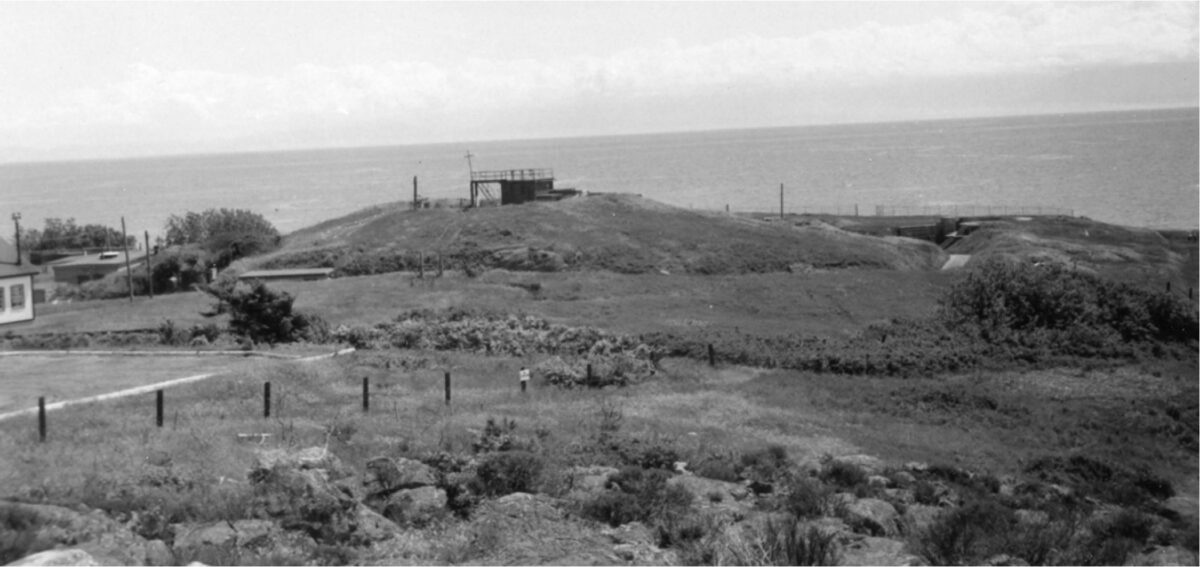
By Grant Keddie. Inspired by the Landscape As Donald Macaulay with his Tsimshian wife Margaret and the first four of their six daughters Mary, Flora, Catherine and Sarah, gazed out at the beautiful ocean view and the fields draped with blue camas, he must have been reminded of his native home on the Scottish Isle of Lewis. It was 1850, and Macaulay was bailiff of the new 600-acre Viewfield Farm owned by the Puget Sound Agricultural Company. Macaulay could hardly have known that this landscape would one day be named after him. Or that it would become a popular military camp in the late 1890’s, where Victoria’s citizens flocked to witness regimental demonstrations. Macaulay Point was first named Sailor Point … Continue reading “The Archaeology and History of Macaulay Point.”

Wooden Self-Armed Fishhooks from the Salish Sea.

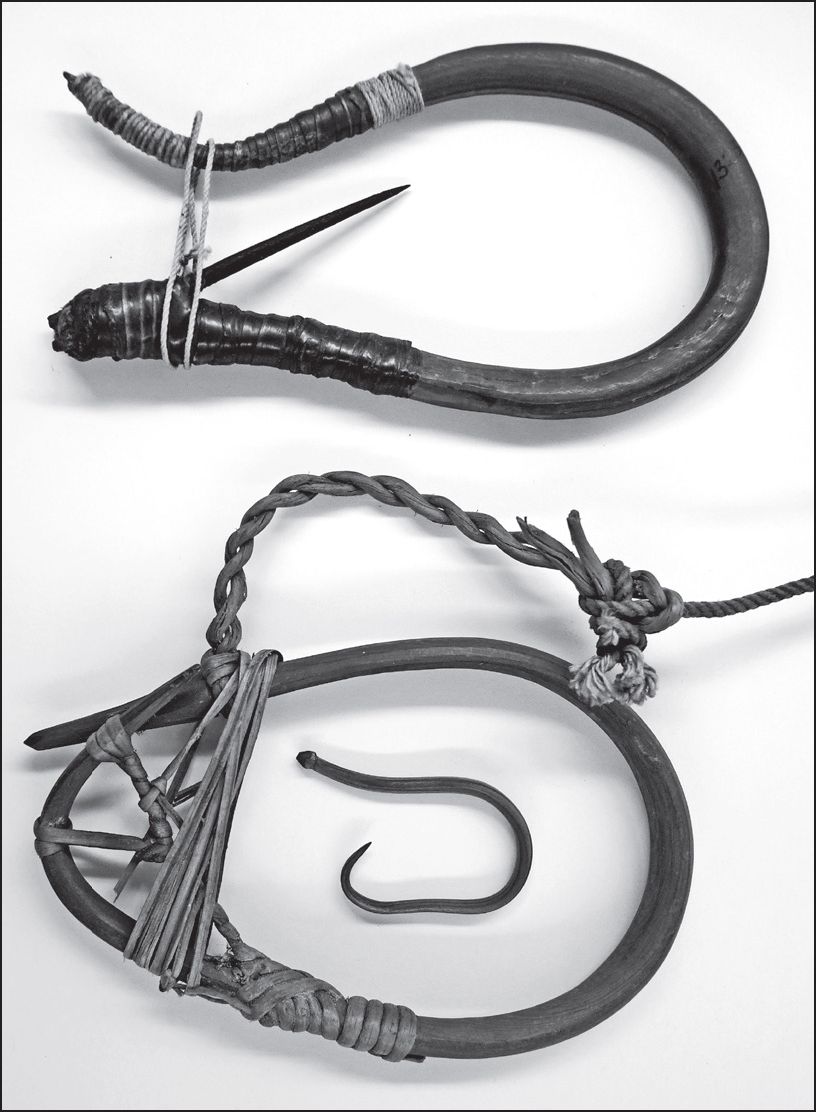
Chapter in Waterlogged: Examples and Procedures for Northwest Coast Archaeologists. Washington State University Press, Pullman, Washington, 2019. Edted by Kathryn N. Bernick. By Grant Keddie Wet sites contain many artifact types that link the archaeological and ethnographic records. Occasionally they also produce objects that do not match the known record. Here, I expand upon our knowledge of one unusual type, the self-armed wooden fishhook, and examine Croes’ (2003:52—55) hypothesis that the technology survived into postcontact times on the northern Northwest Coast but not in the south. This hypoth­esis assumes that self-armed wooden fishhooks were used for catching cod in both regions. However, ethnographic and ethnohistoric evidence for the northern coast indicates that self-armed wood hooks were used to catch sablefish rather than … Continue reading “Wooden Self-Armed Fishhooks from the Salish Sea.”

Wool Dogs of B.C.

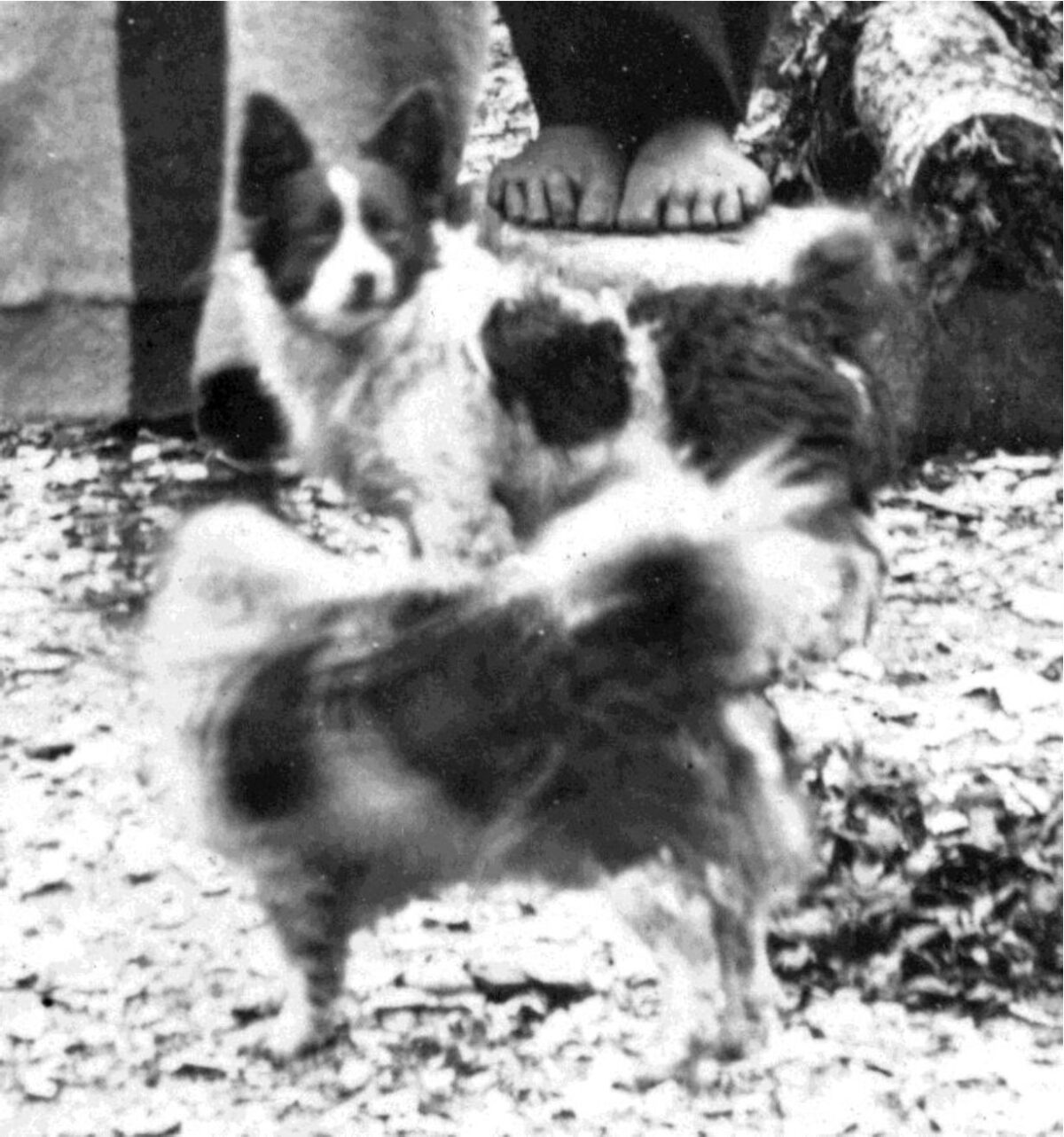
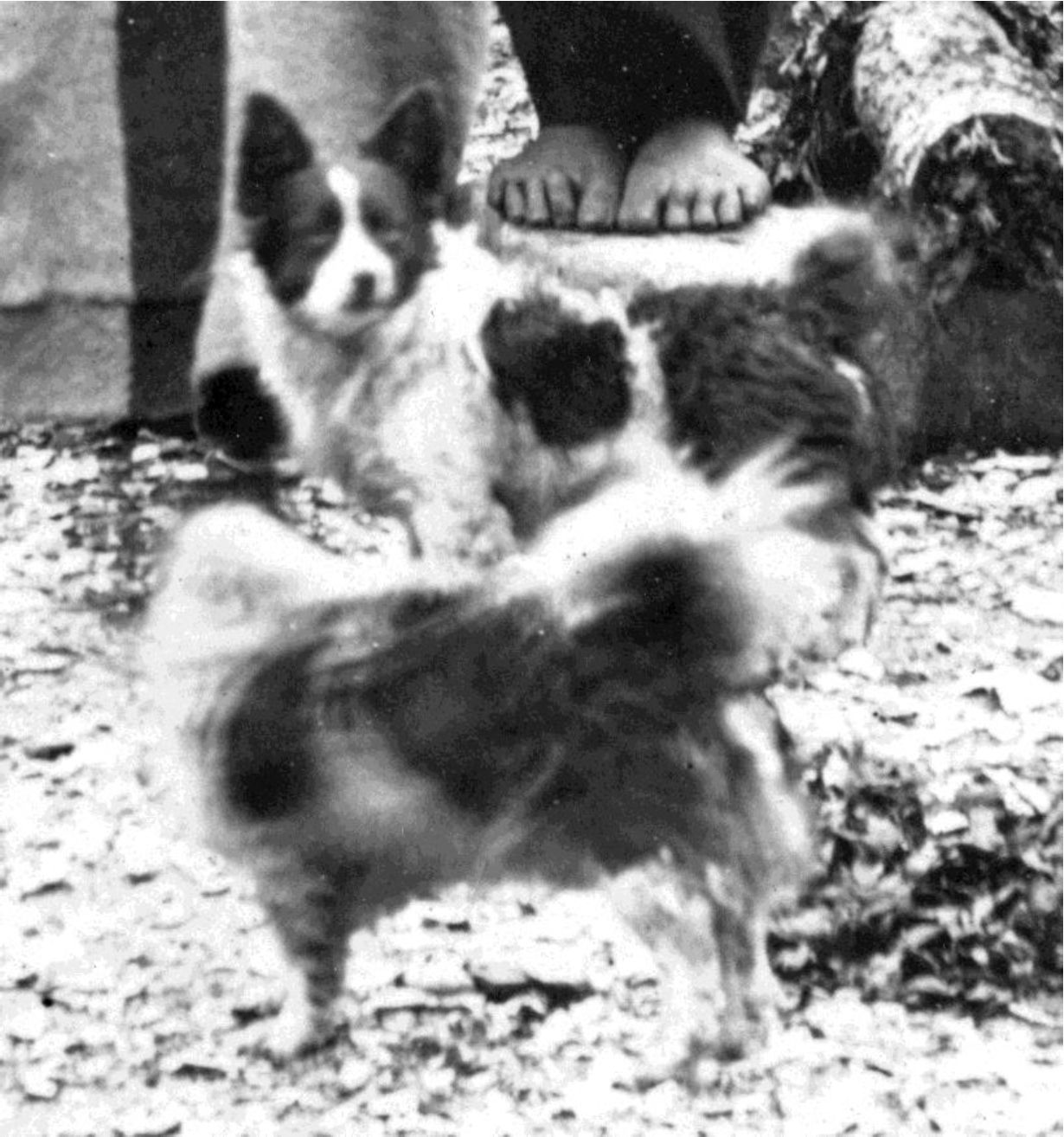
Originally published in The Midden. Publication of the Archaeological Society of British Columbia, 25 (1), 3-5, February 1993. By Grant Keddie Prehistoric Dogs of B.C. Wolves in Sheeps’ Clothing? Throughout the history of North American we see many varieties of native dogs. In British Colombia we find the Bear Dog of the Northern Interior and parts of the northern Coast used for hunting and packing, and a coyote-resembling dog of the southern Interior and Coast used mostly for hunting. On the southern Coast we also find what has become known as the Salish Wool Dog, kept mainly for the production of wool from its thick soft inner coat. With the use of their hair to make of blankets and capes … Continue reading “Wool Dogs of B.C.”

A Modern Stone Figure on a Lekwungen Landscape

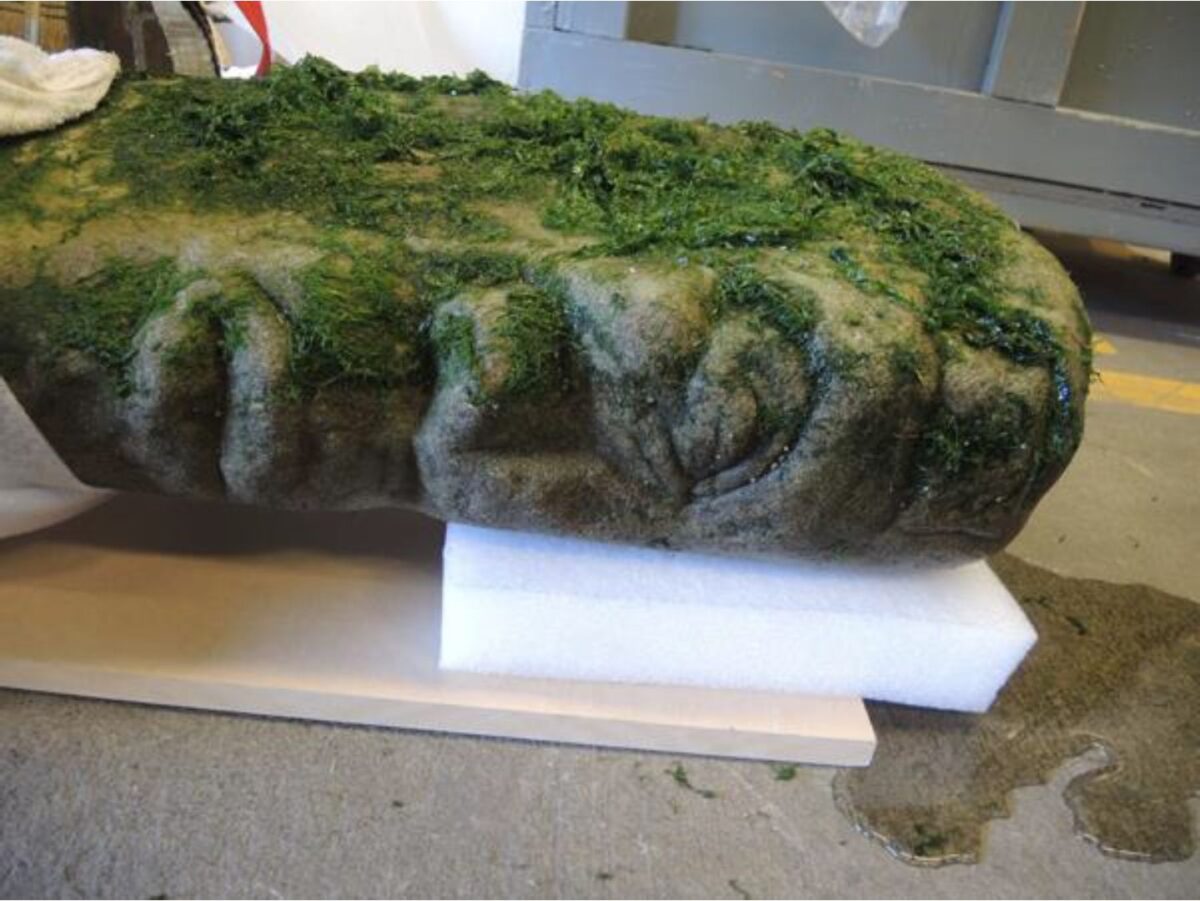
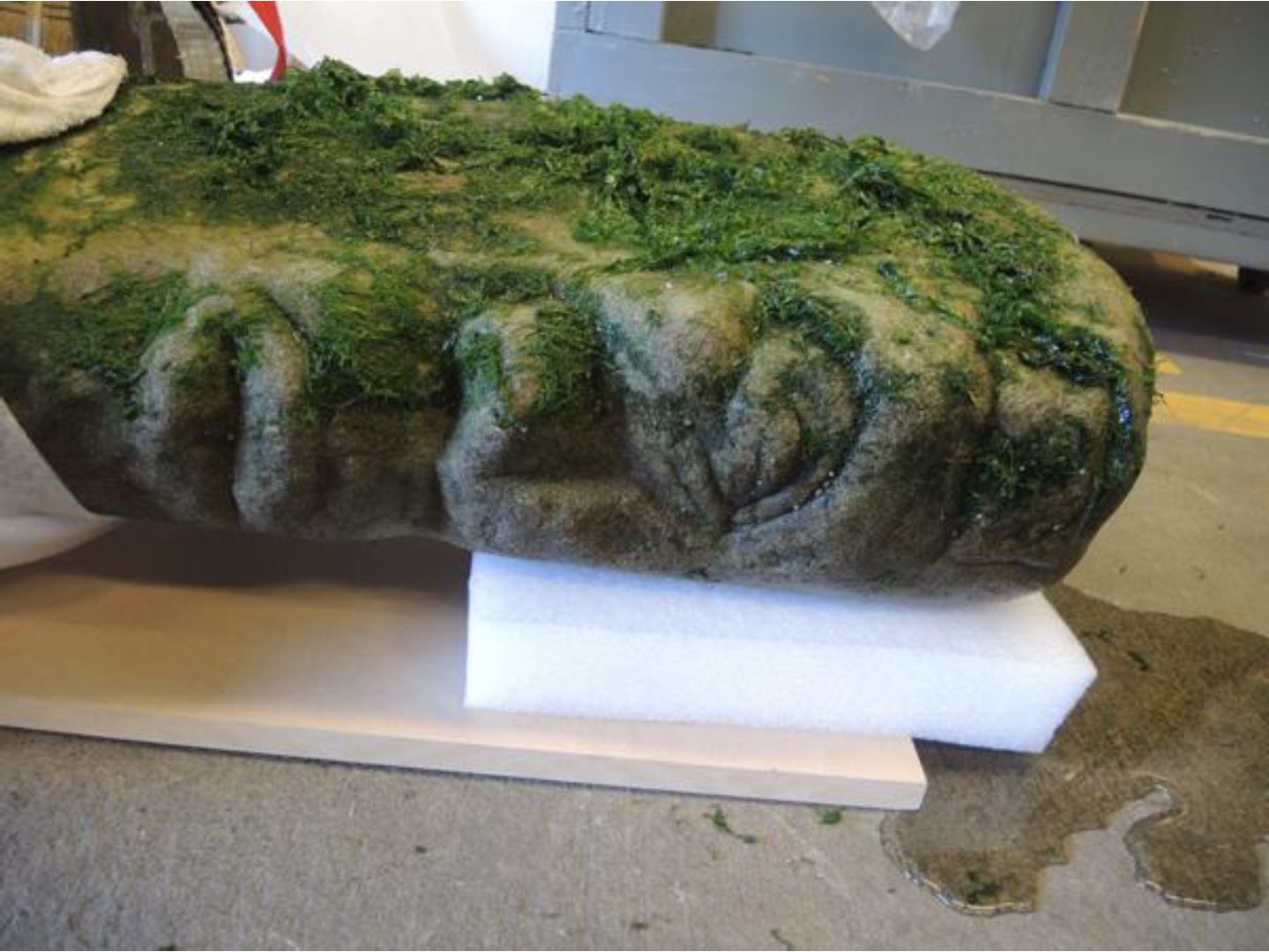
By Grant Keddie 2021. By Grant Keddie In the summer of 2020, I recovered a large 240 lb stone figure with a team of four others from the waters near Finlayson Point on the southern shores of Victoria (see Appendix 1). At the time I looked at the cultural context and physical evidence and determined that I would treat the cultural landscape and oral history as the more favourable evidence that the stone figure was likely to be an old Indigenous ritual figure. It turned out that I initially erred on suggesting that the stone figure was an old one when a modern-day stone carver told the media that he carved the stone. Here I provide a summary of how … Continue reading “A Modern Stone Figure on a Lekwungen Landscape”