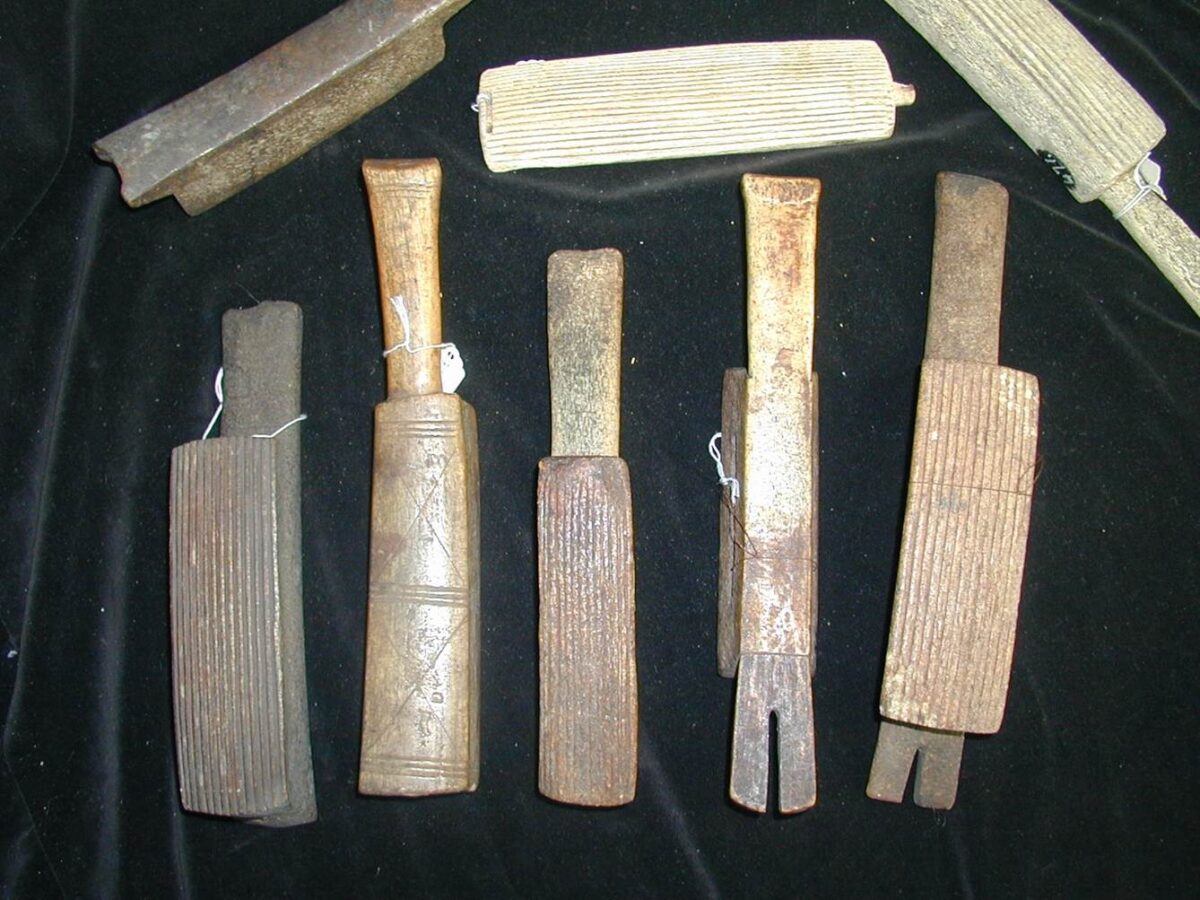
Indigenous Bark Beaters in Coastal British Columbia

Were they Introduced from Polynesia? Preface Over the years from the 1970s to 2000, I had interesting discussions with Thor Heyerdahl during his research visits to the Royal B.C. Museum. I came to have a good understanding of his changing philosophy. Thor began his interests in British Columbia when he visited Bella Coola in 1939-1940 to compare petroglyphs at Thorsen Creek with Polynesian art forms. Unlike some of his critics, I read his scientific publications as well as his popular books. He was, on occasion, dismissed in the academic world, for some of his ideas that he had long given up. I assisted Thor in examining Museum artifacts he was interested in for possible Polynesian connections and suggested some myself … Continue reading “Indigenous Bark Beaters in Coastal British Columbia”
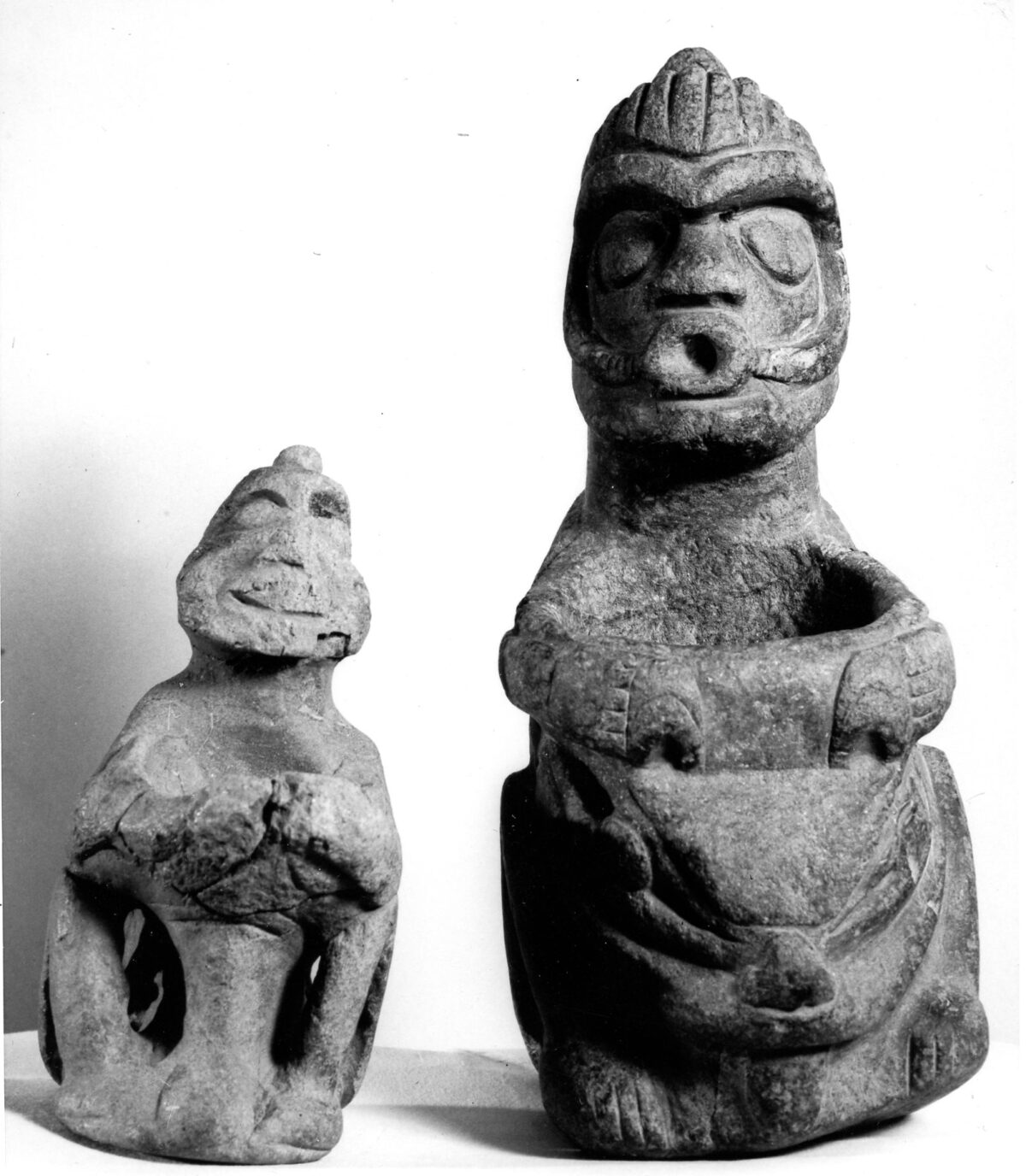
Stone Human Seated Figurine Bowls

Part 1. Victoria to Sooke. One of things I find fascinating is how humans have represented themselves in ancient times. In S. W. British Columbia and N. W. Washington State, stone seated human figurine bowls have been of most interest in this regard (Duff 1956; 1975; Carlson 1983; Keddie 1983; 2003; Wright 1991; Hanna 1996). These stone figures have been used in various kinds of rituals that will allow us to potentially observe regional differences and diffusion of cultures in the past. All cultures are influenced by their neighbours and these objects are one of the puzzle pieces that will allow us to reconstruct some of those ancient patterns of connection. The finding of most of these stone figures has … Continue reading “Stone Human Seated Figurine Bowls”

Indigenous Combs of British Columbia

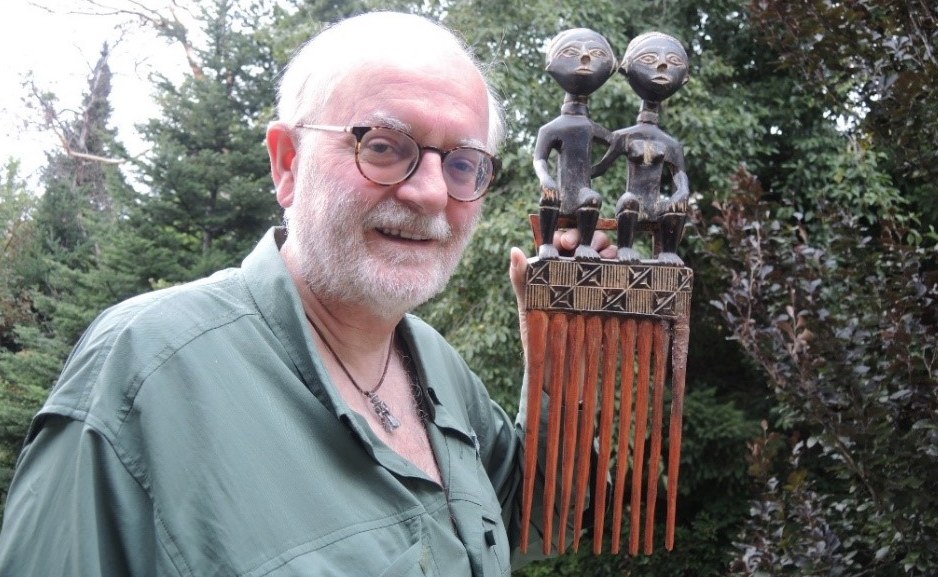
By Grant Keddie. Preface Combs are artifacts used by many cultures around the world over thousands of years. They are used primarily for disentangling and arranging the hair, but also as decorative items for holding the hair and head pieces, they have evolved into symbols of status or authority and cultural identity. To make a point, I show an extreme physical example of an Ashanti comb from Ghana in figure 1. Large Ashanti prestige combs were given by men to women as an act of devotion and commitment. In the 1970s, African combs took on a role in African American culture and politics where they became a sign of solidarity to the Black Power movement as a cultural statement. Combs … Continue reading “Indigenous Combs of British Columbia”

Mastodon. In the Royal B.C. Museum Collection

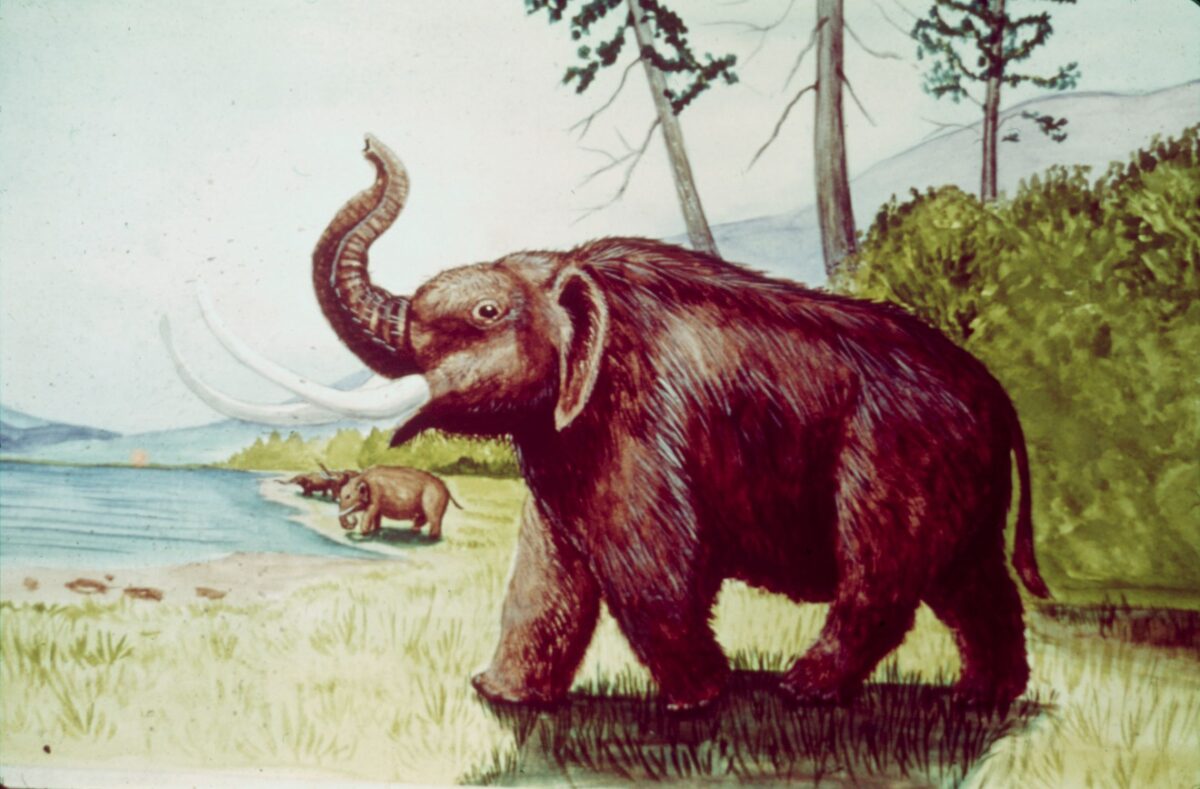
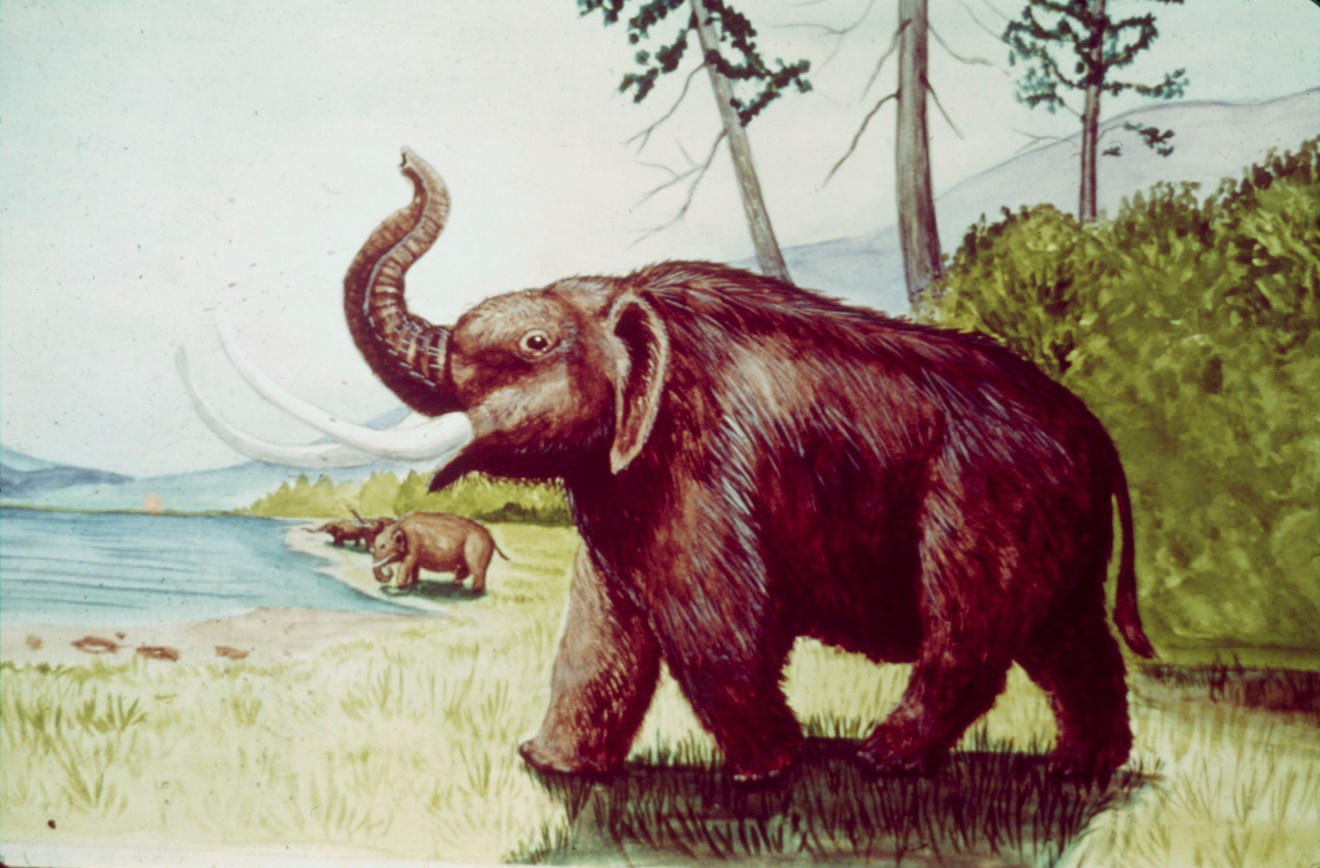
By Grant Keddie. 2016. Introduction Included here are notes on three mastodon (Mammut americanum) molars in the Royal B.C. Museum Collection and one private collection specimen. Three are from the South-East Corner of Vancouver Island and one from the Yukon Territory. Two of these have been found in the same locations as a larger number of mammoth remains. Although there are interglacial deposits in the areas where the mastodon remains of southeastern Vancouver were found, most of the fossil bearing layers have been deposited in front of the advancing glaciers during cold conditions between about 22,000 and 18,000 years ago. Later around 16,000 to 15,000 years ago ice sheets from the Fraser glaciation passed over the area depositing layers of … Continue reading “Mastodon. In the Royal B.C. Museum Collection”

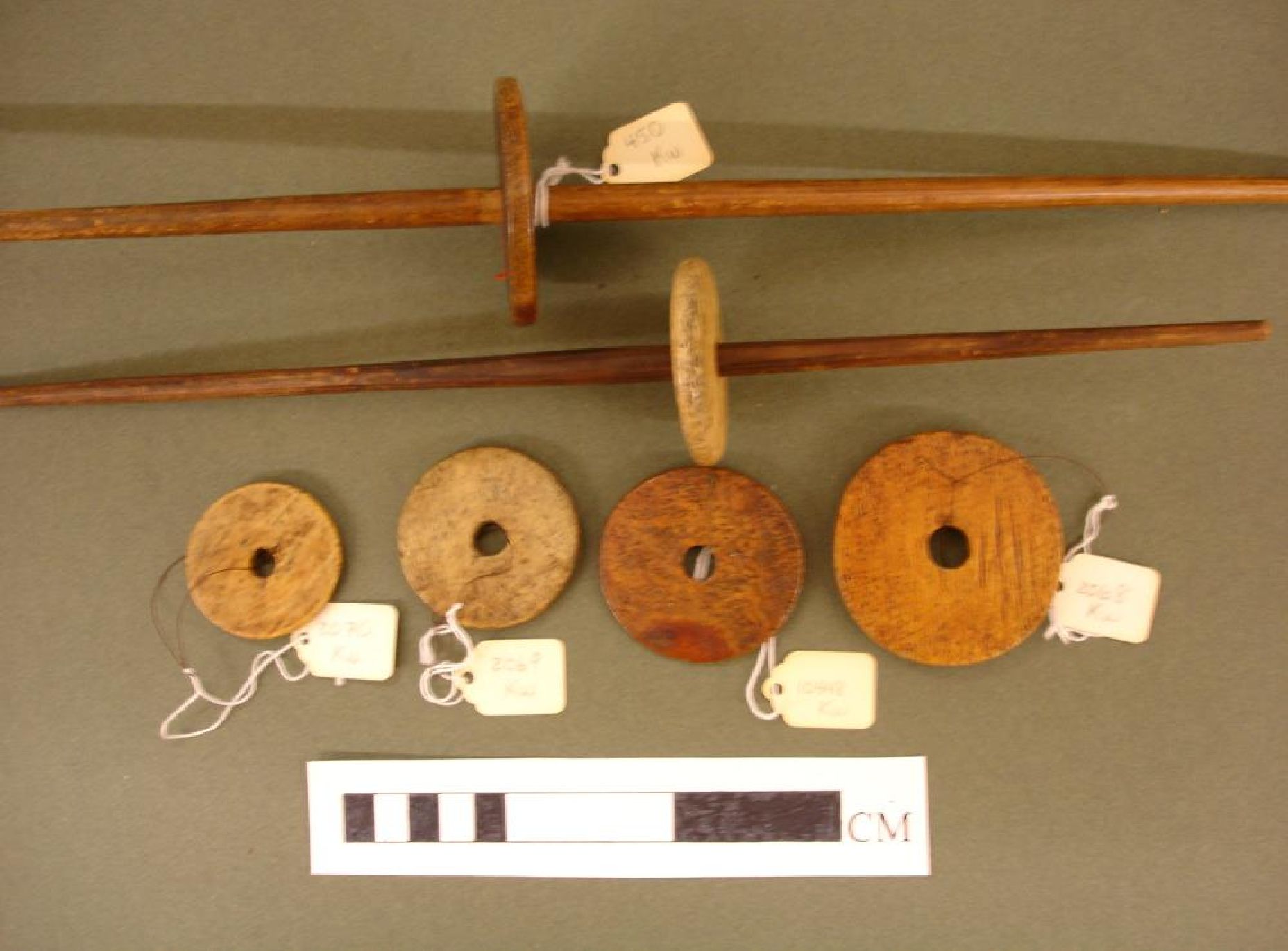
Spindle Whorls in British Columbia. Part 1.

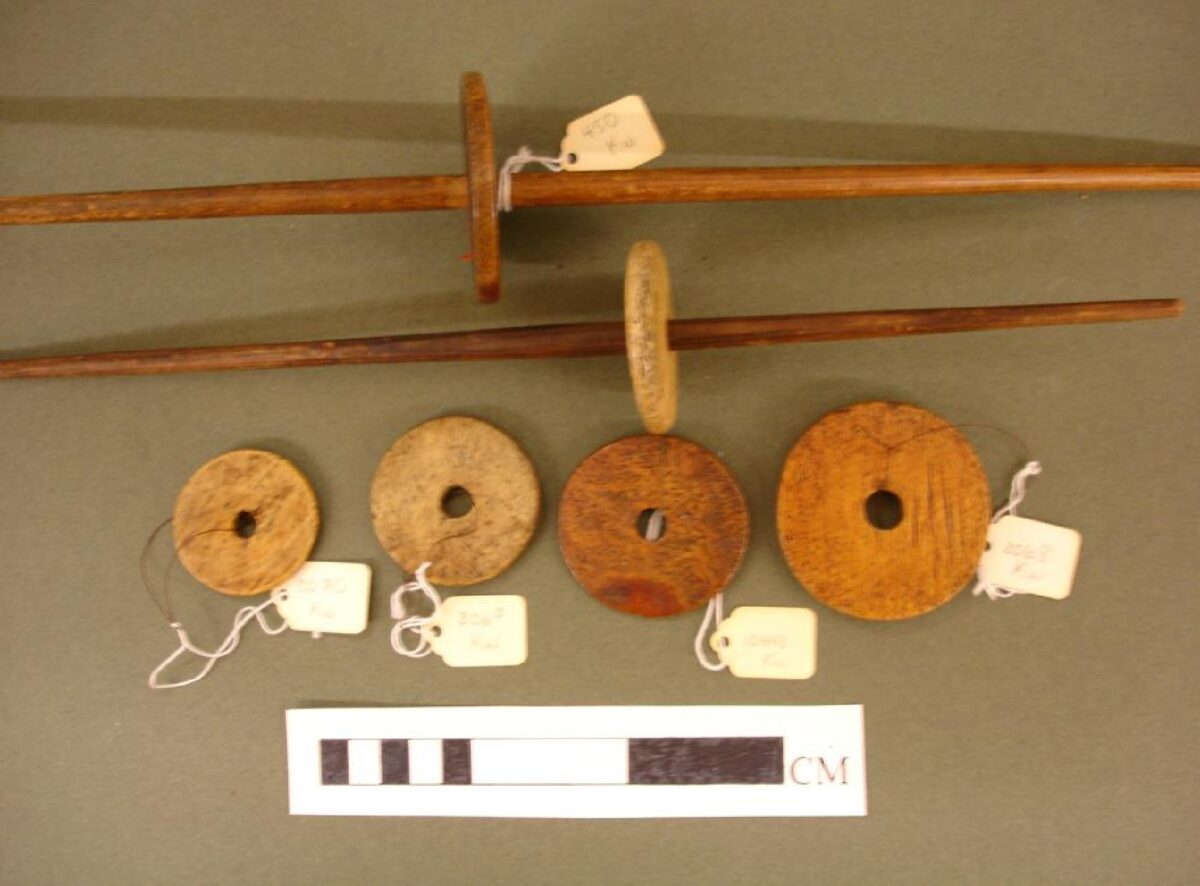
December 6, 2016. By Grant Keddie. Introduction and Spindle Whorls in the Archaeology Collection of the Royal BC Museum Introduction In order to provide a broader understanding of the earlier history and origins of both historic and pre-contact spindle whorls used in British Columbia, I will provide a description with images of all the spindle whorls in the Archaeology and Ethnology collection of the Royal B.C. Museum. This will be presented in three Parts: (1) Introduction and Spindle Whorls in the Archaeology Collection of the Royal BC Museum. (2) Small Spindle Whorls in the Ethnology Collection of the Royal BC Museum. (3) Large Spindle whorls from speakers of the Salish language family in the Ethnology Collection of the Royal BC … Continue reading “Spindle Whorls in British Columbia. Part 1.”