Butchering Sea Lions with Stone Tools

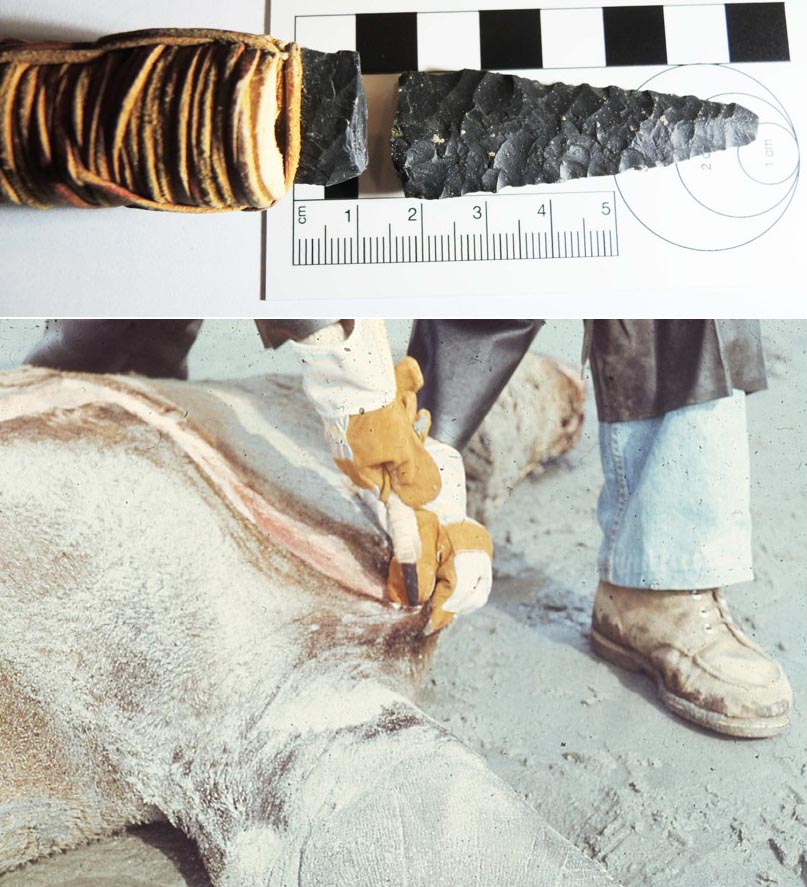
Preface “Carcass butchery is a culturally mediated behavior that reflects the technological, social, economic and ecological factors that influence human diet and foodways. Butchery behavior can thus reveal a great deal about the lives of past peoples” (Egeland et. al. 2024). Egeland. et.al., examined 236 studies on butchery, published between 1860 and 2021, to observe trends. This involved both studies that involved the reconstruction of ethological knowledge and archaeological evidence. The majority of these were undertaken on large bovids. The authors were interested in making recommendations for future studies. They note that one should look for evidence such as: “cut mark frequences on carcasses of different body sizes and taxon”. Part of this study looked at factors such as what … Continue reading “Butchering Sea Lions with Stone Tools”
Photographs of an Elderly Indigenous Couple

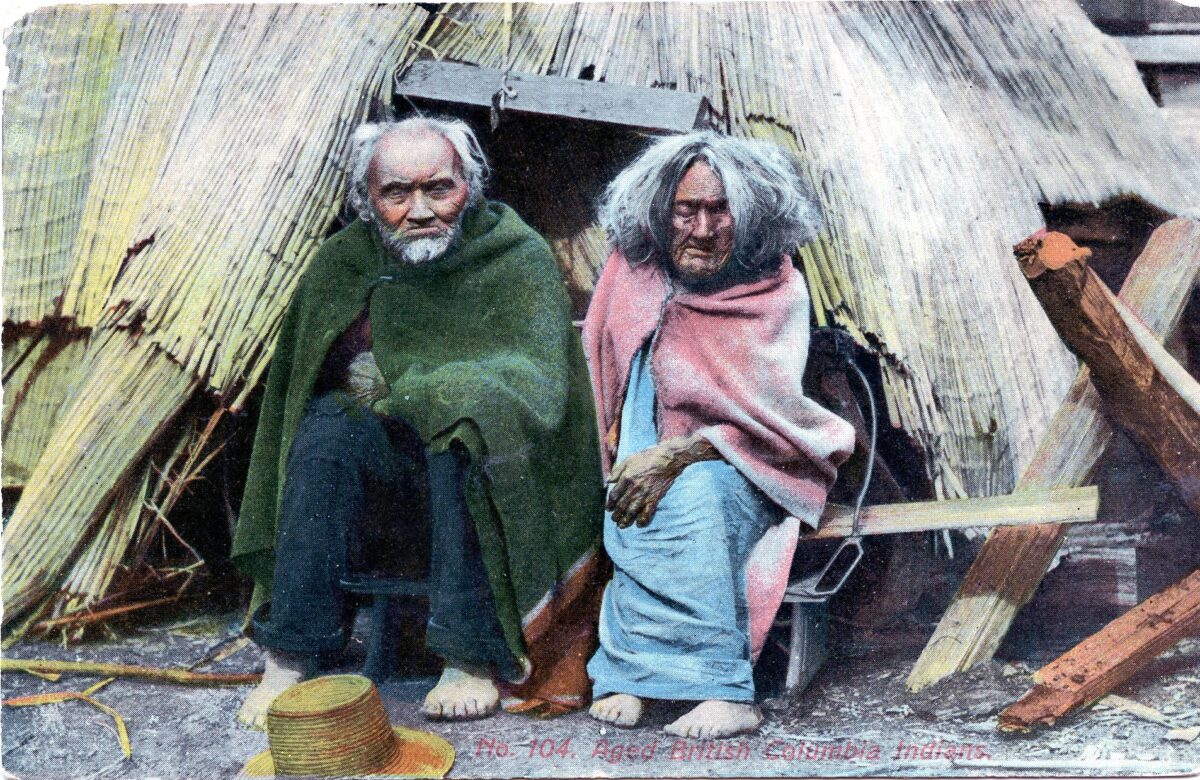
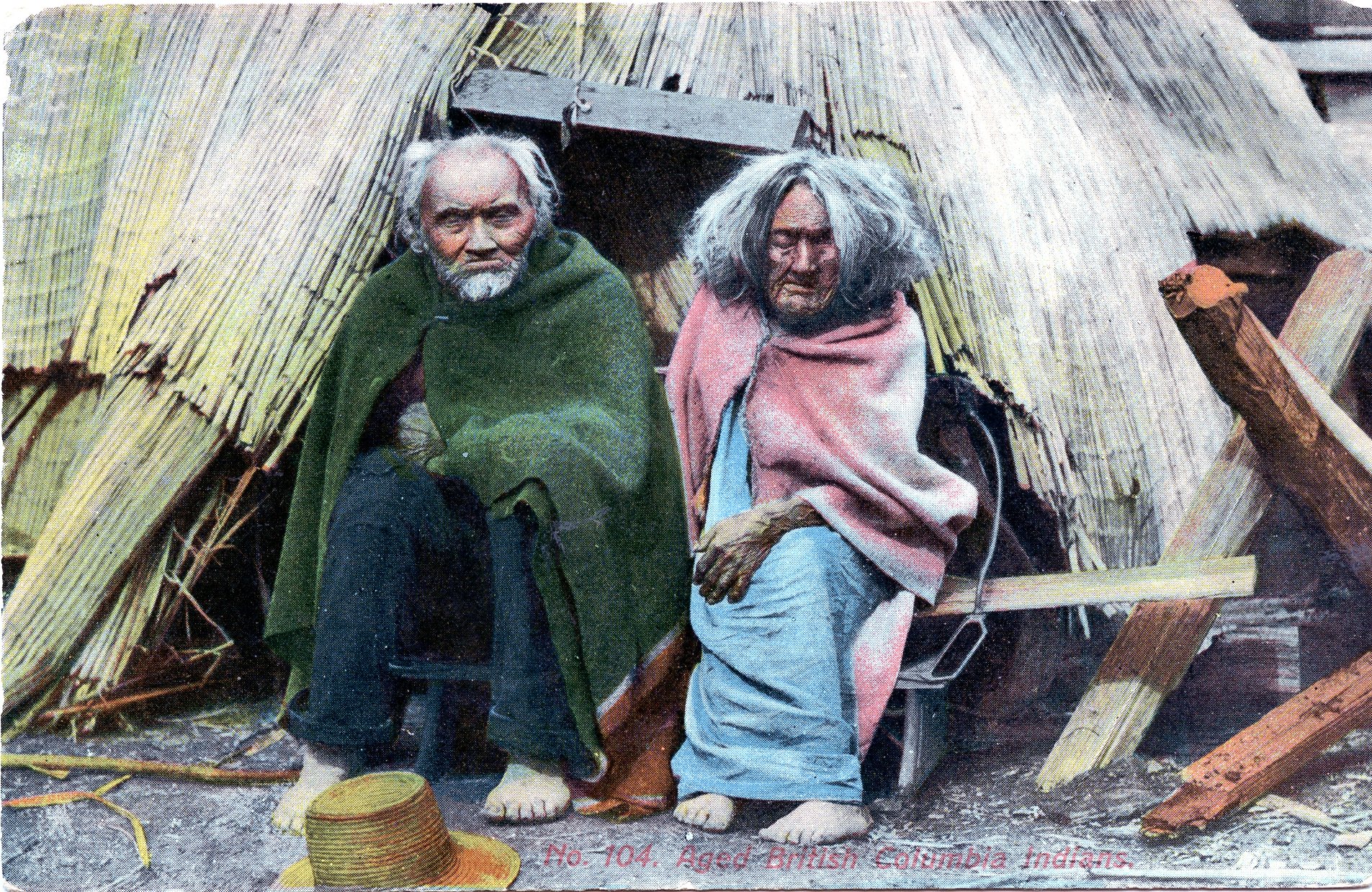
Introduction Interpreting older Indigenous photographs can be a confusing problem for those not familiar with the history of photographers and the history of the collections in which they eventually end up. The same photographs are often given different information in different archives and in different publications. In the early 20th century, a common stereotype of older Indigenous people was for journalists to exaggerate their age. They were sometimes wrapped in blankets when photographed to cover-up the European style clothes they are wearing. They are often mistakenly presented in photographs as being over 100 years of age. I have the advantage over journalists of the past, in having easier access to examine baptism, birth, marriage and death records from church and … Continue reading “Photographs of an Elderly Indigenous Couple”

A lək̓ʷəŋən Burial Island

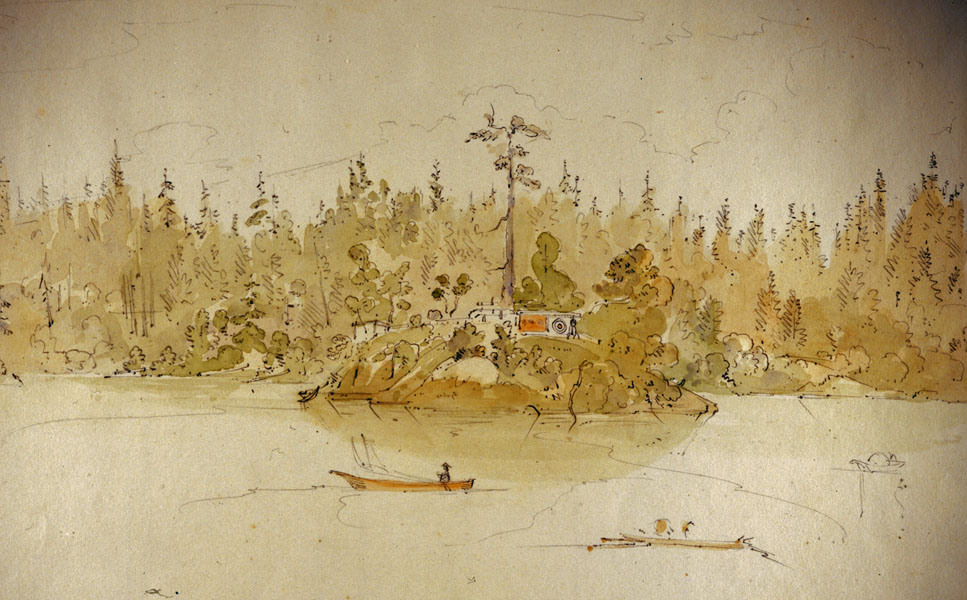
Halket or Deadman’s Island (Please respect this special location and view it only from a distance). On southern Vancouver Island it was common for, at least some, Indigenous families to place their dead, on small Islands. In historic, or post contact times, burials were placed on these islands in boxes, canoes or small shed-like structures. It is unknown how far back in time this practice extends. Underground burials were common before 1000 years ago. One of these burial Islands, known to be used in the 19th century, was Halket Island in the Selkirk Waters above Victoria’s upper harbour. It is located north of the Point Ellice Bridge (Bay Street), between the foot bridge (old CN Railway trestle Bridge) on the … Continue reading “A lək̓ʷəŋən Burial Island”

Indigenous Canoe Racing on the Gorge Waterway

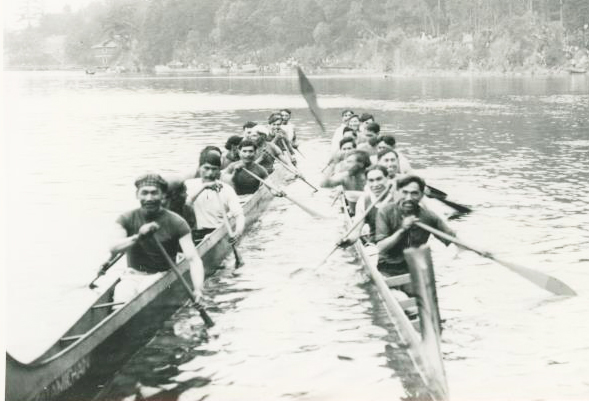
Preface Here I will provide a brief overview of historic mid 19th to mid 20th century Indigenous canoe races in the Gorge Waterway. I will also include an appendix with an Indigenous canoe related story, reported in 1936, to make it more accessible for students. Indigenous stories on the southern coast of British Columbia often included explanations of how physical objects such as nets and spears were first given to them and how people gained the knowledge about how to use them. One of those stories involved the discovery of adze blades and their use in canoe making and the supernatural prerogatives involved. It was recorded by Beryl Cryer (1889-1980), who acquired many Indigenous stories, many of which came from … Continue reading “Indigenous Canoe Racing on the Gorge Waterway”

Fishing Power and Abrading Stones

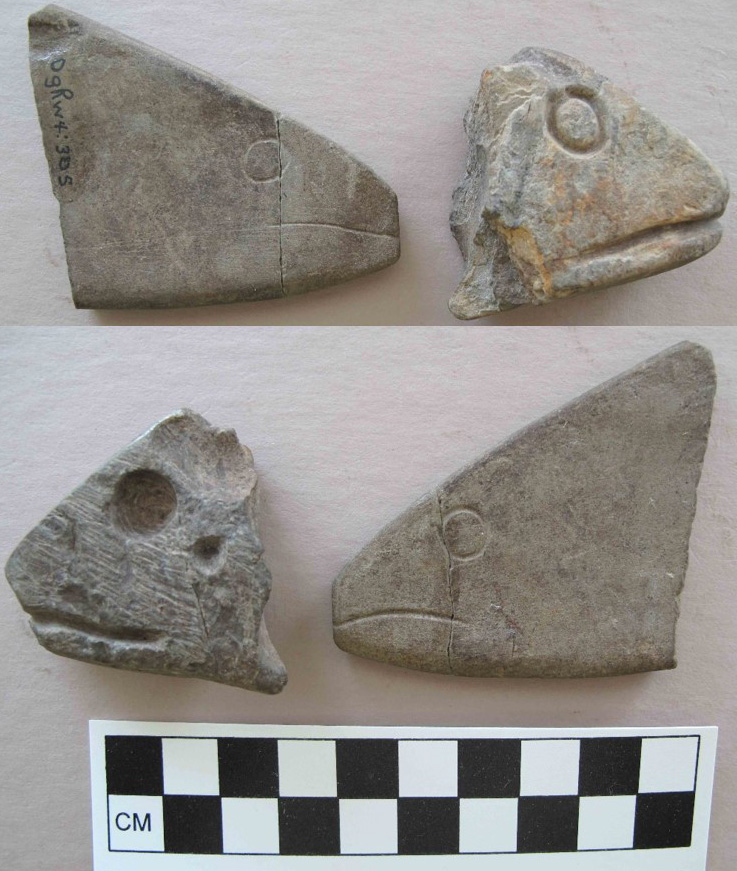
One of the most common artifacts found in archaeological site on the southern coast of British Columbia are abrading stones. These were used for grinding or abrading in the shaping or sharpening tools made of bone, shell and antler. They were used in shaping ornaments and grinding pigments. Abrading stones come in many shapes and sizes, were made of different raw materials, and like modern sandpaper, they came in many grain sizes. By far, most are made of sandstone and are plain slabs of rectangular, square or irregular shapes. A small number are especially shaped in the form of animals, usually whales or fish. It is these I am interested in here. Figure 1, shows two sides of a sandstone … Continue reading “Fishing Power and Abrading Stones”

Indigenous Bark Beaters in Coastal British Columbia

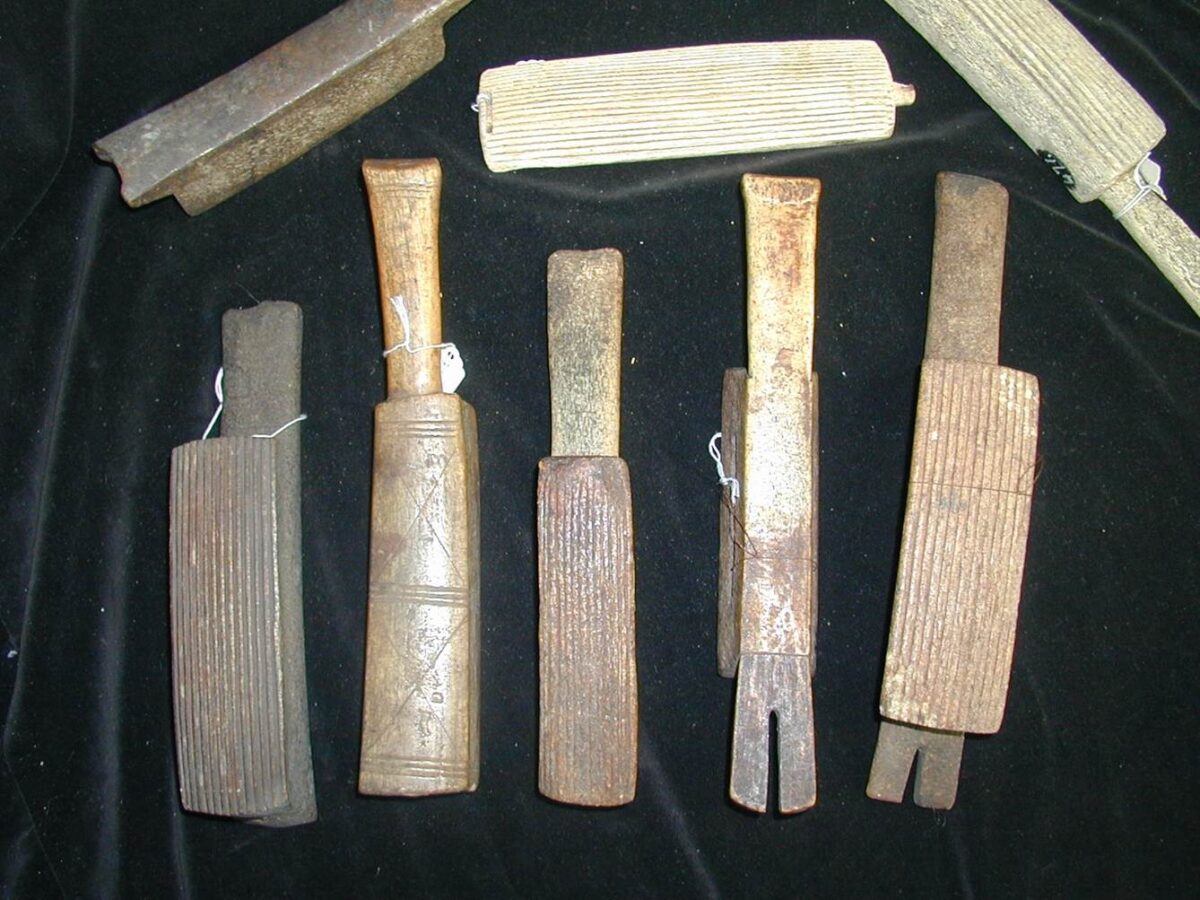
Were they Introduced from Polynesia? Preface Over the years from the 1970s to 2000, I had interesting discussions with Thor Heyerdahl during his research visits to the Royal B.C. Museum. I came to have a good understanding of his changing philosophy. Thor began his interests in British Columbia when he visited Bella Coola in 1939-1940 to compare petroglyphs at Thorsen Creek with Polynesian art forms. Unlike some of his critics, I read his scientific publications as well as his popular books. He was, on occasion, dismissed in the academic world, for some of his ideas that he had long given up. I assisted Thor in examining Museum artifacts he was interested in for possible Polynesian connections and suggested some myself … Continue reading “Indigenous Bark Beaters in Coastal British Columbia”

Mystery of the Songhees Memorial Poles

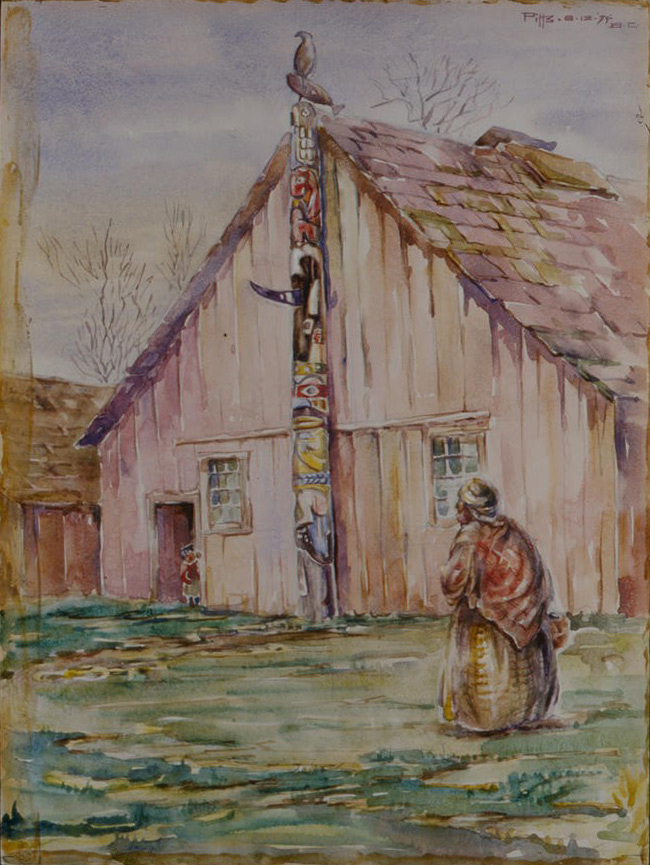
Two older memorial poles, once on the New Songhees Reserve, have contradictory information about their provenience. Who carved them? One was originally owned by the Songhees Councilor William Roberts (1894-1938) and the other by the Chief Michael Cooper (1864-1936). The William Roberts Pole This pole is in the Royal B.C. Museum collection with two numbers. RBCM Ethnology # 5043 is the main pole, and RBCM #5051 is the eagle carving that was once on top of RBCM # 5043. It was purchased from Songhees Band member Alice James in 1940. The Report of the Provincial Museum of Natural History For the Year 1940 (1941:D14) refers to: ”By Purchase. Mrs. Alice James, Victoria. One totem-pole, 1 eagle figure”. Songhees Band member, … Continue reading “Mystery of the Songhees Memorial Poles”

Stone Human Seated Figurine Bowls

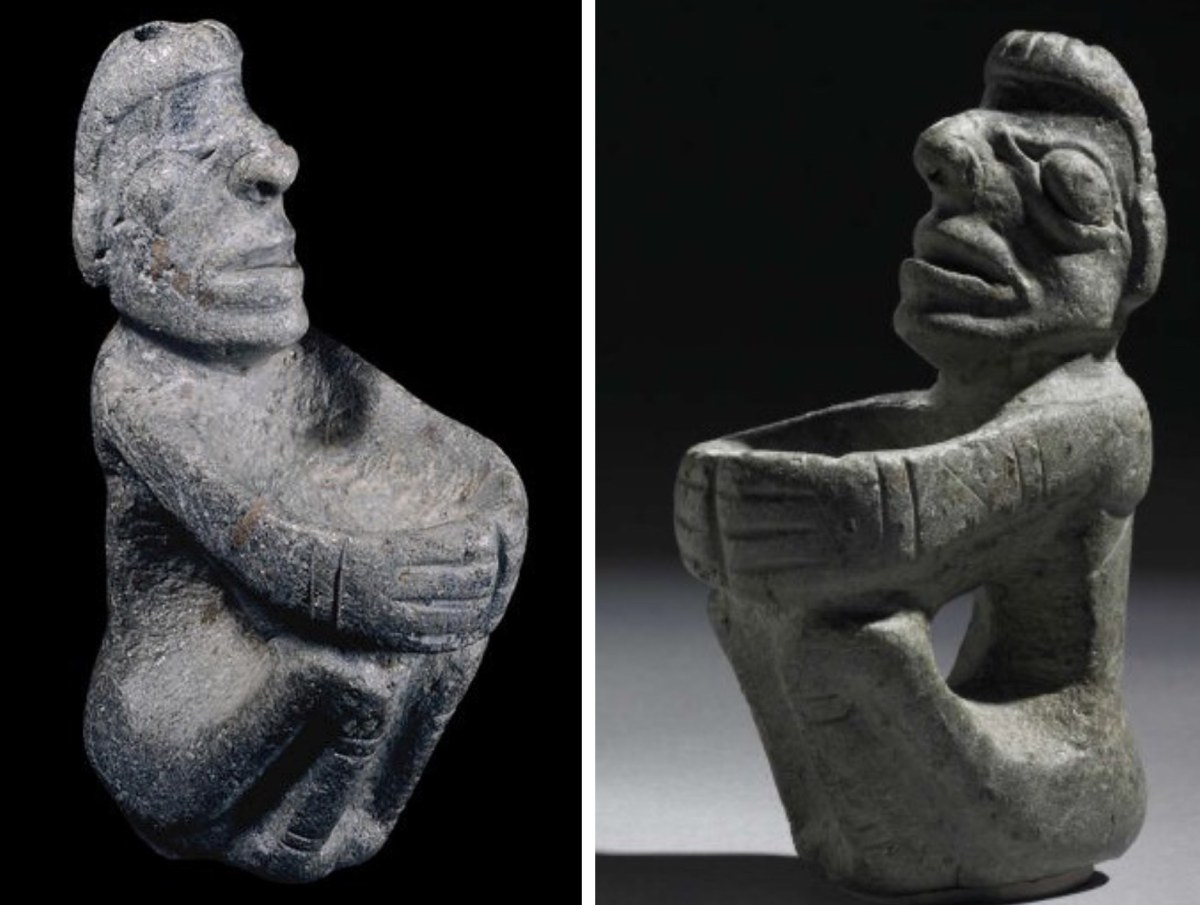
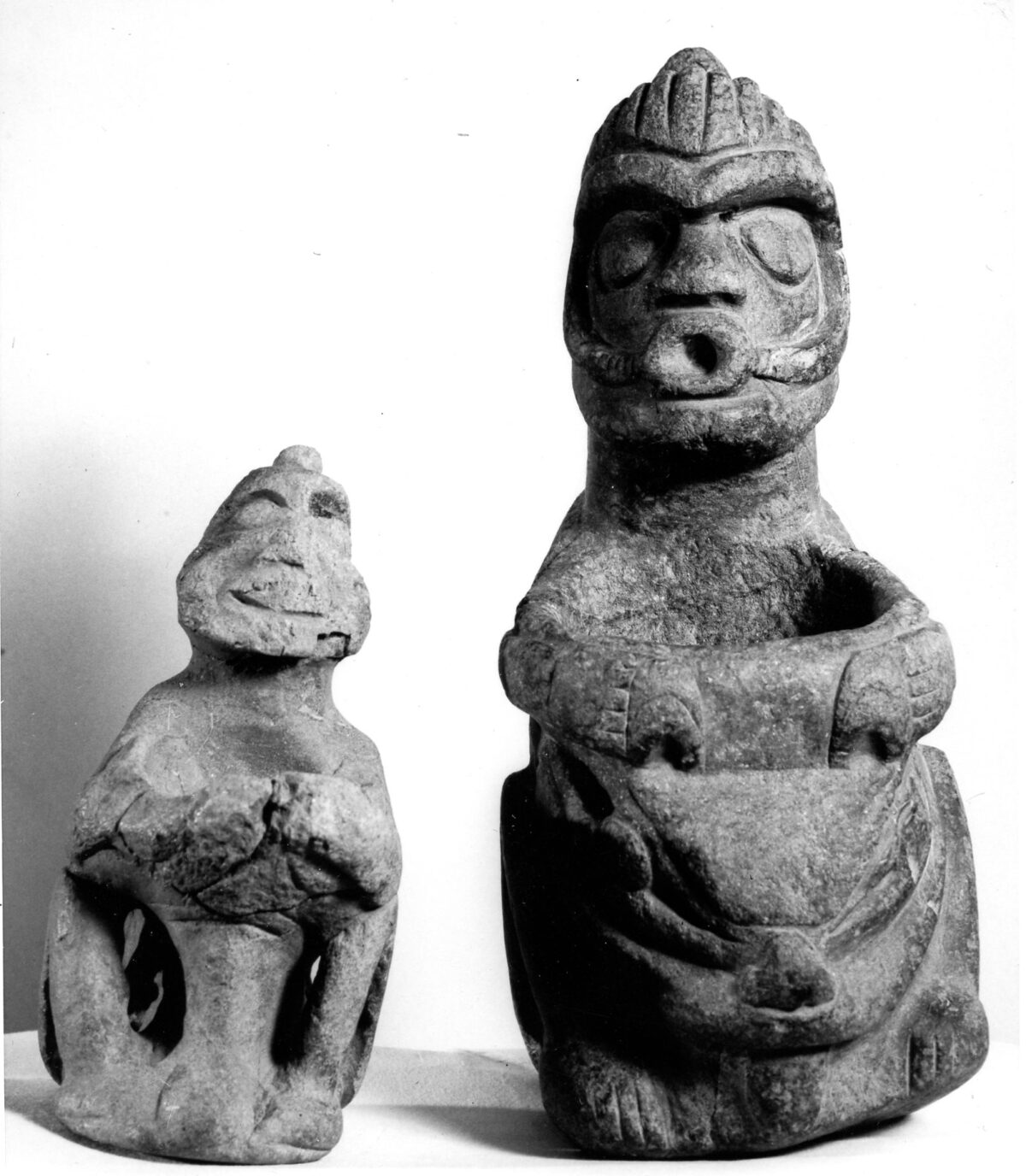
Part 3. Cowichan to Courtney Part three includes 12 bowls from locations between Cowichan and Courtney on Vancouver Island, with a few close Gulf Islands included. This is not a complete listing, as there are a number of seated human stone bowls or fragments from private collections that are not included here. Some individuals with private collections, for various reasons, do not want their names made public. I have only included previous owner names here. Many of the images I have copied over the last 50 years from various sources for different purposes. The current location of some and the names of photographers is not known. Porlier Pass Bowl This bowl (Figure 1 & 2), is now in a private … Continue reading “Stone Human Seated Figurine Bowls”

Stone Human Seated Figurine Bowls

Part 1. Victoria to Sooke. One of things I find fascinating is how humans have represented themselves in ancient times. In S. W. British Columbia and N. W. Washington State, stone seated human figurine bowls have been of most interest in this regard (Duff 1956; 1975; Carlson 1983; Keddie 1983; 2003; Wright 1991; Hanna 1996). These stone figures have been used in various kinds of rituals that will allow us to potentially observe regional differences and diffusion of cultures in the past. All cultures are influenced by their neighbours and these objects are one of the puzzle pieces that will allow us to reconstruct some of those ancient patterns of connection. The finding of most of these stone figures has … Continue reading “Stone Human Seated Figurine Bowls”

The Shuttle-cock Lure. Fishing around the Salish Sea

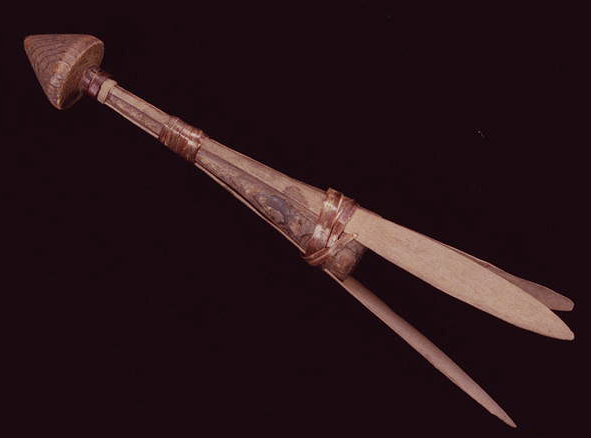
By Grant Keddie The shuttle-cock lure and spear, was a unique form of technology used to catch mostly the larger lingcod and rockfish. The fisherman used this device at low tide from anchored canoes or rock points that overlooked kelp beds. The lure would be pushed down deep with a separate pole that was quickly pulled away from it. The lure then spun toward the surface, the fish darted after it and was speared when it came near the surface. The spear was 4.5 to 6 meters long. It consisted of two or three, unbarbed, fir shafts on the end. The shafts were about 4cm thick, 46cm long and about 10 cm apart at their tips (Swan 1870; Jennes 1934-35; … Continue reading “The Shuttle-cock Lure. Fishing around the Salish Sea”