The Archaeology and Ethnology of Wedges on the Northwest Coast

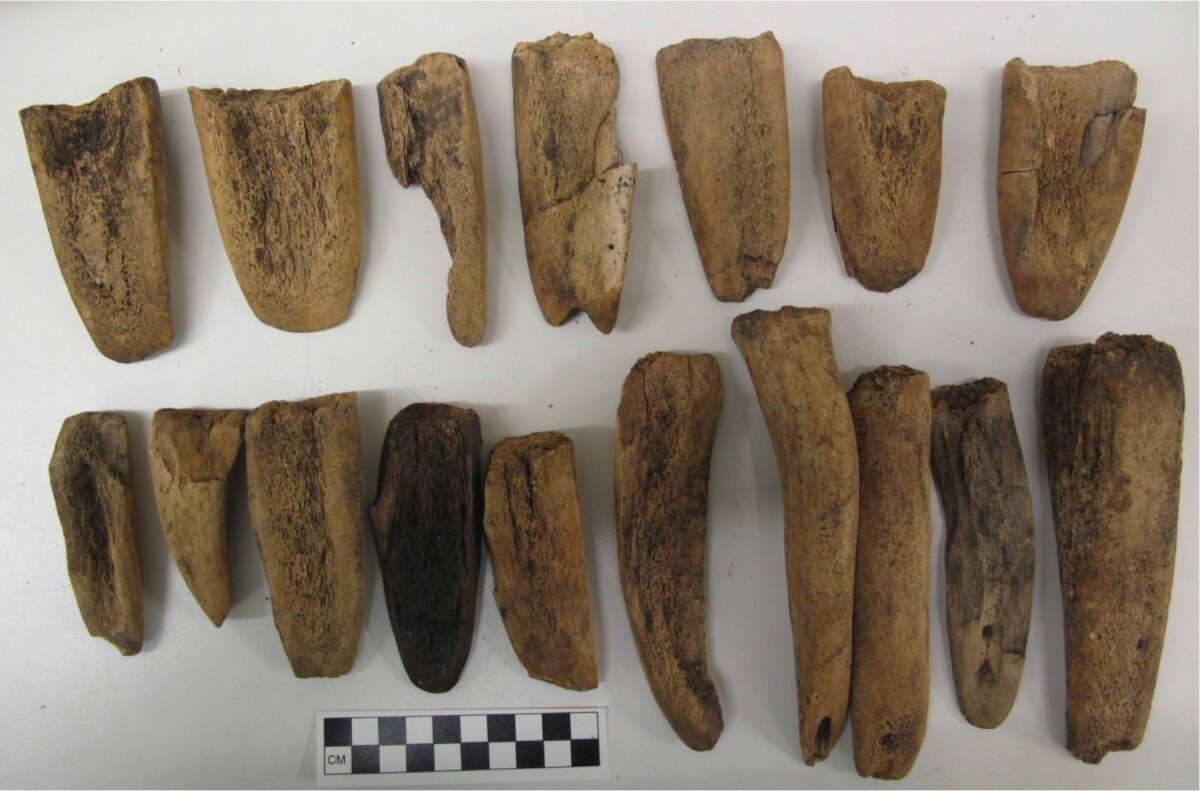
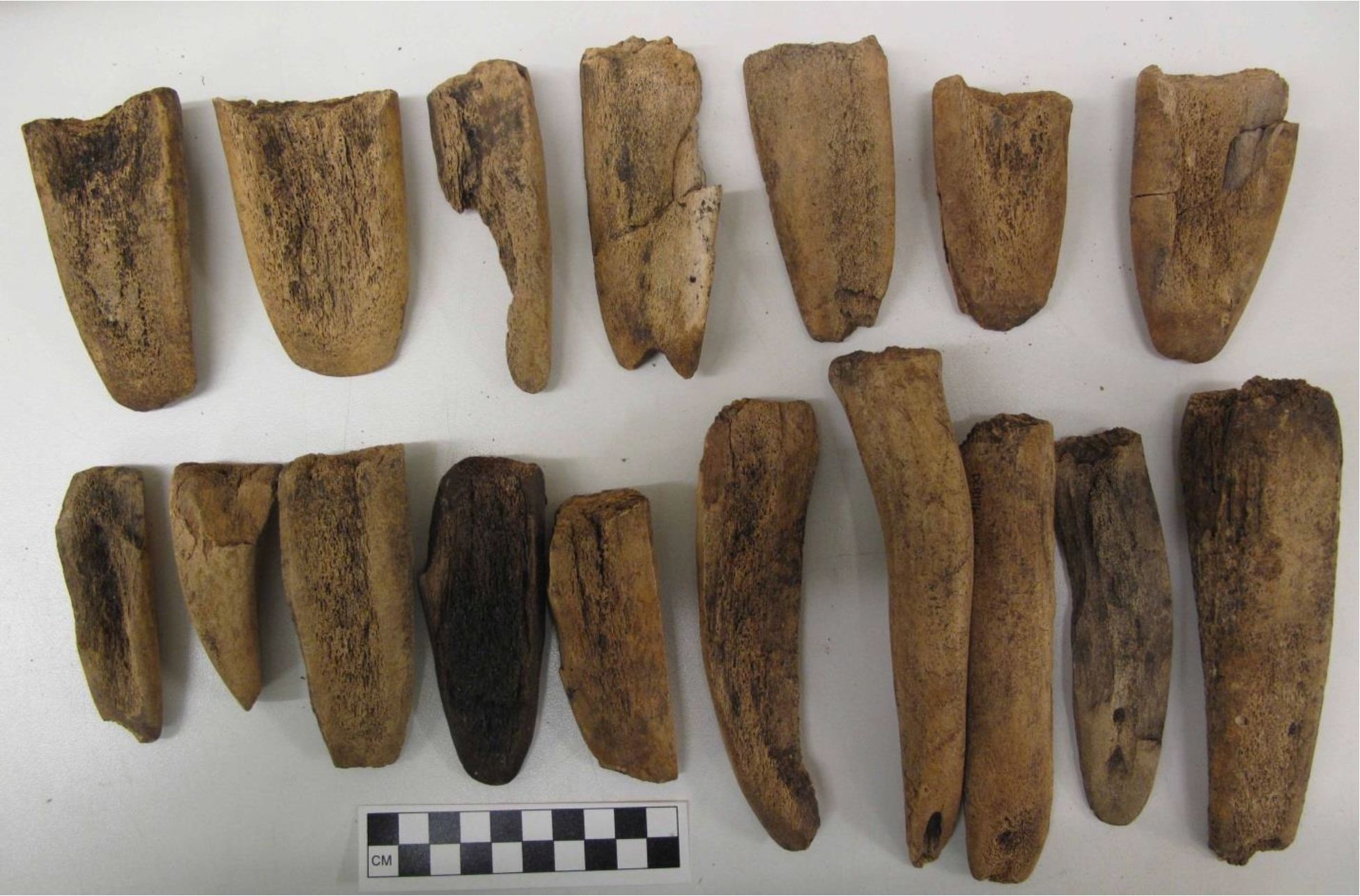
2018. By Grant Keddie Introduction Wooden and antler wedges are a common tool found in the Northwest Coast cultural area of North America. The purpose of this article is to drive a wedge into our current thinking about wedges and to stimulate further research by making some observations based on Royal B.C. Museum archaeological and ethnological artifacts. I combine this view of collections with my own background experience in working with wedges. Wedges are commonly known to have been used for splitting fire wood, for the manufacture of posts and planks used in house construction, household items such as boxes and bowls, and for the whole process of canoe making from cutting down trees to splitting the tree trunks and … Continue reading “The Archaeology and Ethnology of Wedges on the Northwest Coast”
Bird Bone Tube Snare Guards in the Archaeology Collection of the Royal B.C. Museum

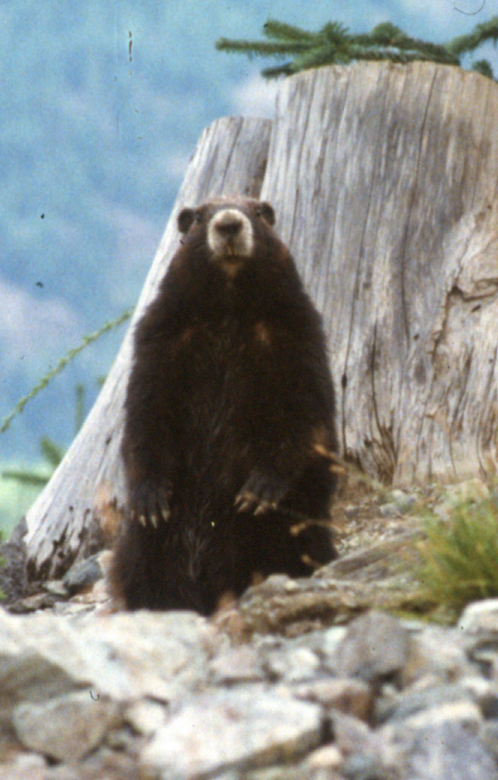
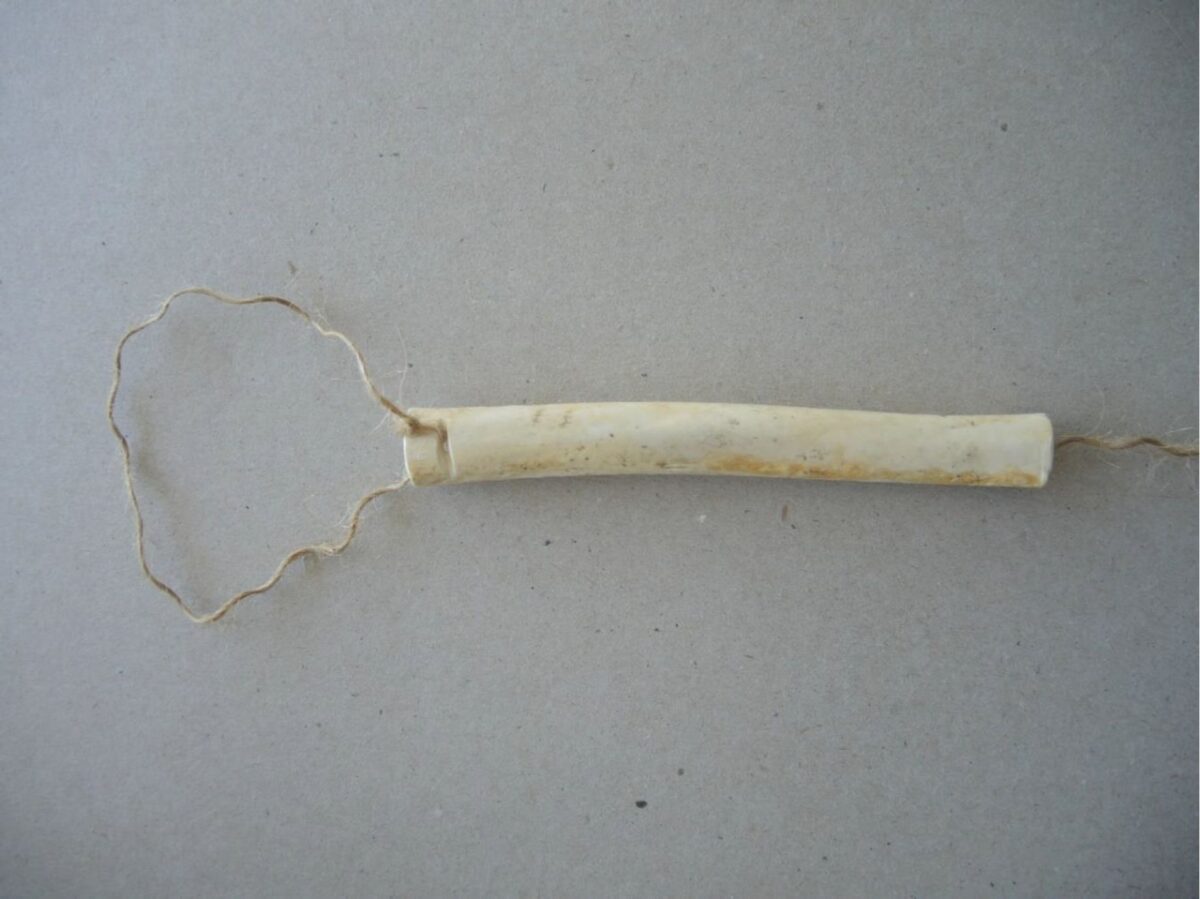
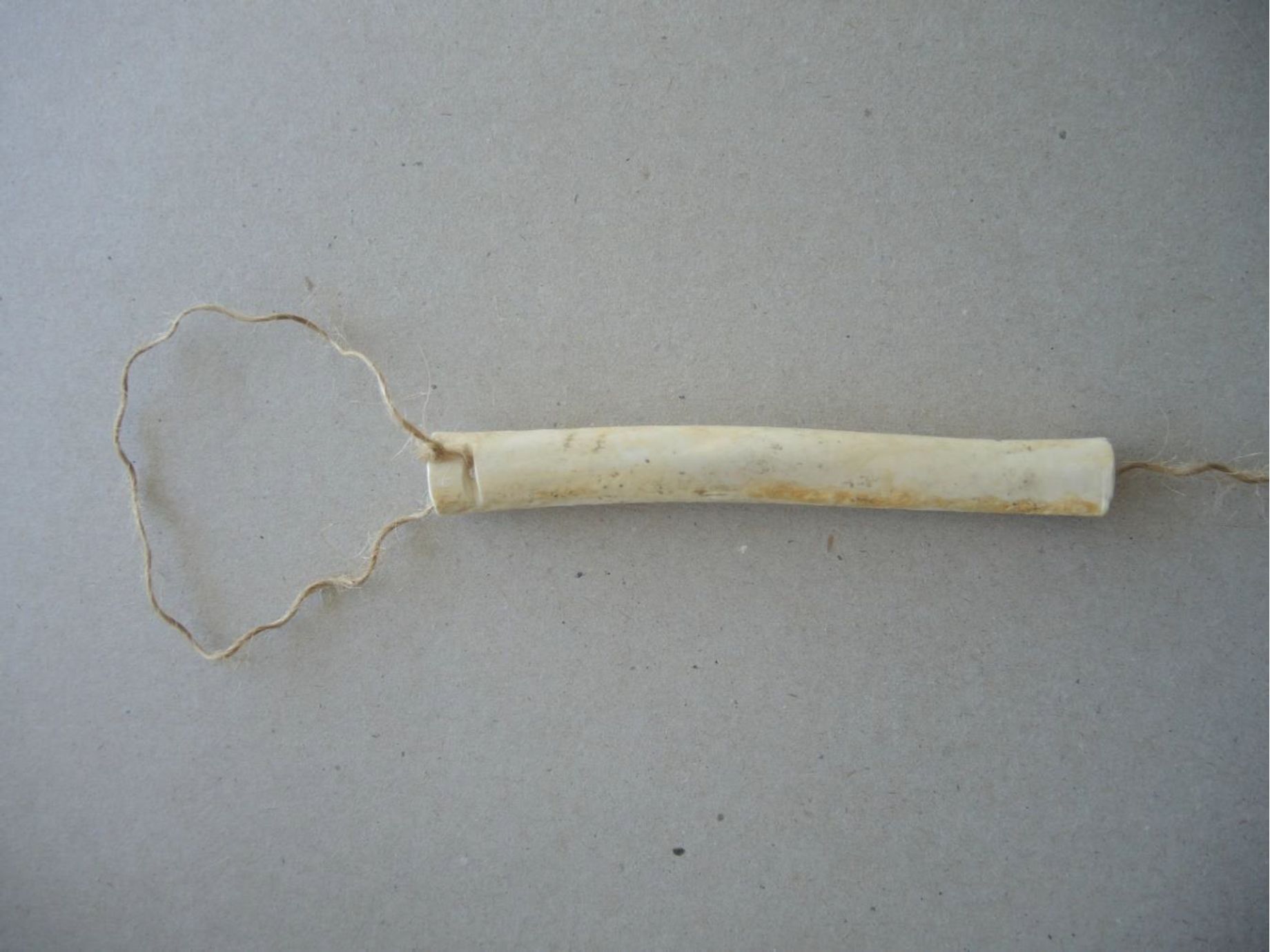
June 3, 2019. By Grant Keddie Introduction There are many different sizes of bird bone artifacts found in archaeological sites in British Columbia. The function of many of these remains unknown. There is often no comparable artifact type in the ethnographic record. They are sometimes ascribed functions by archaeologists for which there is no evidence. Some of the long bird bone tubes referred to as “drinking tubes” are in fact, what I am calling bird bone snare guards – devices on snares which prevent marmots and ground squirrels from biting through the noose cord and escaping.   Here I present the evidence of how I determined, from my own observations and technology experiments, that some of the unidentified bird bone … Continue reading “Bird Bone Tube Snare Guards in the Archaeology Collection of the Royal B.C. Museum”

Marmot Trap Triggers in the Royal B.C. Museum Ethnology Collection

May 28, 2019. By Grant Keddie. Introduction Marmots were hunted in many parts of British Columbia for their furs and their fat content. Both Coastal and Interior peoples went into the mountains every fall to hunt them. Some First Nations continue to hunt marmots. See Appendix 1, First Peoples and Marmots of British Columbia, for a detailed overview of the role of marmots in Indigenous societies. Deadfall traps and snares of various sizes were used for catching most species of mammals as well as birds. There are several types and sizes of artifacts in this general category of trap devices that were used by the Tlingit and their inland relatives for trapping mainly marmots and ground squirrels. Small deadfall trap … Continue reading “Marmot Trap Triggers in the Royal B.C. Museum Ethnology Collection”

A First Nations Shell Midden on Raymur Point, Victoria Harbour

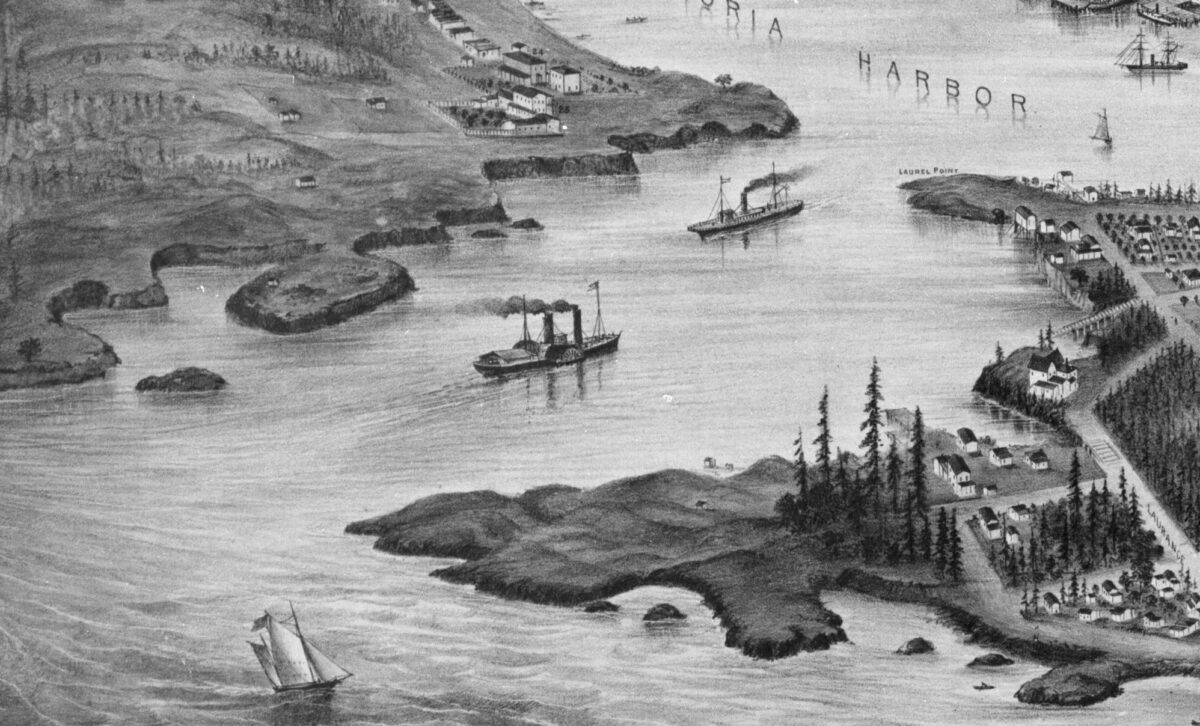
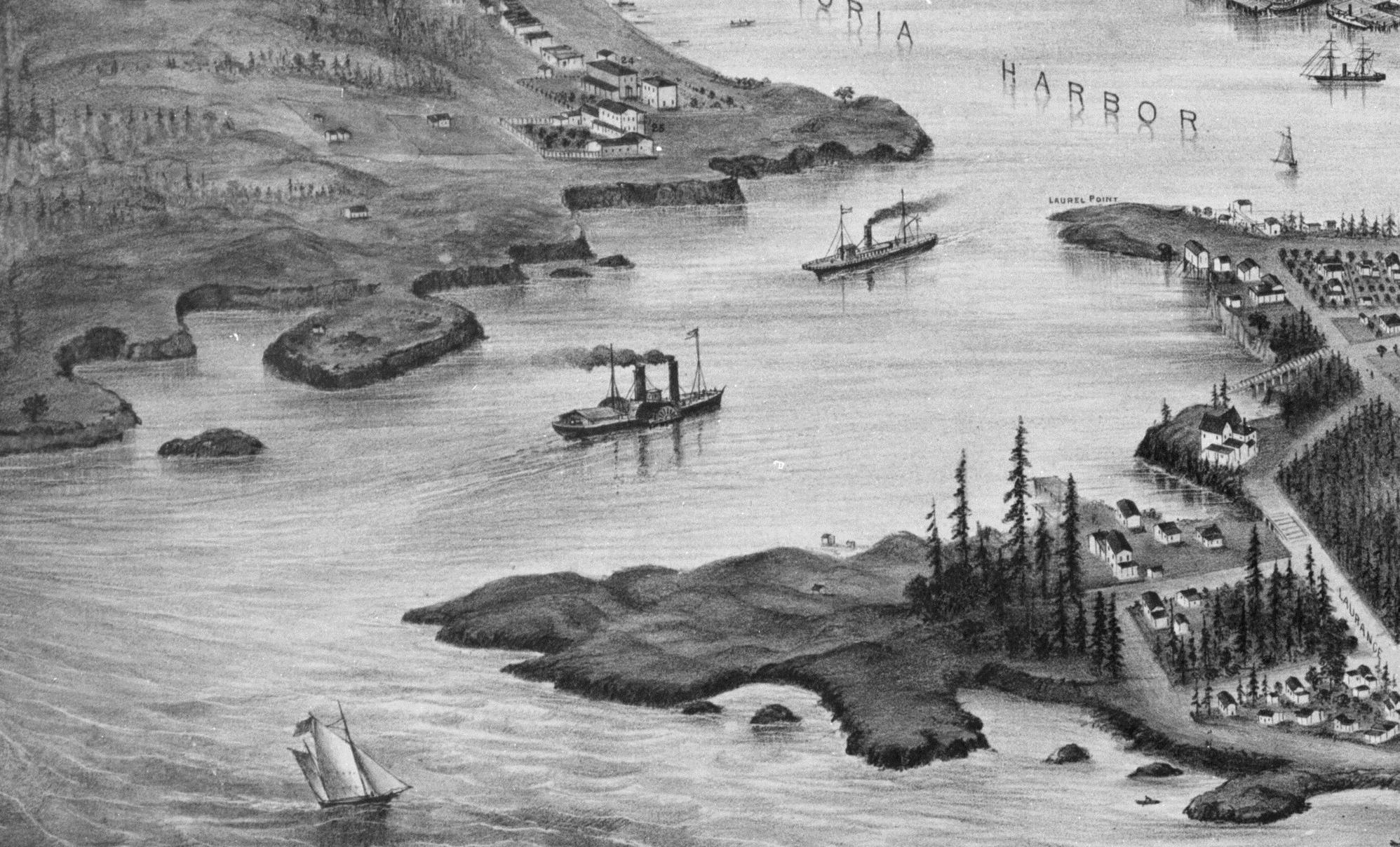
September 11, 2017. By Grant Keddie There is an ancient archaeological shell midden – the refuse from what was once, at least, a seasonal camp on Raymur Point at the intersection of St. Laurence Street and Kingston Avenue. Raymur Point is a raised bedrock peninsula on the south side of Victoria’s inner harbour located to the west of Laurel Point and at the east end of Fisherman’s Wharf. The site was not occupied by First Nations in historic times and appears to have had a limited occupation in the distant past. The midden location, known as Archaeological site DcRu-33, includes the extreme northern extension of the point and the shoreline along the wider section of the point extending along the … Continue reading “A First Nations Shell Midden on Raymur Point, Victoria Harbour”

The Dugout Freight Canoe in the Royal BC Museum Indigenous Collection

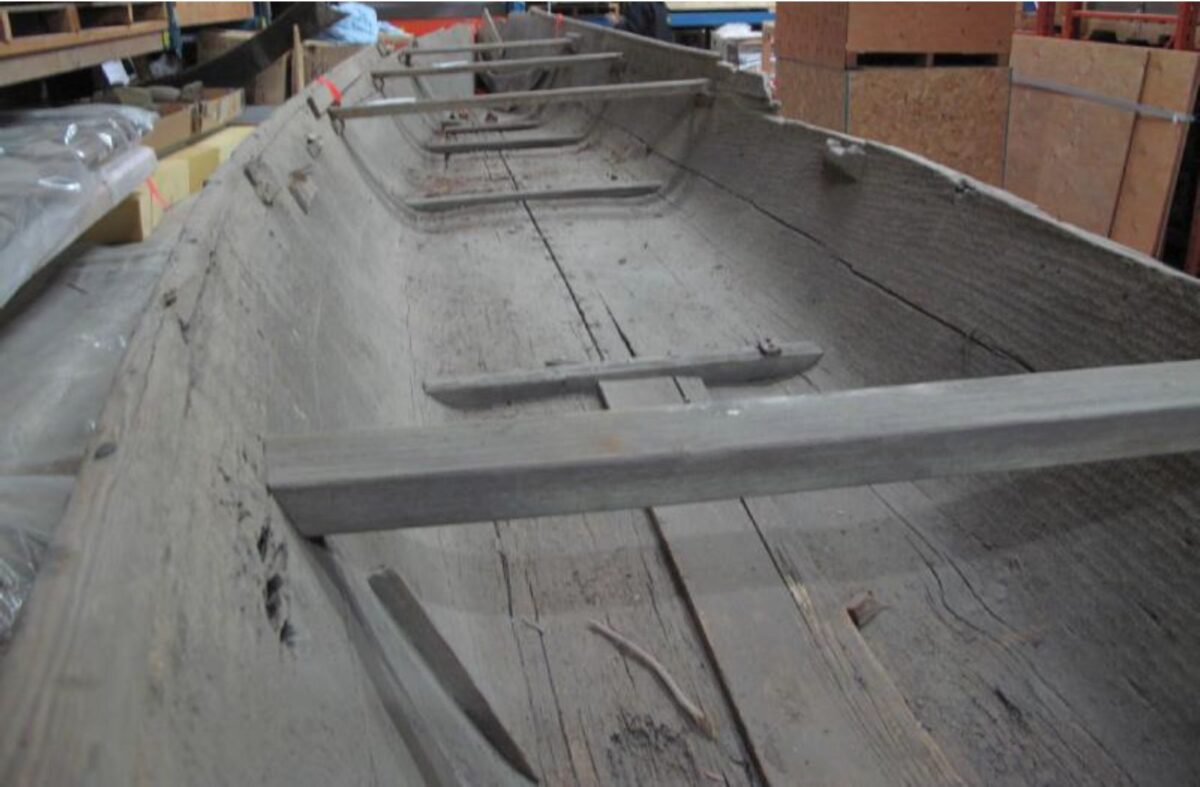
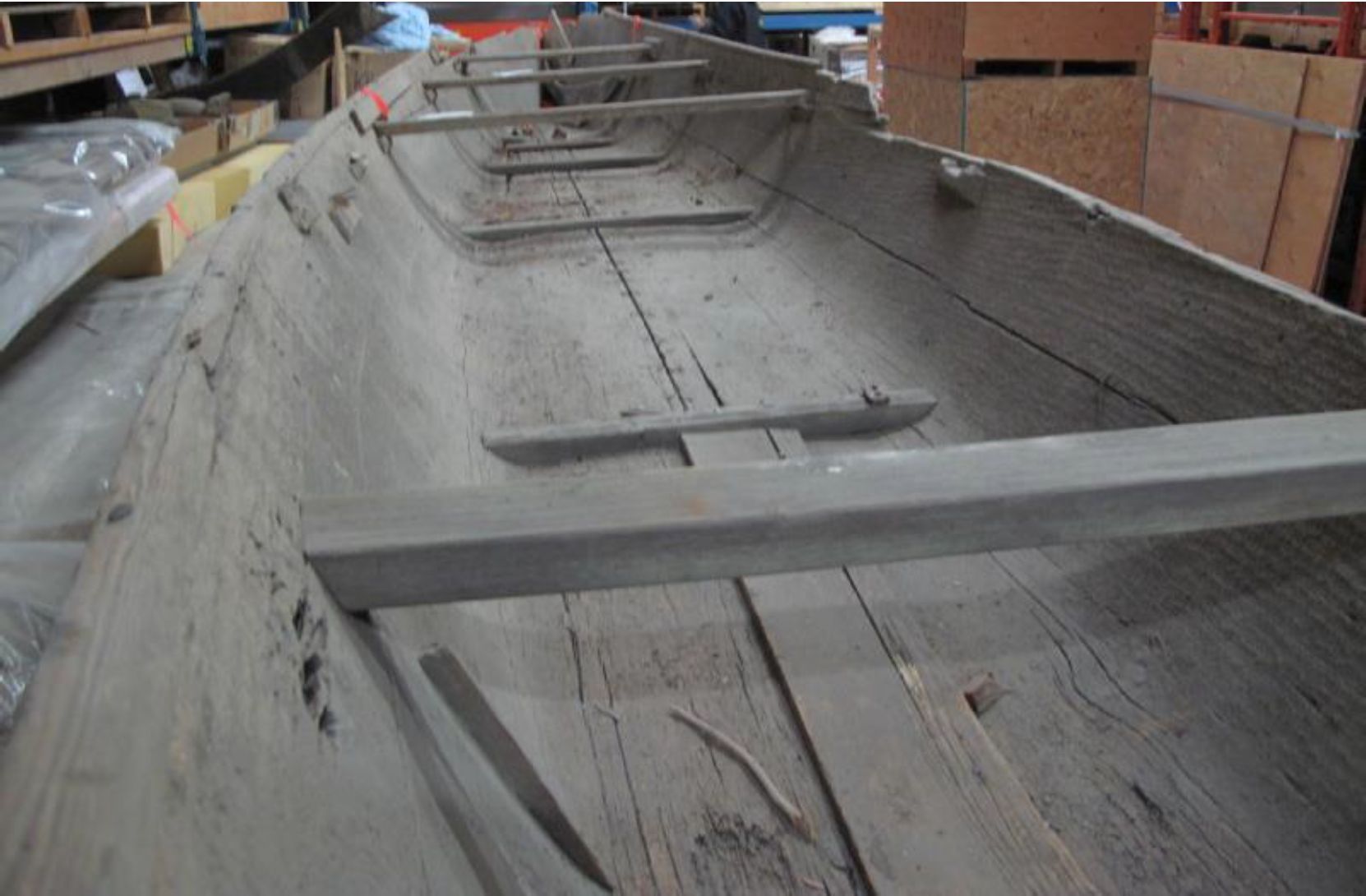
November 19, 2019 By Grant Keddie Have you ever picked up an old object and wondered what sentient beings had held it before? People like you – that are taking the journey from birth to death. Artifacts are not just things in themselves, they are part of the history of individuals and families. Here I provide what I could piece together of the history of a special large dugout freight canoe in the collection of the Royal BC Museum – artifact number 12048. The genealogy of people and families presented is only a partial one that could be expanded to hundreds of people. I present it to show only some of the family linkages to the canoe and its history … Continue reading “The Dugout Freight Canoe in the Royal BC Museum Indigenous Collection”

Bird Leg Rings on the Northwest Coast?

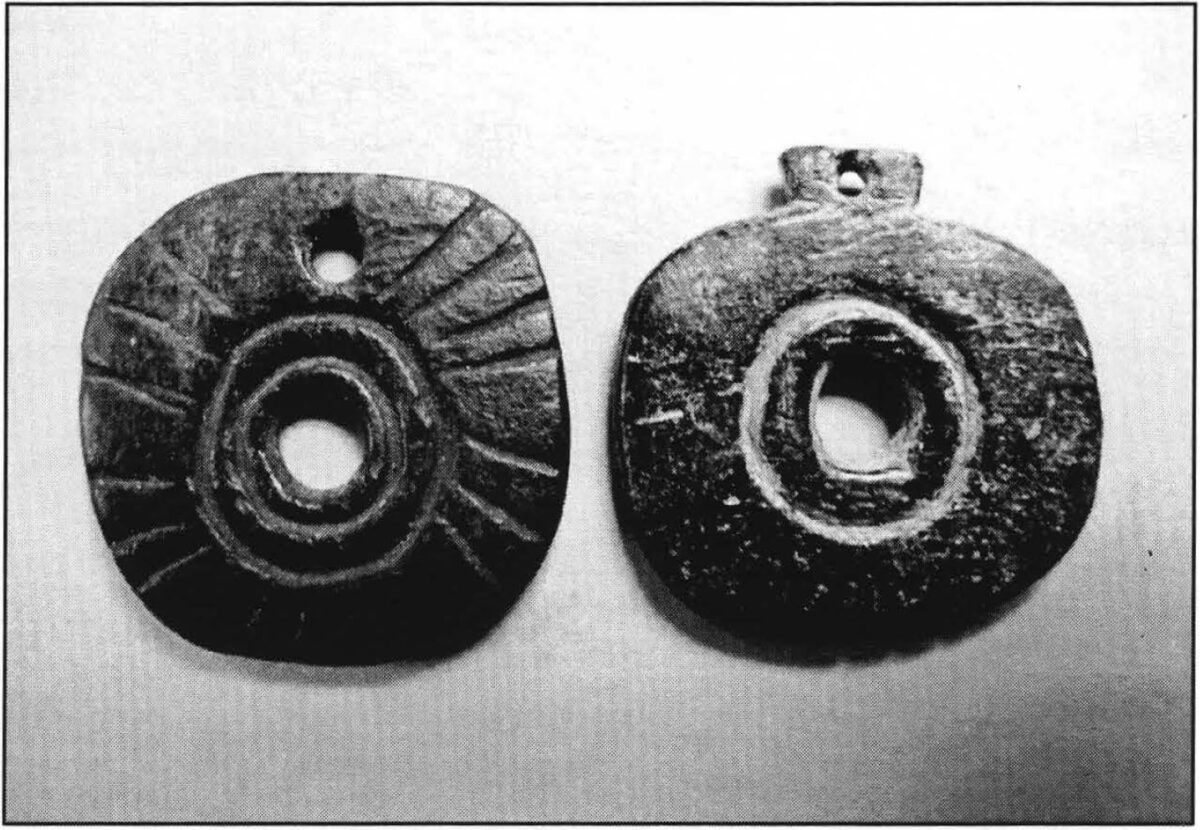
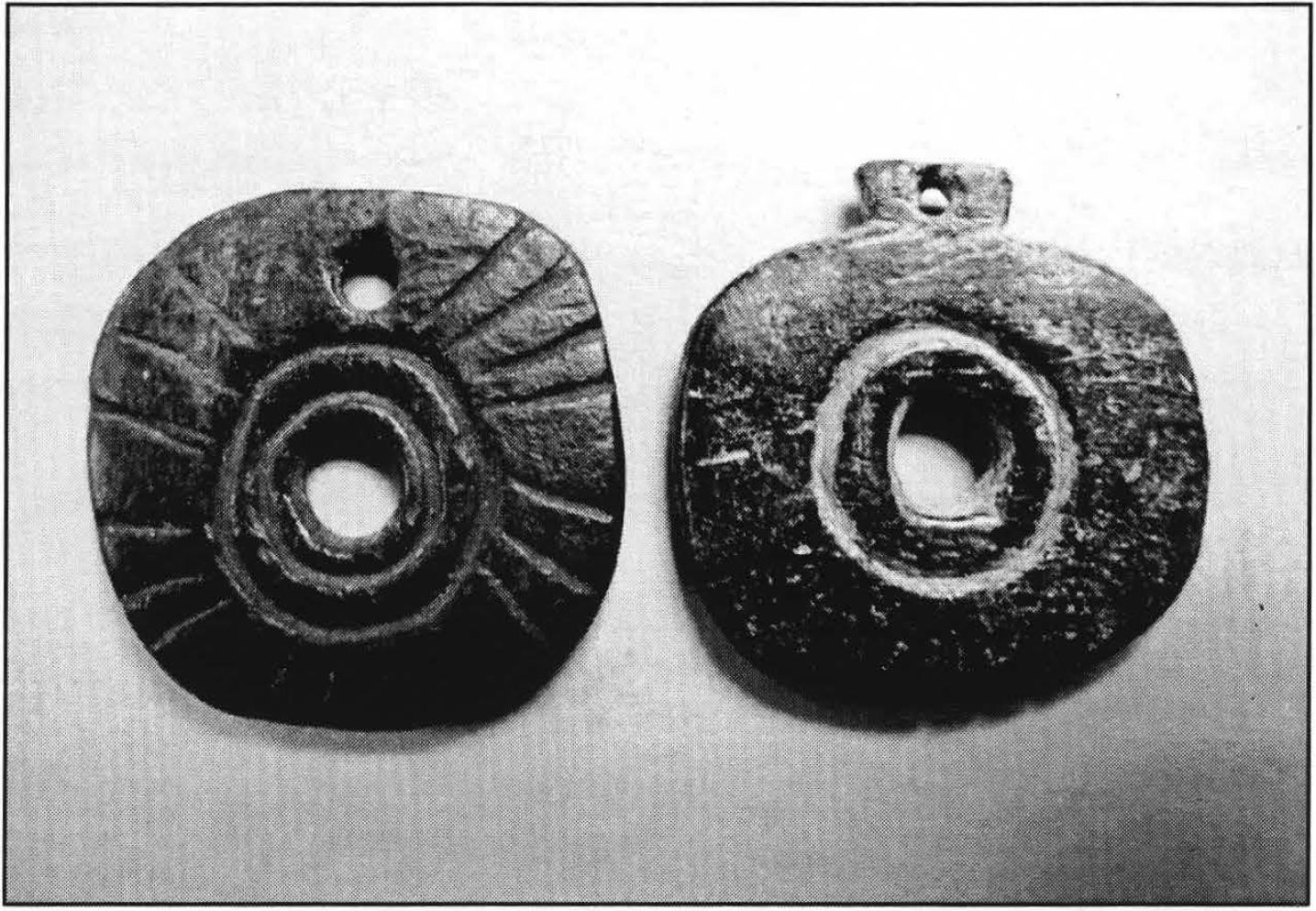
January 30, 2011 By Grant Keddie There are a variety of small artifacts found on the Northwest Coast that are often assumed to be forms of body adornment. Some of these likely had other functions. Three examples described here might normally be assumed to be pendants, I think we should consider the possibility that these may have been used as bird leg rings for holding live decoy birds or pets. A common type of artifact in Polynesia is the kaka poria or bird leg ring made of stone or whale, bird and human bone. They were used to hold tame kaka birds (Nestor meridionalis) as a decoy for capturing wild birds in the forest (Phillips 1955:145). The leg of the … Continue reading “Bird Leg Rings on the Northwest Coast?”

Fireweed Clothing. Evidence of Its Use by the Snuneymuxw First Nations of Vancouver Island.

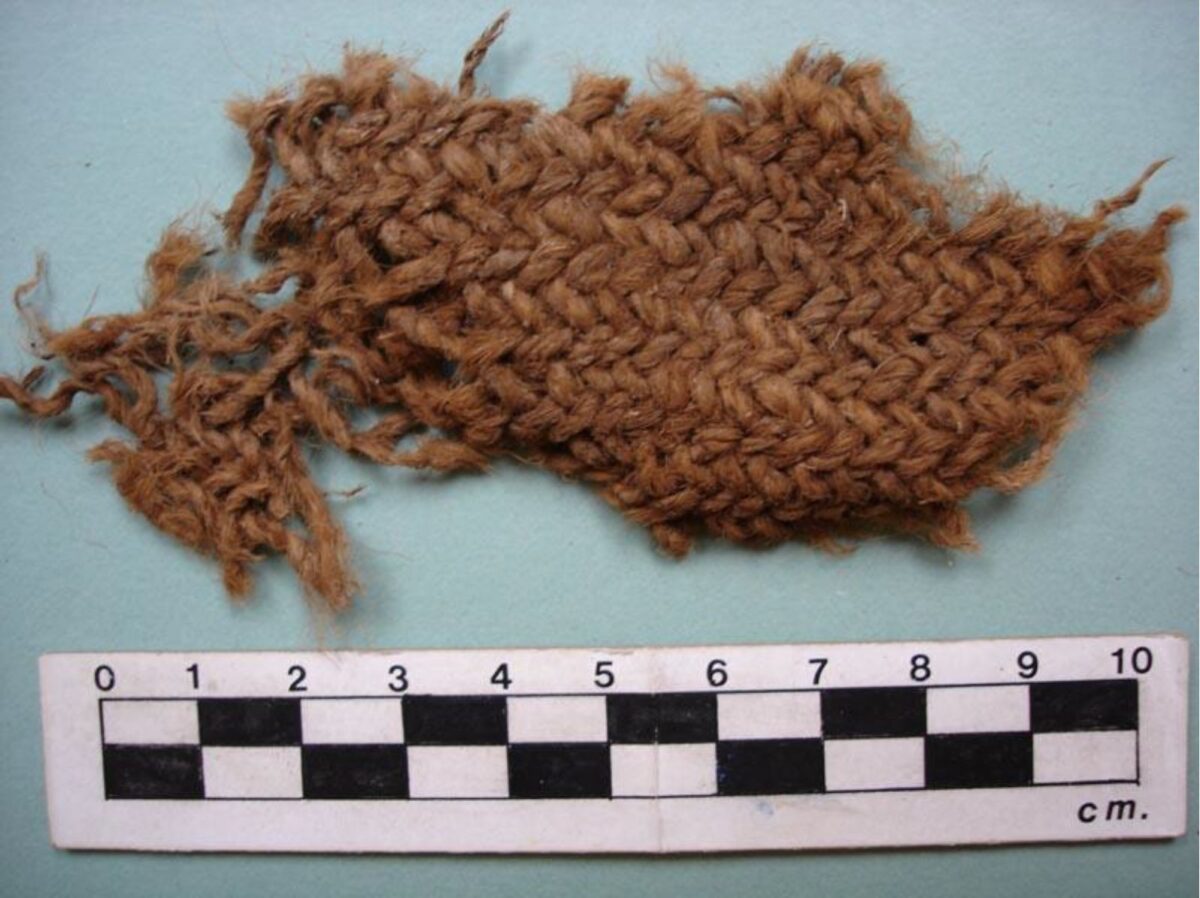
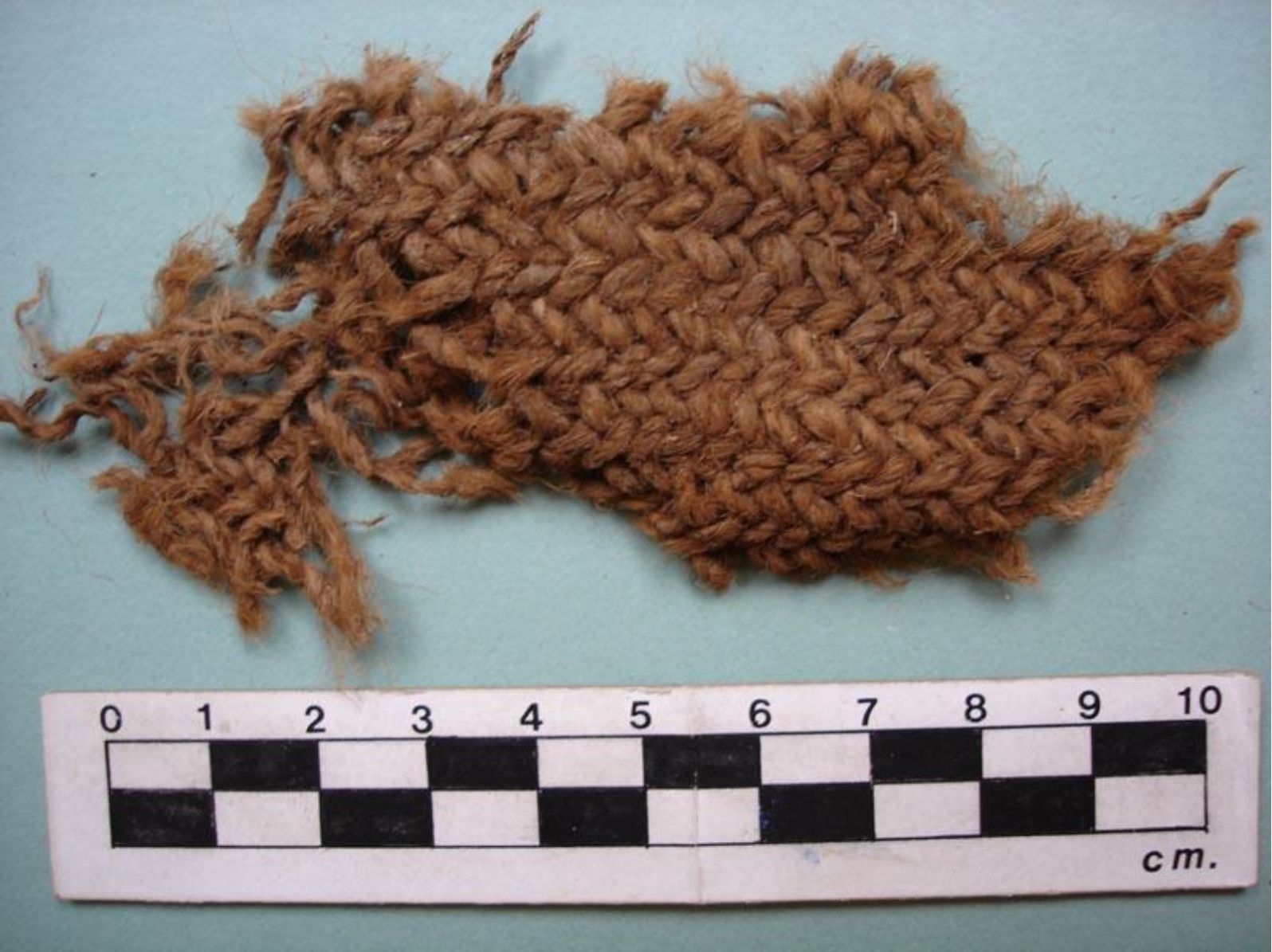
Originally Published in The Midden, 46(3&4), 14-17. By Grant Keddie.  2016 Small fragments of woven material were found along with other items in a burial cave site on Gabriola Island in 1971. The Burial remains and associated artifacts were brought to the (then) Provincial Museum to protect the material that was being removed by unknown persons. Artifacts found in the cave included bracelets of copper and brass, shell pendants, a stone bead, a green glass wire wound Chinese made bead, a woven rattle head and bark matting, in addition to the small fragments of unidentified woven material. This assemblage of material suggested that the woven material likely dated to around the late 18th to early 19th century. In 2001, the … Continue reading “Fireweed Clothing. Evidence of Its Use by the Snuneymuxw First Nations of Vancouver Island.”

Bullroarers in the Indigenous Collections of the Royal B.C. Museum

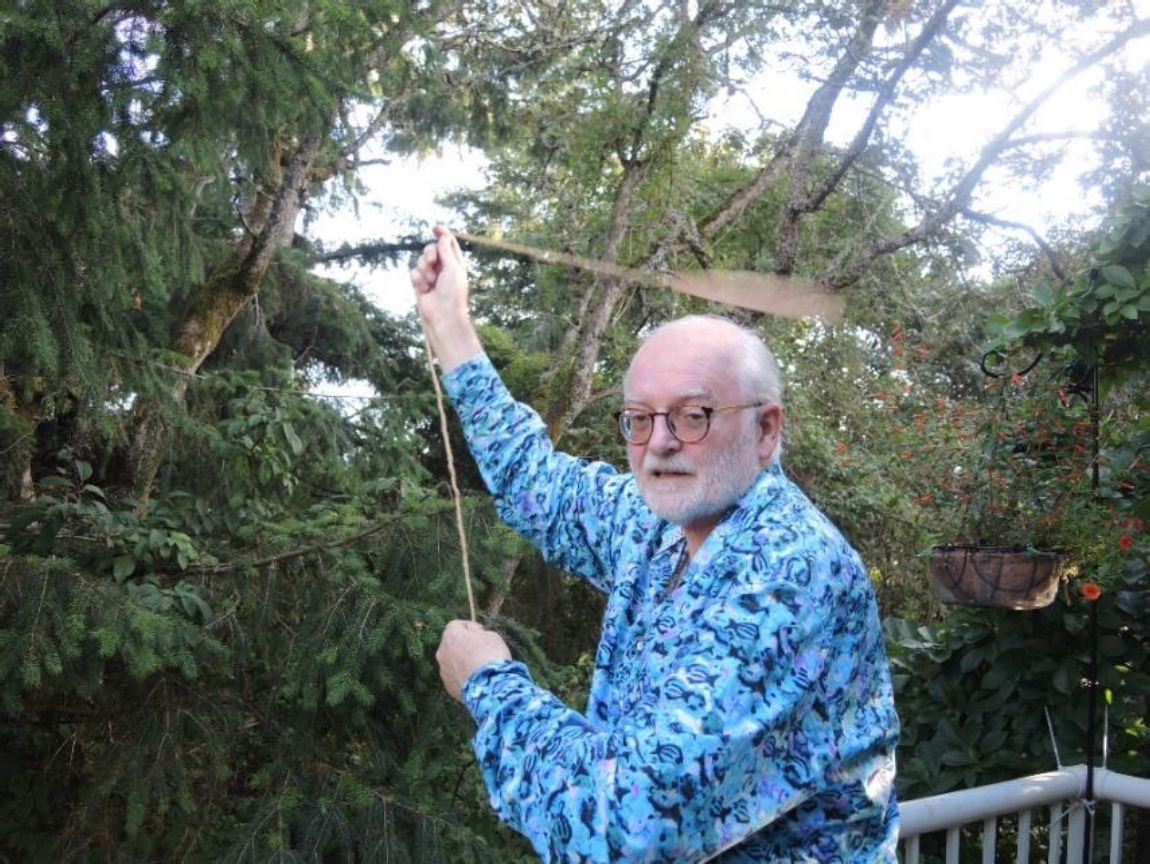
By Grant Keddie. 2020. Introduction The bullroarer is an instrument used by many cultures around the world. It comes in many sizes and dates back at least 20,000 years in Europe. In some parts of my ancestral Scotland the bullroarer was known as a “Thunder­spell” and in Aberdeen as a “Thunder-bolt”. It was used to protect people from being struck by lightning, but in one known case used by a farm boy to scare the cows home (Haddon 1898:222). It is classed as an aerophone musical devise as it is spun in the open air, as opposed to an instrument that is blown into. It involves the use of a piece of flat wood, bone or other material tied to … Continue reading “Bullroarers in the Indigenous Collections of the Royal B.C. Museum”

Dating Archaeological and Ethnographic Materials with Chinese Coins

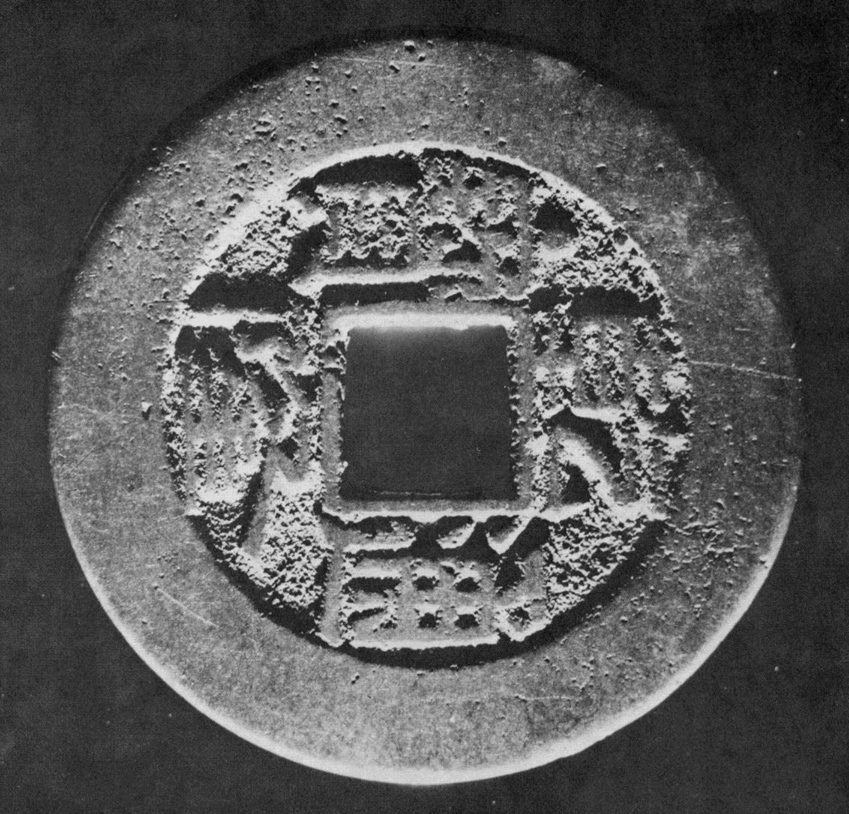
Originally published in Datum. Newsletter of the heritage Conservation Branch. Ministry of Recreation and Conservation. 1978. 3:2:3-5. By Grant Keddie.  1978. Introduction Early Chinese coins have been used occasionally to date historic burials or associated historical assemblages as well as being used as proof of a pre-contact circum-Pacific movement of trade goods or of proof of actual visitations by early Chinese explorers. By utilizing the di­rect historic approach it becomes evident that we must exercise caution in using Chinese coins as chronological indica­tors. I first became aware of the need to examine the reliability of dating with Chinese coins when trying to date a his­toric burial intrusion at the archaeological site DhRx 6 on Newcastle Island near Nanaimo. B.C. A … Continue reading “Dating Archaeological and Ethnographic Materials with Chinese Coins”

Jubilee Hospital Excavations

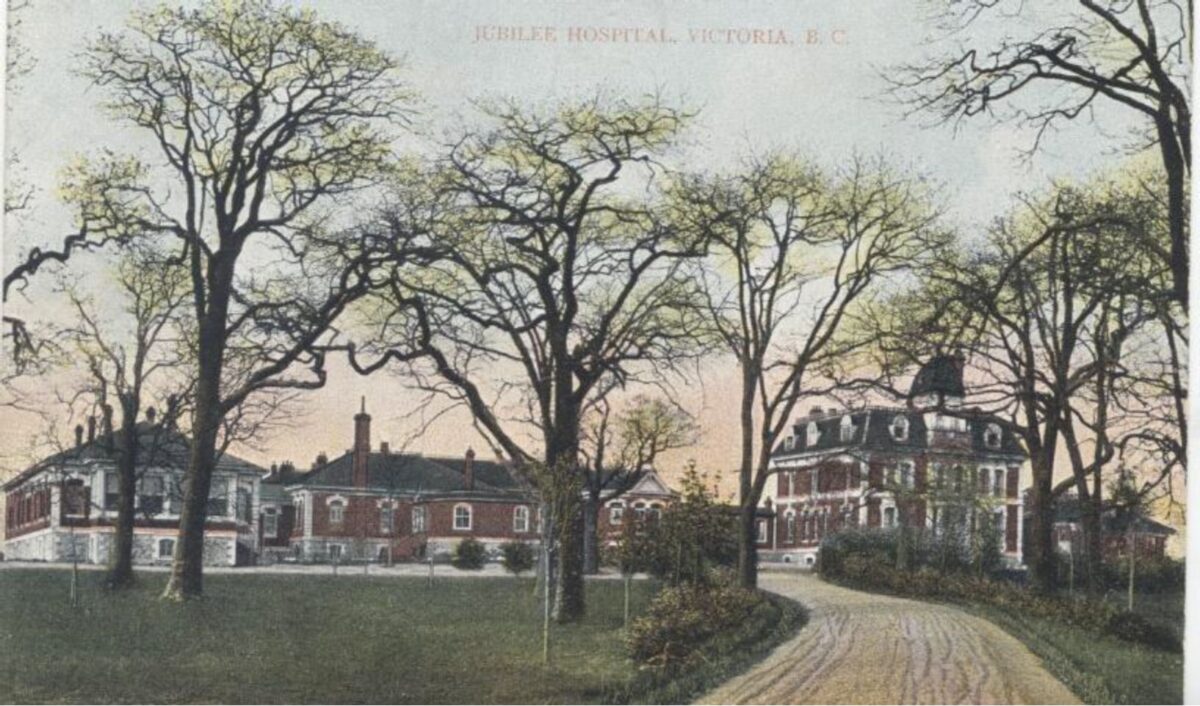
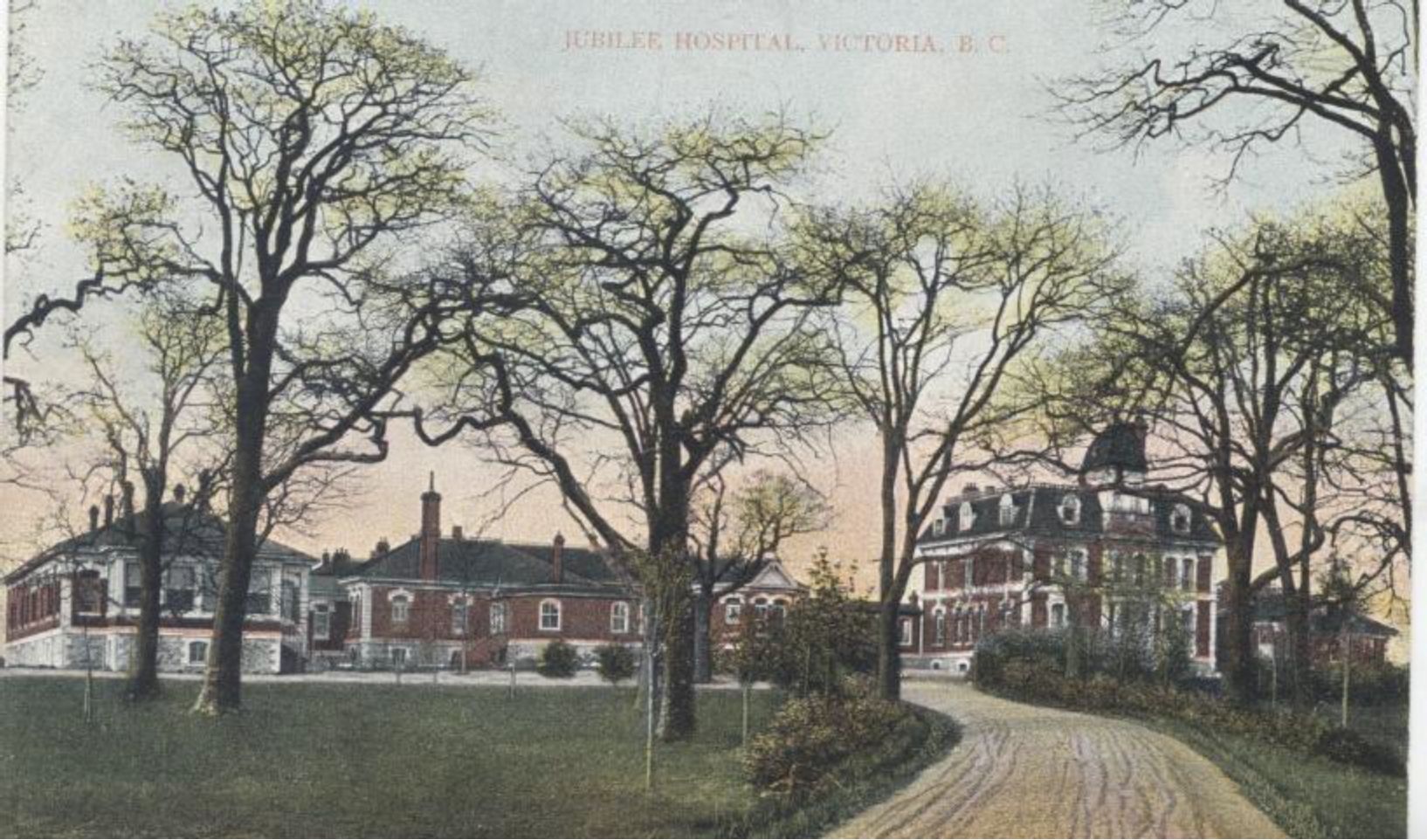
March 9, 2007 By Grant Keddie TAKING IN THE GARBAGE ONE HUNDRED YEARS LATER EXCAVATING THE PROVINCIAL ROYAL JUBILEE HOSPITAL DUMP The Victoria Branch of the Archaeological Society of British Columbia was engaged from April to July 1991 in weekend excavations of hospital dump material associated with the early years of the Provincial Royal Jubilee Hospital. On sporadic occasions over the next two years evenings were spent cleaning, sorting and gluing the artifacts. The hospital opened in 1890 and dropped the Provincial part of its name in 1938. The Jubilee Hospital excavations project started when Dr. Stuart Kenning of the Victoria Medical Society and Norma Friedmann, the Facility Planner for the Greater Victoria Hospital Society came to the City of … Continue reading “Jubilee Hospital Excavations”